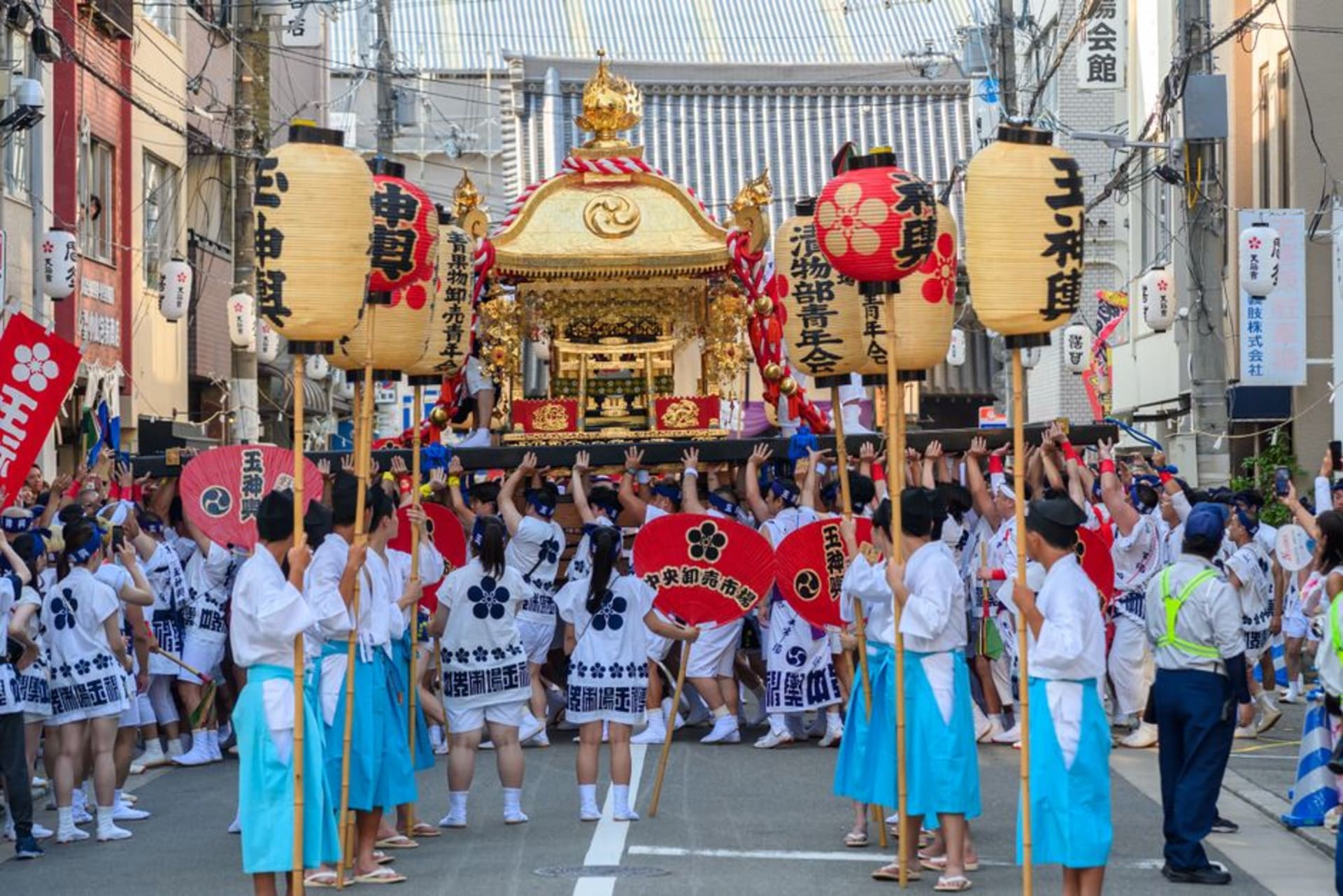
Hiketa
"Lia said the whole street smelled faintly of sugar, and I wasn't sure if that was real or just suggestion."
An Edo-period port district in Higashikagawa that flourished as the 'port waiting for the wind,' trading salt, cotton, and the hand-refined sugar called wasanbon still made almost nowhere else in Japan. Its merchant streets of lattice doors and white-plastered storehouses remain intact enough to walk straight into the past.

We got off the train at Hiketa expecting a quick look and ended up staying most of the afternoon, which seems to be the standard reaction to this town if the guesthouse owner we later spoke to was any indication. Hiketa sits at the eastern edge of Kagawa, a former Edo-period port that once made its living waiting — literally — for favorable winds to carry cargo ships out to sea, hence its old nickard, kaze-machi, the port that waits for wind. Salt, cotton, and a particular refined sugar called wasanbon all moved through here for centuries, and unlike a lot of towns that traded on the same goods, Hiketa never quite got around to tearing down the streets that built its fortune.
Walking into an Edo-period street
The preserved merchant quarter runs a few blocks back from the modern road, and stepping into it felt like a door closing behind us on the twenty-first century. Lattice-fronted houses lean shoulder to shoulder along a narrow lane, their dark wood softened by weather, punctuated by white-plastered kura storehouses that once held salt and sugar rather than rice. Lia kept stopping to photograph door fittings and roof tiles, convinced every detail was original, and honestly most of them probably were — this district survived largely because Hiketa’s fortunes declined gently enough after the Edo period that nobody had the money to modernize it away. We didn’t pass another tourist for the better part of an hour.

The sweetness that built the town
Wasanbon is a delicate, hand-refined sugar made through a laborious process of pressing and kneading that survives in only a small pocket of Japan spanning this part of Kagawa and neighboring Tokushima, and Hiketa’s merchants grew rich shipping it out to the rest of the country. We found a small shop still making traditional wagashi with the old method, the confectioner working the pale sugar by hand in a back room we could just glimpse from the counter. Lia bought a small box of seasonal sweets shaped like maple leaves, so light and faintly grainy on the tongue that they barely tasted like sugar at all — more like a memory of sweetness than the thing itself.

A former governor’s residence and the quiet harbor
At the edge of the old district stands a grand former residence, once home to a local magistrate, its gardens and reception rooms kept in careful, slightly hushed order by caretakers who seemed genuinely pleased to have visitors. We wandered its rock garden for a while, then walked the last stretch down to the old harbor, where the water sat flat and quiet under a sky doing very little. It wasn’t hard to picture cargo ships anchored there for days at a time, sailors and merchants passing the wait in exactly the same lanes we’d just walked, killing time until the wind finally turned in their favor.

Getting There
Hiketa is reached by JR local train from Takamatsu, a ride of roughly forty minutes along the Kotoku Line toward the Tokushima border. The preserved merchant district sits a short walk from Hiketa Station, flat and easy to explore on foot, so no car is really necessary for a half-day visit. Come in the morning if you can — a few of the smaller craft shops keep limited hours, and it’s worth having time to linger over both the architecture and a box of wasanbon sweets before catching a train back.
Keep exploring
More of Shikoku
Keep exploring
More from Shikoku
 japan
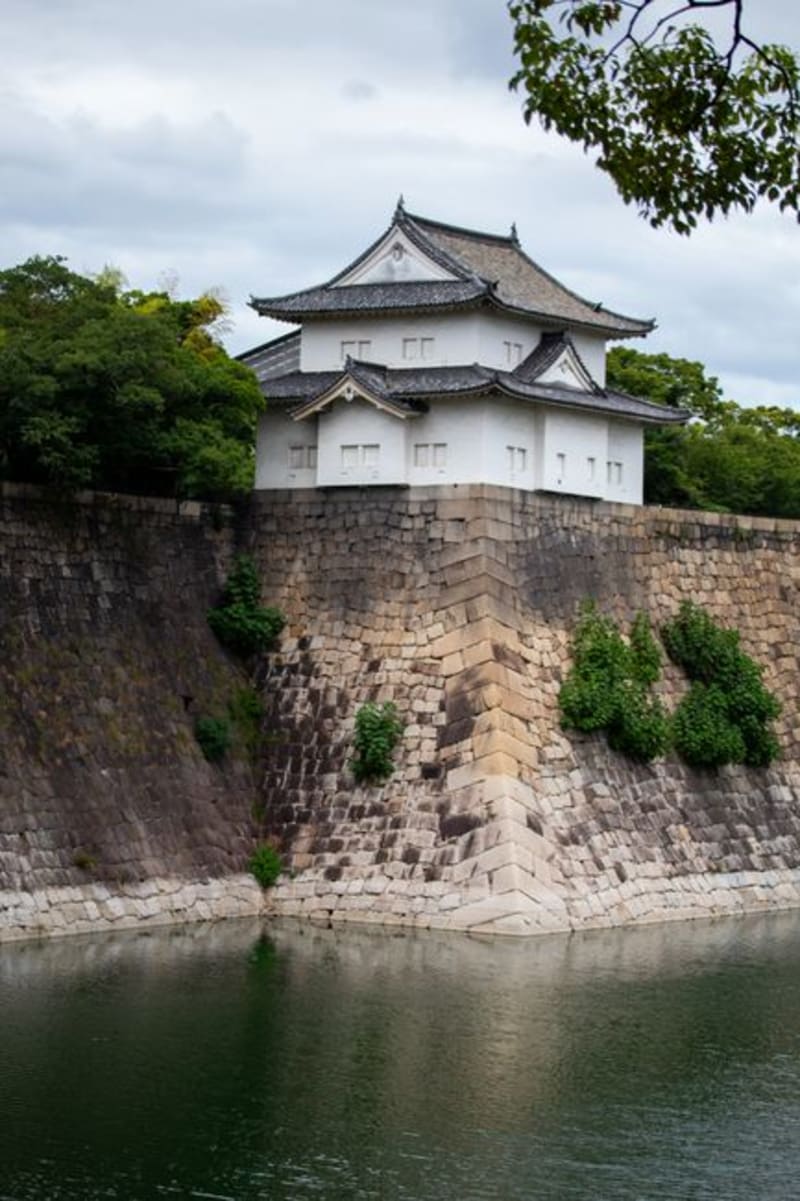
japan Imabari
A working port on the Seto Inland Sea where the Shimanami Kaidō lands back on Shikoku after leaping island to island on impossible bridges. Imabari smells of the sea and of freshly pressed cotton, and moves at the speed of a bicycle.
Explore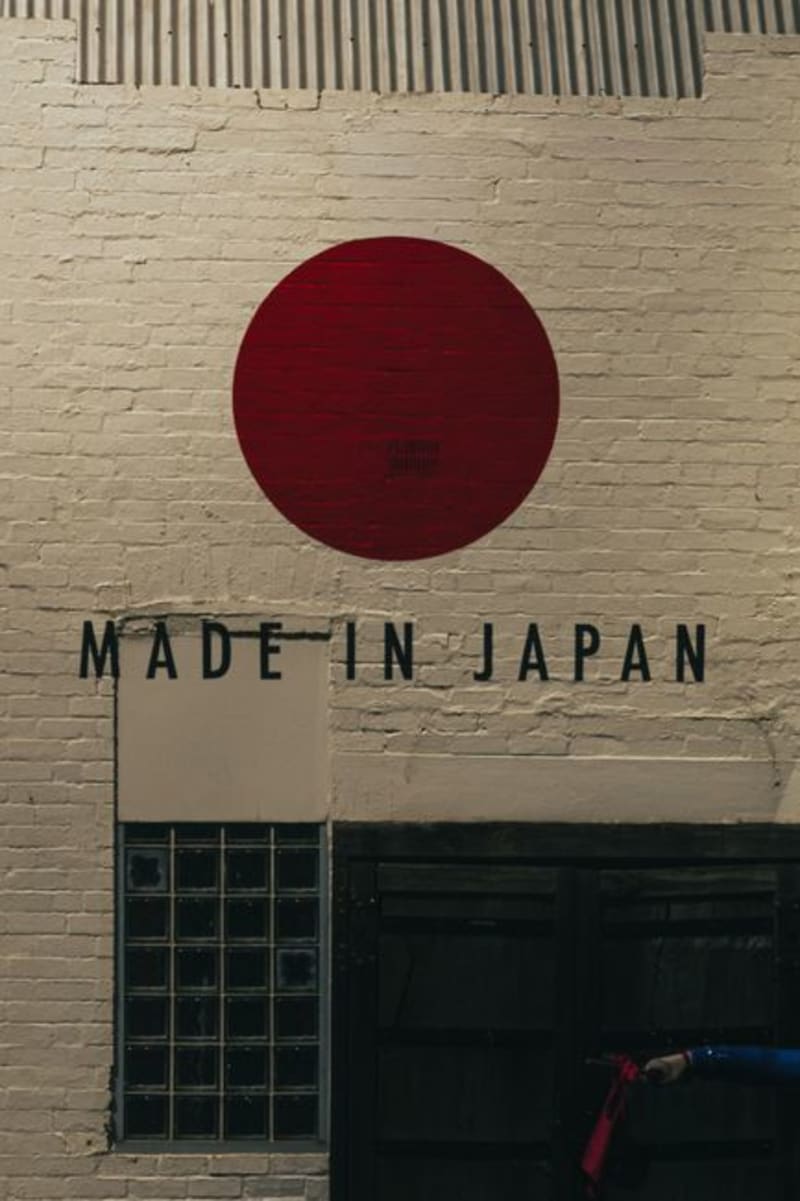 japan
japan Ino
A Kochi town that has made Tosa washi paper for over a thousand years, legend crediting a Heian-era governor and poet with encouraging the craft. At the paper museum near the station you can work a vat of pulp yourself, hands in the water beside artisans repeating the same rocking motion their grandparents used.
Explore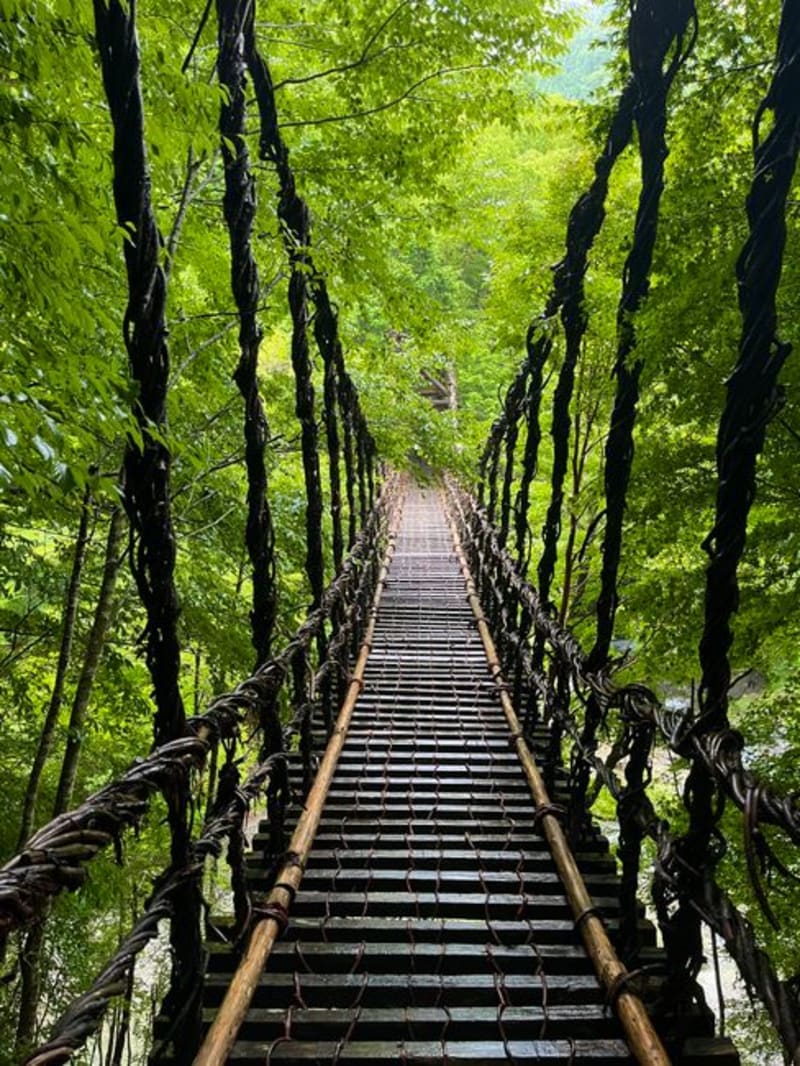 japan
japan Iya Valley
A deep, mist-wrapped gorge in the heart of Shikoku, laced with vine bridges and thatched houses and a strange population of straw scarecrows. Iya is the Japan we thought had disappeared — and hadn't.
Explore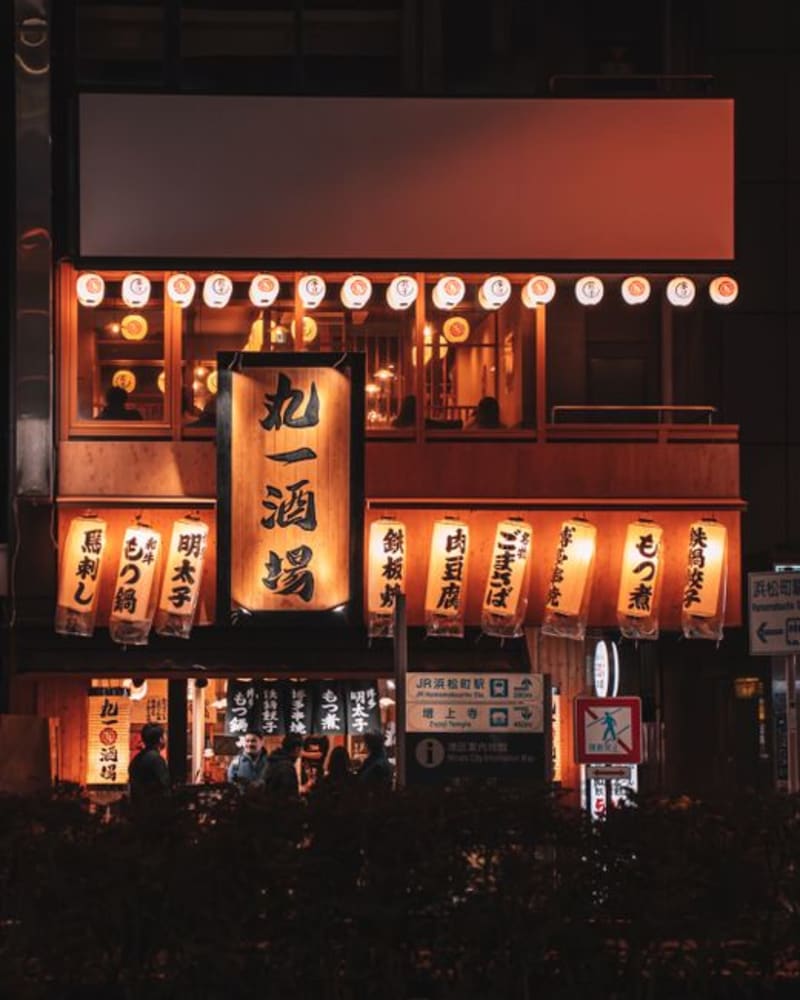 japan
japan Kamikatsu
A mountain hamlet in inland Tokushima where every household hand-sorts its trash into dozens of categories at a single drop-off station, because in the early 2000s this became Japan's first town to declare itself zero waste. A quiet, unglamorous lesson in what it actually takes to mean it.
Explore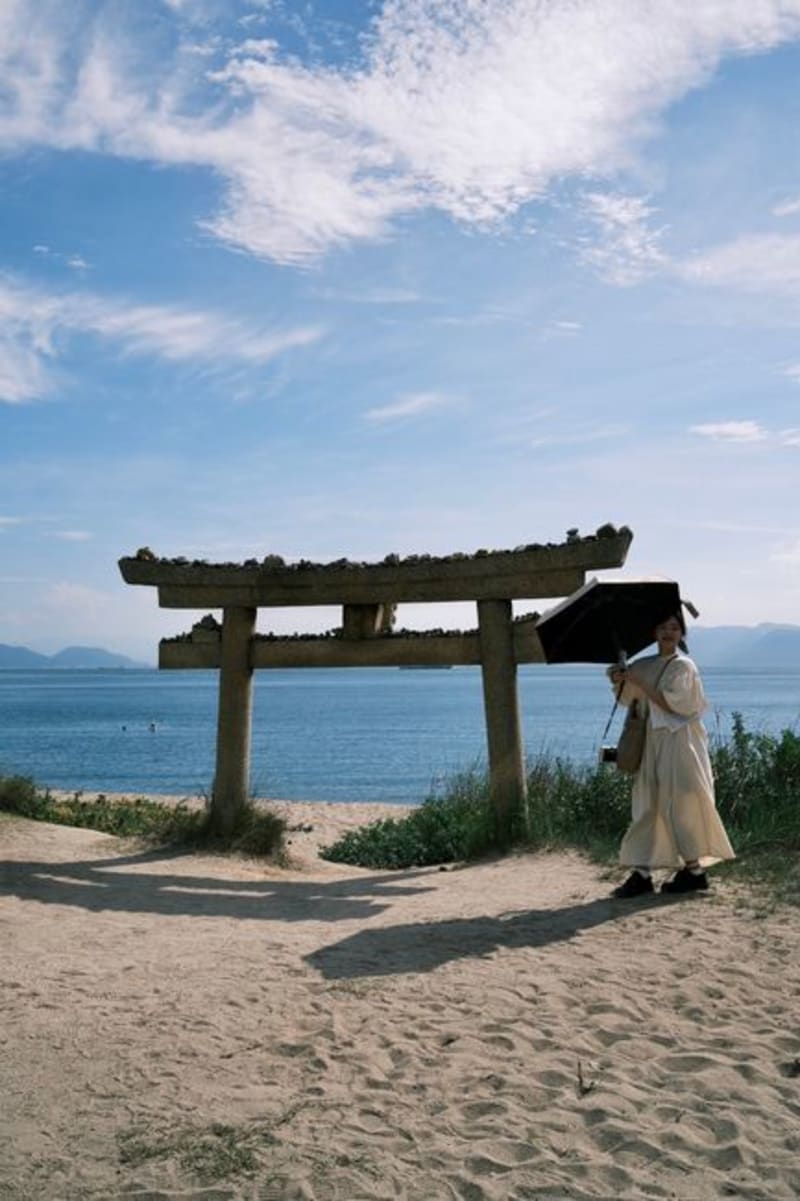 japan
japan Kanonji
A breezy Kagawa town on the Inland Sea where a giant coin lies raked into the beach sand, said to bless whoever looks upon it. Above it a pine-shaded hilltop shrine, and inland a mountaintop temple reached by ropeway over the whole silver sea.
Explore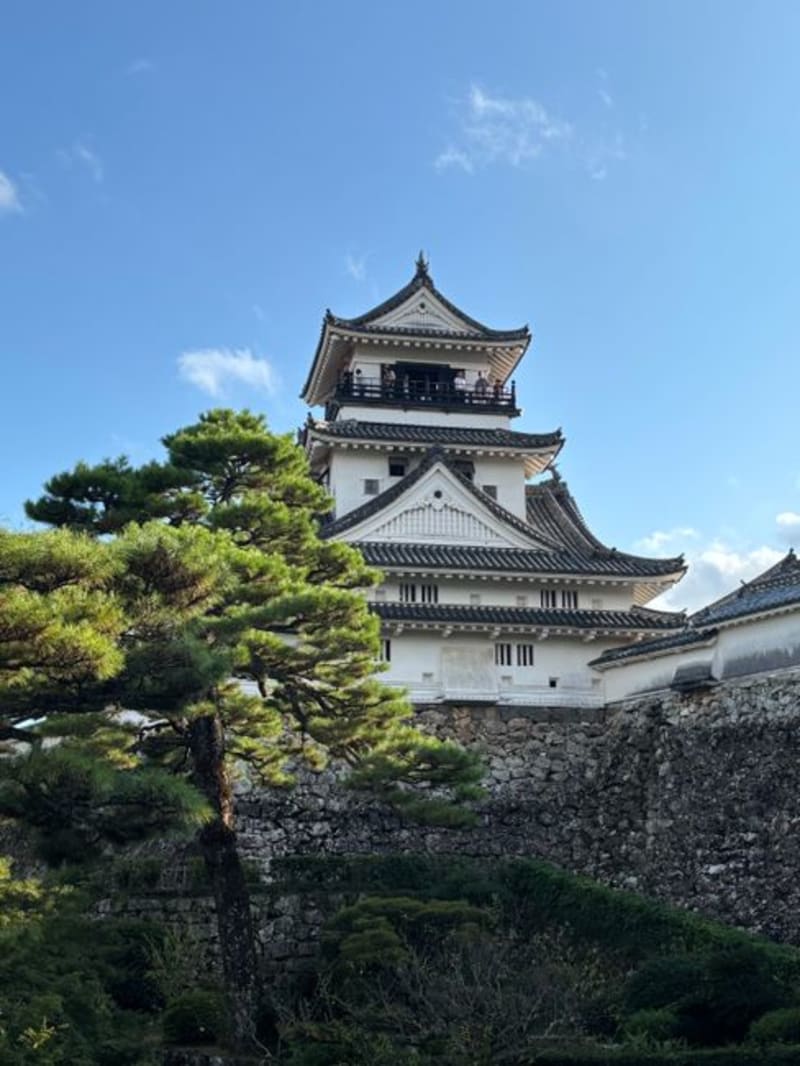 japan
japan Kōchi
South-coast Shikoku, warm and open-hearted, with one of Japan's few surviving original castles and a fish grilled over burning straw. Kōchi felt like the country exhaling — slower, sunnier, and unafraid of a drink.
Explore