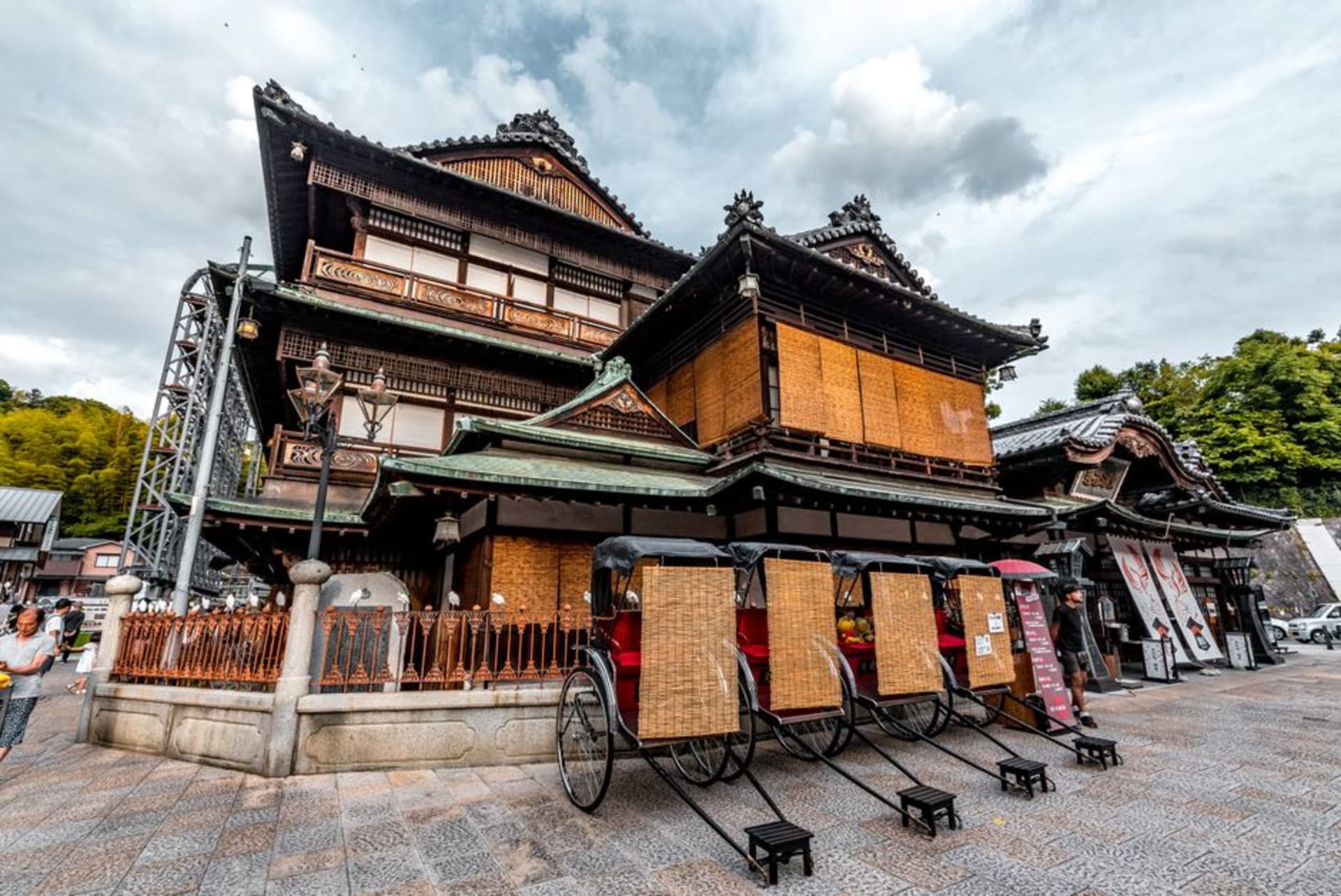
Uchiko
"A whole street the colour of candle wax, and Lia and I had it almost entirely to ourselves."
An Ehime town that once grew rich on wax, where a single street of ochre-plastered merchant houses has been kept just as it was. There is a jewel of a Meiji-era kabuki theatre, green hills at every turn, and almost no one else about. Quietly, unshowily elegant.

We nearly skipped Uchiko. It was a name on the map between Matsuyama and the coast, and we only stopped because a woman at our guesthouse had pressed it on us with real insistence. I am glad she did. From the little station it is a fifteen-minute walk that gives no warning, ordinary streets and a convenience store, and then you turn a corner into Yōkaichi, a long gentle street of two-storey merchant houses plastered in warm ochre and cream, their latticed windows and heavy tiled roofs stepping up the slope, and the twentieth century simply falls away behind you. What money there was here came from wax — Uchiko was one of Japan’s great producers of the vegetable wax pressed from sumac berries, used for candles and cosmetics — and the fortunes it made built this street and then, mercifully, left it alone.
The Wax Town of Yōkaichi
We walked the length of Yōkaichi slowly, and for long stretches we were the only people on it. The houses lean in companionably, their plasterwork ranging from pale cream to a deep mustard-gold, and here and there the family crest is still moulded above a doorway. At the Kami-Haga residence, once a wax merchant’s home and workshop, we went in and saw the low sheds where the wax was pressed and bleached, the great beams dark with age, and a family’s whole life arranged around a trade that has almost entirely vanished.

An old man was sweeping the step of a shop selling handmade candles, and he nodded us in and lit one to show the flame — soft, yellow, and quite unlike a modern taper. We bought two.
The Uchikoza Theatre
A few streets away stands the Uchikoza, a wooden kabuki theatre built in 1916, restored and still very much in use. From outside it is a handsome barn of a building; inside it is a marvel. We paid the small entrance fee on a day with no performance, which meant we had the run of the place — the sloping floor of tatami boxes, the revolving stage turned by hand from a pit below, the trapdoors, the narrow hanamichi walkway running out through the audience.

A caretaker took us down into the understage cellar and let Lia help push the great wooden wheel that rotates the stage, grinning at her surprise when the whole floor above us began to turn.
The Green Countryside
Uchiko sits in a fold of low green hills, and beyond the old street the town gives quickly onto country — rice terraces, orchards, and the Oda river running clear through it all. We walked out past the last houses in the late afternoon, along lanes edged with persimmon trees and vegetable plots, past a covered wooden bridge, and met almost no one but a farmer on a bicycle who raised a hand.

It is the kind of place that does nothing to seize your attention and, precisely because of that, holds it. We stayed far longer than we had meant to.
Getting There
Uchiko lies in central Ehime Prefecture on the island of Shikoku, about twenty-five minutes south of Matsuyama by limited express train to Uchiko station on the JR Yosan line. Local trains take a little longer. From the station it is a flat fifteen-minute walk to the head of Yōkaichi, or a short taxi ride. The town is comfortably seen on foot in a half-day, and pairs naturally with nearby Ōzu further down the same line. Come on a weekday if you can — the preserved street is at its best when it is quiet, which most of the time it is.
Keep exploring
More of Shikoku
Keep exploring
More from Shikoku
 japan
japan Ōzu
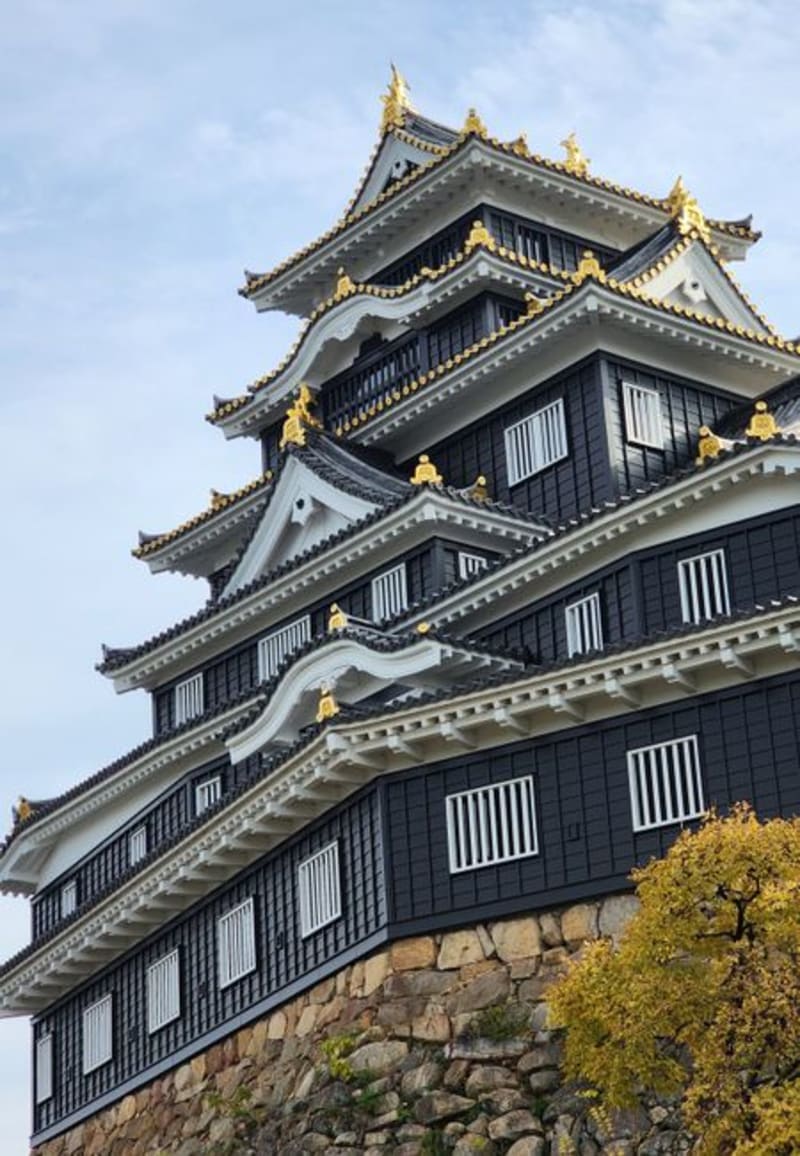
An Ehime castle town on the Hiji river, sometimes called a little Kyoto for its old streets and riverside calm. A faithfully rebuilt wooden keep, a hillside villa looking out over the water, and cormorant fishermen working the summer nights. Riverine, unhurried, and easy to love.
Explore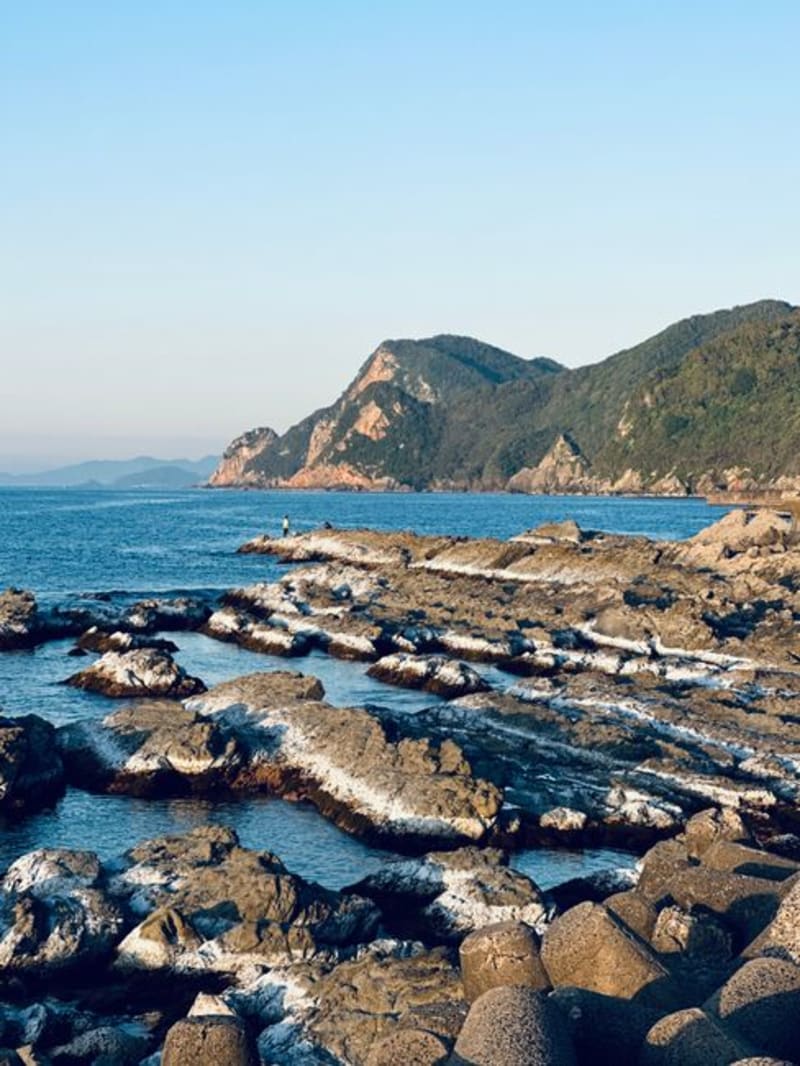 japan
japan Yawatahama
An Ehime port town where the hillsides above the harbour are stacked with mandarin terraces, and the ferries slip out across the strait toward Kyushu. A place of citrus, salt air, and the particular restlessness of a town that has always faced the sea.
Explore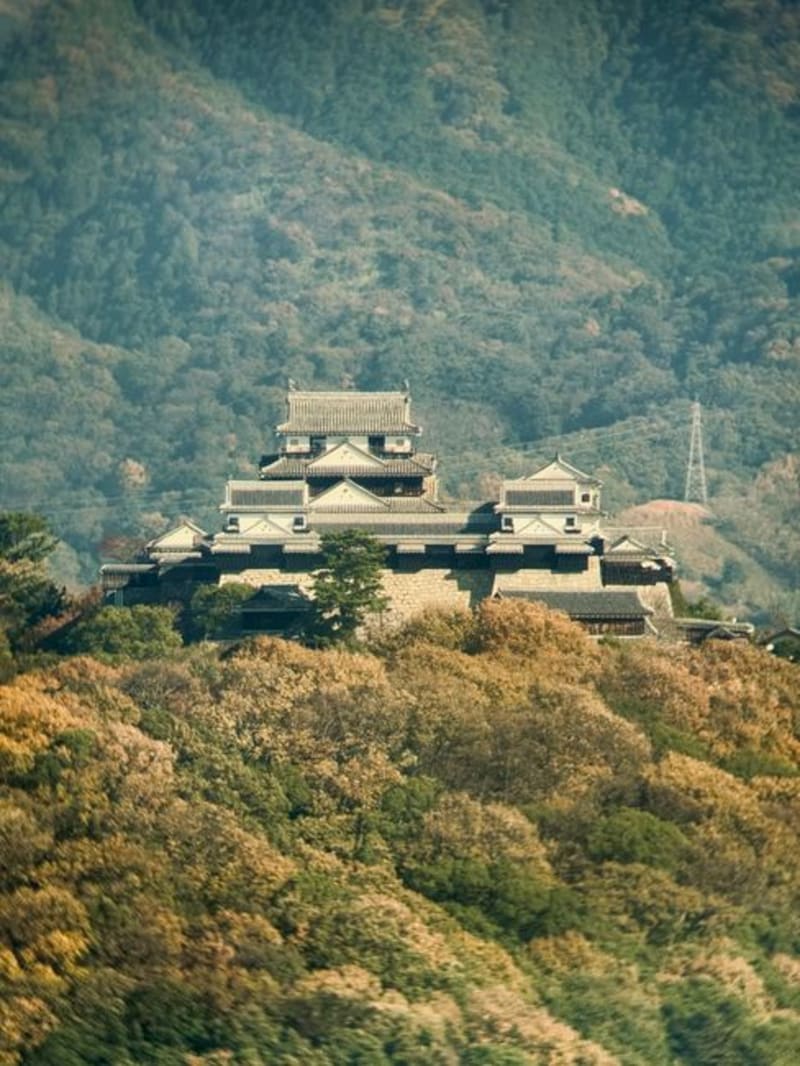 japan
japan Matsuyama
The largest city on Shikoku, built around Dōgo Onsen — one of the oldest hot springs in Japan and its grand wooden bathhouse. A hilltop castle, rattling streetcars, and a warm, literary, unhurried spirit all its own.
Explore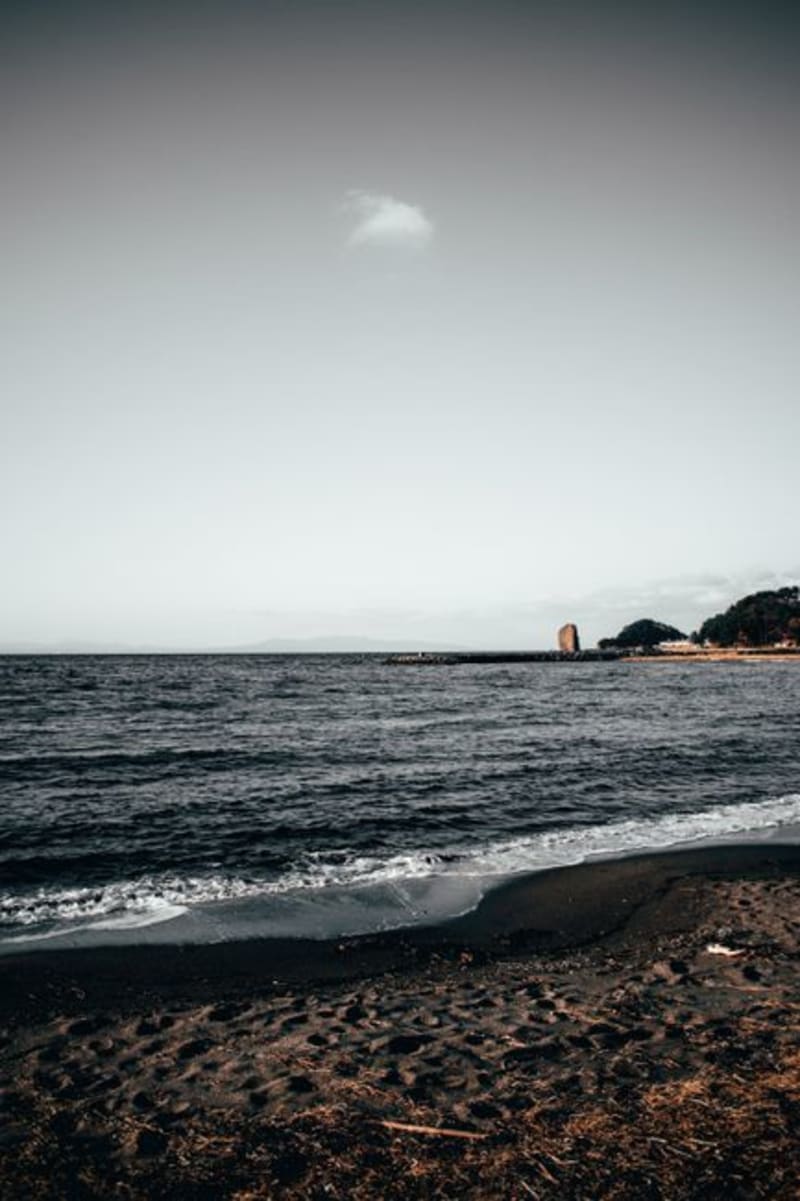 japan
japan Uwajima
A salt-air port at the ragged bottom of Ehime, where an original castle keeps watch over a ria coast strung with pearl rafts. It is a town of bull-sumo bellows, mikan groves, and a bay that turns silver at dusk.
Explore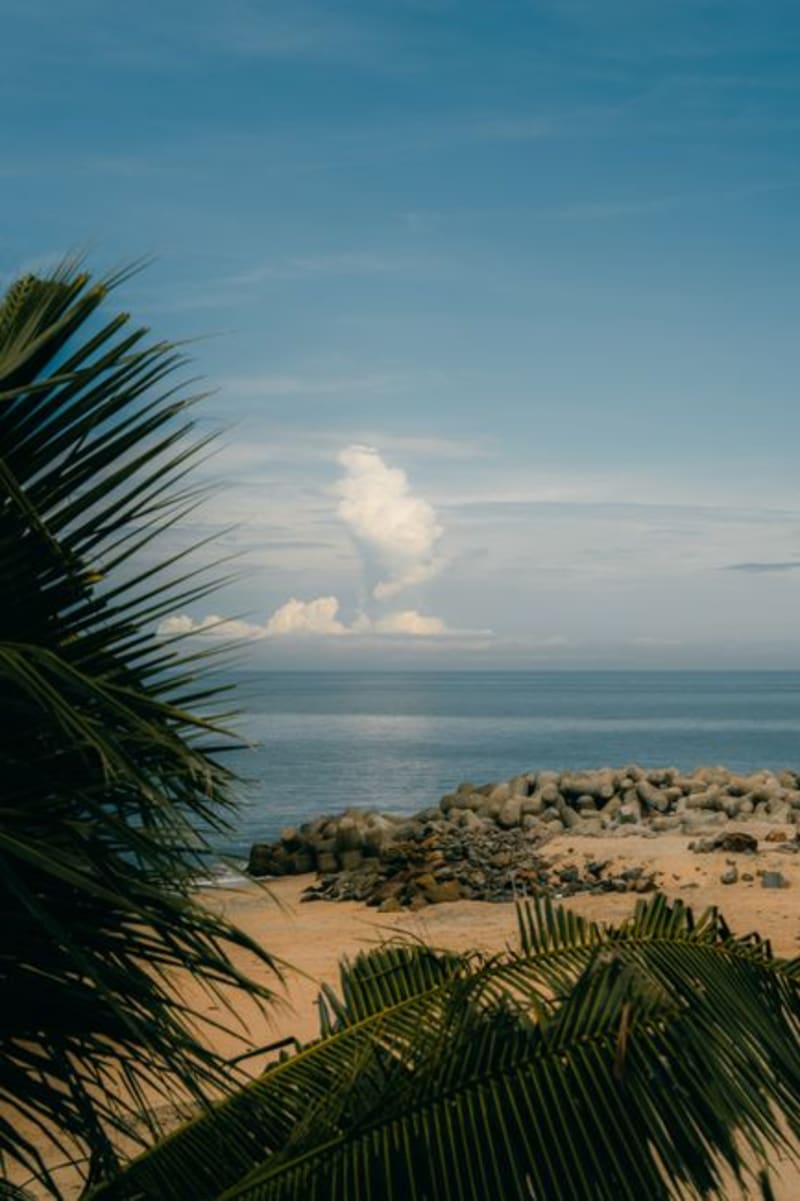 japan
japan Sukumo
A quiet bay town in the far southwestern corner of Kochi, where the days end in sunsets so famous they've been given a name. There is little to 'do' here, which is precisely the point — Sukumo is a place to slow down and watch the light leave the water.
Explore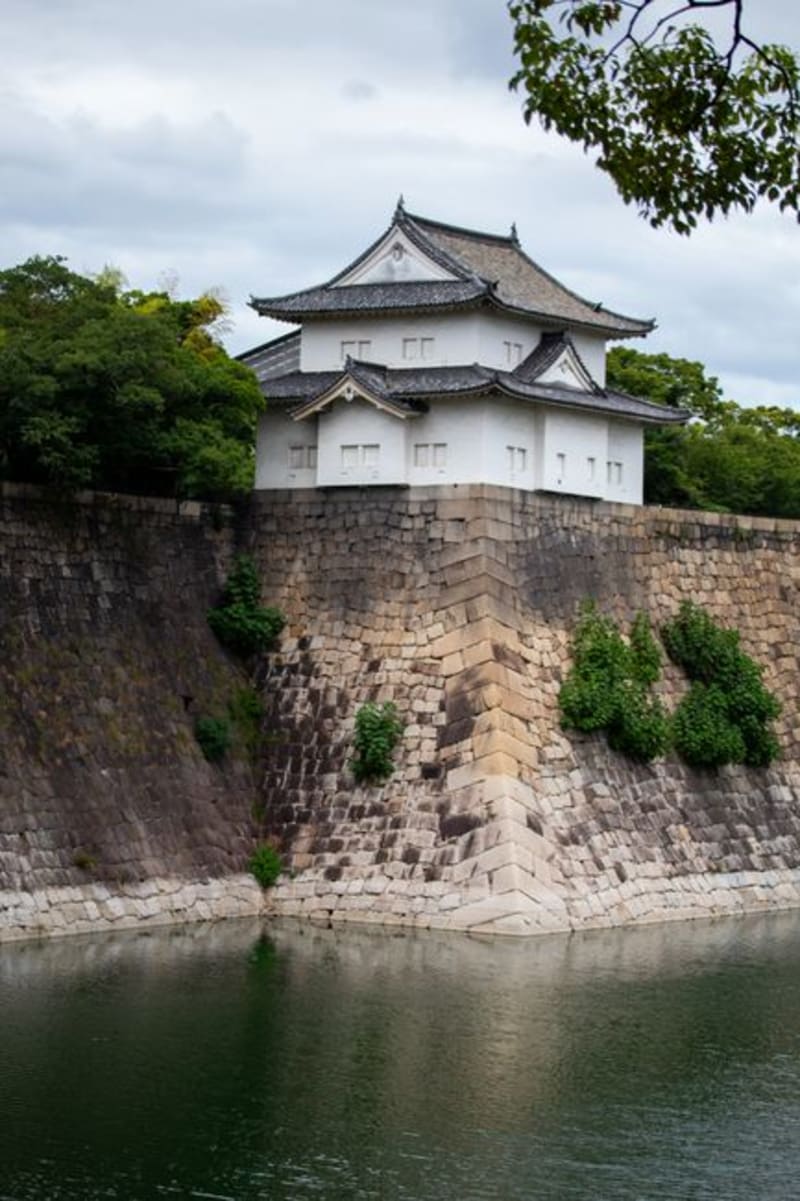 japan
japan Imabari
A working port on the Seto Inland Sea where the Shimanami Kaidō lands back on Shikoku after leaping island to island on impossible bridges. Imabari smells of the sea and of freshly pressed cotton, and moves at the speed of a bicycle.
Explore