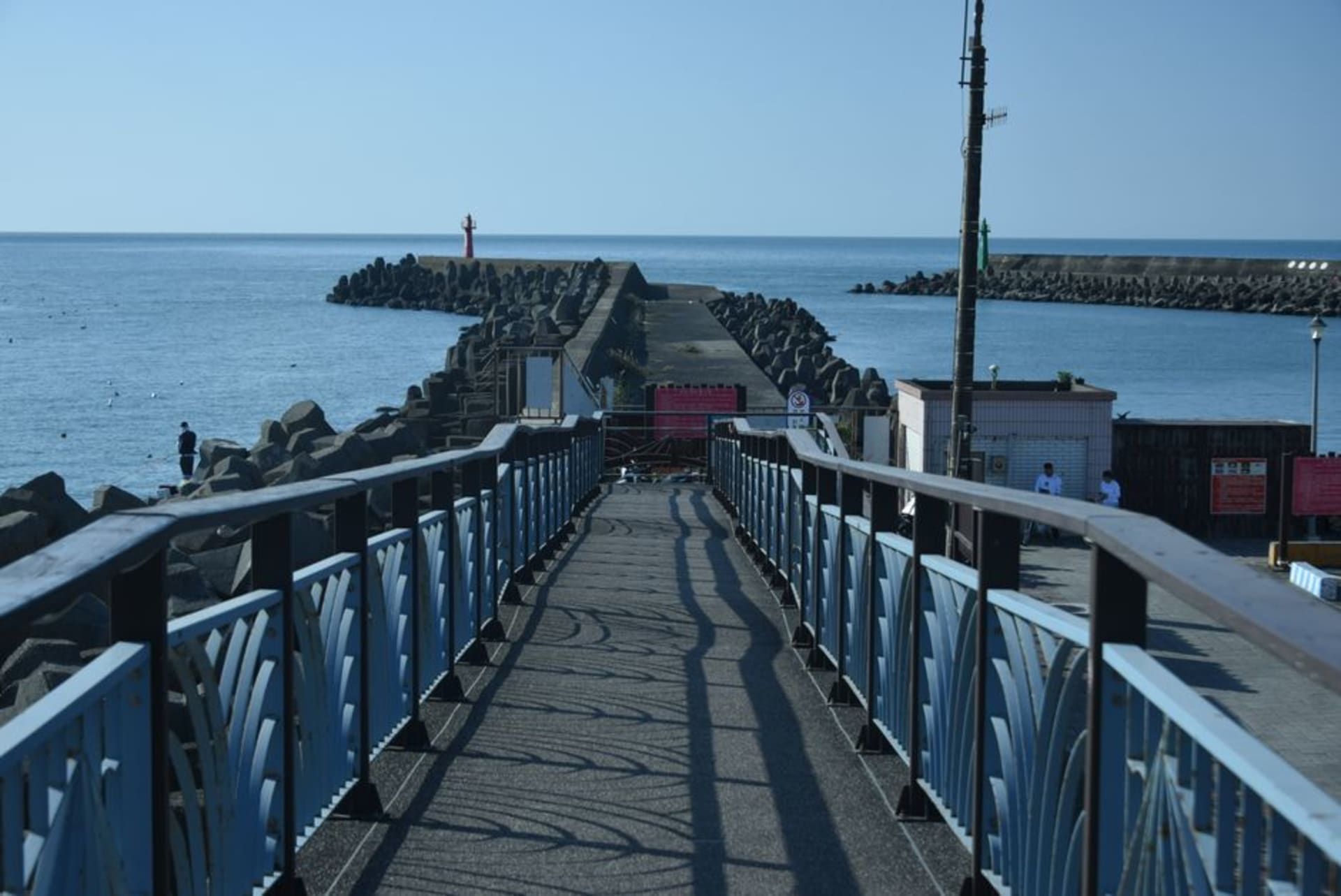
Niihama
"Lia ran her hand along a rusted rail line and said it felt like touching the actual bones of the city."
An industrial Ehime city built on the fortune of the Besshi copper mine, struck in the 17th century and worked continuously for centuries until it closed in the 1970s. The mountainside ruins, rail lines, and cable-car remains are still there to walk through today, a rare close look at the mine behind the Sumitomo empire.

Niihama isn’t a city either of us had planned to visit until a chance conversation with a Matsuyama guesthouse owner, who mentioned almost offhand that an entire mountainside above the city was once one of the world’s biggest copper mines. That kind of detail is impossible for Lia to hear and then ignore, so we rerouted our week to spend a day there. The Besshi copper deposits were struck in the 17th century, and what followed was centuries of continuous mining that turned a small fishing settlement into a serious industrial city and, in the process, built much of the fortune behind the Sumitomo zaibatsu. Walking into Niihama, you can still feel that industrial backbone in the wide streets and the mountains looming close behind the rooftops.
Ruins climbing the mountain
The old Besshi mine complex spreads up the slopes above the city in a series of stone foundations, rusted machinery, and abandoned rail lines that the forest has spent decades slowly reclaiming. We hiked a section of the old mining trail, passing crumbling brick walls that once supported ore-processing buildings, an old smelter foundation now half swallowed by ferns, and stretches of narrow-gauge track running off into undergrowth. Lia crouched by one rusted section of rail for a long time, running her fingers along the metal, clearly struck by how physical and ordinary the remains felt compared to the scale of what they represented — centuries of ore hauled down this exact route by generations of miners.

The cable car that carried a mountain’s worth of copper
Further up, the remains of an old aerial ropeway system still cling to the hillside, towers and cable anchors that once hauled ore and workers between mine levels strung across the mountainside like a skeleton. A small museum at the base displays photographs of the mine at its peak, workers in old gear posing in front of machinery, alongside samples of the raw copper ore itself, heavier and duller than I’d expected. Standing at the base of one of the old ropeway towers, rusted and enormous against the sky, it was hard not to imagine the mountain as it must have looked a century ago — smoke, noise, and thousands of workers moving copper down toward the sea, one bucket load at a time.

A city still shaped by the mine that made it
Back down in Niihama itself, the mine’s legacy is written into the city in quieter ways — a museum dedicated to the Sumitomo group’s origins, wide industrial-era streets, and a working port still handling cargo that owes its existence to the trade routes copper first opened up. We ate dinner at a small izakaya near the station where the owner, on hearing we’d spent the day up at the old mine, brought out an old family photograph of a relative who’d worked there decades earlier. It was a small, unplanned moment, but it tied the whole day together in a way no museum placard could have managed on its own.

Getting There
Niihama sits on the JR Yosan Line, roughly midway between Matsuyama and Takamatsu, with regular limited express service to Niihama Station from either direction. The mine ruins and museum sites are scattered up the mountainside above the city, so a car or taxi makes reaching the trailheads considerably easier than relying on the limited local bus service. Give yourself most of a day if you want to properly hike sections of the old mining trail, and wear real shoes — the paths are uneven, shaded, and easy to underestimate.
Keep exploring
More of Shikoku
Keep exploring
More from Shikoku
 japan
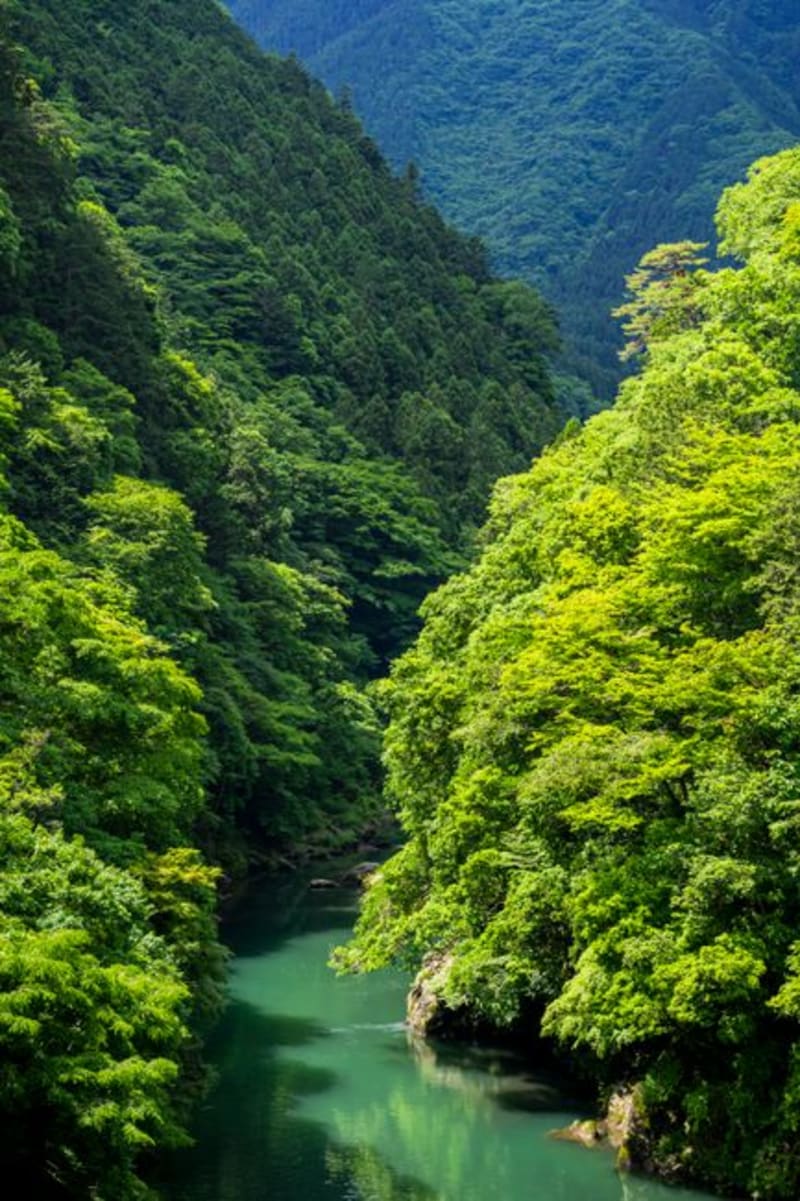
japan Niyodo River
A Kochi river whose water goes past clear into something almost unreal — a pale, luminous turquoise the locals call 'Niyodo blue'. It pools under mossed boulders, spills over low falls, and rewards anyone willing to drive its long green valley.
Explore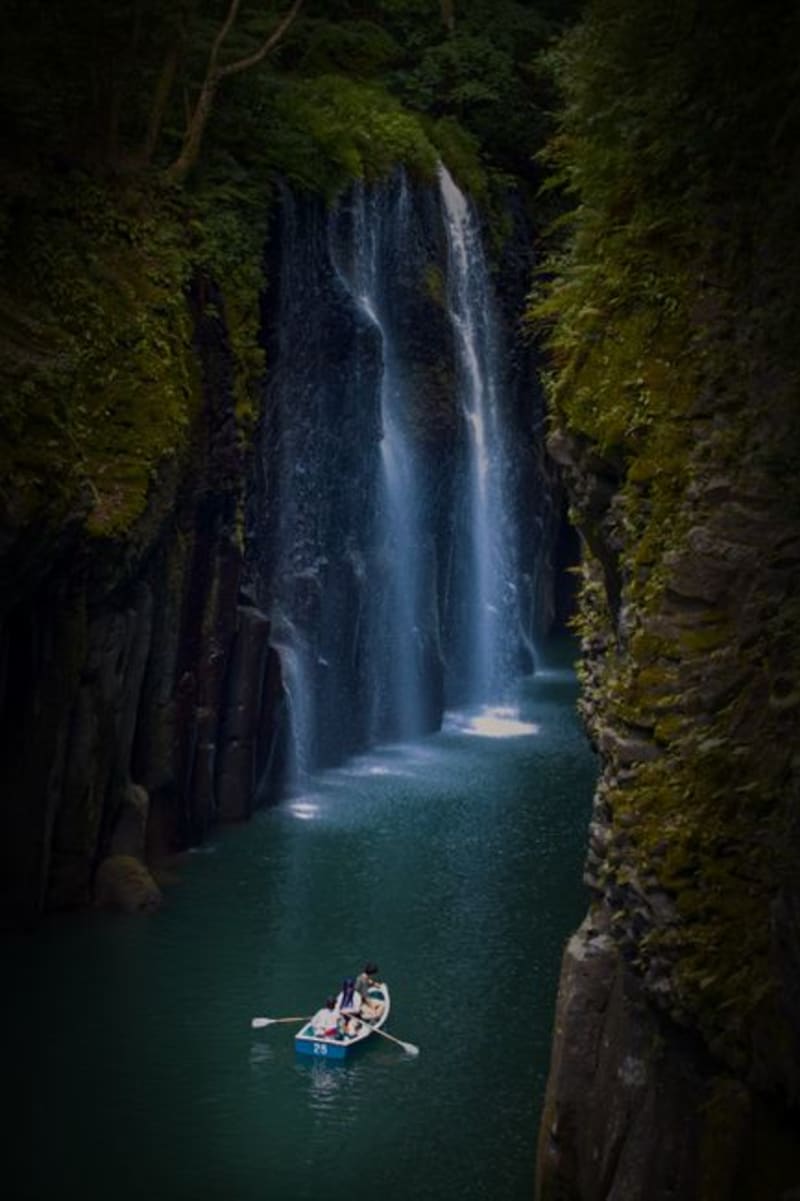 japan
japan Ōboke
A gorge cut deep into the Tokushima mountains, where the Yoshino river turns jade and white between walls of folded rock. Pleasure boats drift and rafts crash through the rapids, and just beyond lies the hidden Iya Valley.
Explore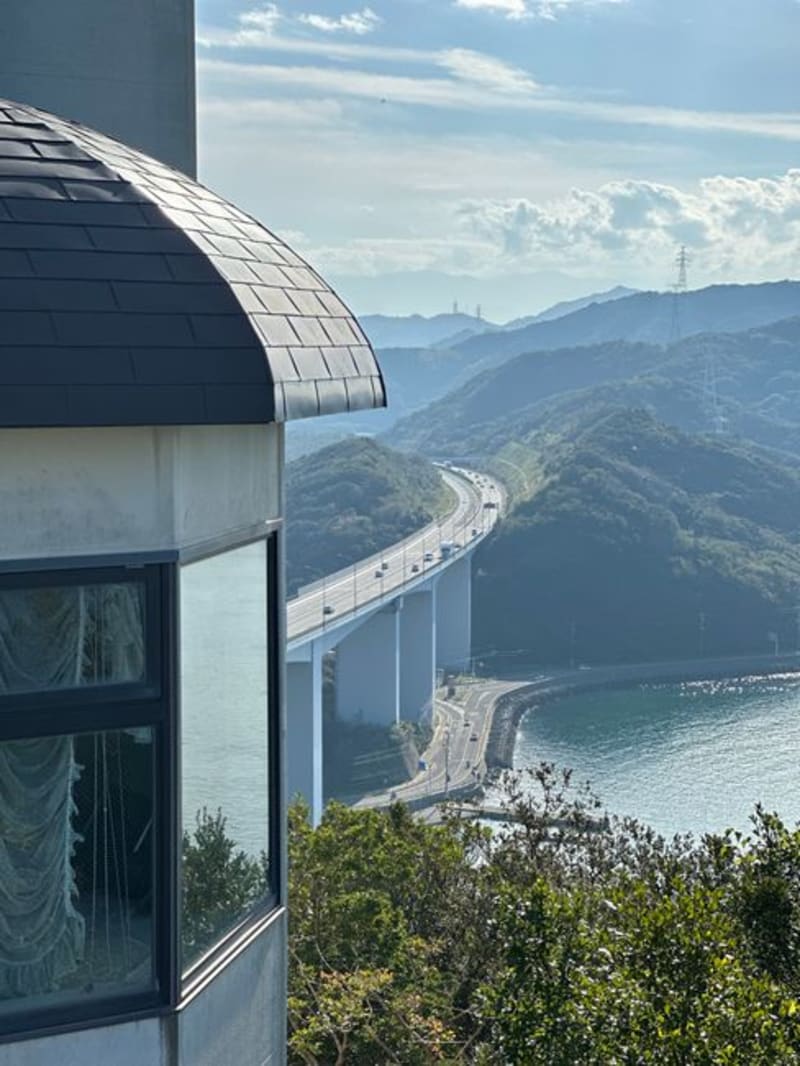 japan
japan Ogijima
A small island forty minutes by ferry from Takamatsu, home to a little over a hundred people, a granite Meiji-era lighthouse, and a concentrated population of cats around a handful of alley corners. Its sloped, maze-like village has been dotted with permanent art since the early 2010s, when it joined the Setouchi Triennale.
Explore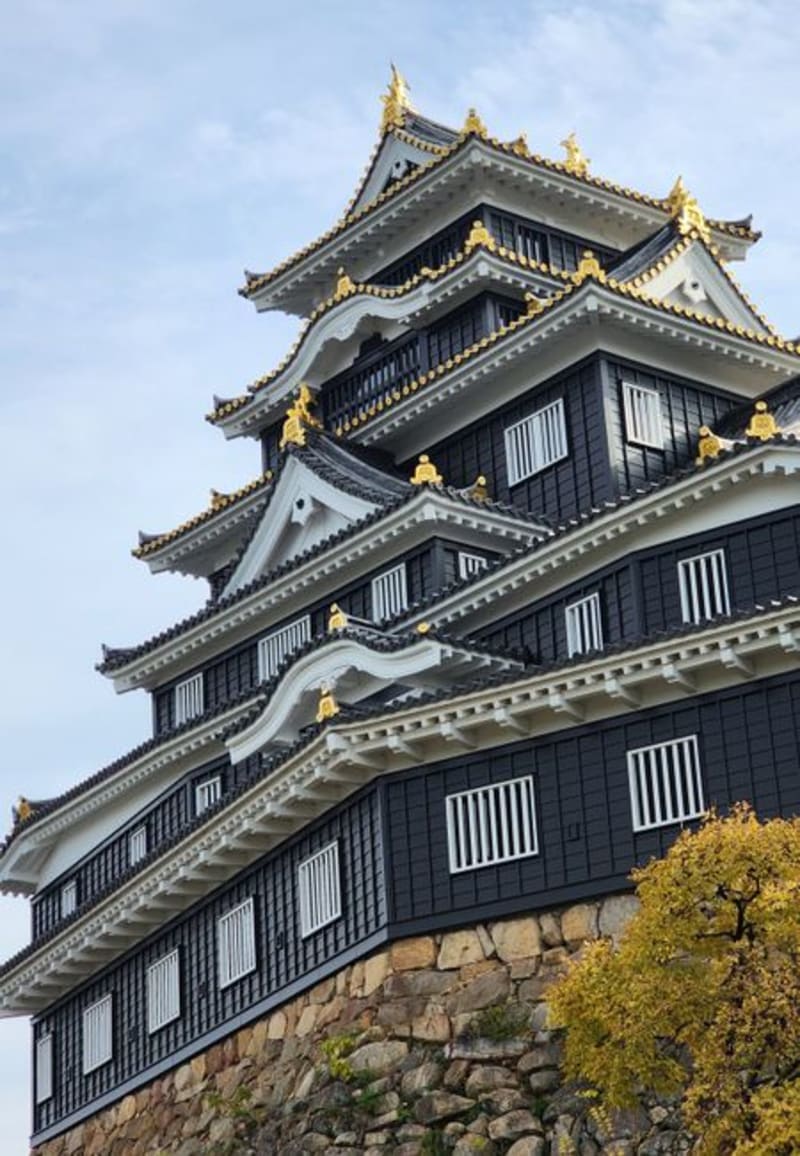 japan
japan Ōzu
An Ehime castle town on the Hiji river, sometimes called a little Kyoto for its old streets and riverside calm. A faithfully rebuilt wooden keep, a hillside villa looking out over the water, and cormorant fishermen working the summer nights. Riverine, unhurried, and easy to love.
Explore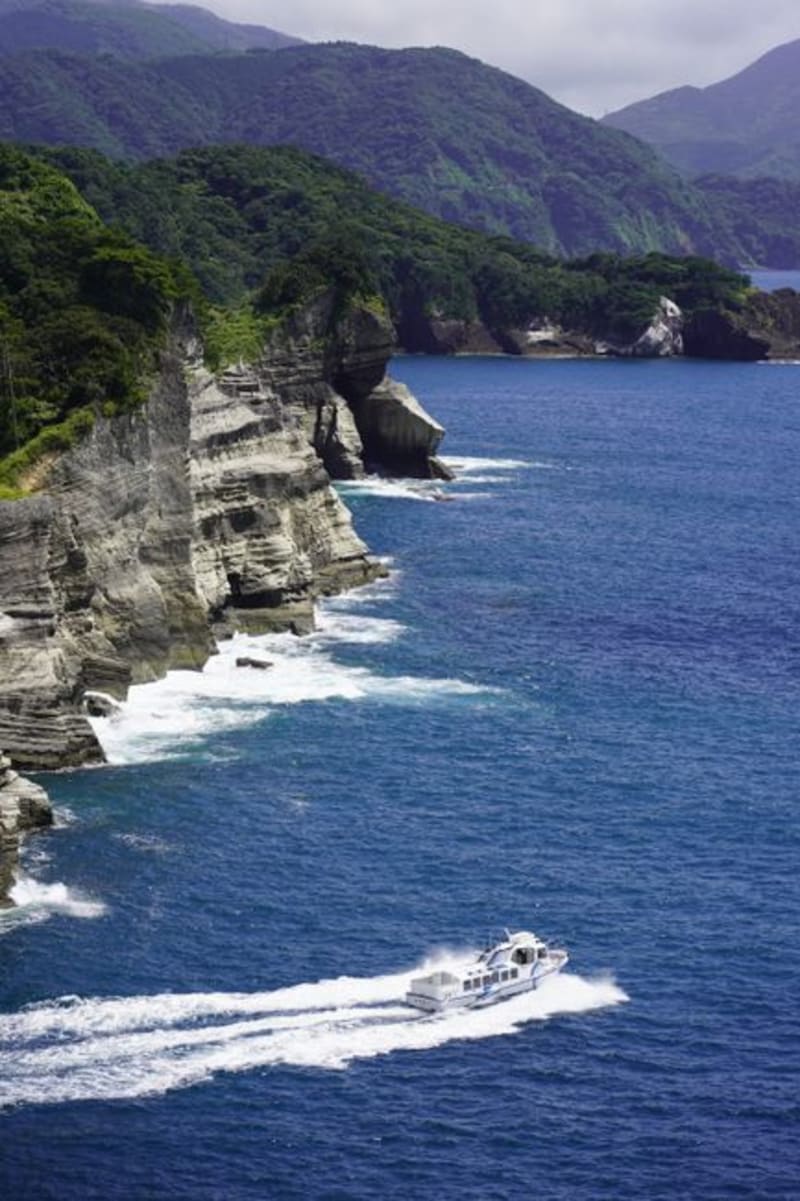 japan
japan Sadamisaki Peninsula
One of the narrowest peninsulas of its length in all of Japan, a long blade of land jutting west from Ehime so slender that a single ridge road offers views of both the Seto Inland Sea and the Uwa Sea at once. It ends, after miles of cherry trees and fishing coves, at Shikoku's westernmost lighthouse.
Explore japan
japan Saijo
A quiet Ehime city that drinks straight from the mountain, where artesian springs bubble up in doorways and rice paddies alike beneath Ishizuchi, the highest peak in western Japan. It is a place of clear water, sacred stone, and autumn festival drums.
Explore