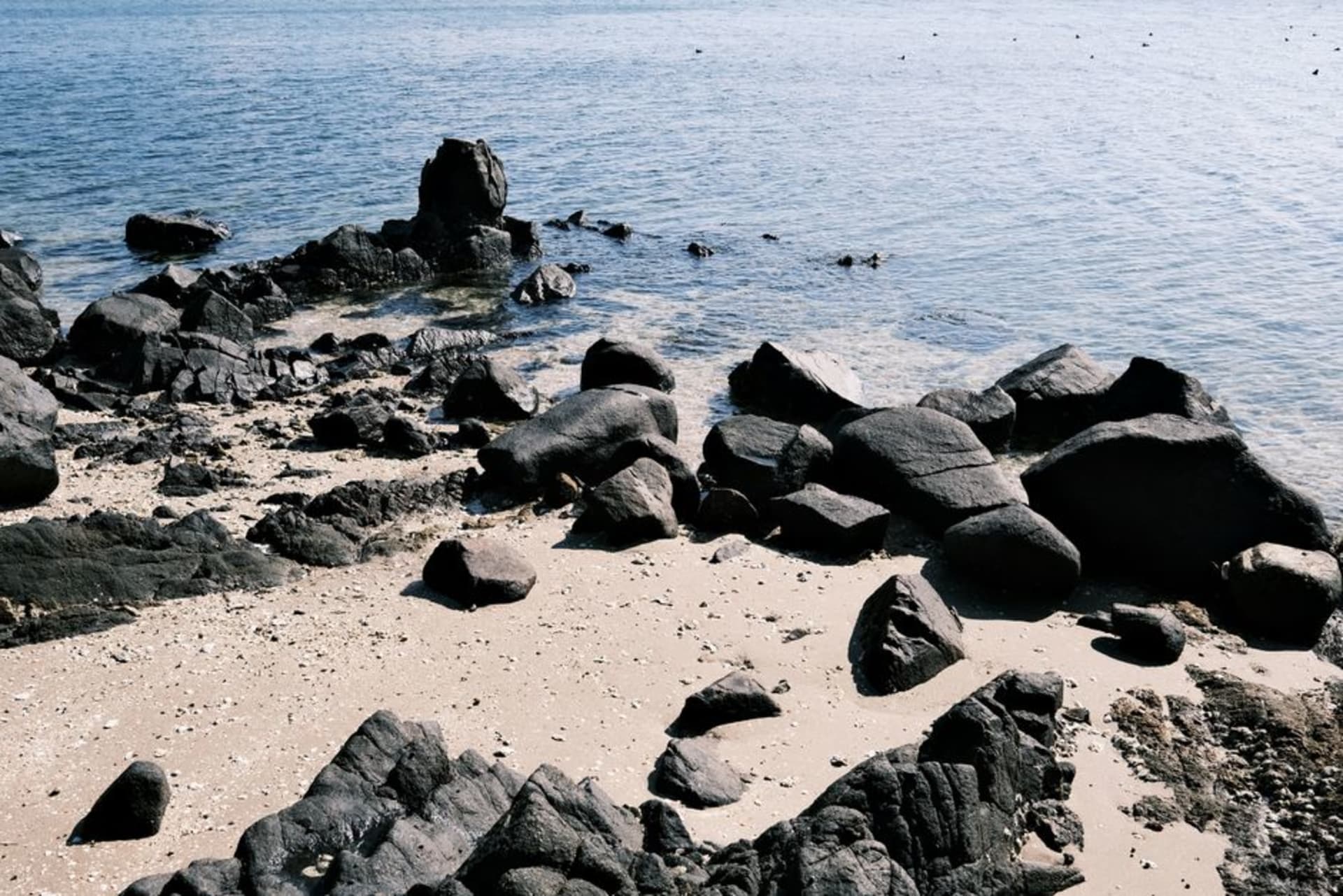
A small island forty minutes by ferry from Takamatsu, home to a little over a hundred people, a granite Meiji-era lighthouse, and a concentrated population of cats around a handful of alley corners. Its sloped, maze-like village has been dotted with permanent art since the early 2010s, when it joined the Setouchi Triennale.

We took the ferry out to Ogijima on a whim after a longer day on Naoshima, mostly because Lia had read that the village there climbs the hillside in a genuine maze of alleys too steep and narrow for cars, and she wanted to see a place built entirely around the logic of walking. Forty minutes out from Takamatsu, the island appeared as a green hump rising sharply from the Seto Inland Sea, its houses stacked in tight, improbable rows straight up from the small harbor. A little over a hundred people live here now, a fraction of what the island once held, and as we stepped off the boat into the quiet of early afternoon, it felt less like arriving somewhere and more like slipping into a smaller, slower version of time.
Alleys that refuse to go straight
Ogijima’s village is unlike anywhere else we’d walked in the Seto Inland Sea — a dense knot of stone stairways and covered alleys climbing the hillside at angles that seem designed to disorient rather than direct. There are no cars because there’s simply no room for them, and the paths twist so tightly between houses that we lost our sense of direction within ten minutes and stopped minding almost immediately after. Lia kept ducking through covered passages just to see where they came out, delighted every time it wasn’t where she expected. Cats seemed to know the layout far better than we did, appearing and vanishing around corners like they were managing the whole village from just out of sight.

Art tucked into everyday corners
Since the early 2010s, Ogijima has been a regular stop on the Setouchi Triennale, and unlike some triennale islands where the art disappears when the festival ends, a fair amount here is permanent, worked directly into the fabric of the village. We found installations inside what looked like an ordinary house, a library-slash-community-space built by artists in collaboration with residents, and small sculptural pieces tucked into alley corners that we nearly walked past without noticing. None of it felt imposed on the island. It felt more like the village had simply absorbed a few decades of artists’ attention the way it absorbs everything else, quietly and on its own terms.

The lighthouse and the long view
At the island’s northern tip stands a handsome granite lighthouse from the Meiji era, one of the older Western-style lighthouses in the Seto Inland Sea, and the walk out to it along the coast gave us the first open horizon we’d had all day after the tight alleys of the village. We sat on the rocks below it for a while, watching small cargo ships thread between the islands scattered across the water, and Lia pointed out that we could just make out Naoshima’s silhouette in the distance, the museum island we’d left that morning suddenly looking impossibly far away. It felt like the right place to end the visit — quiet, elevated, looking back at where we’d been.

Getting There
Ferries to Ogijima run several times a day from Takamatsu port, a crossing of around forty minutes, often stopping at neighboring Megijima along the way depending on the schedule. There’s no need for a car — the village is built for walking and nothing else — so pack light shoes for the stairs and check the return ferry times before you set off exploring, since the island’s schedule can thin out later in the day. A half day is enough to wander the village and reach the lighthouse, though it’s easy to lose an extra hour simply getting pleasantly lost in the alleys.
Keep exploring
More of Shikoku
Keep exploring
More from Shikoku
 japan
japan Ōzu
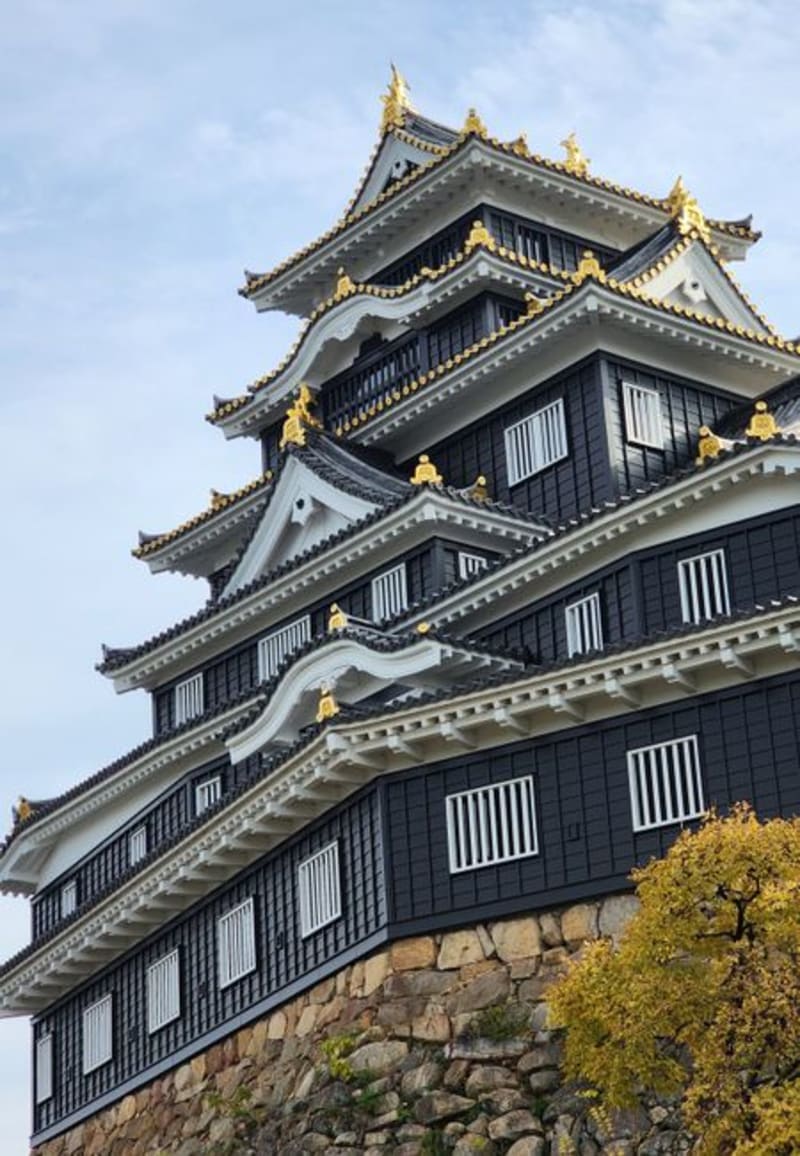
An Ehime castle town on the Hiji river, sometimes called a little Kyoto for its old streets and riverside calm. A faithfully rebuilt wooden keep, a hillside villa looking out over the water, and cormorant fishermen working the summer nights. Riverine, unhurried, and easy to love.
Explore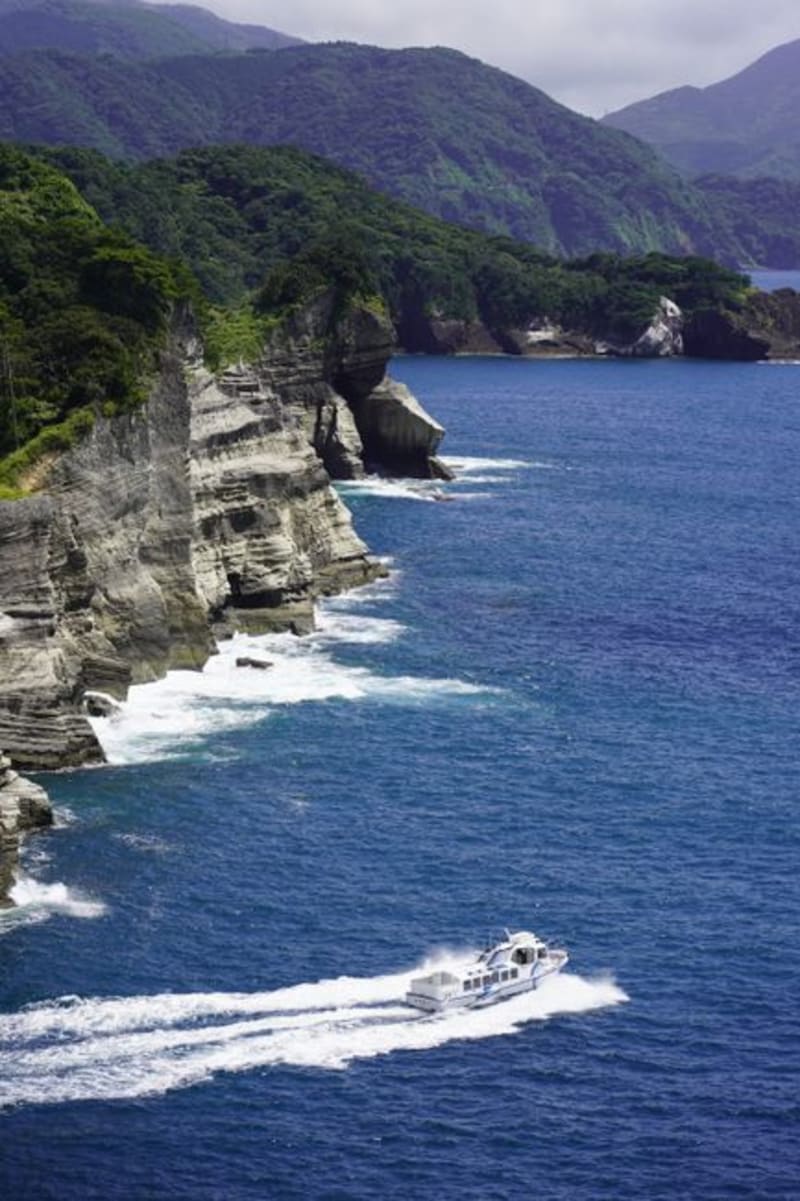 japan
japan Sadamisaki Peninsula
One of the narrowest peninsulas of its length in all of Japan, a long blade of land jutting west from Ehime so slender that a single ridge road offers views of both the Seto Inland Sea and the Uwa Sea at once. It ends, after miles of cherry trees and fishing coves, at Shikoku's westernmost lighthouse.
Explore japan
japan Saijo
A quiet Ehime city that drinks straight from the mountain, where artesian springs bubble up in doorways and rice paddies alike beneath Ishizuchi, the highest peak in western Japan. It is a place of clear water, sacred stone, and autumn festival drums.
Explore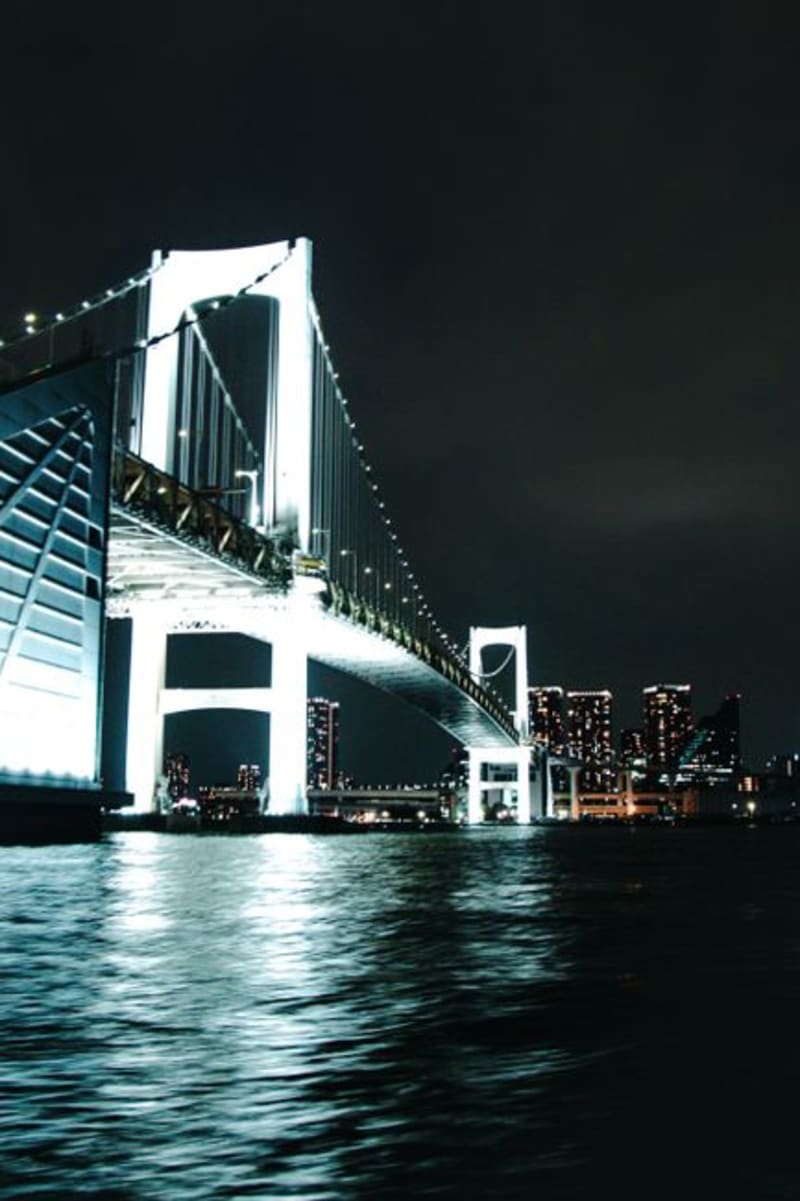 japan
japan Shimanto
A green fold of rural Kōchi wrapped around the Shimanto, often called the last clear river in Japan. Here bridges duck under the floods instead of fighting them, and the days move at the pace of slow water.
Explore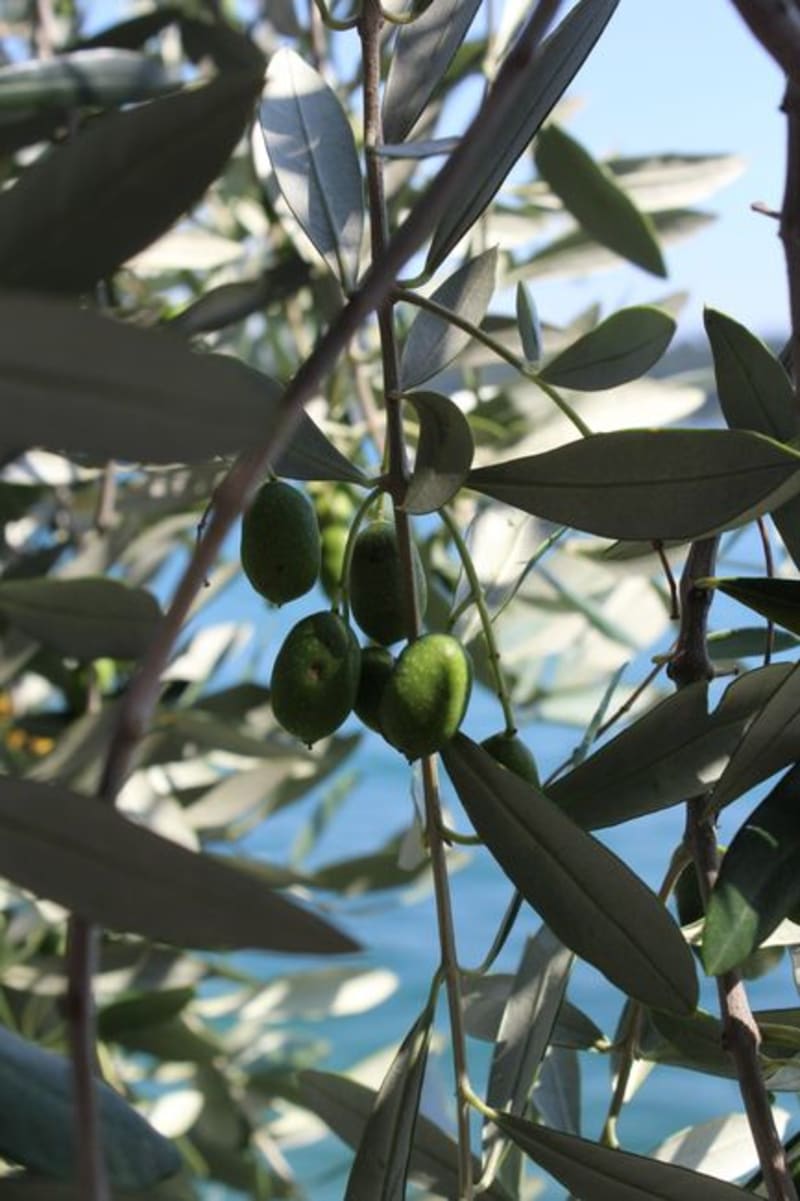 japan
japan Shōdoshima
An Inland Sea island that smells of olives and the sea, where a Mediterranean daydream sits beside a raw stone gorge and soy-sauce breweries fill the air with dark, sweet steam. Shōdoshima was our slow goodbye to the Setouchi.
Explore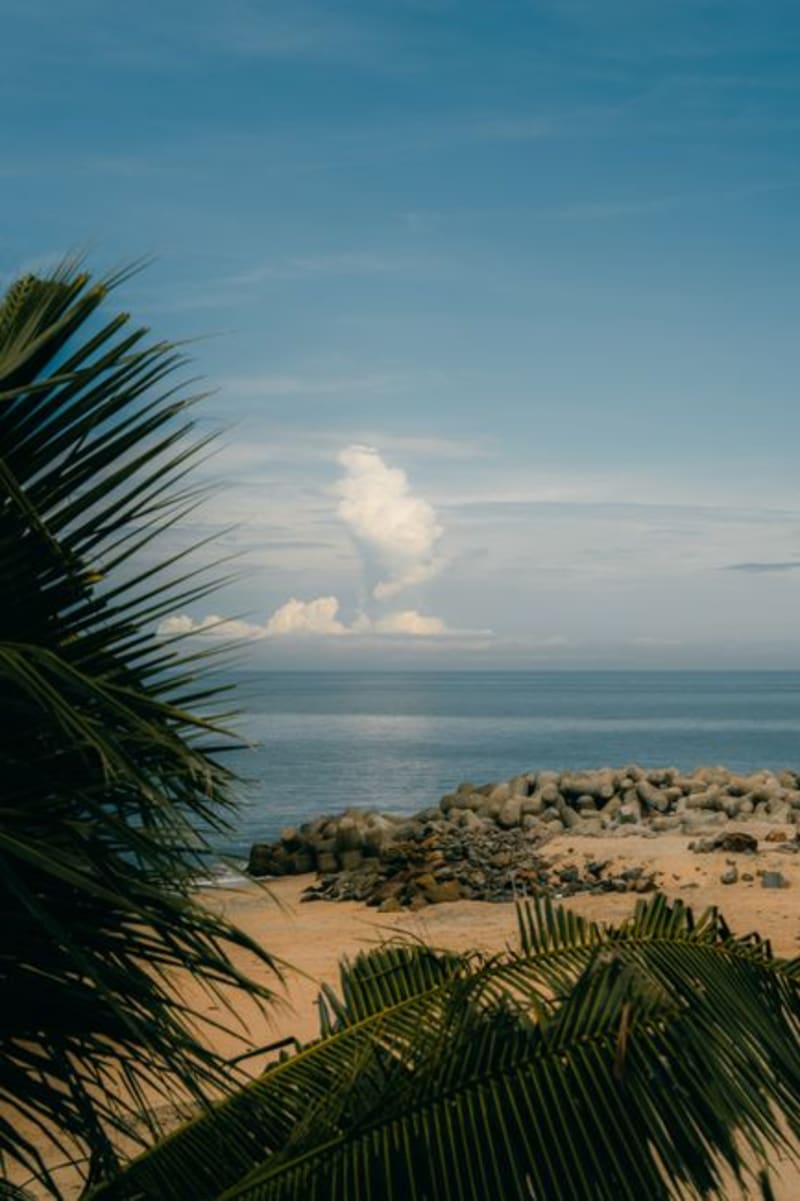 japan
japan Sukumo
A quiet bay town in the far southwestern corner of Kochi, where the days end in sunsets so famous they've been given a name. There is little to 'do' here, which is precisely the point — Sukumo is a place to slow down and watch the light leave the water.
Explore