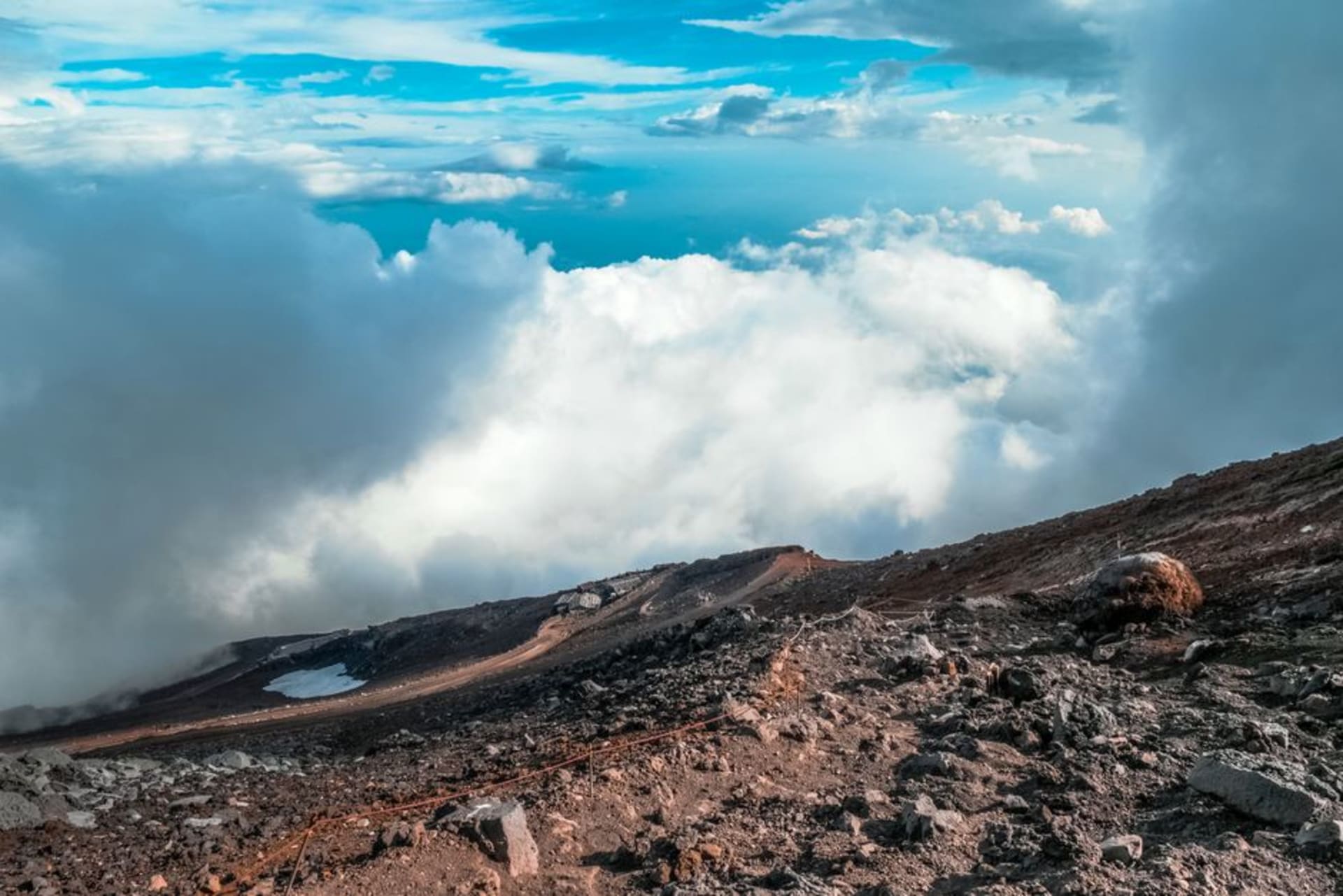
Mount Ishizuchi
"Lia took the chains. I took the stairs. We still argue about who actually won that morning."
The highest peak in all of western Japan and a Shugendo ascetic training ground for over a millennium, proven by sets of iron chains bolted straight up the near-vertical rock faces below its summit. Climbers can take the chains for the old-school ordeal or the wooden stairs bolted alongside for a gentler ascent.

Mount Ishizuchi had been sitting in the back of Lia’s hiking notebook for months before we finally drove down from Matsuyama to climb it, mostly because she’d read about pilgrims hauling themselves up sheer rock on iron chains and decided that sounded like a reasonable way to spend a Saturday. It’s the tallest mountain in western Japan, a serrated ridge of rock rising well above the surrounding peaks, and it’s been a training ground for Shugendo ascetics for over a thousand years, monks and mountain pilgrims climbing it as a physical test of devotion rather than a hike. Standing at the base looking up at the first set of chains glinting in the morning sun, I understood immediately that Lia had signed us up for something a little more serious than our usual afternoon walk.
The chains or the stairs
Near the upper reaches of the mountain, the trail splits into an old route and a newer one, and this is where Ishizuchi shows its whole character at once. The old route follows four sets of iron chains bolted directly into the near-vertical rock, a genuinely demanding scramble with your whole body weight hanging off worn metal links that pilgrims have used for generations. Beside each chain section runs a modern wooden staircase, bolted into the same cliff, offering an equally direct but far less nerve-wracking way up. Lia went for the chains without hesitation, disappearing above me hand over hand while I, admittedly, took the stairs and tried not to feel too guilty about it. We met again at the top of the last section, her arms trembling and grinning, me slightly out of breath and no less impressed by her than if I’d climbed it myself.

A shrine at the summit
The summit itself holds a small shrine, part of Ishizuchi Shrine’s network of sites on the mountain, weathered wood and stone that has clearly stood up to decades of wind and snow. We arrived to find a handful of other hikers resting quietly, nobody speaking much above the wind, a mood that felt appropriately reverent given the mountain’s long religious history. Lia bought an omamori charm from the small unattended stall, leaving coins in the honesty box, and we sat for a while on a rock outcrop just below the peak, watching cloud shadows move across ridgelines that seemed to run in every direction at once. It didn’t feel like a summit you conquer so much as one you’re quietly allowed to visit.

The ropeway down and legs that gave out
We’d climbed up on foot from the trailhead, but by the time we reached the ropeway station on the descent, both our legs had entirely given up any pretense of dignity. The cable car glides down through forested slopes toward the valley station, and watching the mountain shrink below us through the window felt like a strange, gentle epilogue to a morning spent white-knuckled on iron chains. Lia fell asleep against the window for the last stretch of the ride, chain-scraped palms still faintly red, and I let her sleep the whole way down, quietly proud of her and glad, honestly, that I’d taken the stairs.

Getting There
Mount Ishizuchi is most commonly approached from Saijo, reachable by JR limited express from Matsuyama in under an hour, with local buses continuing on to the ropeway station or trailhead. The Ishizuchi Ropeway cuts out a significant portion of the ascent, leaving a demanding but shorter hike to the chains and summit from its upper station. A car gives you more flexibility for reaching the trailheads directly, but between train, bus, and ropeway it’s entirely possible to do this as a long day trip without one. Bring proper hiking shoes and gloves if you’re planning to try the chains — the rock is worn smooth in places, and grip matters more than bravado.
Keep exploring
More of Shikoku
Keep exploring
More from Shikoku
 japan
japan Mugi
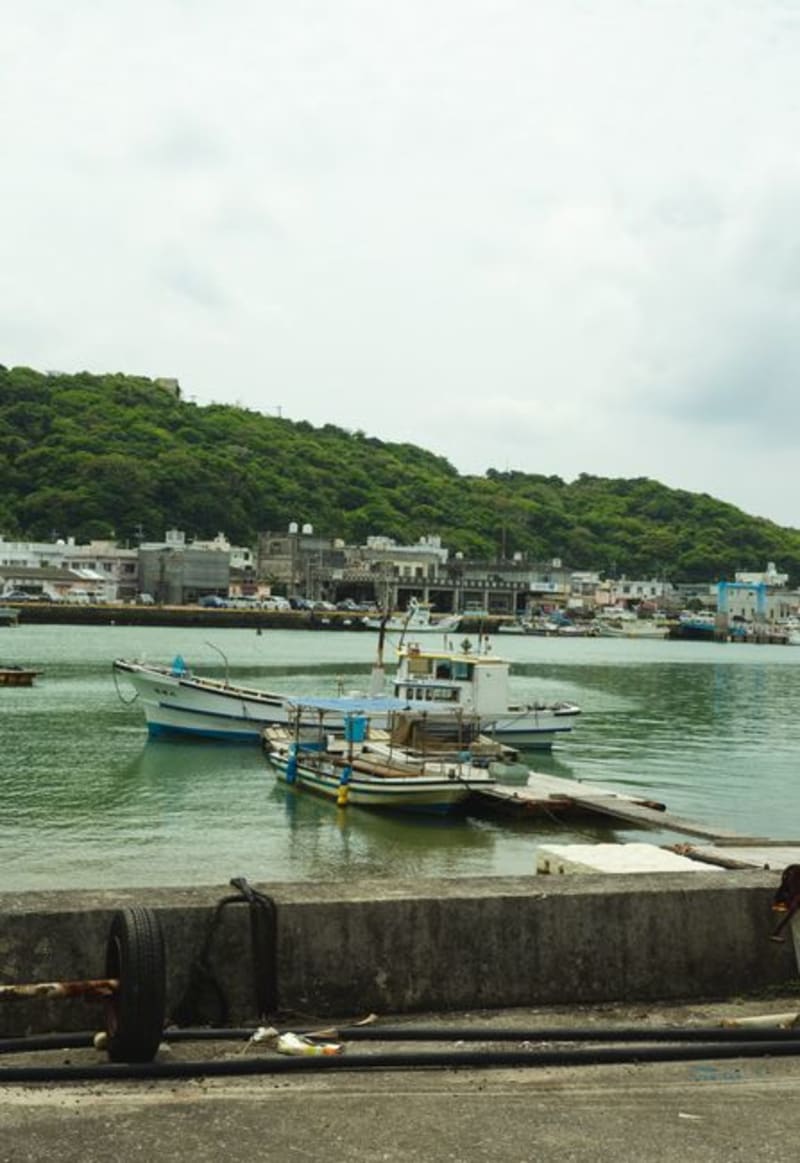
A small Tokushima town on the Pacific edge of Shikoku, where sea turtles come ashore to nest and a white lighthouse keeps watch over water so blue it looks dyed. Mugi is the kind of place you reach at the end of a road and wonder why you ever hurried anywhere.
Explore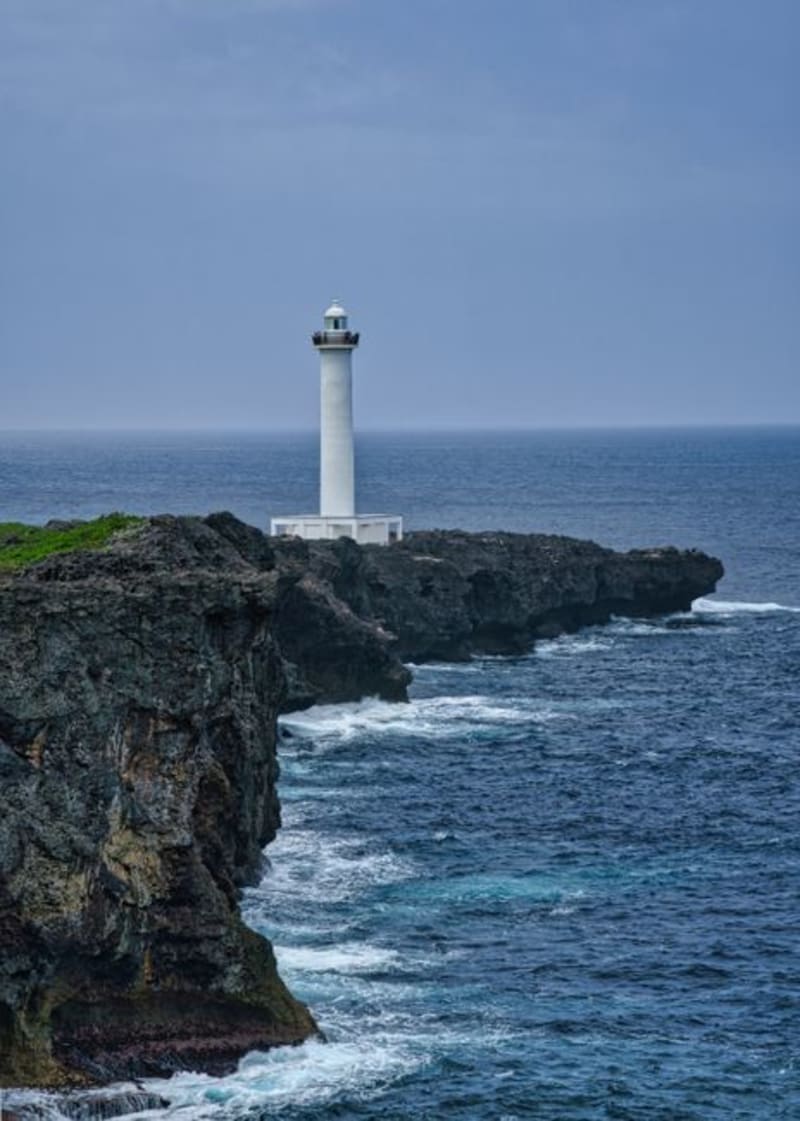 japan
japan Muroto
A cape flung out into the Pacific at the raw edge of Kōchi, where the land is still rising out of the sea. Muroto is uplifted rock, subtropical green, and a lighthouse that has watched the dark water for over a century. We went to feel small, and it obliged.
Explore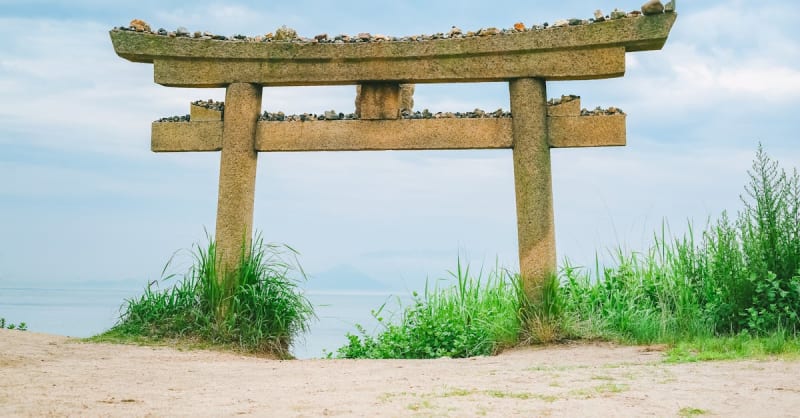 japan
japan Naoshima
A tiny island in the Seto Inland Sea transformed into one of the world's great open-air art museums.
Explore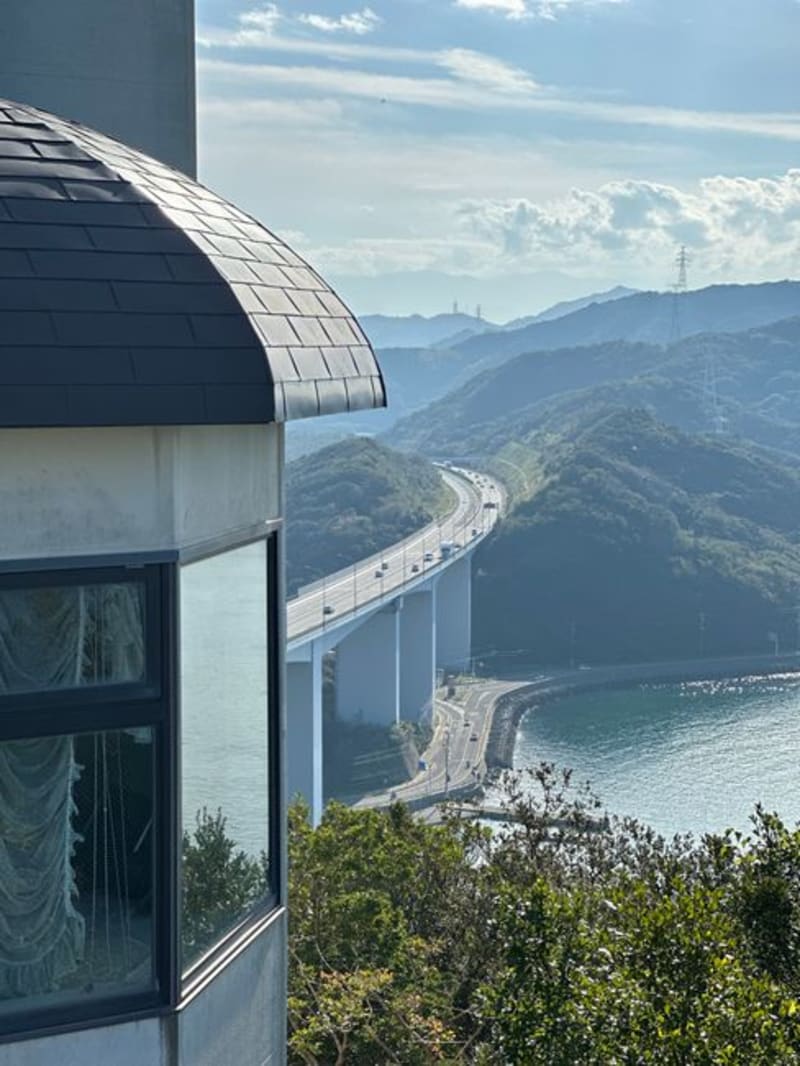 japan
japan Naruto
A ragged corner of Shikoku where the tide itself roars. Naruto is whirlpools, a great white bridge, and the strange calm of a museum that holds the world's masterpieces in ceramic. We came for the water and stayed for the quiet after it.
Explore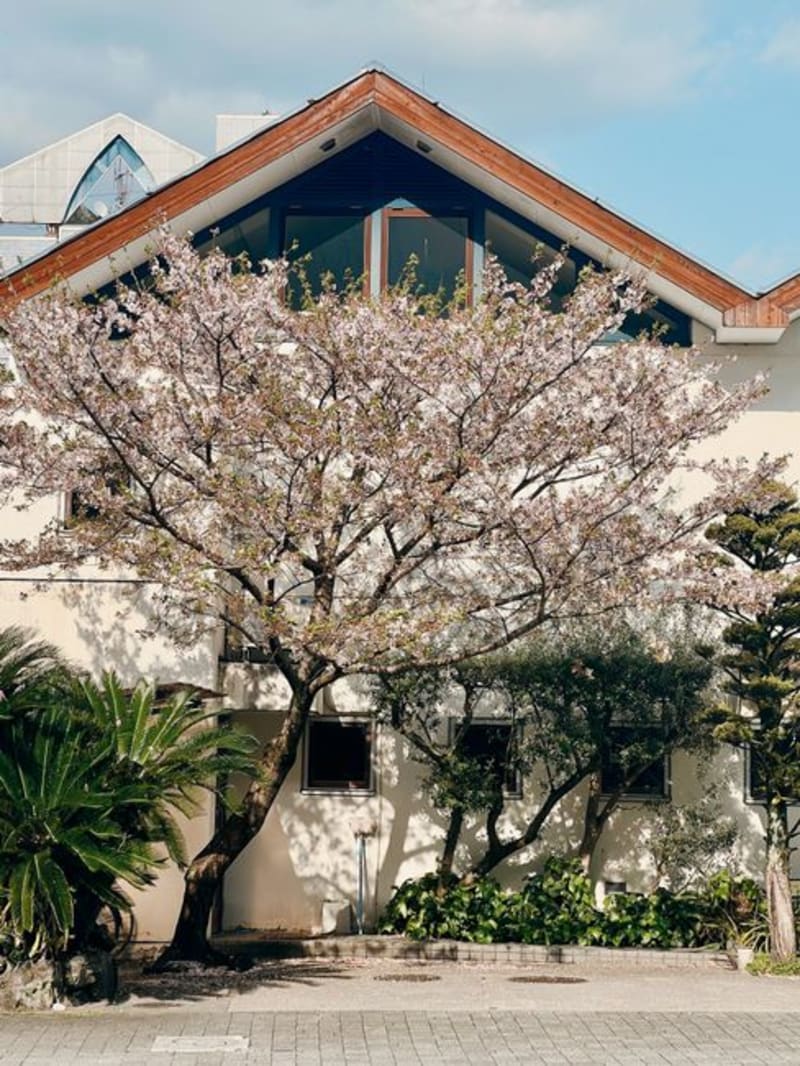 japan
japan Niihama
An industrial Ehime city built on the fortune of the Besshi copper mine, struck in the 17th century and worked continuously for centuries until it closed in the 1970s. The mountainside ruins, rail lines, and cable-car remains are still there to walk through today, a rare close look at the mine behind the Sumitomo empire.
Explore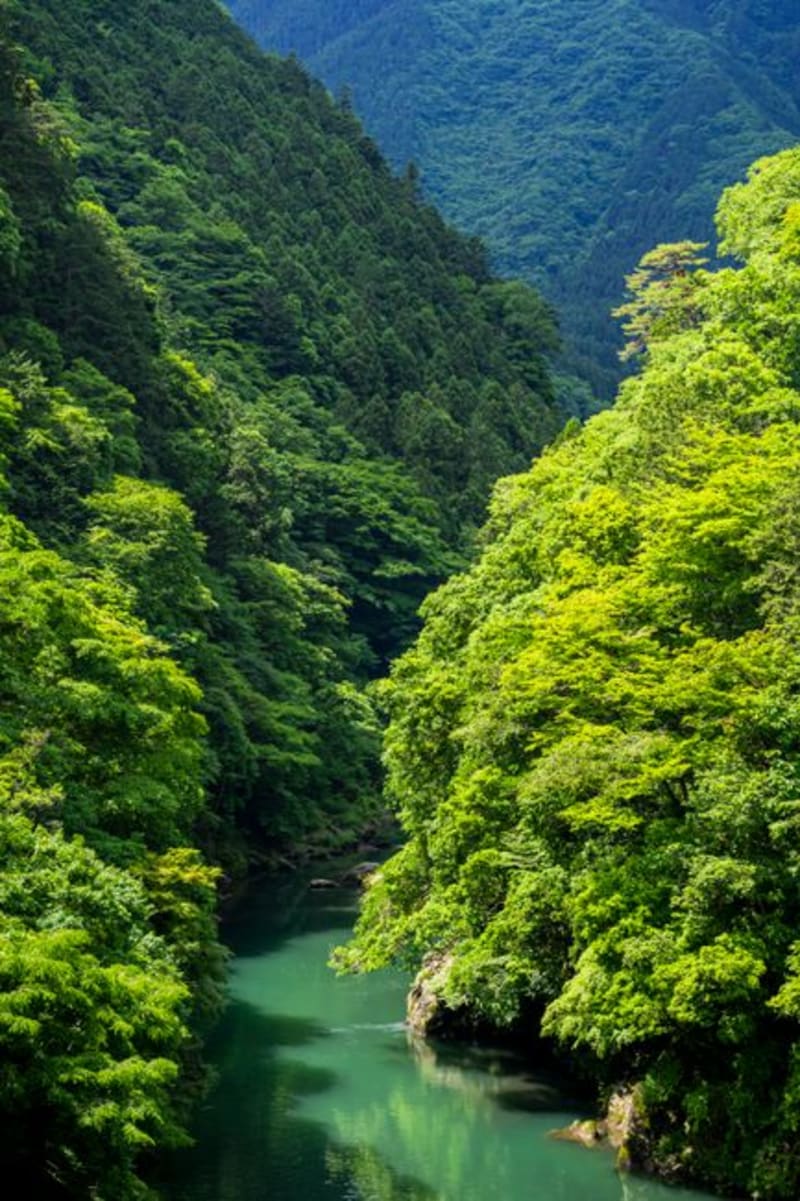 japan
japan Niyodo River
A Kochi river whose water goes past clear into something almost unreal — a pale, luminous turquoise the locals call 'Niyodo blue'. It pools under mossed boulders, spills over low falls, and rewards anyone willing to drive its long green valley.
Explore