A working Pacific port in Kochi still shipping cargo out on routes to Korea and China, giving it a harbor grit that more touristed coastal towns nearby have lost. It's also the birthplace of nabeyaki ramen, a bubbling clay-pot bowl of soy-chicken broth, chikuwa fish cake, and a raw egg cracked in tableside.

Susaki came recommended to us by a Kochi City ramen shop owner who, when Lia asked where the “real” nabeyaki ramen was, looked almost personally offended that we’d consider ordering it anywhere else. So we took the train west along the coast, past increasingly rugged stretches of Pacific shoreline, to a working port town that felt immediately different from the more polished stops we’d made elsewhere in Kochi. Susaki still ships cargo out on real trade routes toward Korea and China, and that working-harbor identity is stamped all over the place — container stacks by the water, fishing boats returning heavy in the afternoon, none of it dressed up for anyone passing through.
A clay pot bubbling at the table
Nabeyaki ramen is Susaki’s signature dish and, we were told more than once, the thing most of Kochi Prefecture will quietly argue is actually the best ramen on the whole island. It arrives still boiling in an individual clay pot, a soy-based chicken broth thick with flavor, thin chewy noodles, slices of chikuwa fish cake, and a raw egg cracked in right at the table that finishes cooking in the residual heat. Lia burned her tongue on the first spoonful, undeterred, and declared within minutes that it was better than anything we’d had in Kochi City. The shop we ate at was small, a handful of stools at a counter, the owner working a row of clay pots on individual burners with the calm choreography of decades of practice.

A harbor that still works for a living
After lunch we walked down toward the port, where the town’s other identity took over completely. Cargo cranes stood against the sky, container stacks waited beside the water, and fishing boats came and went with a purposefulness that felt refreshingly unstaged after some of the more curated harbor towns we’d visited elsewhere on the coast. An older dockworker on a smoke break nodded at us without much curiosity, clearly used to the occasional wandering tourist but not particularly interested in performing for one. Susaki’s port still connects, in some form, to shipping routes reaching Korea and China, a fact that gave the whole waterfront a sense of continuing purpose rather than nostalgia.

Mountains pressing close to the sea
What struck us most walking around Susaki was how tightly the mountains crowd the coastline here, leaving barely a shelf of flat land for the town to sit on between rock and Pacific swell. We climbed a short path up one of the hills ringing the harbor for a better view, and the whole town revealed itself as a narrow ribbon squeezed between green slopes and open water, boats and rooftops packed in wherever the land allowed. Lia said it reminded her of towns we’d seen on France’s rockier Atlantic coast, that same sense of a place built stubbornly into land that didn’t especially want to be built on.

Getting There
Susaki is reached from Kochi City via the Tosa Kuroshio Railway, a ride of around forty minutes, making it a straightforward day trip along the Pacific coast. The port and the main ramen shops cluster within easy walking distance of Susaki Station, so a car isn’t essential, though one gives you more freedom to continue further along the rugged coastline beyond the town. Come hungry, and don’t fill up beforehand — a bowl of nabeyaki ramen is substantial enough to anchor the whole visit.
Keep exploring
More of Shikoku
Keep exploring
More from Shikoku
 japan
japan Takamatsu
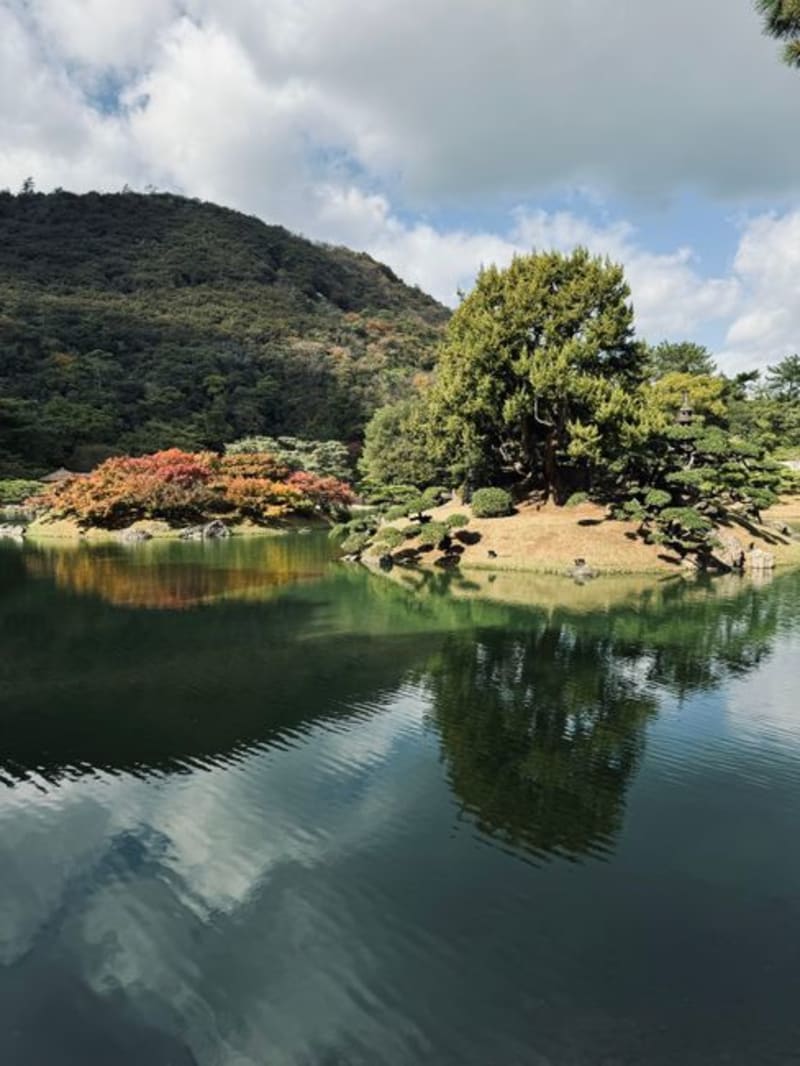
A port city where a feudal garden meets the tide and a castle keeps its feet in seawater. Takamatsu gave Lia and me our first taste of the Inland Sea, and our first bowl of udon that mattered.
Explore japan
japan Teshima
A small Seto Inland Sea island where contemporary art museums blend into rice terraces tended by elderly farmers.
Explore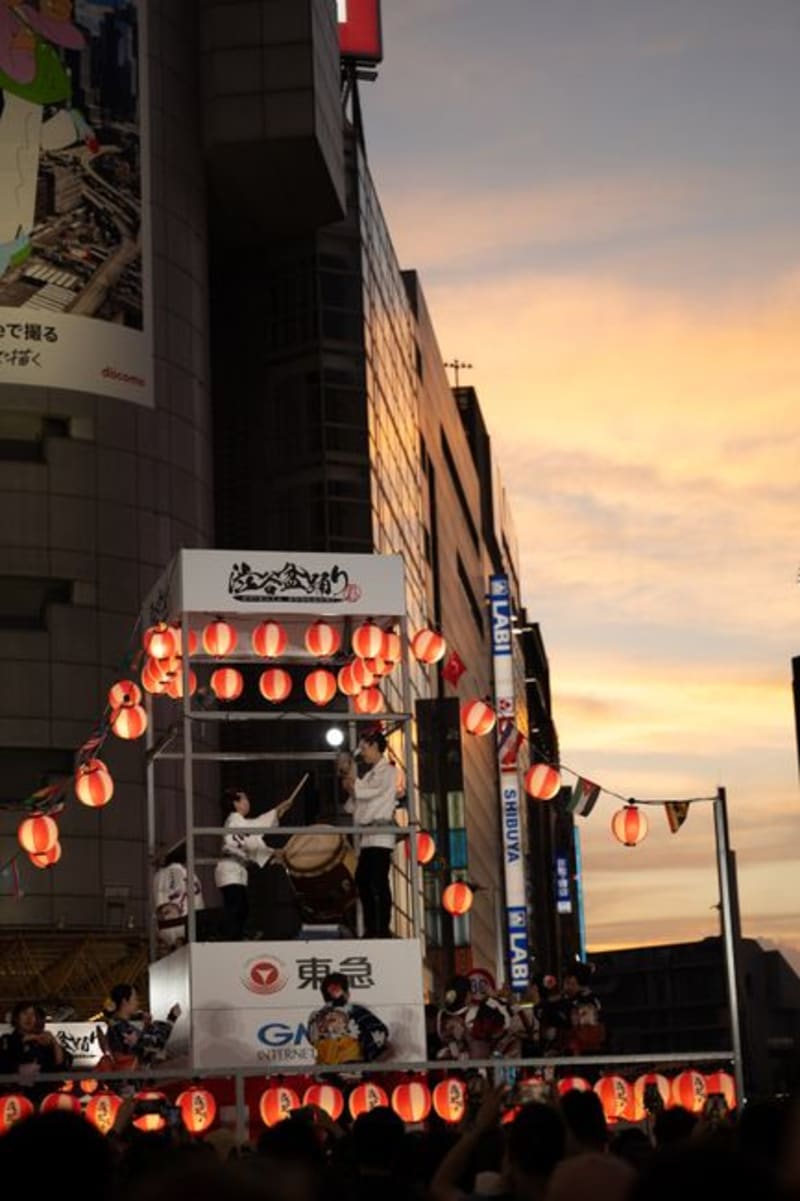 japan
japan Tokushima
A city that spends most of the year quietly and then, for a few August nights, loses its mind to dance. Between the whirlpools of Naruto and the drum of the Awa Odori, Tokushima taught us to stop watching and join in.
Explore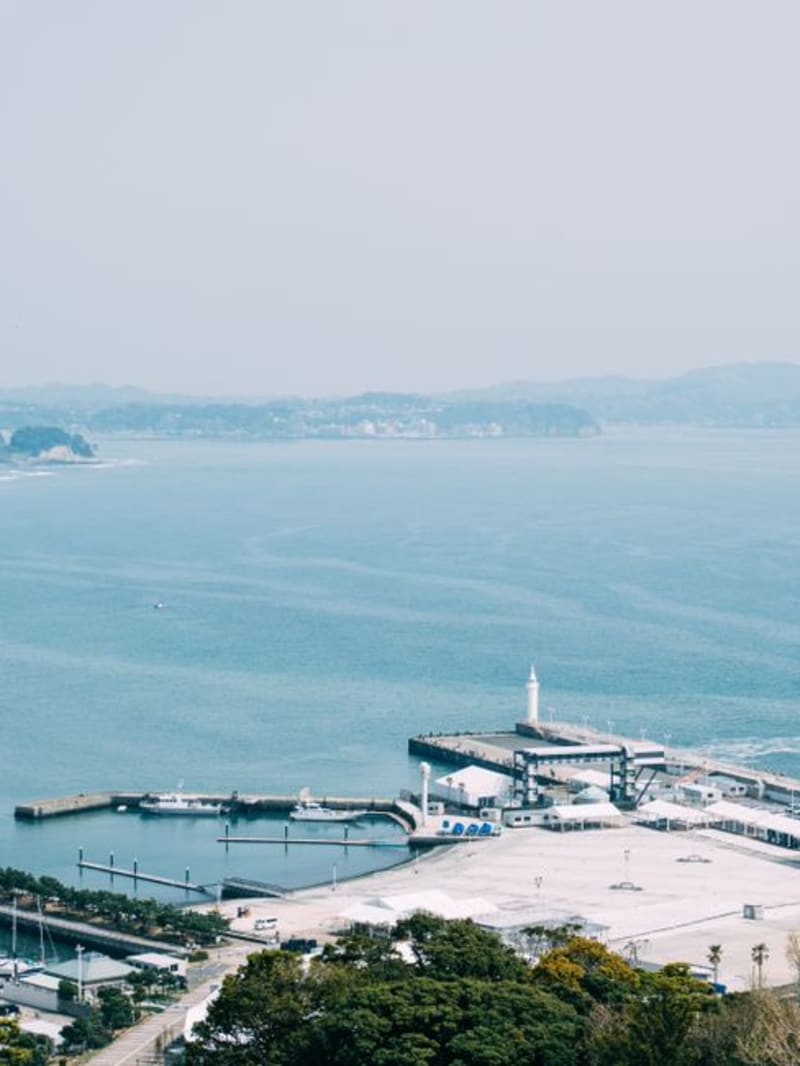 japan
japan Tosa
A Kōchi coast town where the Pacific arrives loud and open, and lunch is a fillet of bonito scorched over rice straw until the skin blisters. Between the whale boats and the paper mills, Tosa keeps a slower, saltier rhythm than the rest of Shikoku.
Explore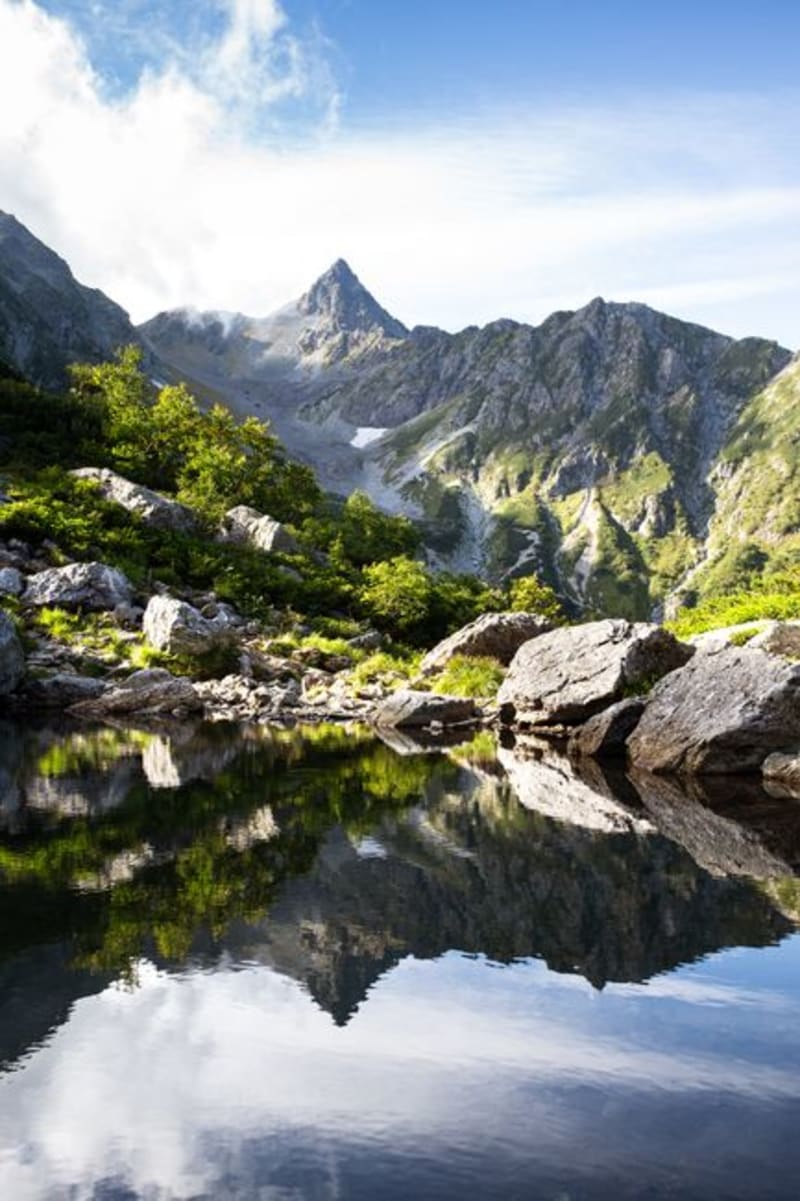 japan
japan Mount Tsurugi
Shikoku's second-highest peak and one of the gentlest sacred summits in Japan — a mountain you can walk up over grassy ridges and boardwalks, with a shrine near the top and views that on a clear day run all the way to the sea.
Explore japan
japan Uchiko
An Ehime town that once grew rich on wax, where a single street of ochre-plastered merchant houses has been kept just as it was. There is a jewel of a Meiji-era kabuki theatre, green hills at every turn, and almost no one else about. Quietly, unshowily elegant.
Explore