Ino
"Lia's first sheet came out lumpy and uneven, and she still framed it when we got home."
A Kochi town that has made Tosa washi paper for over a thousand years, legend crediting a Heian-era governor and poet with encouraging the craft. At the paper museum near the station you can work a vat of pulp yourself, hands in the water beside artisans repeating the same rocking motion their grandparents used.

Ino wasn’t originally on our list, but a shopkeeper in Kochi City selling beautiful, almost translucent stationery told us where it came from, and once Lia heard “over a thousand years of papermaking” she rearranged our morning without asking me. The train out follows the Niyodo River through soft green hills, and Ino itself is unassuming in a way that made the claim feel almost implausible until we actually saw the museum and the workshops along the water. Local legend credits a Heian-era provincial governor, also remembered as a poet, with encouraging paper craft here centuries ago, and whether or not the story is precisely true in every detail, the tradition it describes is very real and still very much alive.
A thousand years in a single sheet
Tosa washi is famous among papermakers worldwide for its strength and translucency, thin enough to nearly see through yet strong enough to survive centuries in temple archives and traditional book bindings. At the paper museum, cases show sheets used for everything from sliding-door screens to the fine paper restorers use for repairing old artworks, a reminder that “paper” covers a much wider range of uses than we tend to give it credit for. Lia read every placard twice, clearly turning over how something this delicate-looking could last a thousand years while cheap modern paper yellows and crumbles within a decade. I found myself thinking about it the same way days later, standing in an entirely unrelated museum somewhere else in Japan.

Making your own sheet, badly and happily
The best part of Ino, hands down, is the hands-on workshop where visitors can try nagashi-zuki, the traditional rocking motion used to spread fibers evenly across a submerged screen. An instructor showed us the movement first, a smooth, almost hypnotic back-and-forth that looked simple and was not, and then left us to our own attempts in vats of pulp beside artisans doing the exact same motion at a completely different level of skill. My sheet came out passable. Lia’s came out thick on one side and nearly transparent on the other, and she loved it anyway, pressing her hand flat against the drying board afterward like she was signing something. We left with our own imperfect paper rolled carefully in a tube for the rest of the trip.

Sheets drying in the sun
Outside, along a stretch of the river, small workshops still dry finished sheets the old way, laid flat on wooden boards angled toward the sun until the water has fully evaporated out. We walked past one such yard where an elderly craftsman was checking sheets one by one, holding each up to the light before deciding it was ready to peel free. The whole process, from soaked fiber to finished sheet, takes patience that felt almost radical to witness in person, an entire afternoon’s labor for something that will end up, most likely, as somebody’s letter or lampshade. Ino makes that patience visible in a way that no museum placard quite manages.

Getting There
Ino is a short JR or tram ride from Kochi City, roughly twenty to thirty minutes depending on the service, making it an easy half-day trip. The paper museum and workshop sit within walking distance of Ino Station, so a car isn’t necessary, though renting one gives you the option to explore smaller riverside workshops further from the center. If you want to try the papermaking yourself, it’s worth checking ahead, since workshop sessions can fill up or run on a limited schedule depending on the season.
Keep exploring
More of Shikoku
Keep exploring
More from Shikoku
 japan
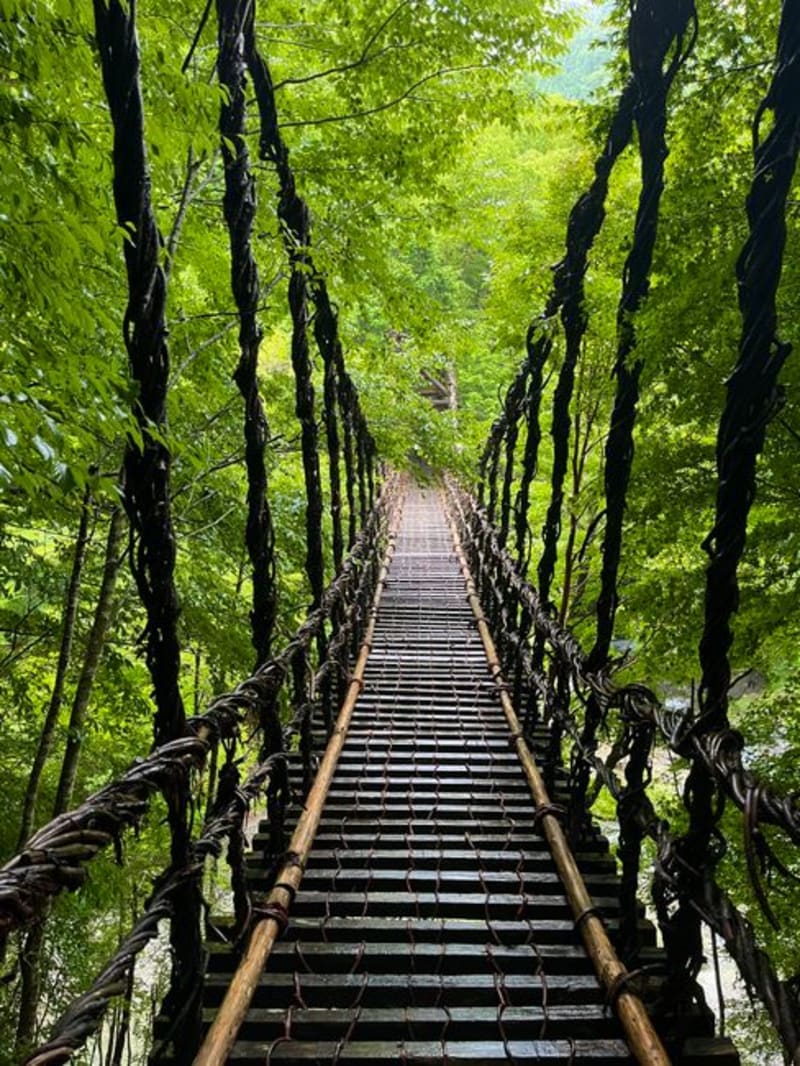
japan Iya Valley
A deep, mist-wrapped gorge in the heart of Shikoku, laced with vine bridges and thatched houses and a strange population of straw scarecrows. Iya is the Japan we thought had disappeared — and hadn't.
Explore japan
japan Kamikatsu
A mountain hamlet in inland Tokushima where every household hand-sorts its trash into dozens of categories at a single drop-off station, because in the early 2000s this became Japan's first town to declare itself zero waste. A quiet, unglamorous lesson in what it actually takes to mean it.
Explore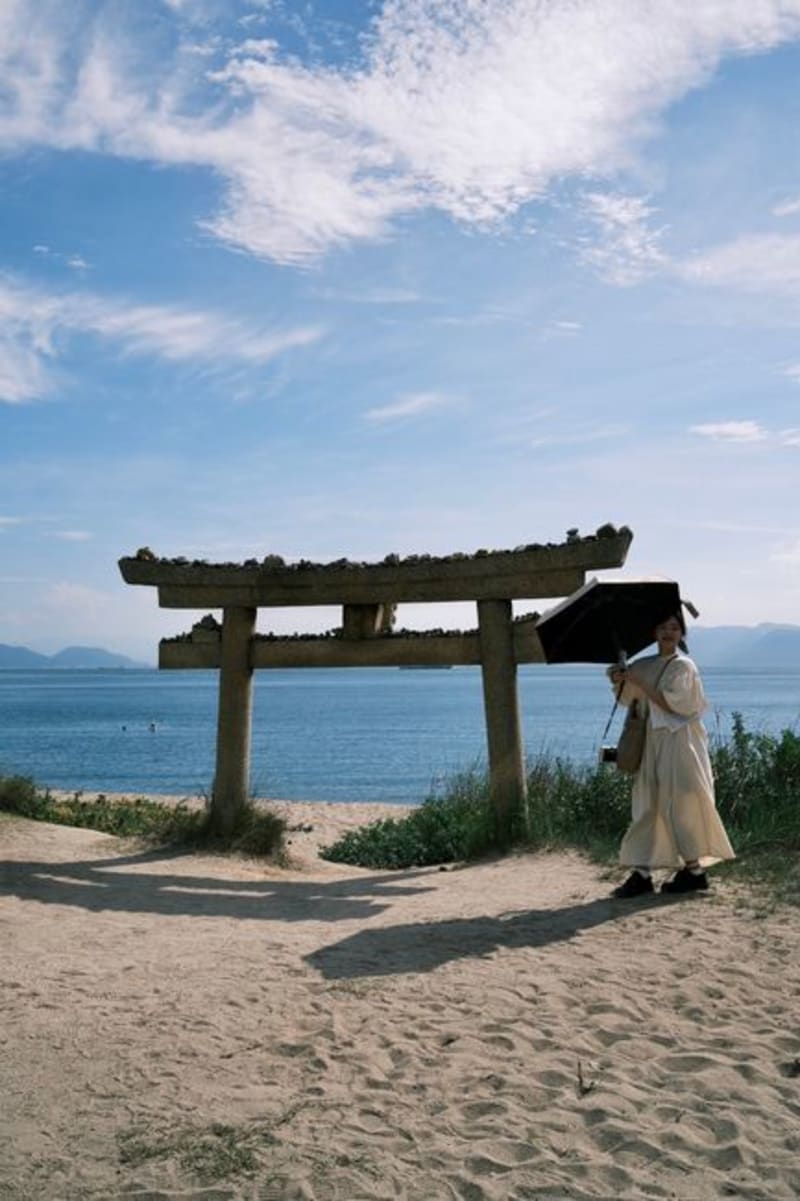 japan
japan Kanonji
A breezy Kagawa town on the Inland Sea where a giant coin lies raked into the beach sand, said to bless whoever looks upon it. Above it a pine-shaded hilltop shrine, and inland a mountaintop temple reached by ropeway over the whole silver sea.
Explore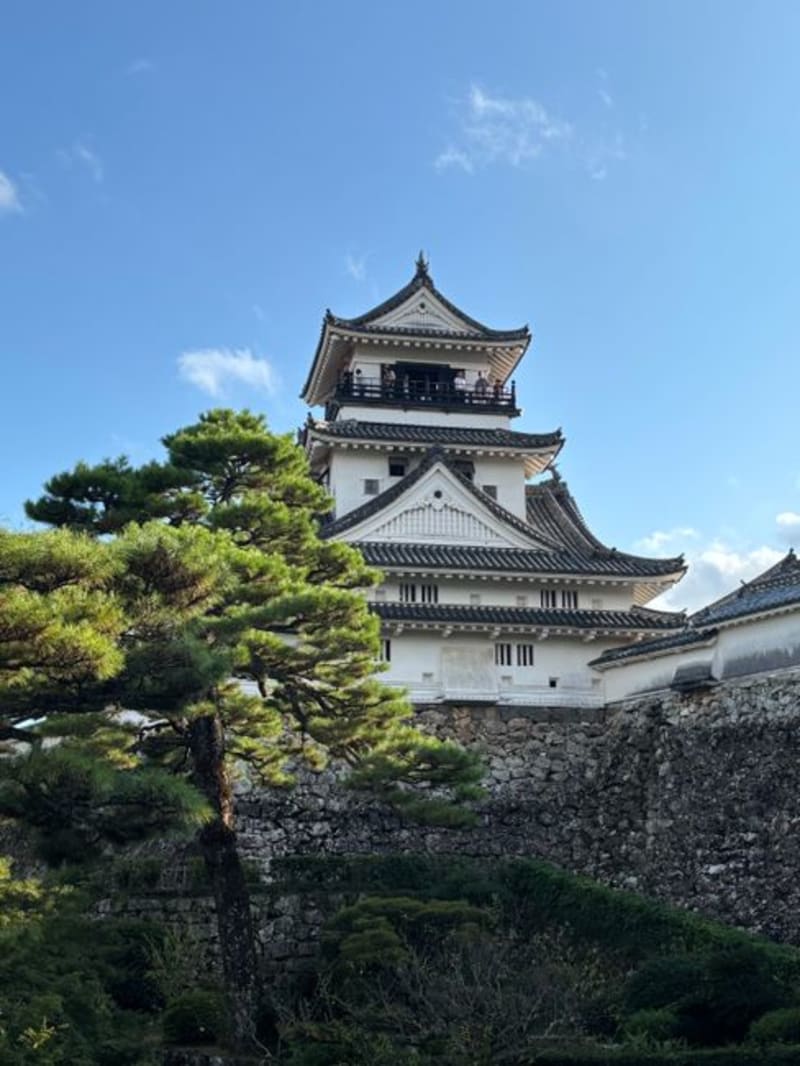 japan
japan Kōchi
South-coast Shikoku, warm and open-hearted, with one of Japan's few surviving original castles and a fish grilled over burning straw. Kōchi felt like the country exhaling — slower, sunnier, and unafraid of a drink.
Explore japan
japan Kotohira
A temple town in Kagawa on the island of Shikoku, built around Konpira-san — a mountainside shrine reached by more than 785 stone steps lined with old shops. It is a pilgrimage and a climb and a bowl of Sanuki udon at the top of it all. Earnest, a little breathless, and richly rewarded by the view.
Explore japan
japan Marugame
A Kagawa castle town whose original Edo-period wooden keep still stands atop what are officially the tallest stone castle walls in all of Japan, a dizzying stack of curved ishigaki you only truly feel by walking the full loop up. It's also a serious rival to Takamatsu for the title of Sanuki udon's true birthplace.
Explore