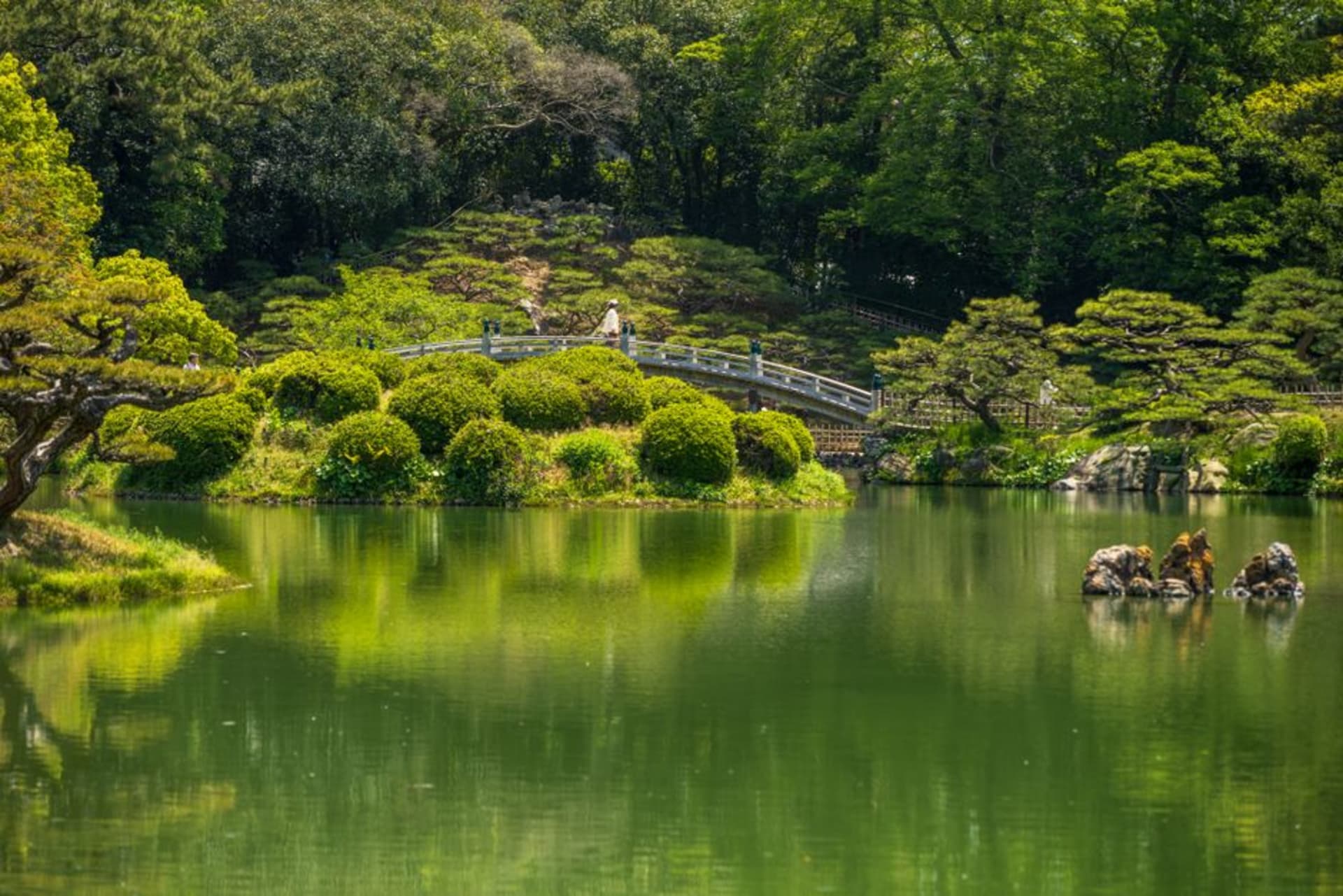
South-coast Shikoku, warm and open-hearted, with one of Japan's few surviving original castles and a fish grilled over burning straw. Kōchi felt like the country exhaling — slower, sunnier, and unafraid of a drink.

The first thing Kōchi did was set our lunch on fire. A cook took a fat of bonito, skewered it, and plunged it into a roaring column of burning rice straw until the skin blistered and the flames licked past his forearms — then sliced it, still barely warm inside, and dared us to eat. This is katsuo no tataki, and it is Kōchi’s whole personality on a plate: bold, a little theatrical, generous. Lia and I had come south expecting a quiet castle town. We got that too, but only after the fire.
An original castle, still standing
Japan lost most of its castles to war, fire, and the wrecking impulse of the modern age. Only a dozen keep their original wooden keeps, and Kōchi’s is one of them — climbed, not reconstructed. We went up early, the wood dark and worn smooth by three centuries of hands and feet, the stairs so steep they’re really ladders. From the top the whole city spread out toward the mountains, and there was no glass, no elevator, no gift-shop gloss — just old timber and the creak of it. Uniquely, this is the only castle in Japan where the original palace buildings and the keep both survive together. Standing in the lord’s own reception room, Lia went quiet in the way she does when a place is genuinely old.
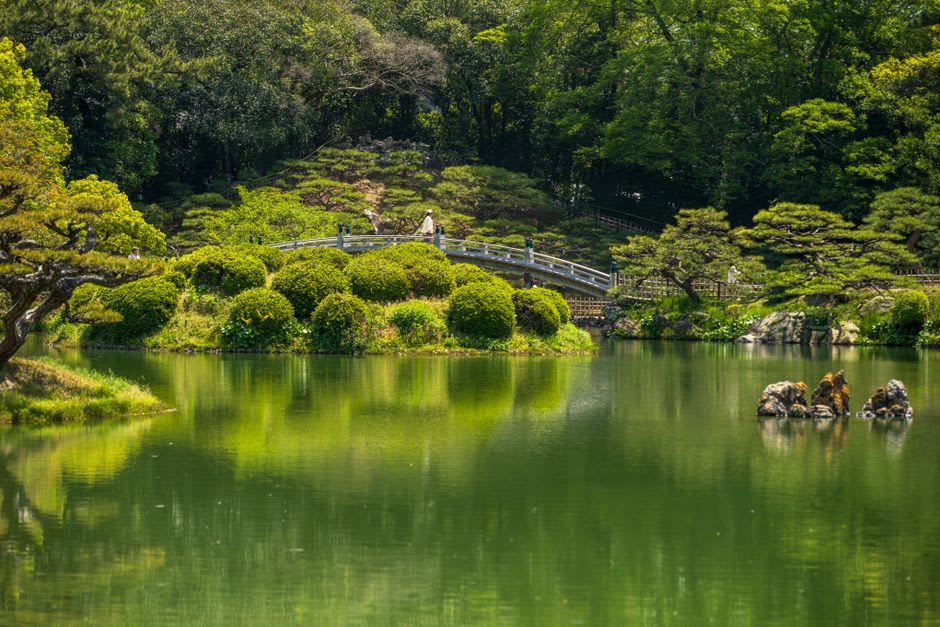
Katsurahama and the Shimanto’s clear water
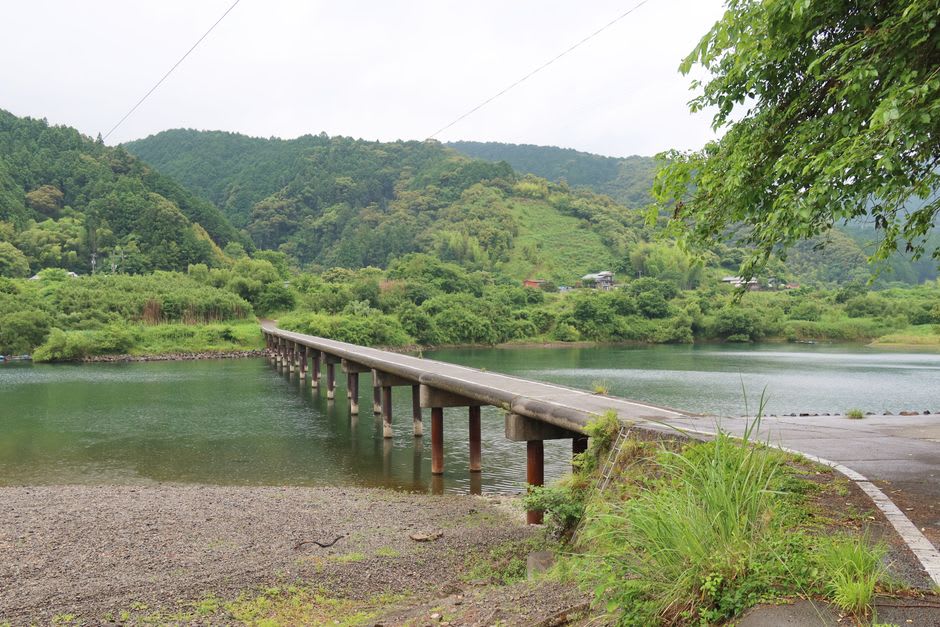
South of the city the land runs down to Katsurahama, a curving beach of pale sand and dark pines where a famous statue of the reformer Sakamoto Ryoma gazes out to the Pacific. The undertow is fierce — signs everywhere forbid swimming — so we just walked the tideline and let the wind do its work. Another day we drove west to the Shimanto, often called Japan’s last clear river because no large dam blocks its length. We crossed one of its low, railless “sinking bridges,” built to duck under floodwater rather than fight it, and Lia trailed her hand off the edge into water so clean you could count the stones on the bottom.

The Sunday market and Kōchi’s easy warmth
Every Sunday for three centuries a street market has run for more than a kilometer through the middle of Kōchi. We wandered it slowly on our last morning: farmers with knobbled ginger and yuzu, a woman selling potted citrus trees, grilled things on sticks, knives, secondhand tools, an old man pressing sugarcane. Nobody hurried us. Kōchi has a reputation across Japan as a hard-drinking, warm-blooded place, and you feel it in small ways — strangers topping up your glass, conversations that outlast the reason for them. Of all the towns we passed through on Shikoku, this was the one we most wanted to be adopted by.
Getting There
Kōchi lies on Shikoku’s southern coast, the least-rushed corner of an already unhurried island. The Nanpu limited express runs down from Okayama through the mountains in around two and a half hours — a genuinely beautiful ride along gorges and rivers. There’s an airport with regular flights from Tokyo and Osaka if you’re short on time. Within the city, a charming old tram network trundles you between the castle, the market, and the station for pocket change. For Katsurahama and the Shimanto you’ll want a car or a bus tour; the coast rewards the detour, and the river even more so.
Keep exploring
More of Shikoku
Keep exploring
More from Shikoku
 japan
japan Tosa
A Kōchi coast town where the Pacific arrives loud and open, and lunch is a fillet of bonito scorched over rice straw until the skin blisters. Between the whale boats and the paper mills, Tosa keeps a slower, saltier rhythm than the rest of Shikoku.
Explore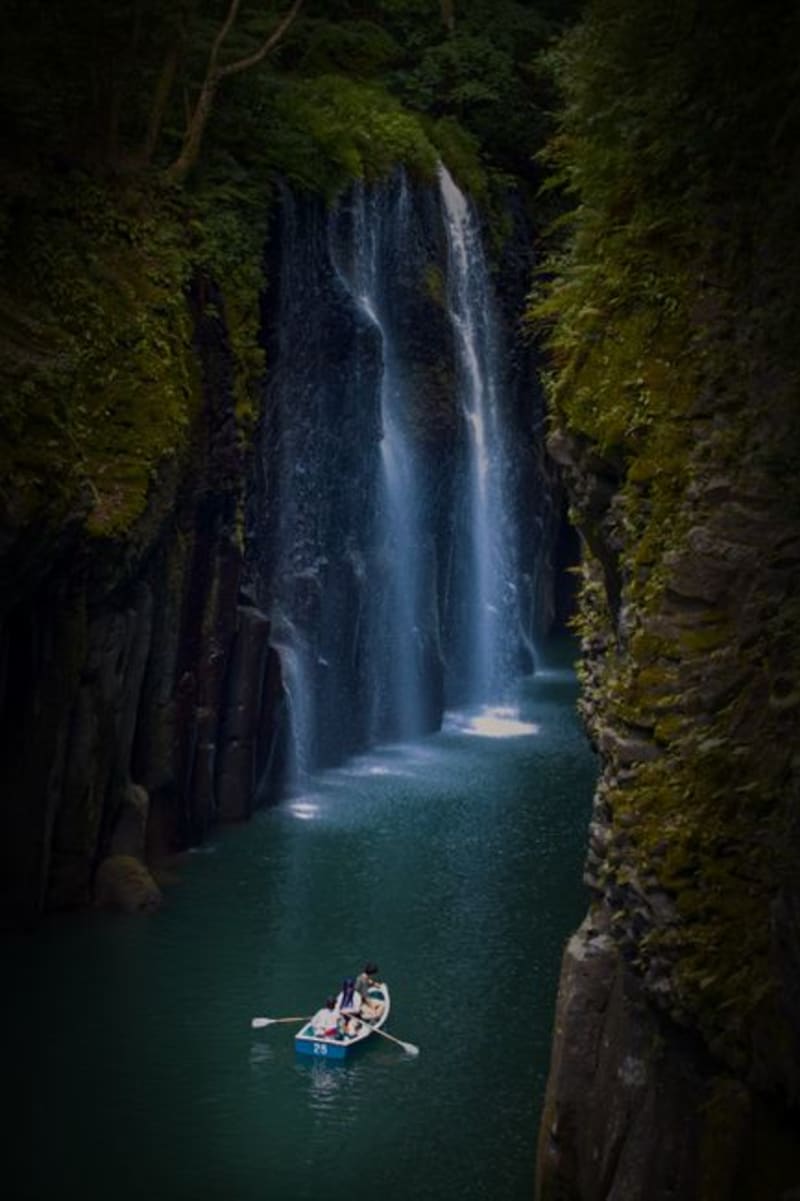 japan
japan Ōboke
A gorge cut deep into the Tokushima mountains, where the Yoshino river turns jade and white between walls of folded rock. Pleasure boats drift and rafts crash through the rapids, and just beyond lies the hidden Iya Valley.
Explore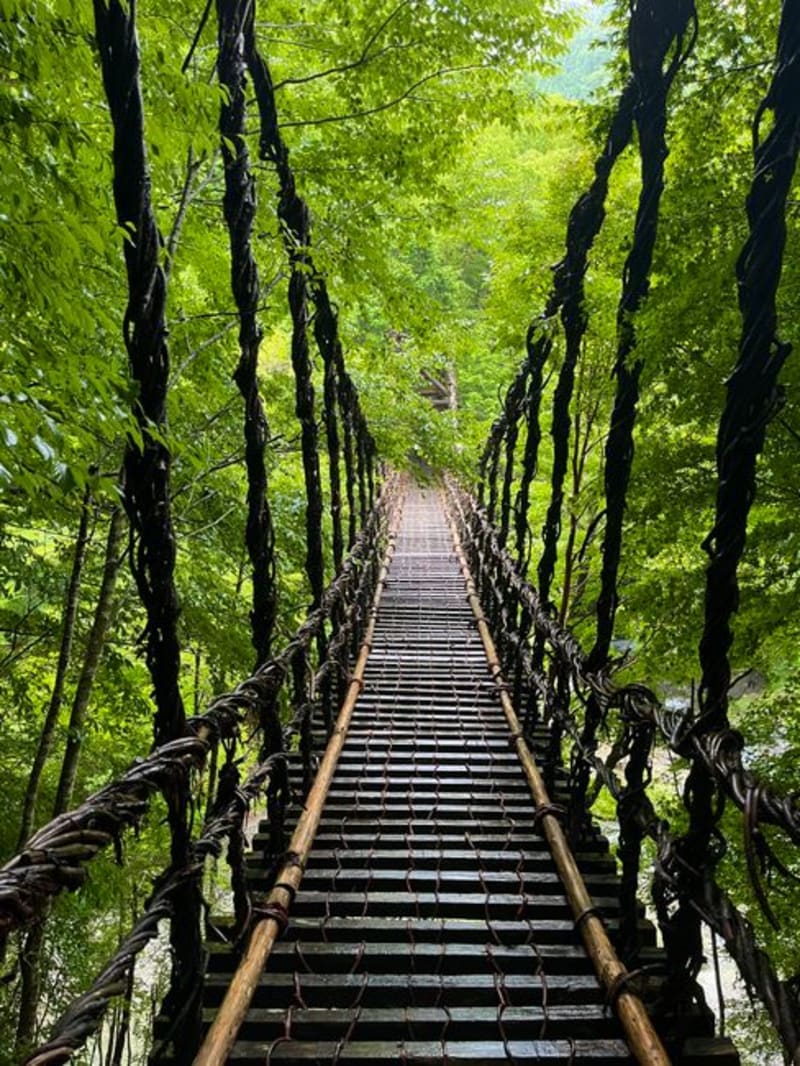 japan
japan Iya Valley
A deep, mist-wrapped gorge in the heart of Shikoku, laced with vine bridges and thatched houses and a strange population of straw scarecrows. Iya is the Japan we thought had disappeared — and hadn't.
Explore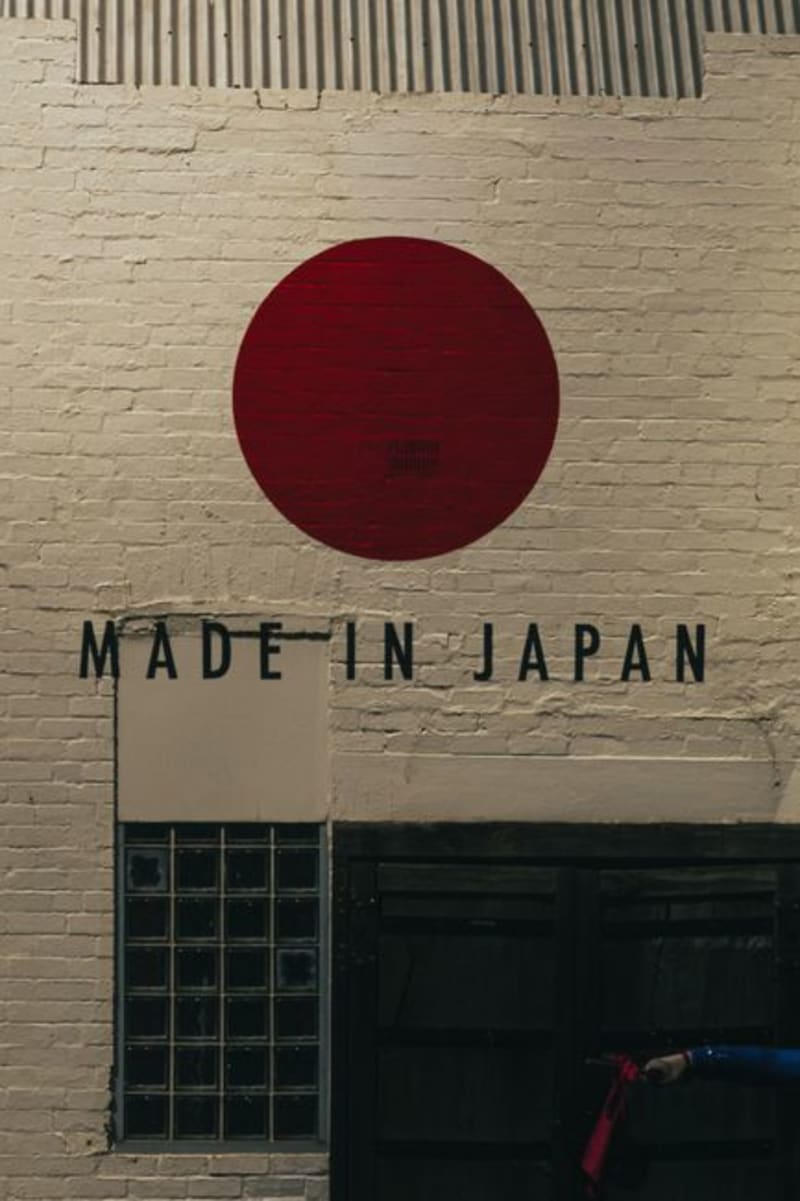 japan
japan Saijo
A quiet Ehime city that drinks straight from the mountain, where artesian springs bubble up in doorways and rice paddies alike beneath Ishizuchi, the highest peak in western Japan. It is a place of clear water, sacred stone, and autumn festival drums.
Explore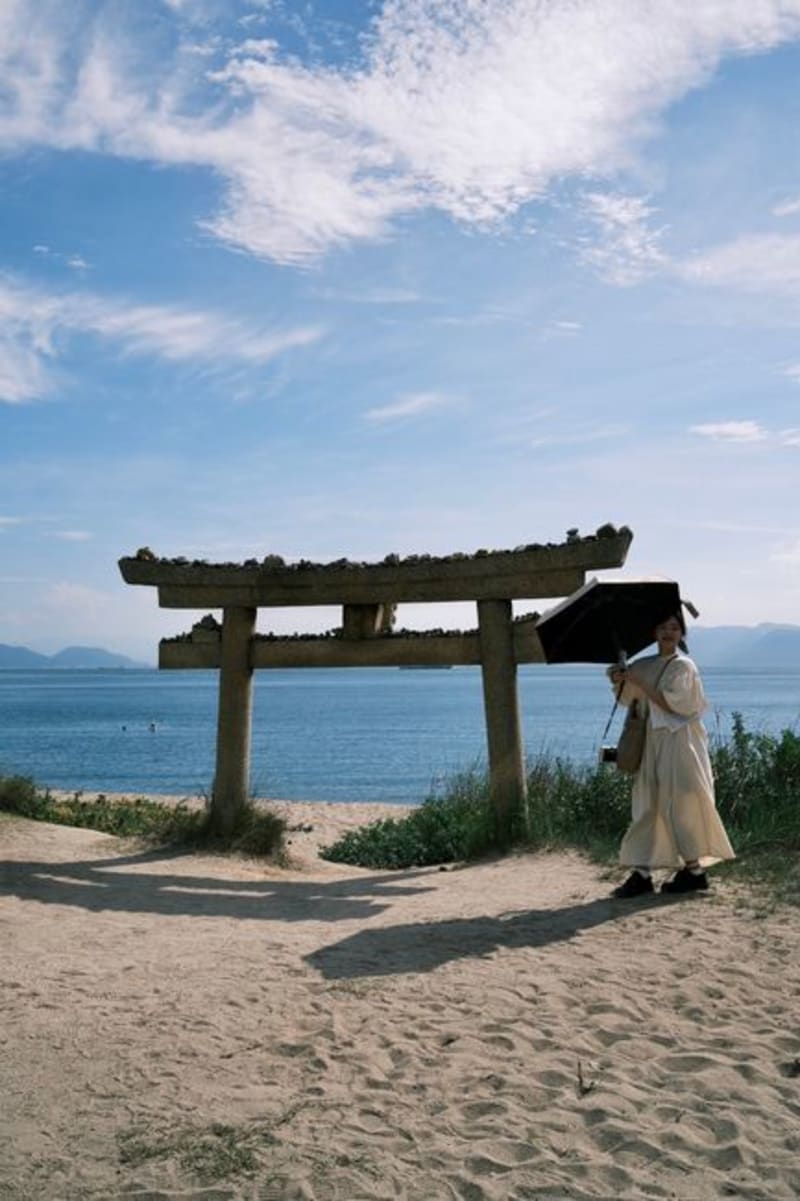 japan
japan Kanonji
A breezy Kagawa town on the Inland Sea where a giant coin lies raked into the beach sand, said to bless whoever looks upon it. Above it a pine-shaded hilltop shrine, and inland a mountaintop temple reached by ropeway over the whole silver sea.
Explore japan
japan Mount Tsurugi
Shikoku's second-highest peak and one of the gentlest sacred summits in Japan — a mountain you can walk up over grassy ridges and boardwalks, with a shrine near the top and views that on a clear day run all the way to the sea.
Explore