Yusuhara
"Lia said it felt like walking through someone's very patient, very wooden imagination."
Nicknamed 'the town above the clouds,' this remote logging town deep in the Kochi mountains has quietly become an open-air museum of buildings by one of Japan's most celebrated architects. A thatch-and-glass library, a cedar town hall, and a wooden bridge-gallery, all in a village most guidebooks skip entirely.

We found Yusuhara almost by accident, reading about a library shaped like a cedar tunnel and assuming it had to be some Tokyo architecture-magazine fantasy rather than a real building in a real mountain town. It wasn’t. Yusuhara sits deep in the interior of Kochi, high enough and remote enough that clouds pool in the valleys below it on clear mornings, which is where its nickname comes from. The drive in took longer than either of us expected, switchback after switchback through cedar forest, and by the time we arrived we’d half forgotten why we came. Then we turned a corner into the town center and saw the first building, and I understood immediately why Lia had circled this place on the map three separate times.
The library that starts everything
Kumo no Ue no Toshokan, the “library above the clouds,” is the newest of Yusuhara’s landmark buildings, and it’s the one that undid me a little. Local cedar lattice arcs overhead like ribs, filtering the mountain light into something soft and green-tinted, and the whole structure feels less built than grown. Lia sat on the floor with a stack of picture books she couldn’t read a word of, just to be inside the shape of the room longer. It shares its building with a hot spring and a hall, so you can read for an hour and then soak sore legs from the drive, which felt like an entirely sensible way to design a town center. We stayed until a librarian gently signaled it was closing, and neither of us wanted to leave.

A town hall built from its own forest
A short walk away stands the town hall, a low, warm building made almost entirely from local cedar, its beams and joinery left honest and visible rather than hidden behind drywall. It’s still a working municipal office — Lia had to resist asking to see someone’s desk — but the design makes an argument you don’t often see from a government building: that a town’s own forest, milled and joined with care, can be as dignified as steel and glass. We walked the covered walkway alongside it slowly, running a hand along cedar that still smelled faintly of resin even years after construction. It’s the kind of building that makes you reconsider what a town hall is even for.

The bridge-museum and the old theater
Down toward the river sits Yusuhara’s strangest structure, a gallery built as a covered wooden bridge, so you cross from one bank to the other through a small museum without quite noticing the transition. It began decades earlier, when the same architect helped save a beautiful pre-war kabuki theater in town from demolition, and the collaboration between town and architect never really stopped after that. We wandered from the bridge-gallery to the old theater in about twenty minutes, past guesthouses and workshops that all seemed to share the same unhurried cedar logic. Lia kept saying it felt like an entire architectural career condensed into a town small enough to walk across twice before lunch.

Getting There
Yusuhara is remote by Shikoku standards, tucked into the mountains near the Ehime border, and a car is by far the easiest way in — figure on roughly two hours of winding mountain roads from Kochi City. Limited direct buses run from Kochi and from Susaki Station on the JR line, but schedules are sparse enough that a rental car gives you far more freedom to linger at each building. Come with a full tank of gas and no fixed schedule; the whole point of Yusuhara is wandering slowly between a handful of buildings that reward unhurried attention.
Keep exploring
More of Shikoku
Keep exploring
More from Shikoku
 japan
japan Zentsūji
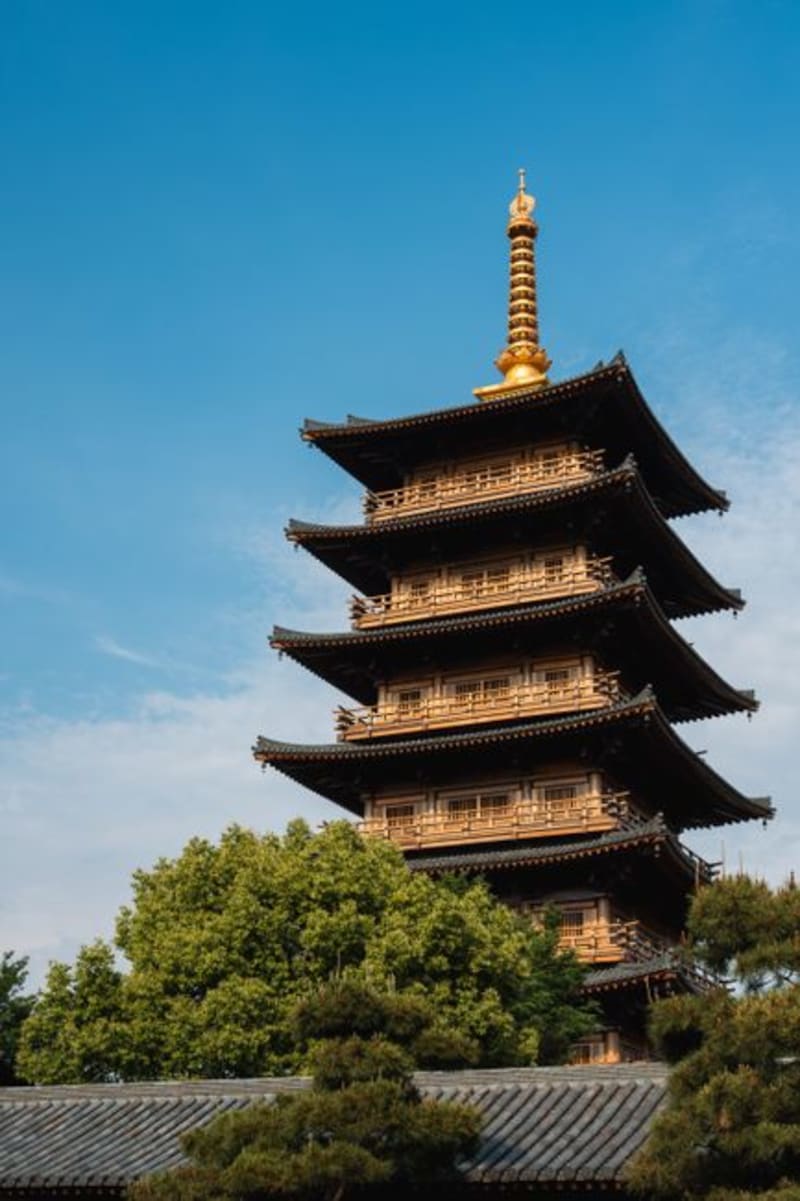
A quiet Kagawa temple town grown up around the birthplace of Kūkai, the monk who shaped Japanese Buddhism. A great five-storey pagoda watches over pilgrims in white, and the local udon is some of the best on the island.
Explore japan
japan Aki
A quiet former castle town in Kochi and the birthplace of Iwasaki Yataro, the low-ranking samurai's son who went on to found Mitsubishi. His family's thatched-roof house still stands in the Inokuchi neighborhood, across the valley from a well-preserved samurai district and the old castle mound.
Explore japan
japan Anan
A long, unhurried stretch of Tokushima coast where loggerhead turtles still haul themselves up dark beaches to nest, and a scatter of green islands breaks the Pacific into quieter water. It is Shikoku's warm, salt-bleached edge, far from any crowd.
Explore japan
japan Aoshima (Cat Island, Ehime)
A tiny island in the Uwa Sea where feral cats vastly outnumber the handful of elderly residents left, descendants of cats fishermen once brought aboard to control shipboard mice. No shops, no vending machines, just a short ferry ride and cats sunning themselves in half-empty doorways.
Explore japan
japan Cape Ashizuri
The wild southwestern tip of Kochi, where Shikoku runs out of land in a flourish of black cliffs, subtropical greenery, and a white lighthouse that has watched over some of the roughest water in Japan for over a century. It is remote, weather-beaten, and gloriously empty — a place to feel small in the good way. We drove a long way for it and the cape paid us back with interest.
Explore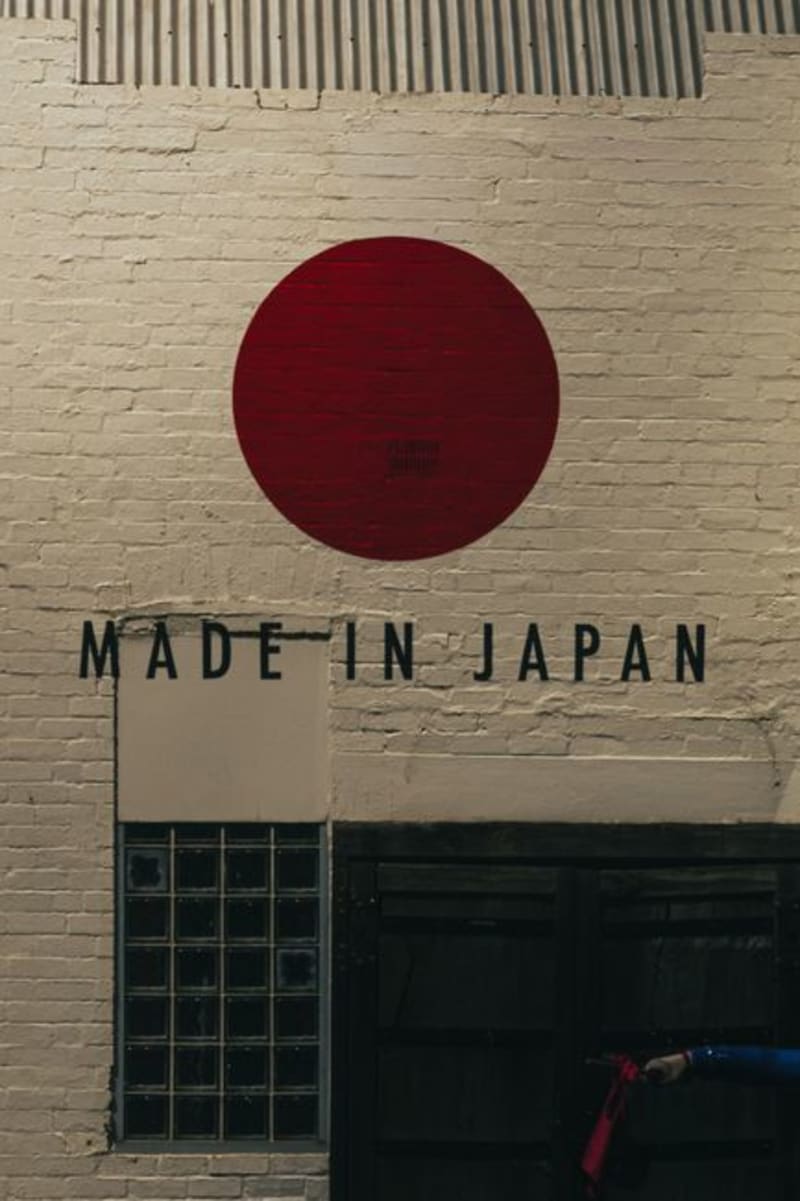 japan
japan Hiketa
An Edo-period port district in Higashikagawa that flourished as the 'port waiting for the wind,' trading salt, cotton, and the hand-refined sugar called wasanbon still made almost nowhere else in Japan. Its merchant streets of lattice doors and white-plastered storehouses remain intact enough to walk straight into the past.
Explore