Kotohira
"Somewhere around step five hundred Lia turned to me, red-faced and grinning, and said this had better be worth it. It was."
A temple town in Kagawa on the island of Shikoku, built around Konpira-san — a mountainside shrine reached by more than 785 stone steps lined with old shops. It is a pilgrimage and a climb and a bowl of Sanuki udon at the top of it all. Earnest, a little breathless, and richly rewarded by the view.

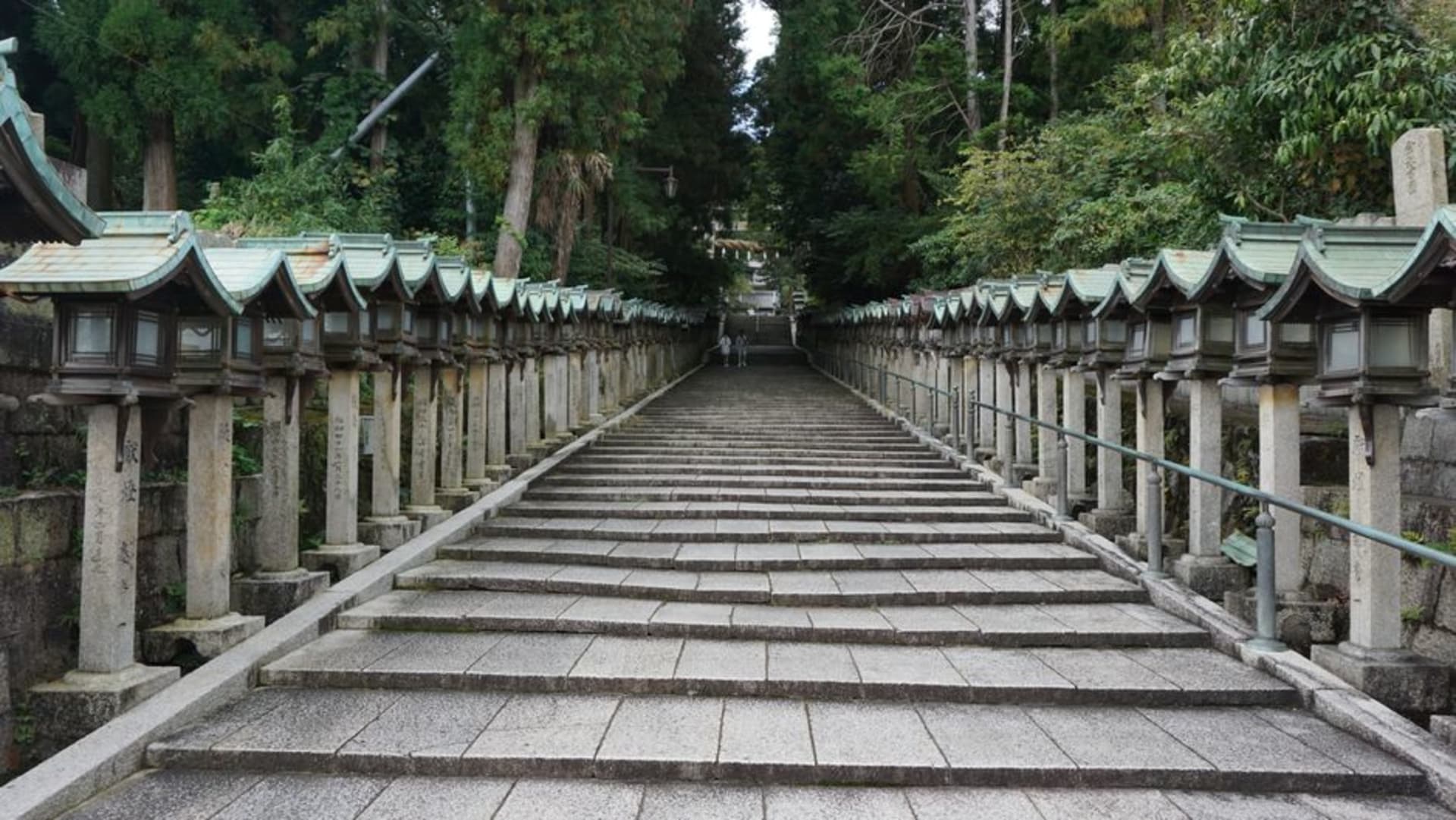
There are 785 steps to the main shrine of Konpira-san, and Lia and I counted a good number of them out loud before giving up somewhere in the middle, laughing and out of breath. Kotohira is a town that exists to be climbed. You arrive at the bottom, where the stone stairway begins between rows of old wooden shops, and you go up — past souvenir sellers, past tea houses, past people of every age doing exactly what you are doing, some leaning on walking sticks, some being carried up in old-fashioned palanquins by porters. It is a pilgrimage that Japanese travellers have made for centuries, and there is something deeply cheering about joining a crowd all quietly suffering the same staircase together, all headed for the same reward.
The Climb to Konpira-san
Kotohira-gū, better known affectionately as Konpira-san, is one of Japan’s most beloved shrines, dedicated to a deity of seafarers and sailors — which is why you’ll see model ships and maritime offerings all the way up. The main shrine sits at 785 steps; the truly devoted press on to the inner shrine at 1,368. The stairway climbs the flank of Mount Zōzu through cedar shade, and every hundred steps or so there’s an excuse to pause: a gate, a smaller shrine, a shop selling the local Kompira dogs and walking sticks lent for free to weary climbers.
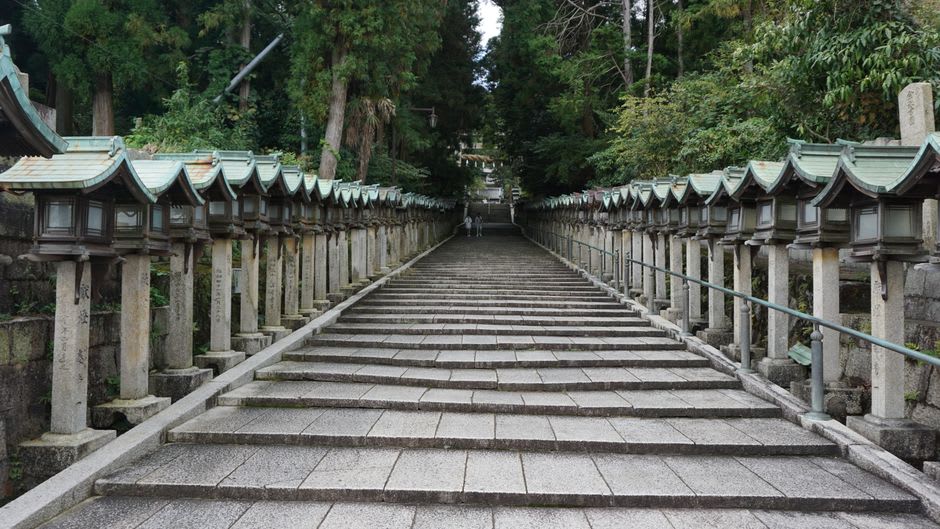
We took it slowly, stopping to catch our breath and pretend we were admiring the view. Near the top the trees open up and the main shrine appears, and from its terrace the whole Sanuki plain of Kagawa spreads out below — patchwork fields, distant mountains, the odd conical hill. Lia declared it worth every step, and after a few minutes’ rest so did I.
Old Shops and the Approach
Half the pleasure of Kotohira is the sandō, the approach street and lower stairway lined with shops that have been serving pilgrims for generations. They sell sweets, sake, wooden crafts, and the region’s cheap yellow Kompira sanuki paddles and charms. Partway up sits the Kanamaruza, the oldest surviving kabuki theatre in Japan, a beautifully preserved wooden playhouse you can tour when performances aren’t on, complete with its hand-cranked revolving stage and trap doors.
We ducked into the theatre on the way down and had it almost to ourselves, standing on the old stage machinery while a caretaker explained how it worked. Then we drifted back down the shopping street, buying more small useless charming things than we needed, the way you always do coming down off a mountain feeling triumphant.
Sanuki Udon Country
Kotohira sits in Kagawa, and Kagawa is udon country — specifically Sanuki udon, the thick, chewy, square-edged wheat noodles that the prefecture is so famous for that it half-jokingly rebranded itself “Udon Prefecture.” After the climb we were ravenous, and there is no better place on earth to be ravenous with a craving for noodles. We found a small self-serve udon shop near the base of the steps where you grab your bowl, add your own broth and toppings, and pay by the plate.
The noodles were dense and springy, the broth clean and faintly sweet, and after 785 steps down as well as up, it was one of the most satisfying bowls of anything I have ever eaten. Lia had a second helping. So, it must be said, did I.
Getting There
Kotohira is on Shikoku in Kagawa Prefecture and is easy to fold into any trip through the island or across the Seto Inland Sea. Trains run directly to Kotohira Station on the JR Dosan Line from Takamatsu (about an hour) and via the private Kotoden line as well; from the Honshu side you can reach it by crossing the Seto Ōhashi bridge by rail from Okayama. The station is a short flat walk from the foot of the stairway, and the whole town is compact and walkable — leave the car, and wear proper shoes for the climb. Go early to beat the heat and the crowds, and don’t leave Kagawa without eating your weight in udon.
Keep exploring
More of Shikoku
Keep exploring
More from Shikoku
 japan
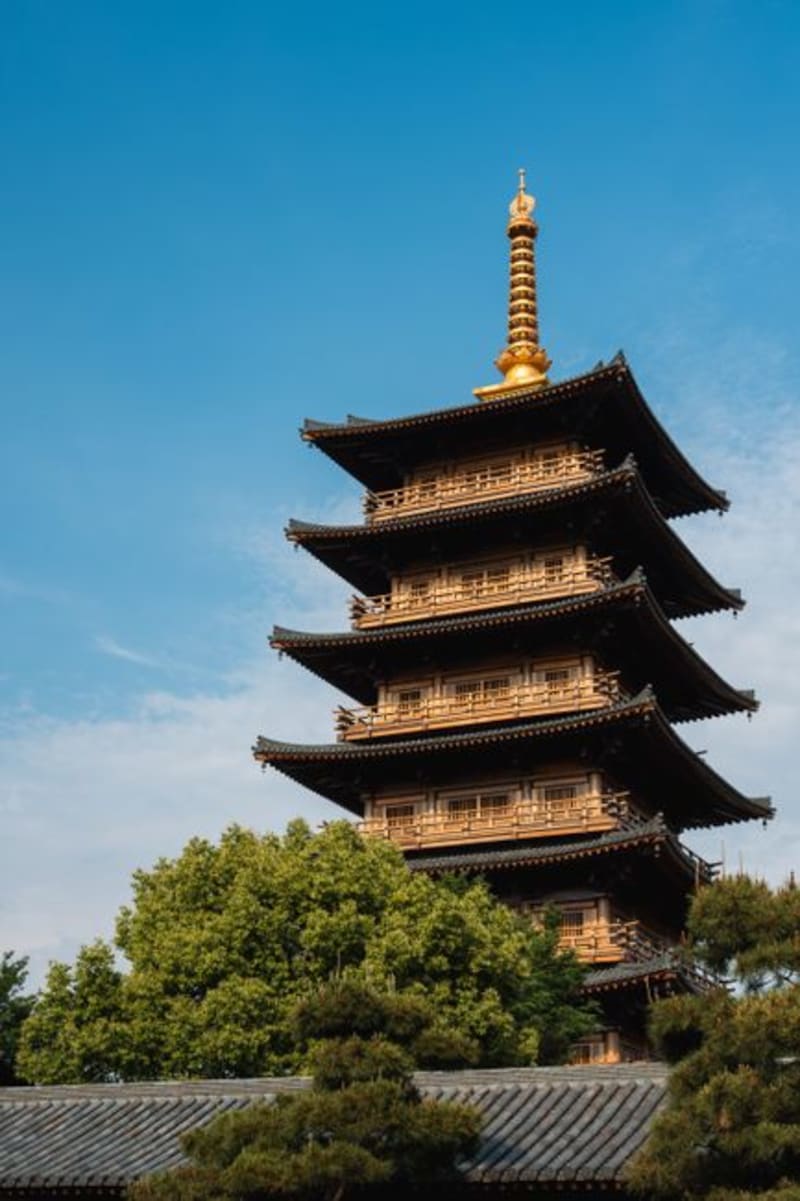
japan Zentsūji
A quiet Kagawa temple town grown up around the birthplace of Kūkai, the monk who shaped Japanese Buddhism. A great five-storey pagoda watches over pilgrims in white, and the local udon is some of the best on the island.
Explore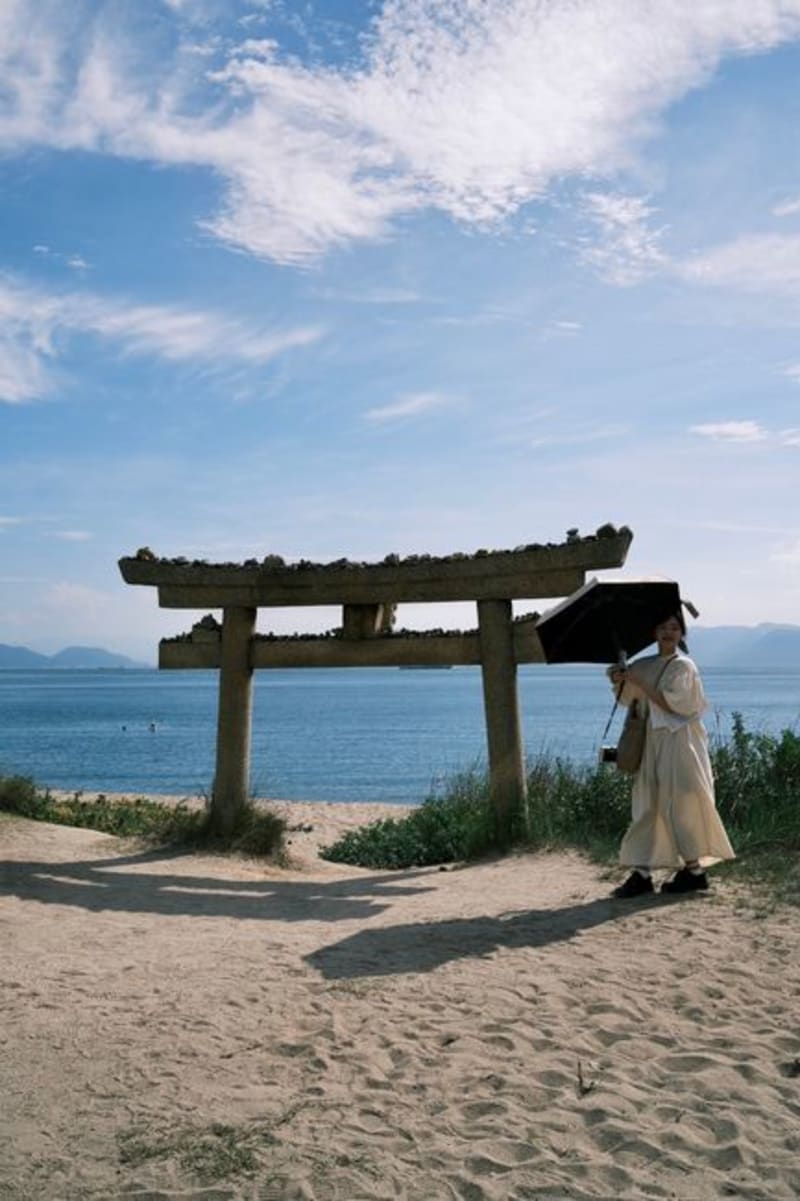 japan
japan Kanonji
A breezy Kagawa town on the Inland Sea where a giant coin lies raked into the beach sand, said to bless whoever looks upon it. Above it a pine-shaded hilltop shrine, and inland a mountaintop temple reached by ropeway over the whole silver sea.
Explore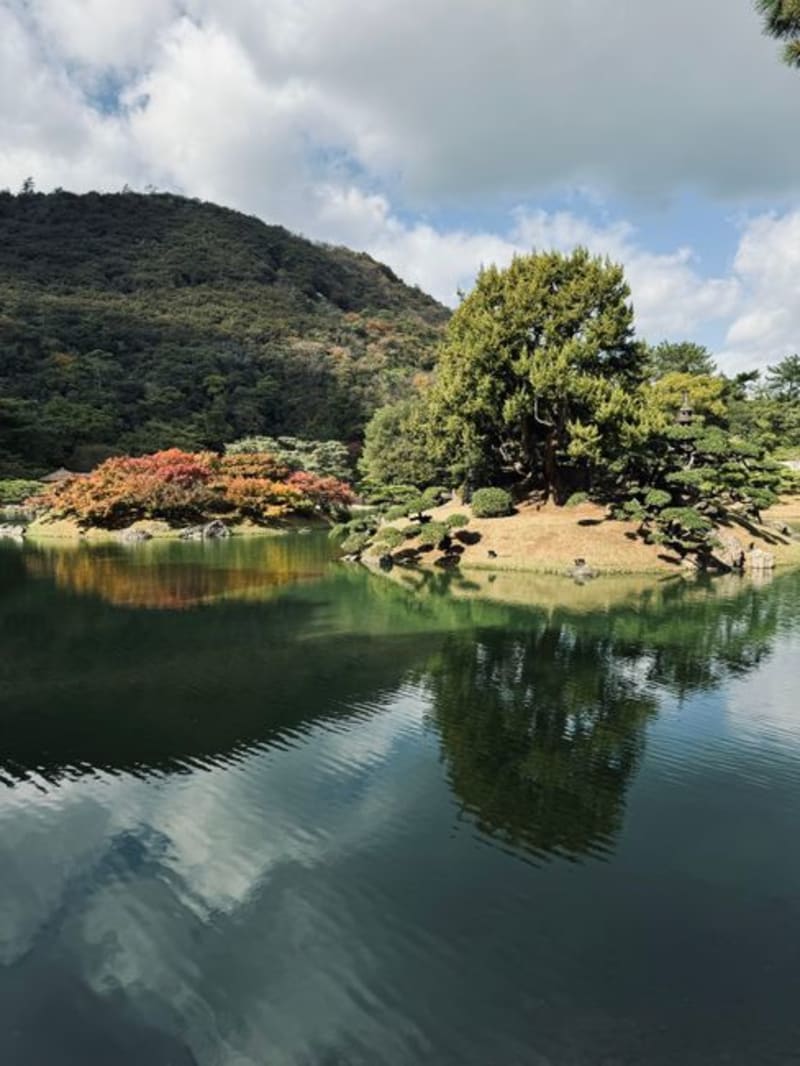 japan
japan Takamatsu
A port city where a feudal garden meets the tide and a castle keeps its feet in seawater. Takamatsu gave Lia and me our first taste of the Inland Sea, and our first bowl of udon that mattered.
Explore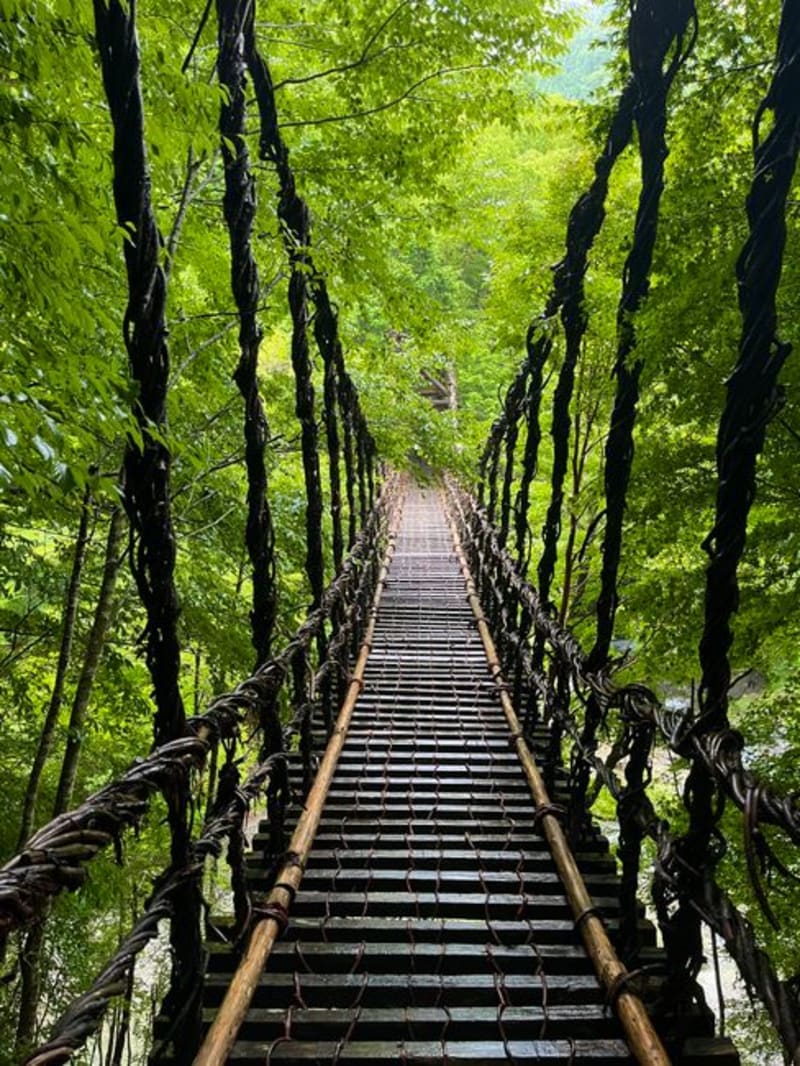 japan
japan Iya Valley
A deep, mist-wrapped gorge in the heart of Shikoku, laced with vine bridges and thatched houses and a strange population of straw scarecrows. Iya is the Japan we thought had disappeared — and hadn't.
Explore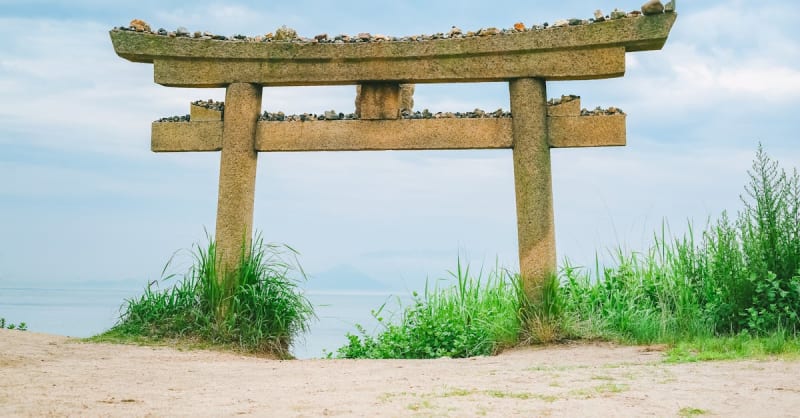 japan
japan Naoshima
A tiny island in the Seto Inland Sea transformed into one of the world's great open-air art museums.
Explore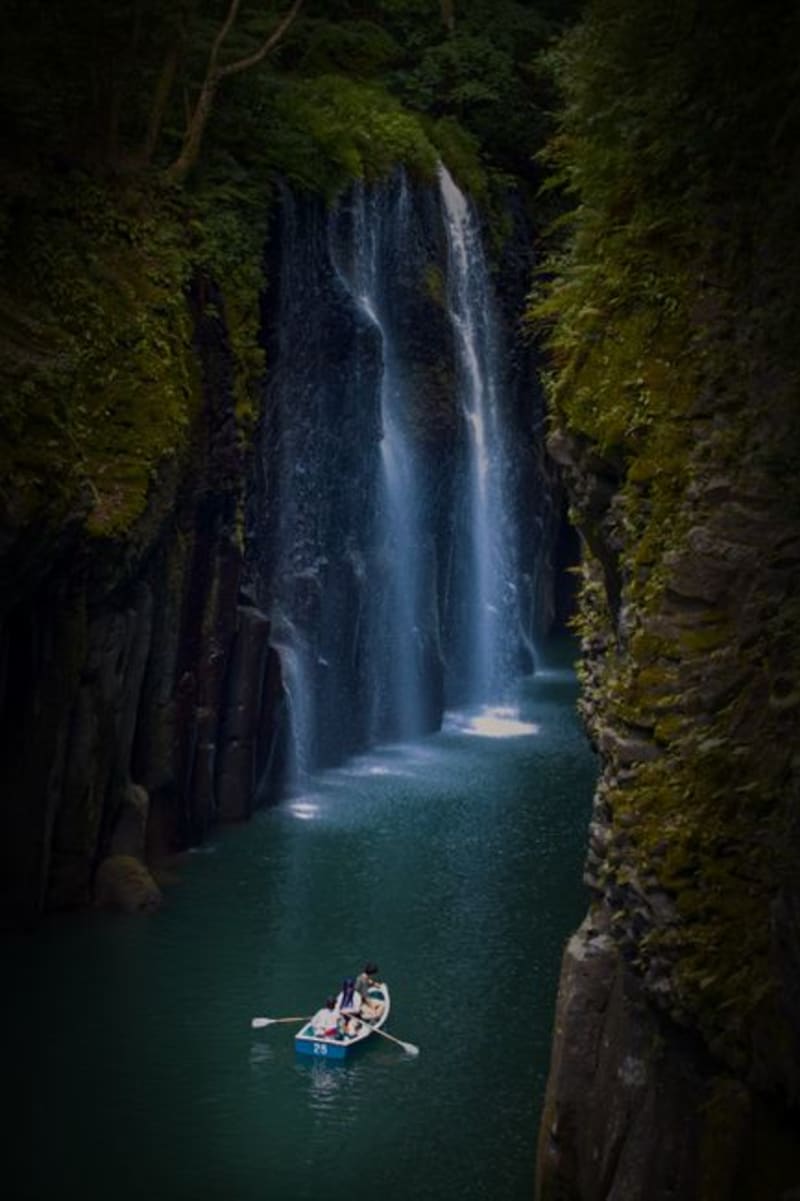 japan
japan Ōboke
A gorge cut deep into the Tokushima mountains, where the Yoshino river turns jade and white between walls of folded rock. Pleasure boats drift and rafts crash through the rapids, and just beyond lies the hidden Iya Valley.
Explore