Ōzu
"A wooden castle rebuilt board by board, and beneath it a river doing exactly as it pleased."
An Ehime castle town on the Hiji river, sometimes called a little Kyoto for its old streets and riverside calm. A faithfully rebuilt wooden keep, a hillside villa looking out over the water, and cormorant fishermen working the summer nights. Riverine, unhurried, and easy to love.

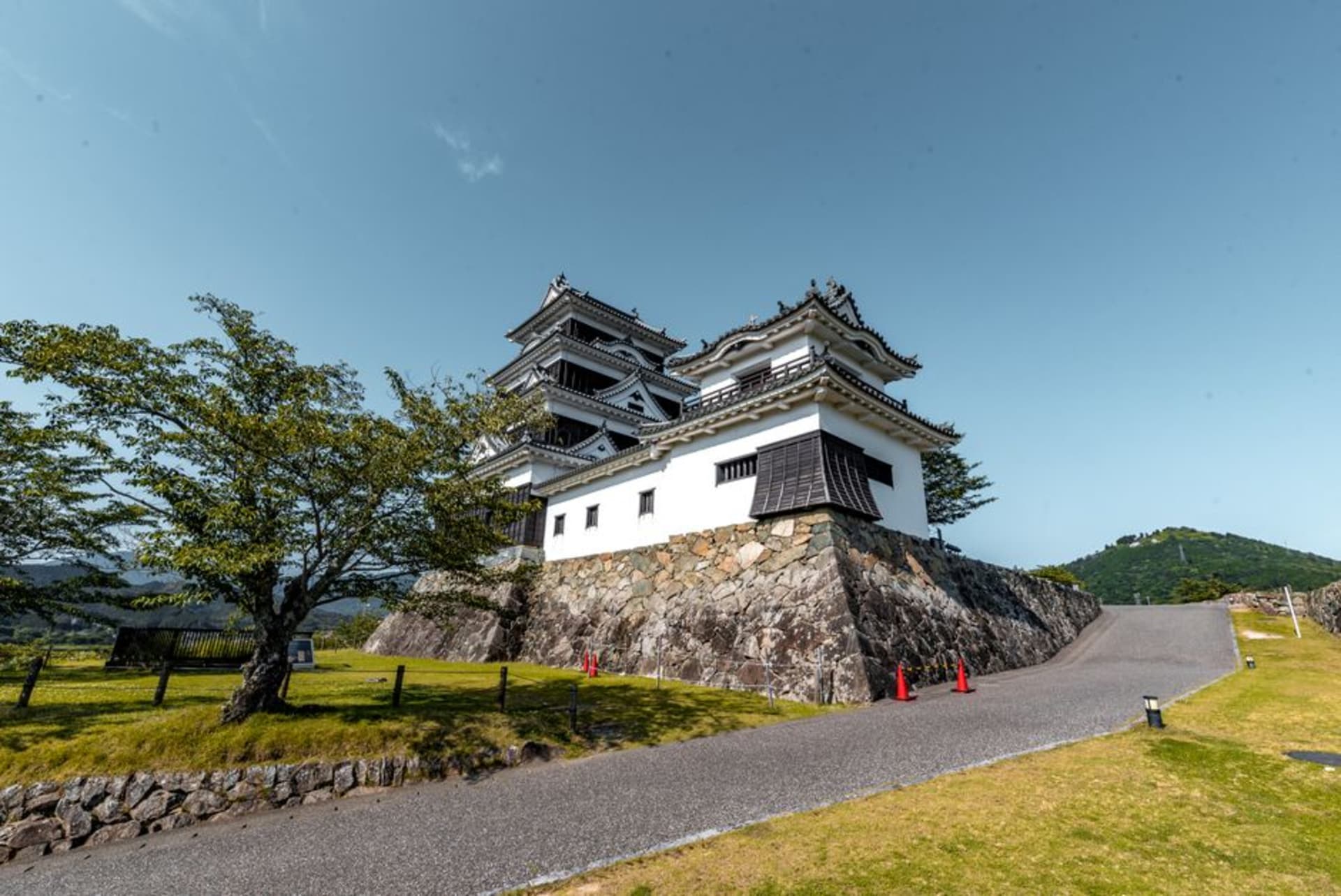
Ōzu came after Uchiko, one more stop down the line, and by then Lia and I had stopped expecting much of these small Ehime towns and started simply trusting them. The Hiji river loops through the middle of Ōzu in a wide green curve, and the town folds itself around the water — old wooden houses, a scatter of temples, narrow lanes that end suddenly at the bank. People call it Iyo no ko-Kyōto, “the little Kyoto of Iyo,” which is the sort of thing said about a dozen towns in Japan, but here it did not feel like a stretch. We walked in from the station as the afternoon was softening, and the first thing we saw, standing pale above the rooftops on its rise across the river, was the castle.
The Wooden Castle
Ōzu Castle is the reason to make the effort, and its story is a quiet marvel. The original keep was pulled down in the Meiji era, but in 2004 the town rebuilt it entirely in wood, using the traditional joinery and old photographs and surviving records to get it faithfully right — one of the very few Japanese castle keeps reconstructed properly in timber rather than concrete. Inside it smells of new cypress, and you can see the great pillars and the intricate bracketing exposed, the whole structure standing without a nail.

From the top floor the Hiji river bends away below in both directions, silver against the green hills, and a caretaker pointed out to us where the cormorant boats would set off after dark.
Garyū-sansō
Downriver, on a bluff above a deep pool where the water runs slow and clear, sits Garyū-sansō, a villa built at the turn of the twentieth century by a wax merchant who spared no expense and, evidently, employed craftsmen of real genius. It is small but almost absurdly refined — rooms of dark polished wood looking straight out over the river, a tea house cantilevered above the water, details in the joinery and the sculpted garden that reward every second you spend noticing them.

We sat a long while on the veranda, saying almost nothing, watching the light move on the pool below. Lia said it was the most peaceful room she had stood in all trip, and I knew what she meant.
Cormorant Fishing on the Hiji
We had timed our night in Ōzu, without quite meaning to, for the season of ukai — cormorant fishing, practised here on summer evenings much as it has been for centuries. After dark we joined a low wooden boat that poled out onto the river, and ahead of us the fishermen worked by the light of iron braziers burning at their prows, their trained cormorants diving and surfacing on long cords to catch the small ayu fish drawn to the flames.

It is theatrical and strange and genuinely old, the fire hissing on the black water, the birds slick and quick in the glow, and for once the spectacle entirely earned the trouble of staying up for it.
Getting There
Ōzu sits in western Ehime Prefecture on Shikoku, about thirty-five minutes south of Matsuyama by limited express to Iyo-Ōzu station on the JR Yosan line, and only ten minutes beyond Uchiko, so the two pair easily in a day. From the station the castle and old town are a fifteen-minute walk or a short taxi ride across the river. Cormorant fishing runs on summer evenings, roughly June to September, and must be booked ahead. If you can, stay the night — Ōzu after the day-trippers have gone, with the river running dark under the lit keep, is the version worth having.
Keep exploring
More of Shikoku
Keep exploring
More from Shikoku
 japan
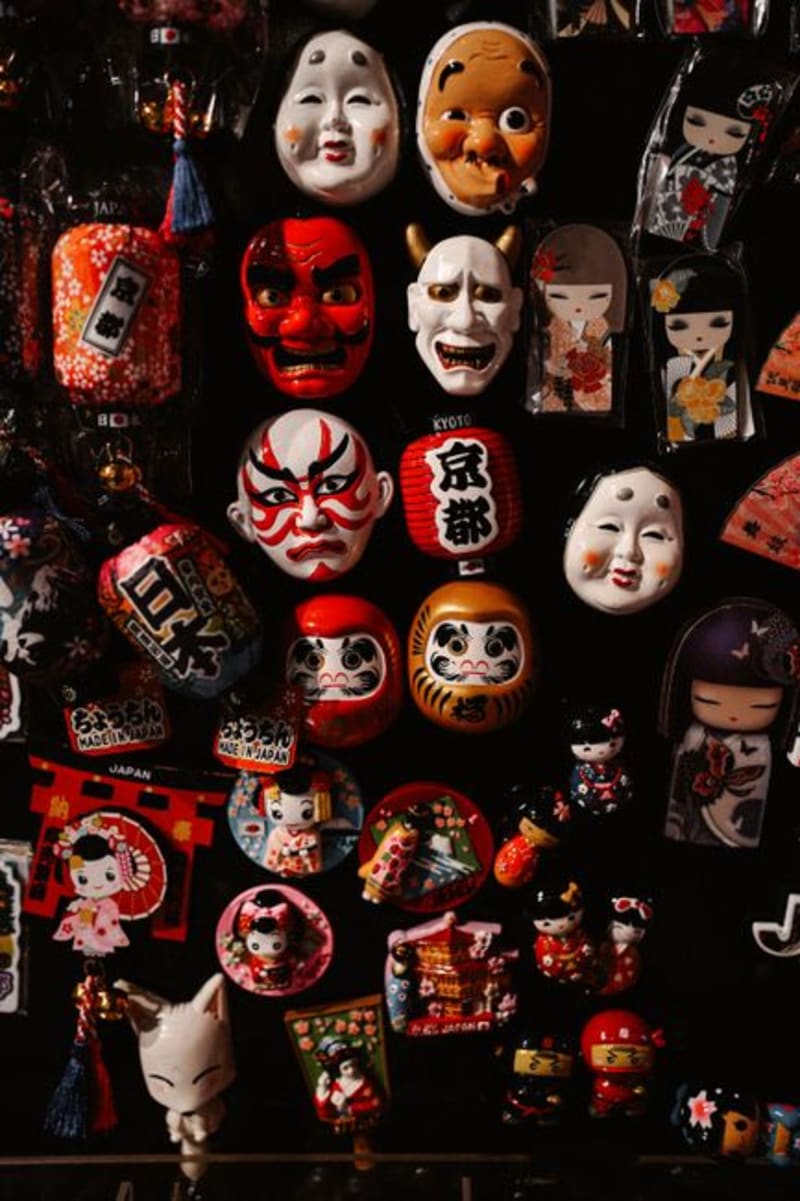
japan Uchiko
An Ehime town that once grew rich on wax, where a single street of ochre-plastered merchant houses has been kept just as it was. There is a jewel of a Meiji-era kabuki theatre, green hills at every turn, and almost no one else about. Quietly, unshowily elegant.
Explore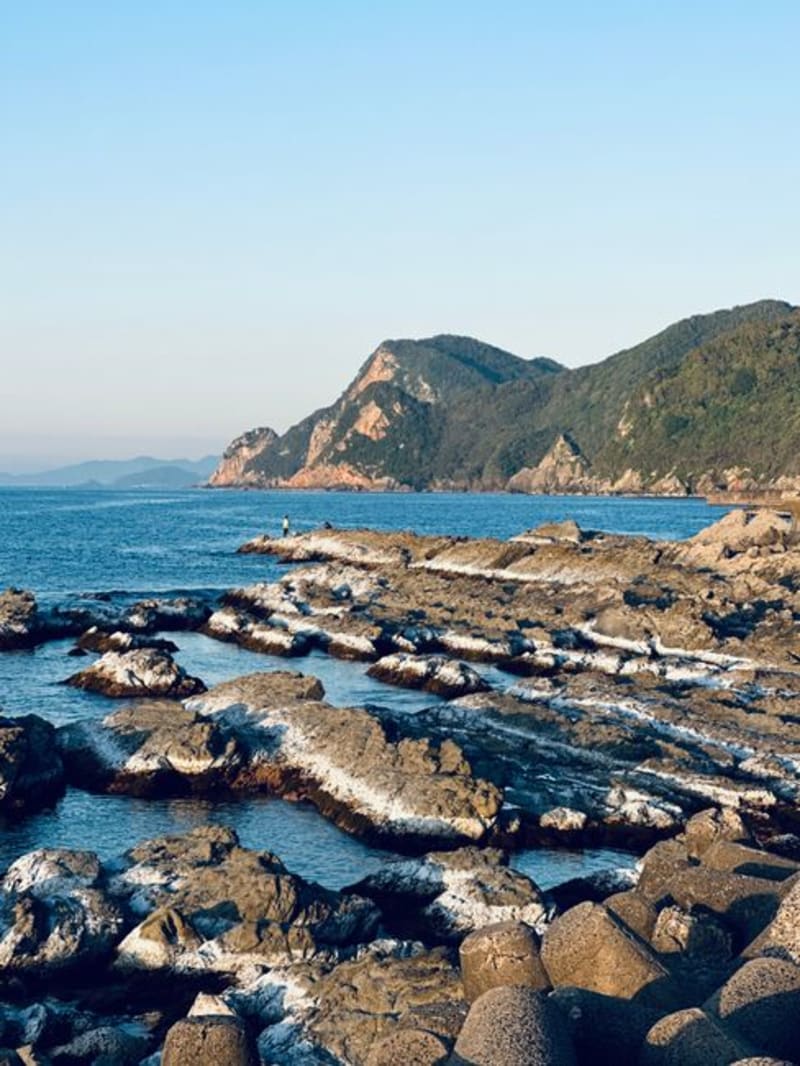 japan
japan Yawatahama
An Ehime port town where the hillsides above the harbour are stacked with mandarin terraces, and the ferries slip out across the strait toward Kyushu. A place of citrus, salt air, and the particular restlessness of a town that has always faced the sea.
Explore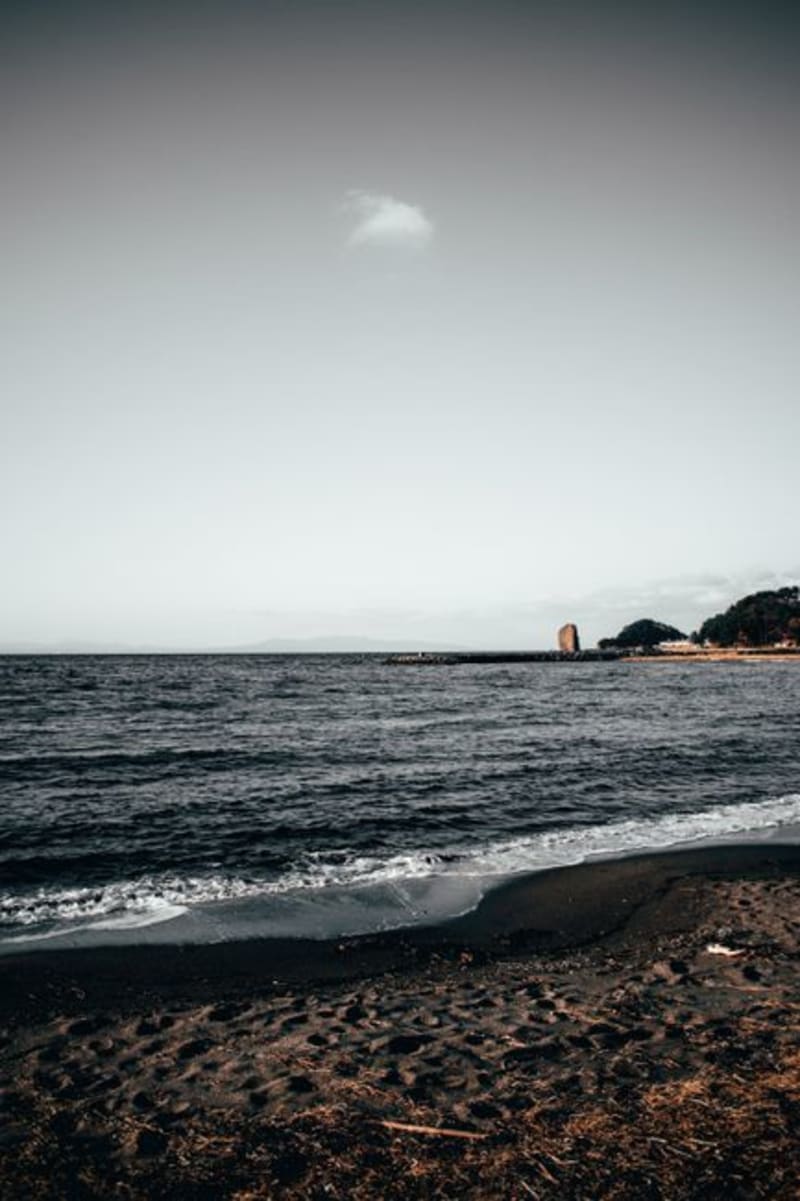 japan
japan Uwajima
A salt-air port at the ragged bottom of Ehime, where an original castle keeps watch over a ria coast strung with pearl rafts. It is a town of bull-sumo bellows, mikan groves, and a bay that turns silver at dusk.
Explore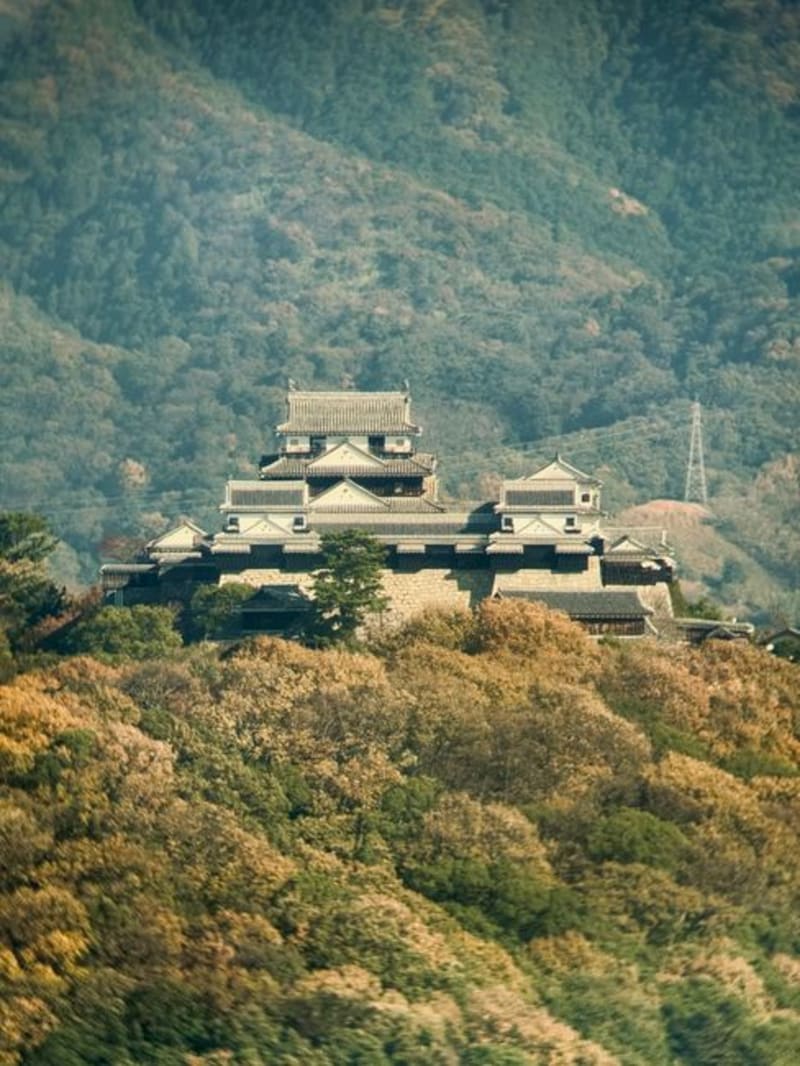 japan
japan Matsuyama
The largest city on Shikoku, built around Dōgo Onsen — one of the oldest hot springs in Japan and its grand wooden bathhouse. A hilltop castle, rattling streetcars, and a warm, literary, unhurried spirit all its own.
Explore japan
japan Sukumo
A quiet bay town in the far southwestern corner of Kochi, where the days end in sunsets so famous they've been given a name. There is little to 'do' here, which is precisely the point — Sukumo is a place to slow down and watch the light leave the water.
Explore japan
japan Shimanto
A green fold of rural Kōchi wrapped around the Shimanto, often called the last clear river in Japan. Here bridges duck under the floods instead of fighting them, and the days move at the pace of slow water.
Explore