Aoshima (Cat Island, Ehime)
"Lia counted past thirty cats before she gave up and just sat down among them."
A tiny island in the Uwa Sea where feral cats vastly outnumber the handful of elderly residents left, descendants of cats fishermen once brought aboard to control shipboard mice. No shops, no vending machines, just a short ferry ride and cats sunning themselves in half-empty doorways.

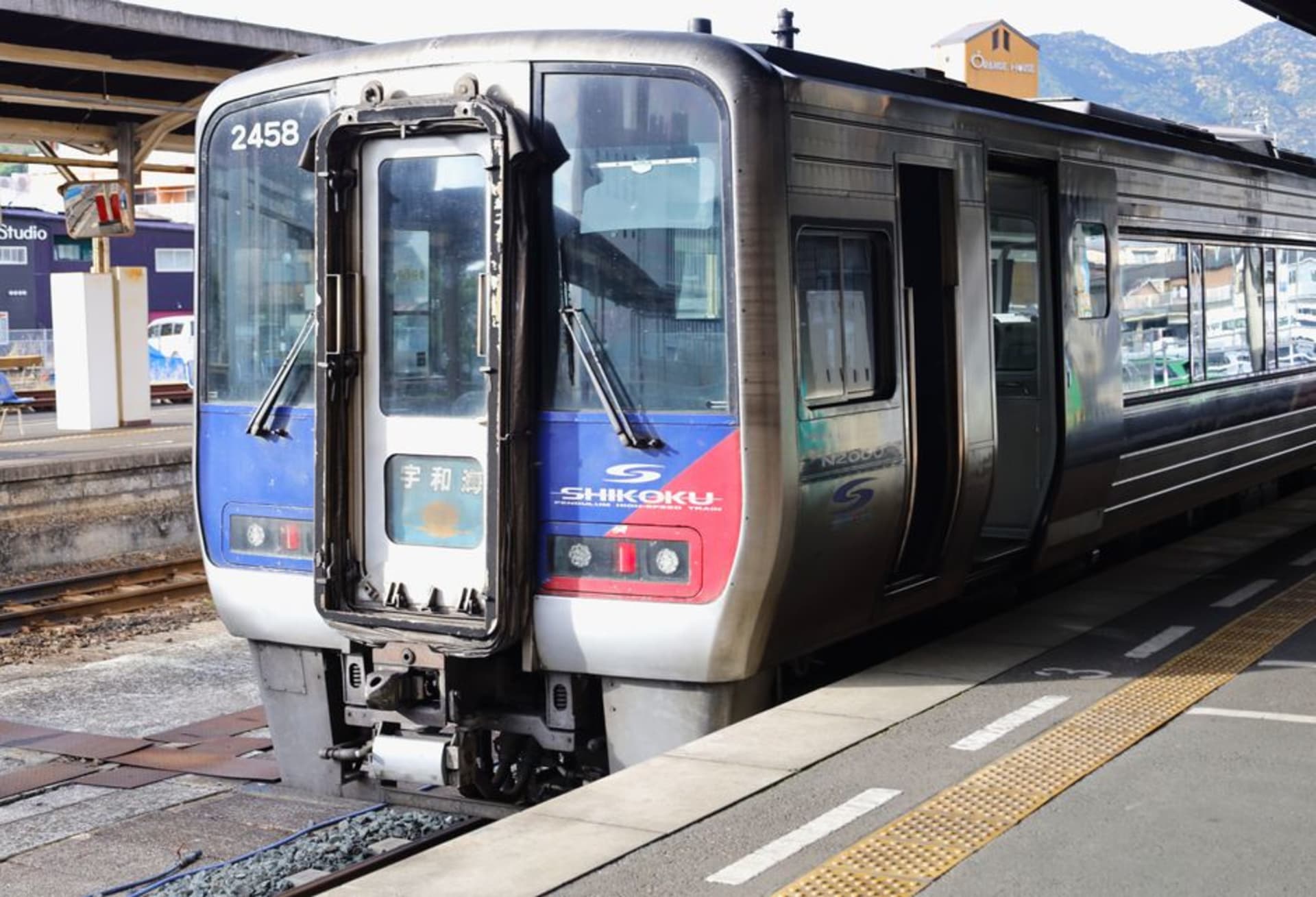
Lia found Aoshima the way she finds most of our strangest detours, deep in some forum thread about cat islands, and once she’d said the words “more cats than people” out loud there was no talking her out of it. We took a small ferry out from the Ehime coast into the Uwa Sea, a crossing short enough that we barely finished our coffee before the island’s low green hills appeared. There’s no dock full of hawkers or gift shops waiting on the other side, because there’s almost nothing on Aoshima at all — a scatter of houses, most empty, a handful of elderly residents, and cats. So many cats. They watched our boat come in from the seawall like a welcoming committee that had done this a thousand times before and couldn’t quite be bothered to be impressed.
An island run by its cats
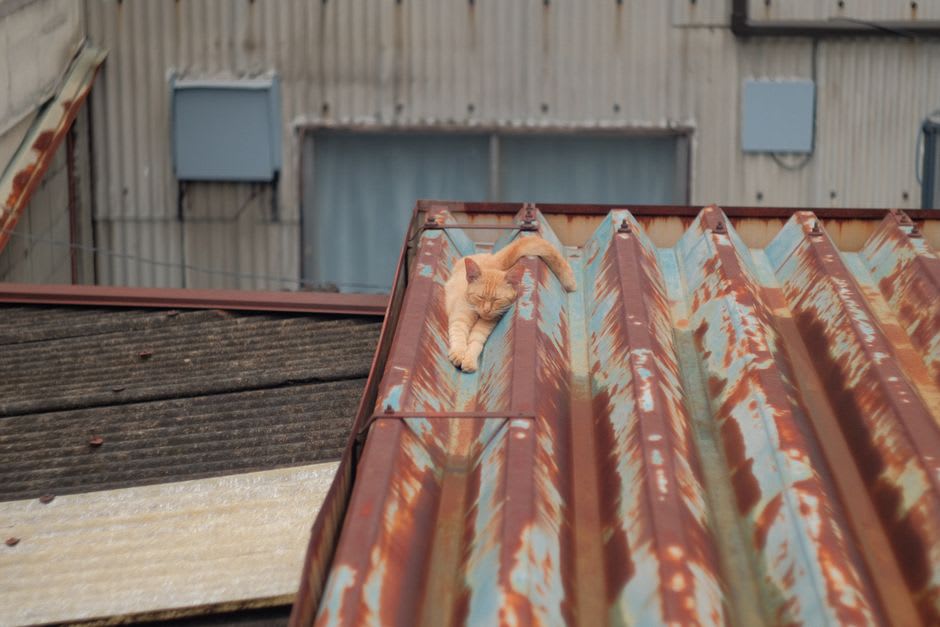
The story goes that fishermen once kept cats aboard their boats to keep mice away from stored grain and nets, and over generations the population here simply outgrew the fishing itself. Now the cats are the island’s whole identity, sprawled across boat hulls, curled in the doorways of houses nobody lives in anymore, threading between the legs of the few residents old enough to remember when Aoshima had a school. Lia sat cross-legged on a low wall for the better part of an hour, cats drifting in and out of her lap like she was furniture, while I wandered the single lane trying to count them and lost track somewhere past fifty. Nobody feeds them on a schedule exactly, though visitors do bring food, and the island seems to run on an economy of patience rather than commerce.
Empty houses and a shrinking village
Walking the lanes away from the harbor, you notice the island’s other truth: most of the houses are shuttered, their wood gone silver-grey, gardens gone to weeds that the cats have claimed as their own private jungle. It’s not a sad place exactly, but it is a quiet one, a village visibly outliving its own population, and there’s something honest about how plainly it shows its age rather than dressing itself up for the ferry crowd. We passed one elderly woman sweeping her step who nodded at us without much interest and went back to her broom, entirely unbothered by two more tourists come to look at her cats.

No shops, no schedule, just the water
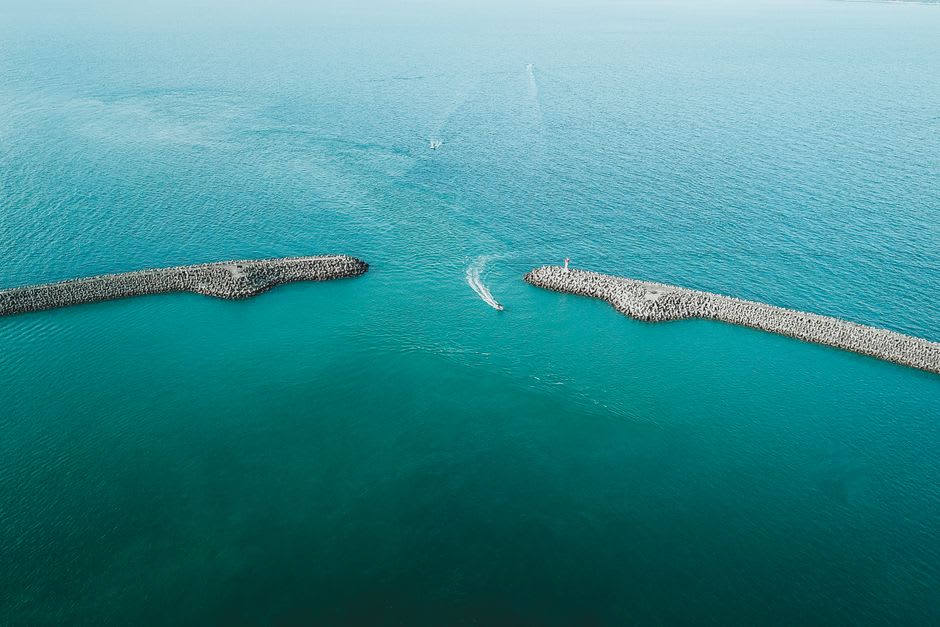
There’s genuinely nothing to buy on Aoshima — no vending machine, no convenience store, no café to wait out the hours in — so you plan your visit entirely around the ferry timetable and bring your own food and water. We sat on the breakwater eating rice balls we’d packed that morning, cats materializing hopefully at the smell, and watched small fishing boats work the calm water of the Uwa Sea beyond the harbor mouth. It’s a strange, stripped-down kind of tourism, an island with no infrastructure built for you at all, and that absence is exactly what makes an hour or two here feel so different from anywhere else in Ehime.
Getting There
Aoshima is reached by a small passenger ferry from Nagahama Port, itself reachable by local train and bus from Ozu or from Yawatahama further south. Ferries run only a few times a day, so check the timetable before you go and plan your return crossing first — there’s nowhere to buy supplies once you’re on the island, so bring your own food, water, and cash. Most visitors make it a half-day trip: one ferry over, a couple of unhurried hours wandering the lanes and harbor, and the next available boat back.
Keep exploring
More of Shikoku
Keep exploring
More from Shikoku
 japan
japan Cape Ashizuri
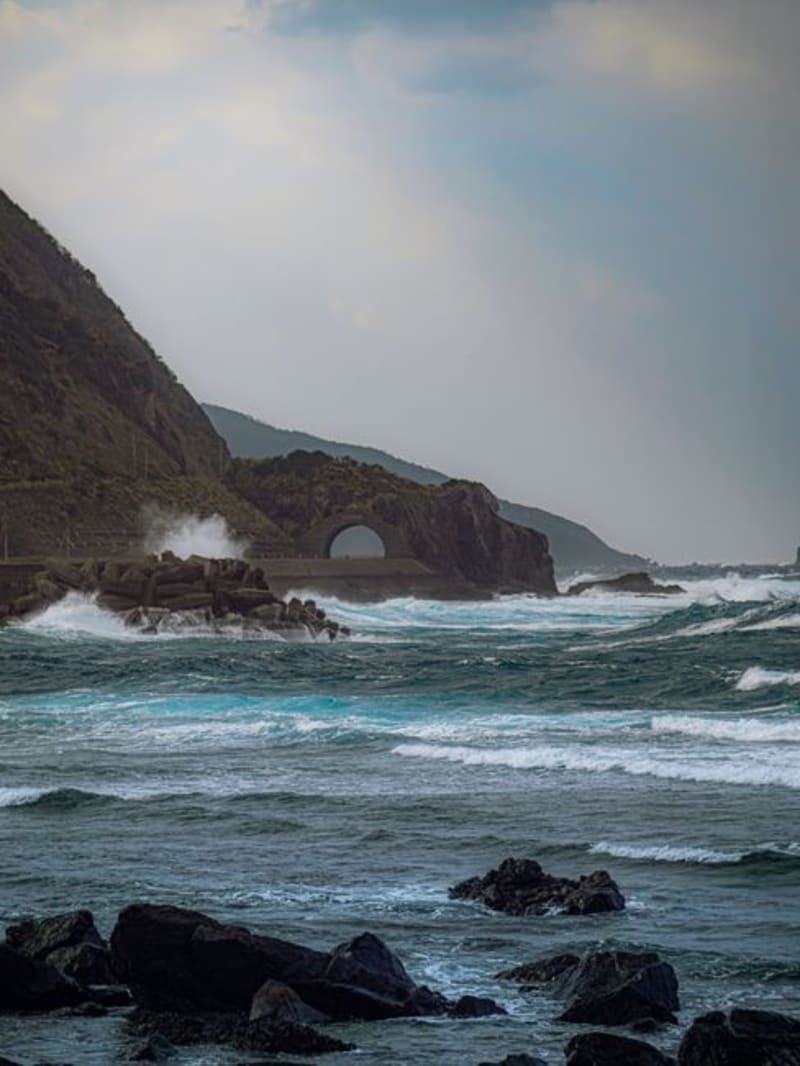
The wild southwestern tip of Kochi, where Shikoku runs out of land in a flourish of black cliffs, subtropical greenery, and a white lighthouse that has watched over some of the roughest water in Japan for over a century. It is remote, weather-beaten, and gloriously empty — a place to feel small in the good way. We drove a long way for it and the cape paid us back with interest.
Explore japan
japan Hiketa
An Edo-period port district in Higashikagawa that flourished as the 'port waiting for the wind,' trading salt, cotton, and the hand-refined sugar called wasanbon still made almost nowhere else in Japan. Its merchant streets of lattice doors and white-plastered storehouses remain intact enough to walk straight into the past.
Explore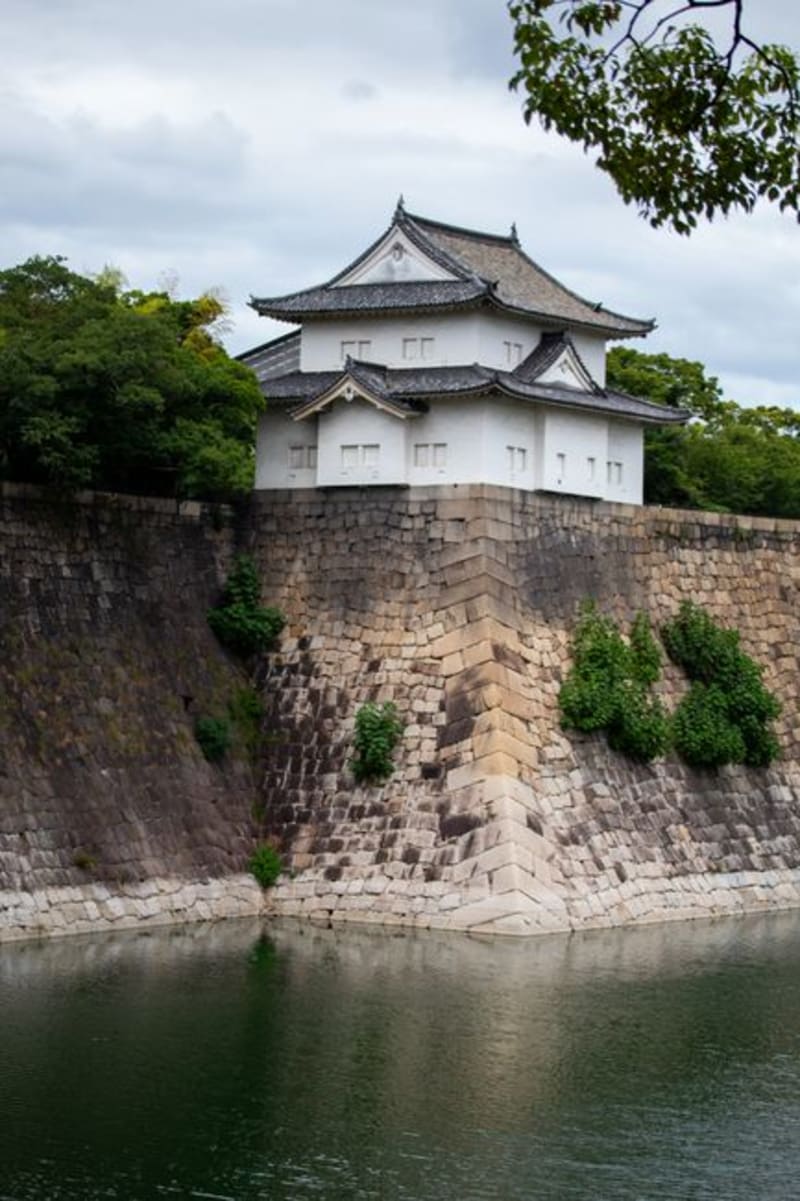 japan
japan Imabari
A working port on the Seto Inland Sea where the Shimanami Kaidō lands back on Shikoku after leaping island to island on impossible bridges. Imabari smells of the sea and of freshly pressed cotton, and moves at the speed of a bicycle.
Explore japan
japan Ino
A Kochi town that has made Tosa washi paper for over a thousand years, legend crediting a Heian-era governor and poet with encouraging the craft. At the paper museum near the station you can work a vat of pulp yourself, hands in the water beside artisans repeating the same rocking motion their grandparents used.
Explore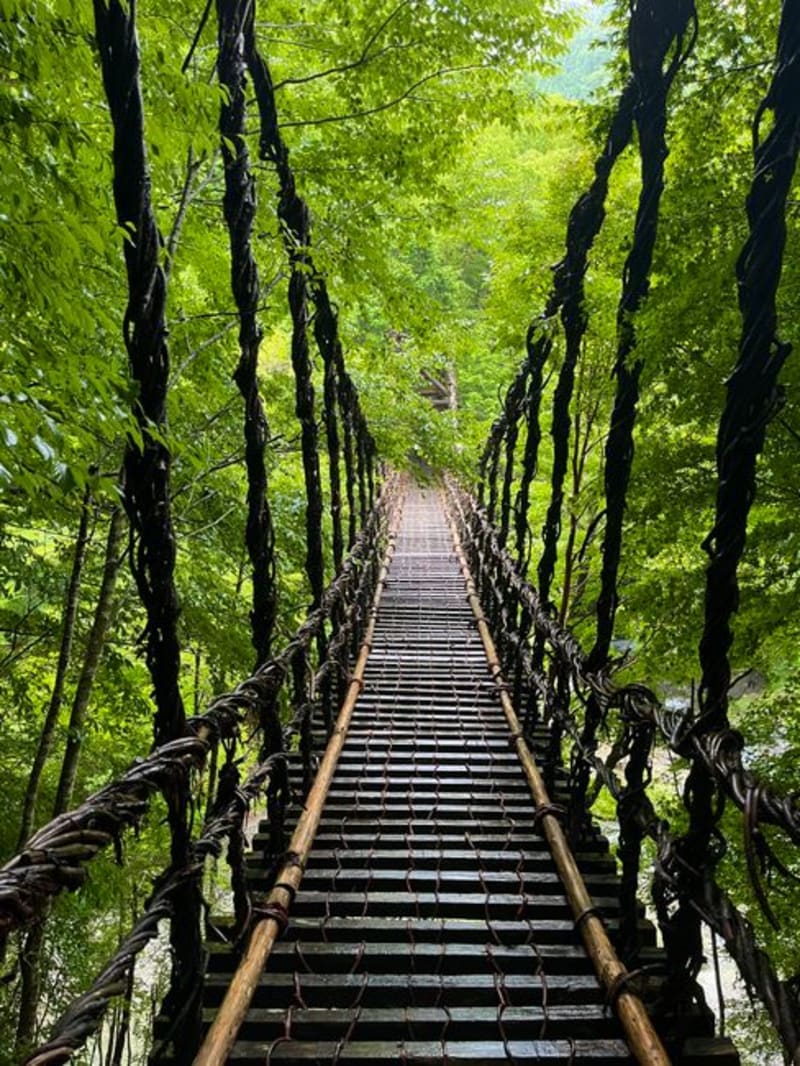 japan
japan Iya Valley
A deep, mist-wrapped gorge in the heart of Shikoku, laced with vine bridges and thatched houses and a strange population of straw scarecrows. Iya is the Japan we thought had disappeared — and hadn't.
Explore japan
japan Kamikatsu
A mountain hamlet in inland Tokushima where every household hand-sorts its trash into dozens of categories at a single drop-off station, because in the early 2000s this became Japan's first town to declare itself zero waste. A quiet, unglamorous lesson in what it actually takes to mean it.
Explore