Marugame
"Lia stopped halfway up the walls, out of breath, and said the castle wasn't even the tall part."
A Kagawa castle town whose original Edo-period wooden keep still stands atop what are officially the tallest stone castle walls in all of Japan, a dizzying stack of curved ishigaki you only truly feel by walking the full loop up. It's also a serious rival to Takamatsu for the title of Sanuki udon's true birthplace.

We came to Marugame mostly for udon and left thinking mostly about stone. It’s an easy stop off the JR line west of Takamatsu, a compact port city that doesn’t advertise itself loudly, and I think that undersells it. Lia had read that Marugame’s castle sits on the tallest stone walls of any castle in Japan, which sounded like exactly the kind of specific, slightly obscure superlative she can’t resist, so we got off the train and walked straight there before even finding lunch. From a distance the keep looks almost modest, small and dark against the sky. It’s only once you start climbing that you understand what the guidebooks were trying to tell you.
Walls taller than the castle they carry
Marugame Castle’s keep is unmistakably original, one of just a handful of Edo-period wooden keeps left standing in the whole country, but it’s the ishigaki beneath it that actually stops you in your tracks. The stone walls rise in tiered, gently curving bands, officially recognized as the highest stone castle walls in Japan, and the path to the top switches back through gate after gate cut into the rock. Lia, normally the faster walker of the two of us, had to stop twice on the way up, laughing at herself between breaths. From the keep’s small upper window the whole city and the Seto Inland Sea opened out below, and it was strange to realize that the modest little wooden building we’d climbed toward was really just the finishing touch on something far more massive underfoot.

An udon rivalry nobody quite settles
Sanuki udon belongs, broadly, to all of Kagawa, but Marugame residents will tell you — cheerfully, insistently — that their particular style, the thick, chewy noodles served hot or cold with just a splash of dashi and soy, is the real original, whatever Takamatsu claims. We ducked into a self-serve udon shop near the station where you take your own bowl from a rack, ladle the noodles, choose toppings, and pay on the honor system at the end, a format that felt almost too casual for how good the noodles turned out to be. Lia ordered hers cold with a raw egg stirred through, I had mine hot with tempura scraps, and we sat on stools by the window arguing happily about whether the rivalry with Takamatsu is real or just good marketing.

Uchiwa fans and the quiet port streets
Marugame is also, almost incidentally, the country’s leading producer of uchiwa, the flat round fans you see everywhere in summer, and a small museum near the station traces how a local craft turned into a national industry. We wandered the older streets near the harbor afterward, past shuttered merchant houses and a quiet stretch of waterfront where fishing boats sat low in the evening light, and it struck me how unbothered Marugame seemed by not being famous. Nobody was performing anything for us. A woman fanning herself on her doorstep with what was almost certainly a fan made two streets over gave us a small nod as we passed, which felt like the whole town in miniature.

Getting There
Marugame sits on the JR Yosan Line about fifteen to twenty minutes by regular or limited express train from Takamatsu, making it an easy half-day or full-day trip from there. The castle and the older merchant streets are both an easy walk from Marugame Station, so you don’t need a car for the town itself. We’d suggest starting early to beat the heat on the climb up the castle walls, then rewarding yourself with udon once you’re back down at sea level.
Keep exploring
More of Shikoku
Keep exploring
More from Shikoku
 japan
japan Matsuyama
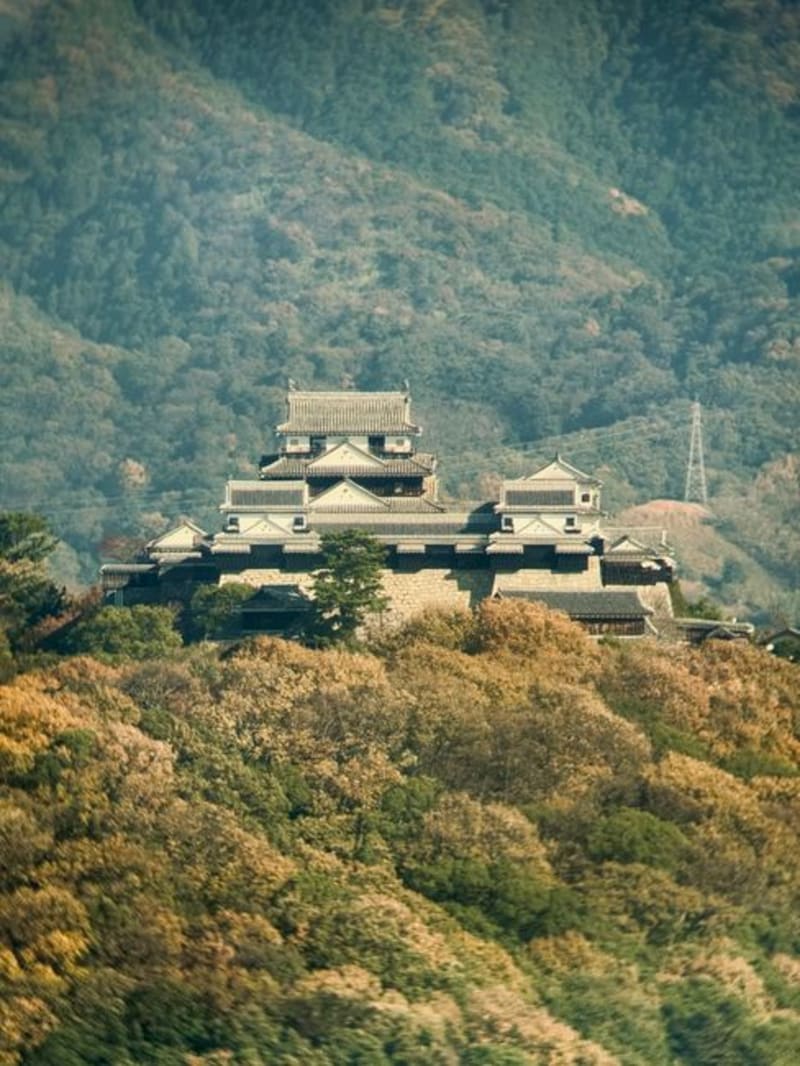
The largest city on Shikoku, built around Dōgo Onsen — one of the oldest hot springs in Japan and its grand wooden bathhouse. A hilltop castle, rattling streetcars, and a warm, literary, unhurried spirit all its own.
Explore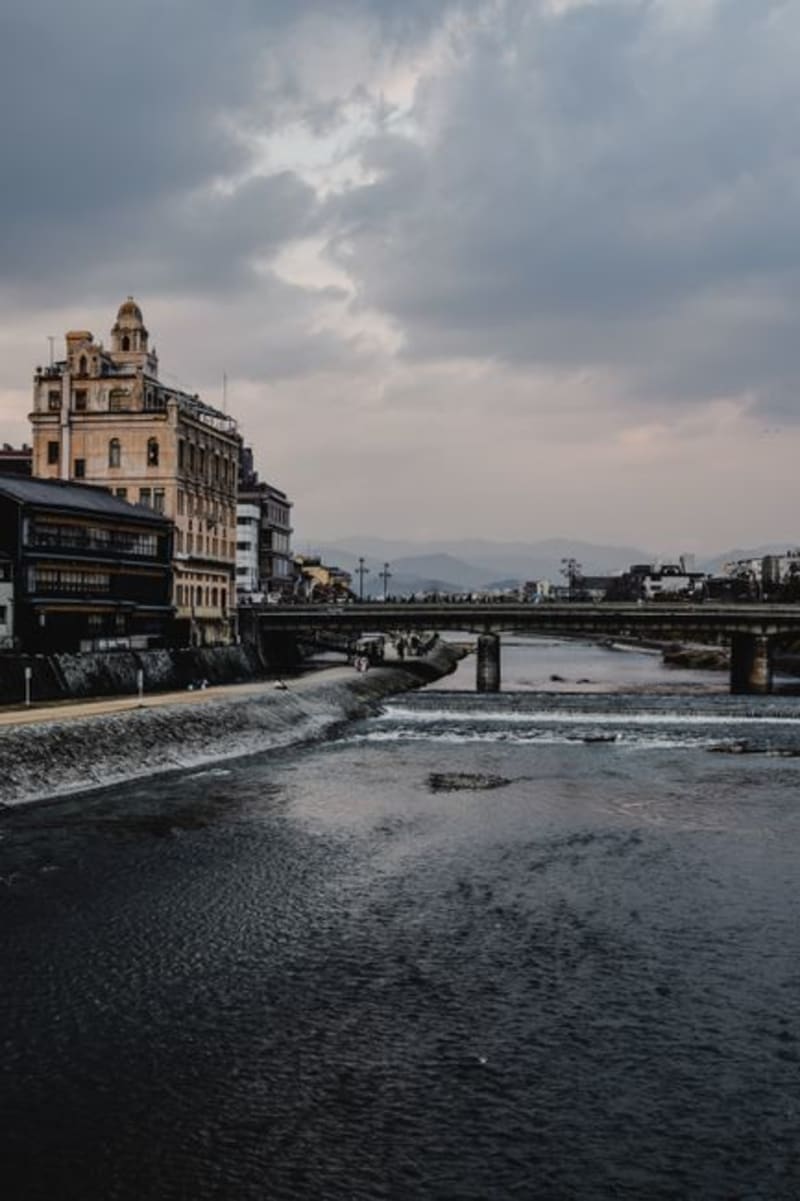 japan
japan Mima
A river town in Tokushima where a single Edo street survives almost whole — the white-plastered homes of the old indigo merchants, crowned with ornate fireproof udatsu gables that were once a quiet boast of wealth. It is history you can walk down slowly, with the Yoshino River at its back.
Explore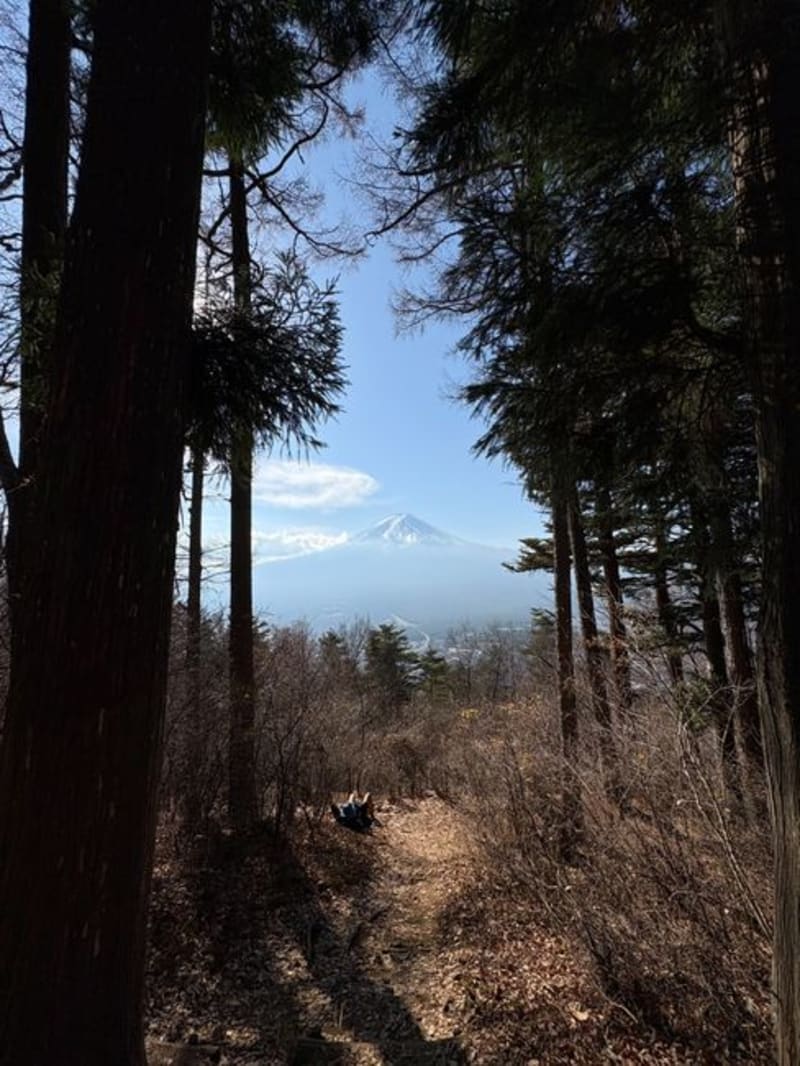 japan
japan Mount Ishizuchi
The highest peak in all of western Japan and a Shugendo ascetic training ground for over a millennium, proven by sets of iron chains bolted straight up the near-vertical rock faces below its summit. Climbers can take the chains for the old-school ordeal or the wooden stairs bolted alongside for a gentler ascent.
Explore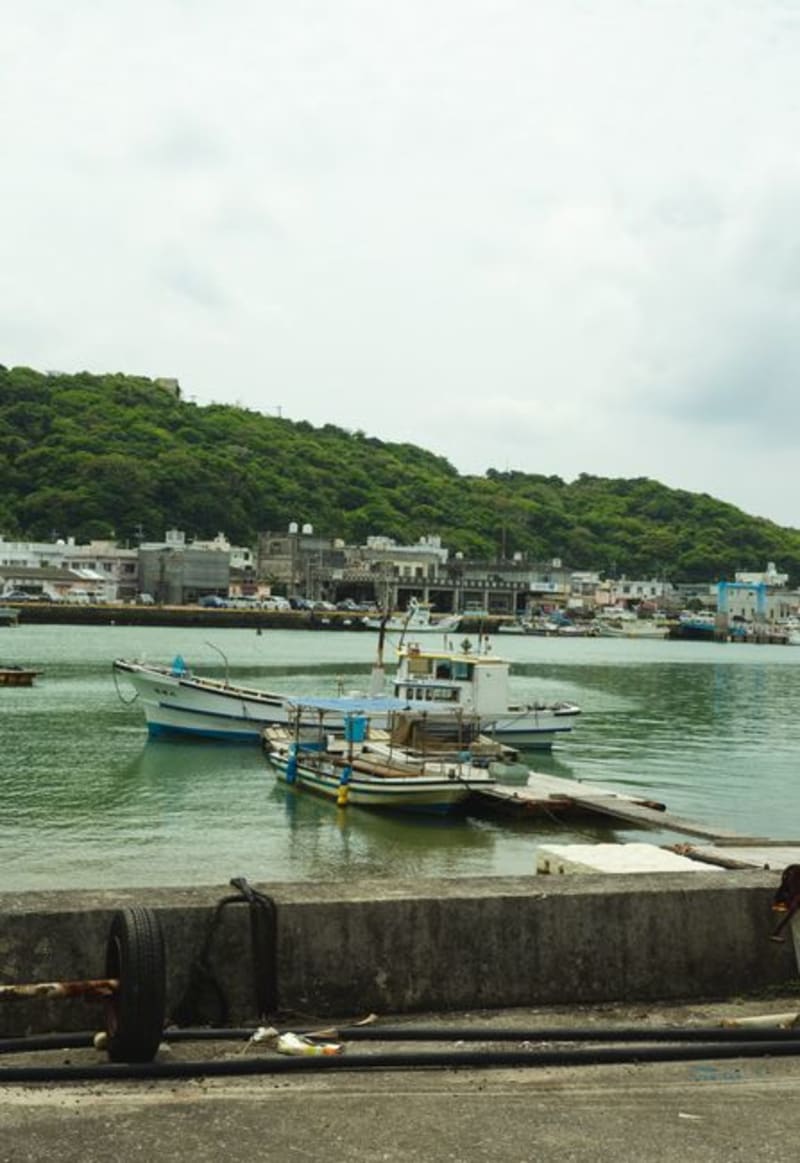 japan
japan Mugi
A small Tokushima town on the Pacific edge of Shikoku, where sea turtles come ashore to nest and a white lighthouse keeps watch over water so blue it looks dyed. Mugi is the kind of place you reach at the end of a road and wonder why you ever hurried anywhere.
Explore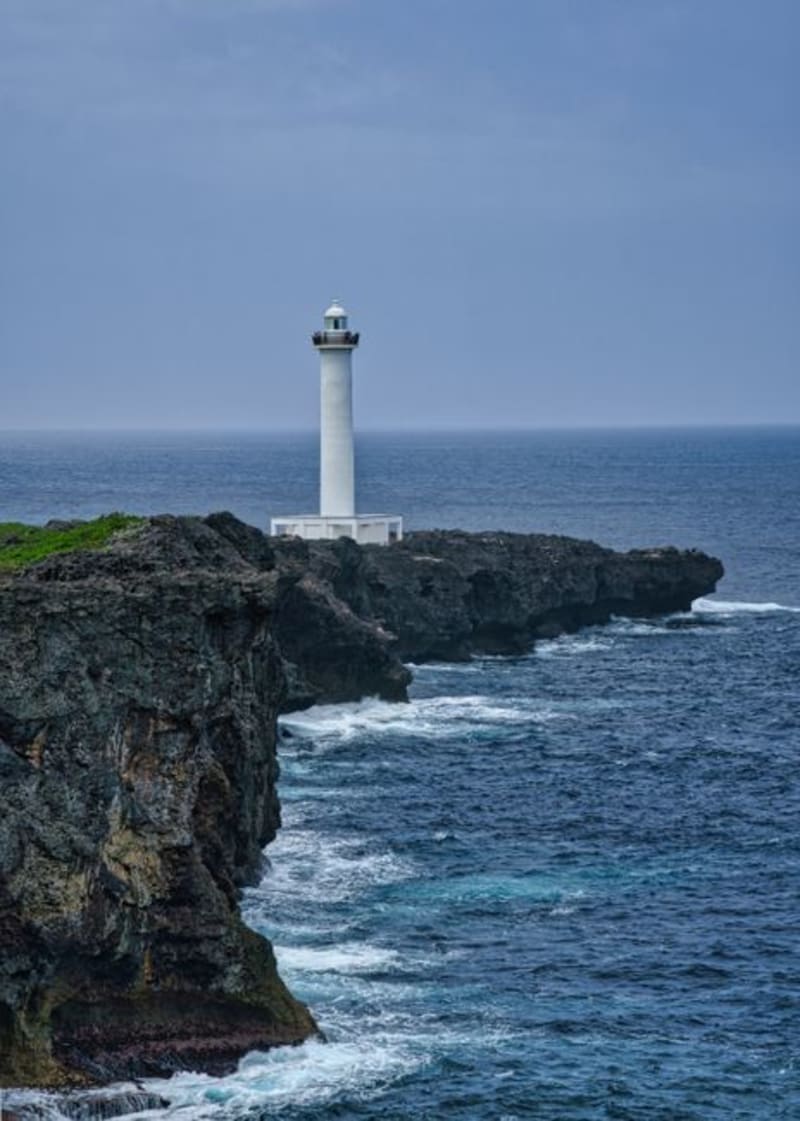 japan
japan Muroto
A cape flung out into the Pacific at the raw edge of Kōchi, where the land is still rising out of the sea. Muroto is uplifted rock, subtropical green, and a lighthouse that has watched the dark water for over a century. We went to feel small, and it obliged.
Explore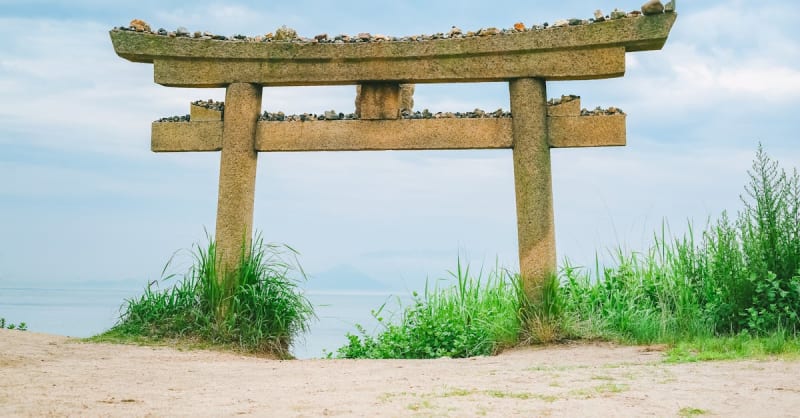 japan
japan Naoshima
A tiny island in the Seto Inland Sea transformed into one of the world's great open-air art museums.
Explore