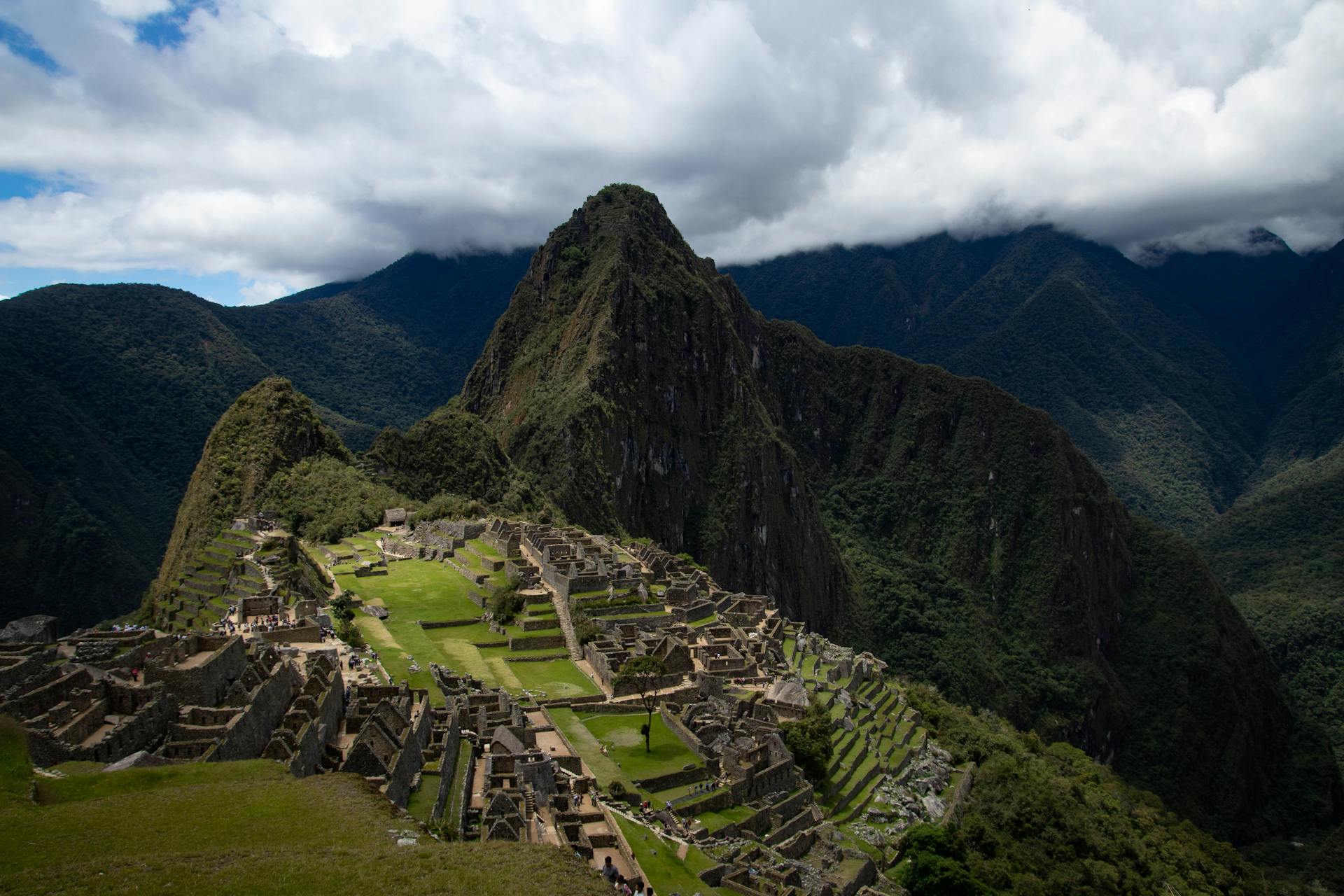
Maya pyramids, sacred cenotes, and a cuisine distinct from the rest of Mexico. The Yucatán is a peninsula with its own identity.
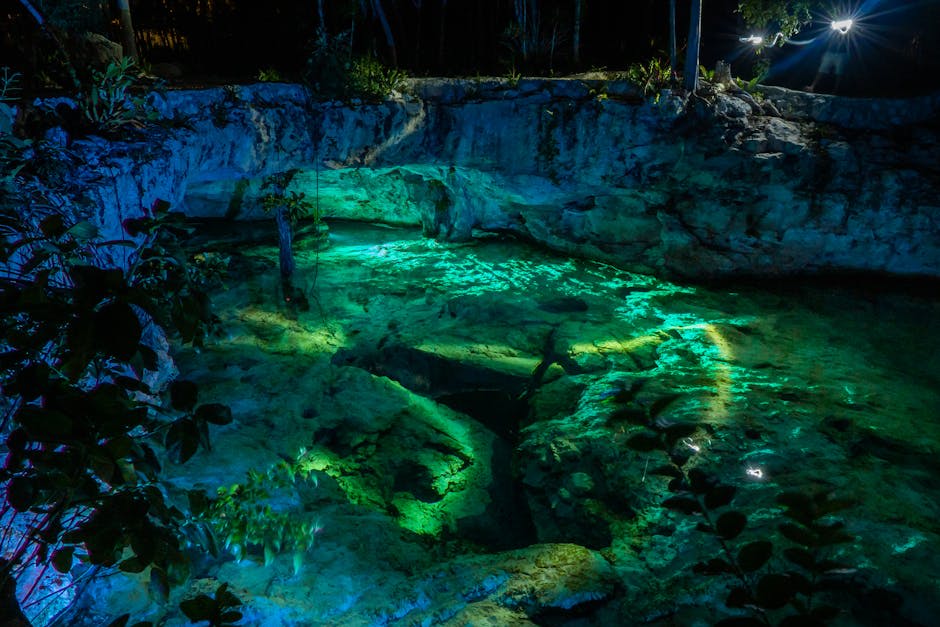
The Yucatán Peninsula juts into the Caribbean like a flat limestone shelf, and beneath it lies one of the most extraordinary underground landscapes on earth: thousands of cenotes — sinkholes formed by the collapse of limestone bedrock — connected by subterranean rivers that the Maya considered entrances to the underworld. Swimming in a cenote, surrounded by stalactites and roots descending from the jungle above, is one of those experiences that makes the word “swimming” feel inadequate.
Mérida is the peninsula’s capital and the place to base yourself. It is a beautiful colonial city — white limestone buildings, grand plazas, a food scene that is exploding — and it has the advantage of being relatively untouched by the mass tourism that has consumed the Caribbean coast. The Sunday market on the Paseo de Montejo, the concerts in the parks, the panuchos and papadzules at the market — Mérida feels like a city that exists for its residents, not its visitors.
Chichén Itzá is the headline attraction, and it earns the UNESCO designation. The pyramid of Kukulcán is a mathematical and astronomical marvel — during the equinox, the shadow of a serpent descends the staircase. Visit at opening or in the late afternoon. The midday crowds are brutal.
Uxmal is the ruin that insiders prefer — a Puuc-style Maya city with the Pyramid of the Magician, the Nunnery Quadrangle, and a Governor’s Palace whose mosaic facade is one of the most intricate in the pre-Columbian world. Far fewer visitors than Chichén Itzá.
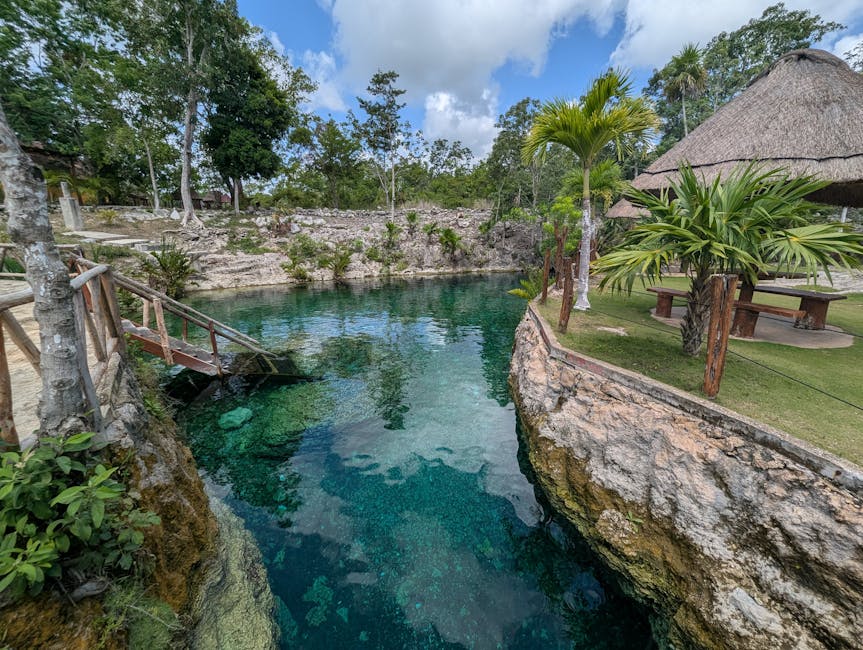
The cenotes — choose carefully. Cenote Suytun is dramatic (a beam of light hits the water through a hole in the cave ceiling) but crowded. Cenote X’Canché, near Ek Balam, is quieter and set in the jungle. The cenotes along the Ruta de los Cenotes near Puerto Morelos offer variety — open-air, cave, semi-open — within easy driving distance.
Yucatecan food is its own cuisine: cochinita pibil (slow-roasted pork in achiote and sour orange), sopa de lima (lime soup), poc chuc (grilled pork), and salbutes. It shares almost nothing with central Mexican cooking.
When to go: November to March for dry season. The Caribbean coast is warm year-round. Avoid the Riviera Maya from December 20 to January 5 unless you enjoy crowds and inflated prices.
Explore
Places in Yucatán
 mexico
 Acanceh
A small town south of Mérida where a Maya pyramid and a colonial church stand on opposite sides of the same plaza — no fence between them, no ticket booth, no explanation offered. Acanceh moves at its own pace, indifferent to the drama of what it contains.
Explore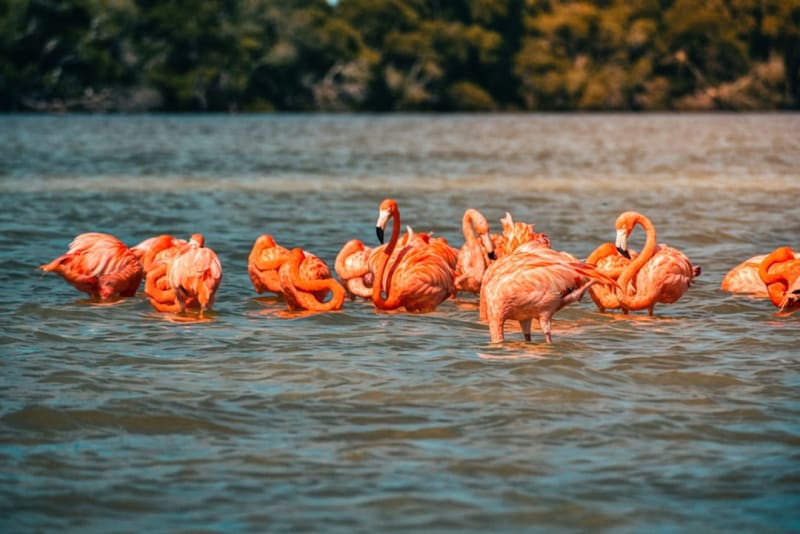 mexico
 Celestún
A remote Yucatán fishing village at the edge of a biosphere reserve where thousands of flamingos wade in a shallow estuary the color of old rose — the largest flamingo colony in North America.
Explore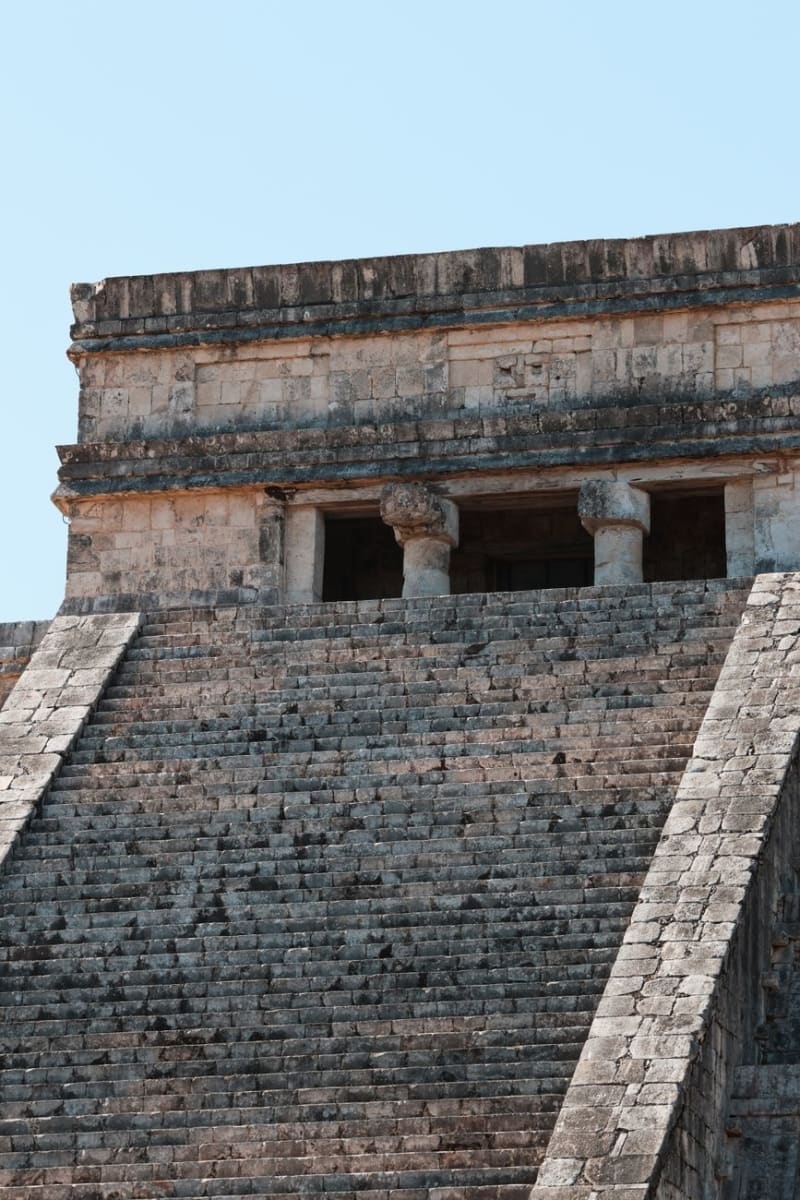 mexico
 Chichén Itzá
The most visited Maya archaeological site in the world and, visited with a strategy, one of the most extraordinary. El Castillo's geometry, the Great Ball Court's acoustics, El Caracol's astronomical precision — the crowds are real and manageable, and the nearby cenotes are not optional.
Explore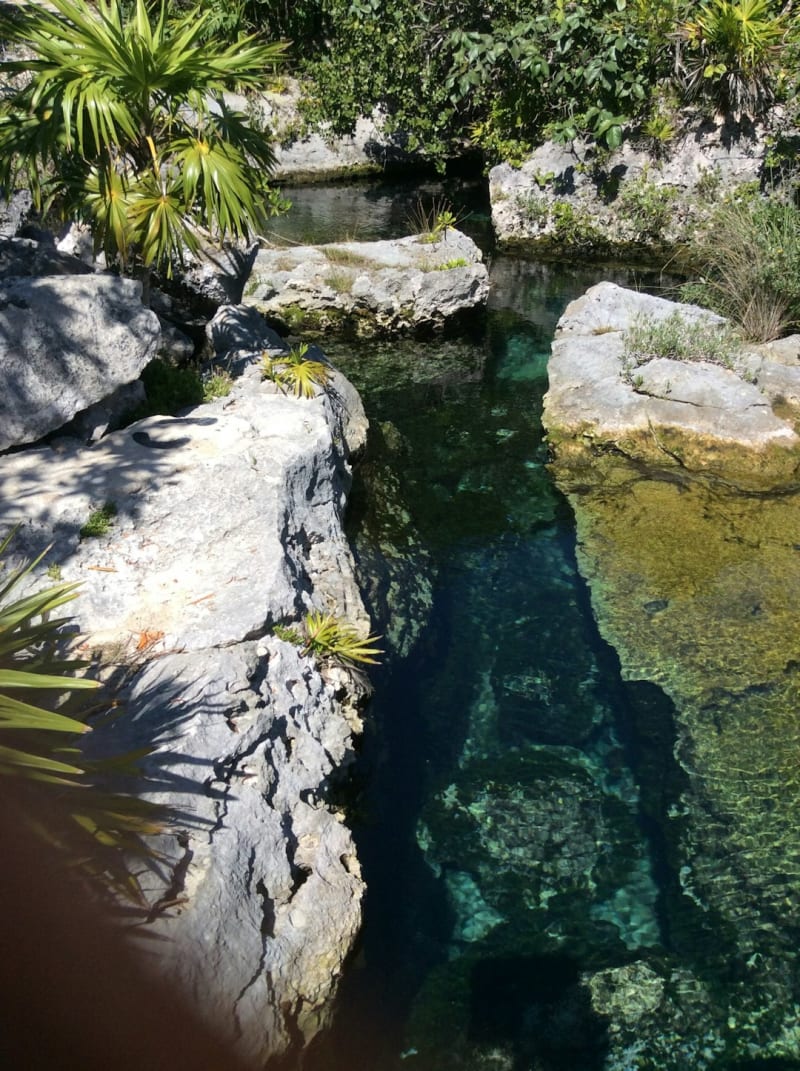 mexico
 Cuzamá
A horse-drawn cart on abandoned hacienda rails is the only way to reach Cuzamá's three cenotes, and somehow that is exactly the right way. The water at Chelentún, Chansinic'che, and Bolonchoojol is the kind of blue that looks like a filter until you are swimming in it. Yucatán at its most quietly spectacular.
Explore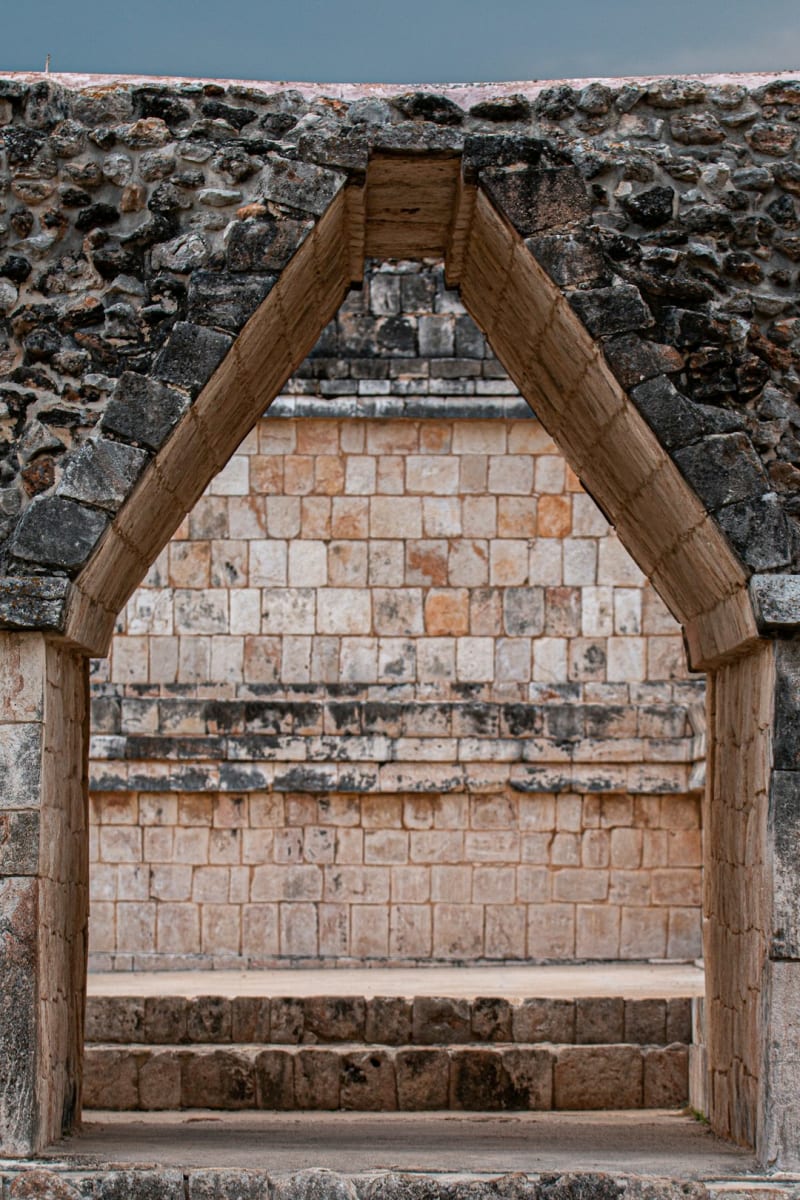 mexico
 Dzibilchaltún
Fifteen minutes north of Mérida, Dzibilchaltún is a Maya site occupied continuously for three thousand years, with a temple precisely aligned to the equinox dawn and a cenote you can actually swim in. Most days the parking lot is half empty.
Explore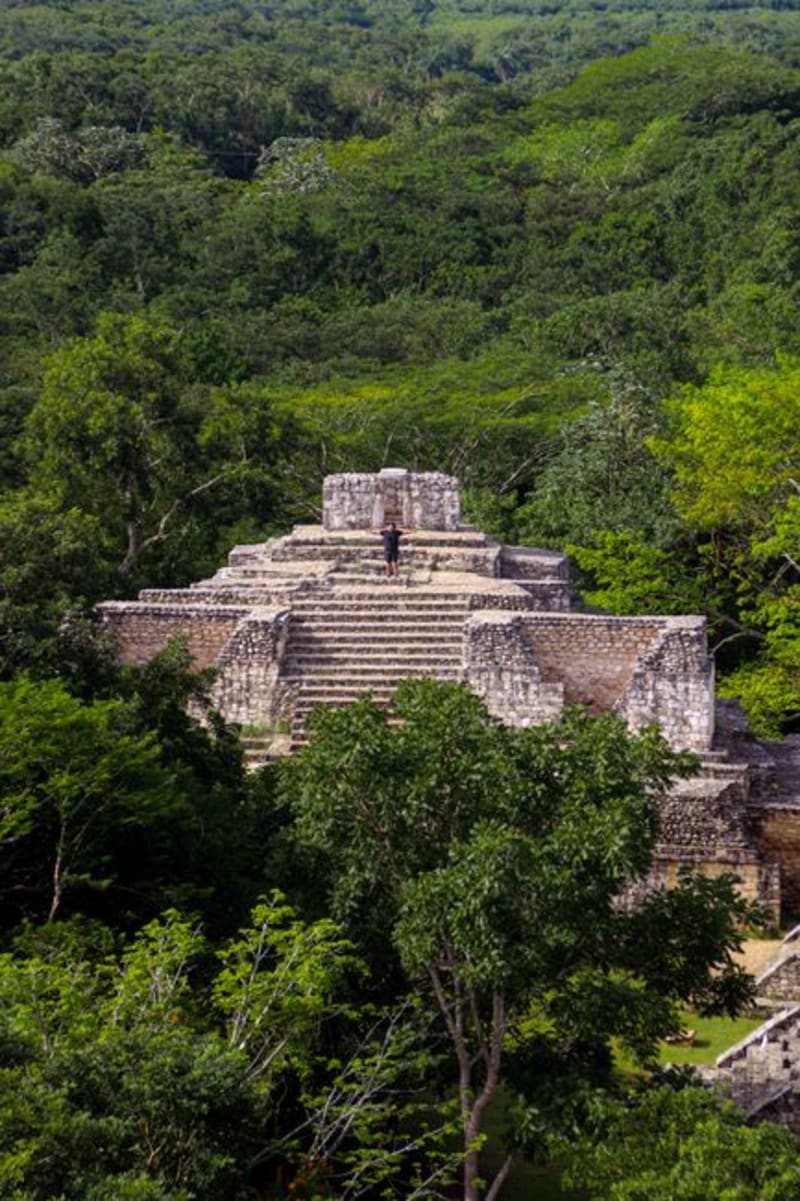 mexico
 Ek Balam
One of the few Maya pyramids still open to climbers, Ek Balam sits forty minutes north of Valladolid in near-total obscurity — which makes no sense once you see the stucco jaguar-mouth frieze waiting at the summit of the Acropolis. The site is thirty-two meters of original stone with the best-preserved Maya sculpture I have encountered in Mexico, and almost nobody comes.
Explore mexico
 Espita
A colonial town in the cattle country of northeastern Yucatán that almost nobody visits. Wide streets lined with 18th-century mansions going gently to seed, a church on the plaza that outlasted the henequen economy, and the particular silence of a place that has made peace with being off the tourist map.
Explore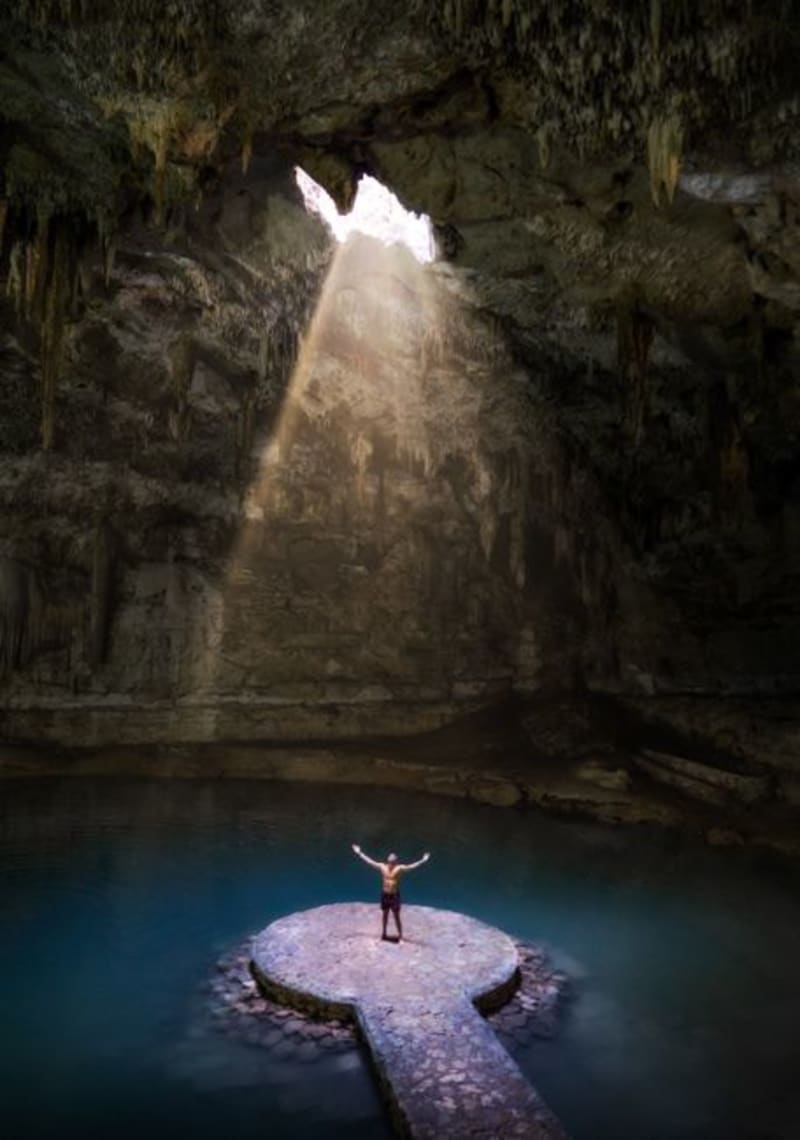 mexico
 Homún
Homún is a small Maya village in central Yucatán surrounded by a loose circuit of cenotes, most of them owned and run by local families who have never seen a reason to advertise. The water here is so clear it looks wrong, and the silence between them is just cornfields and bicycle chains.
Explore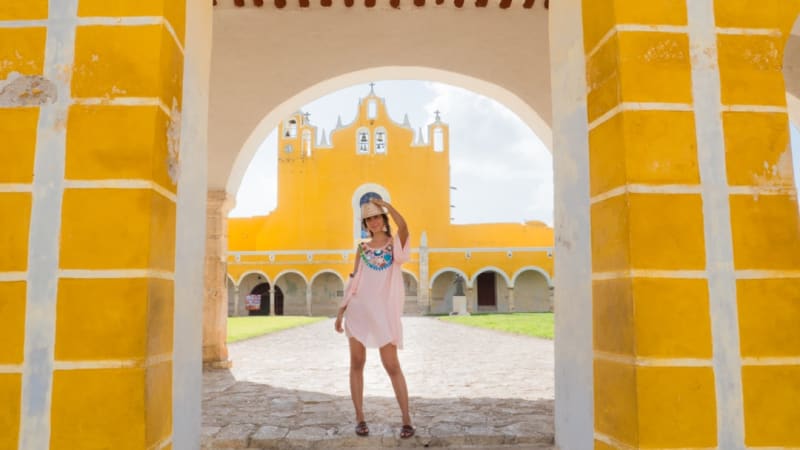 mexico
 Izamal
The yellow city — a Yucatán town where every building has been painted the same shade of ochre for centuries, built on and around a Mayan pyramid the Franciscans used as their foundation.
Explore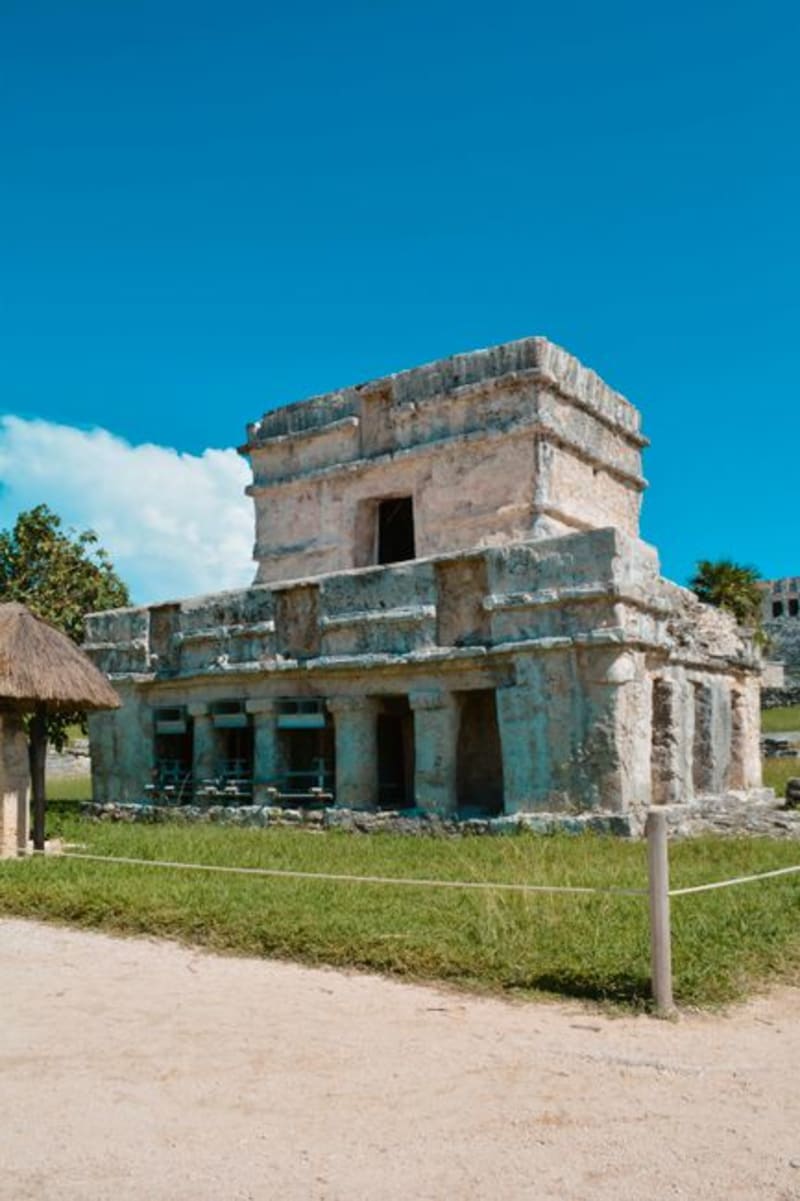 mexico
 Kabah
Twenty kilometres south of Uxmal on the Puuc Route, Kabah holds one of the most unsettling facades in Mesoamerica: the Codz Poop, a palace whose every surface is covered in carved Chaac rain god masks, each limestone face staring outward with a hooked, scrolling nose. The site sees a fraction of the traffic Uxmal does, which means that on most mornings you can stand in front of 250 stone faces with no one else in the frame.
Explore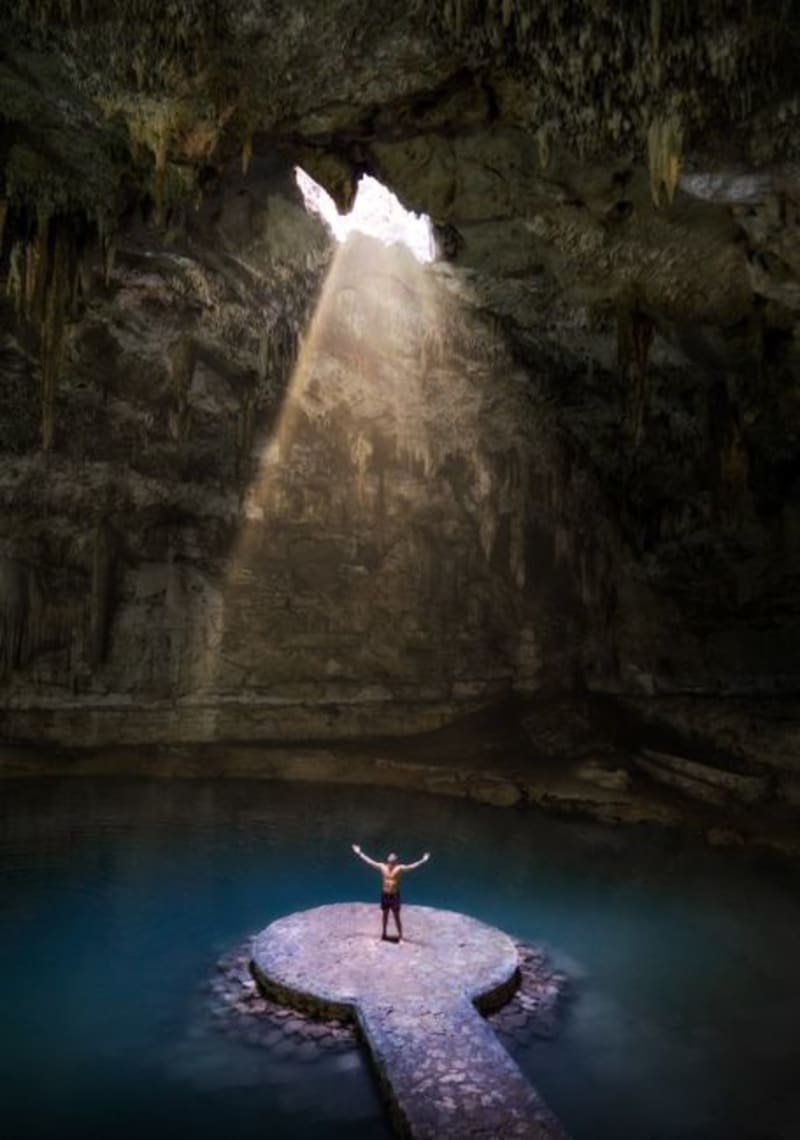 mexico
 Loltún
The Grutas de Loltún are an ancient cave system in the Puuc hills of Yucatán, occupied since the Pleistocene and used by the Maya for millennia — their walls hold mammoth bones, bas-relief carvings, and the kind of silence that feels actively inhabited.
Explore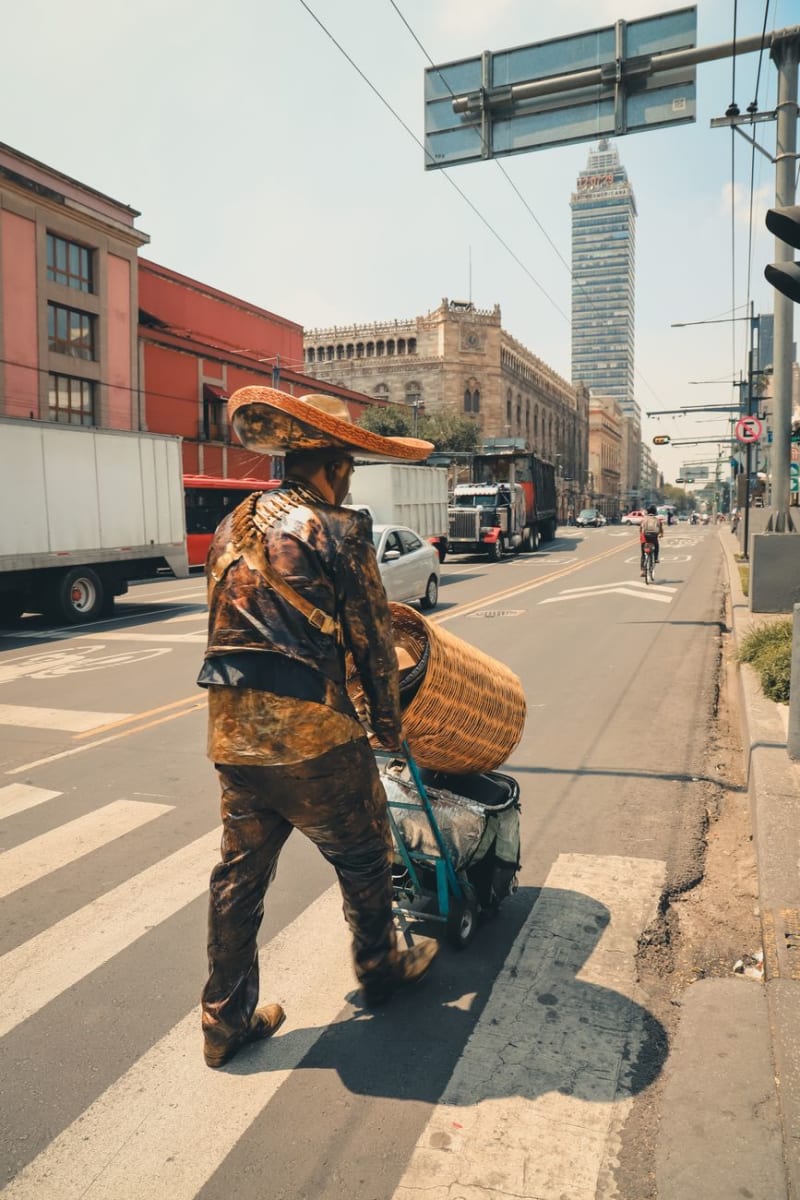 mexico
 Maní
Maní is a small town in the Puuc hills of Yucatán where, on July 12, 1562, the Franciscan bishop Diego de Landa burned the Maya codices — the folded bark-paper books containing centuries of astronomical, religious, and historical knowledge. Only four Maya codices survive in the entire world. The church where this happened is still standing. The town, somehow, makes the finest poc chuc I have eaten anywhere in the Yucatán.
Explore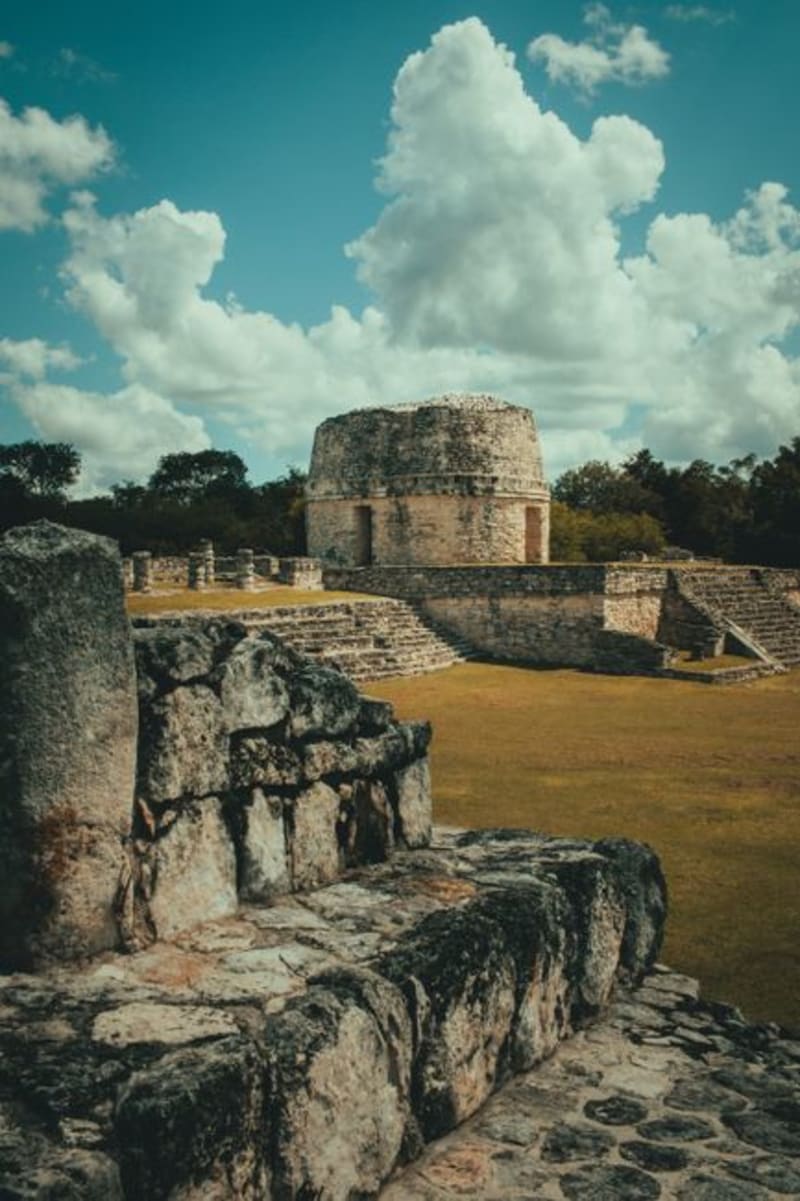 mexico
 Mayapán
The last great Maya capital before Spanish contact, Mayapán governed most of Yucatán for two centuries and now receives a fraction of the visitors that Chichén Itzá collects in a single morning. Quiet, archaeologically serious, and strangely intimate for a site of such historical consequence.
Explore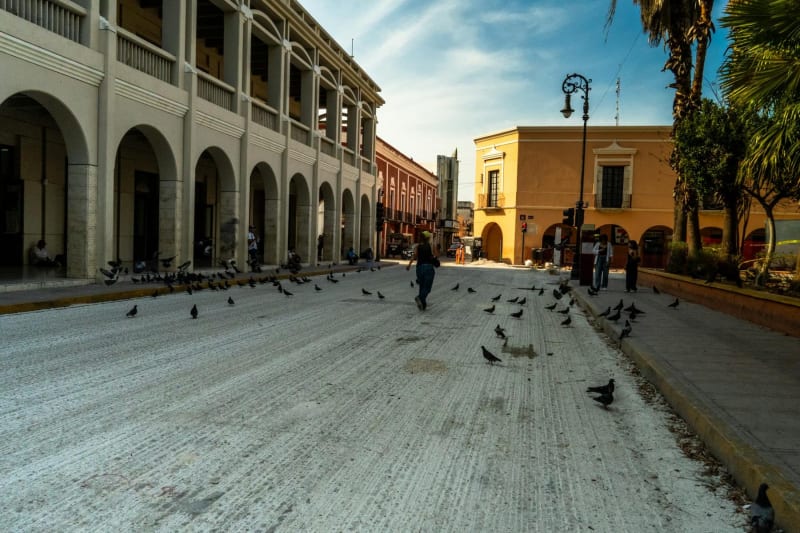 mexico
 Merida
The White City of the Yucatan blends Mayan heritage, colonial grandeur, and some of Mexico's finest food.
Explore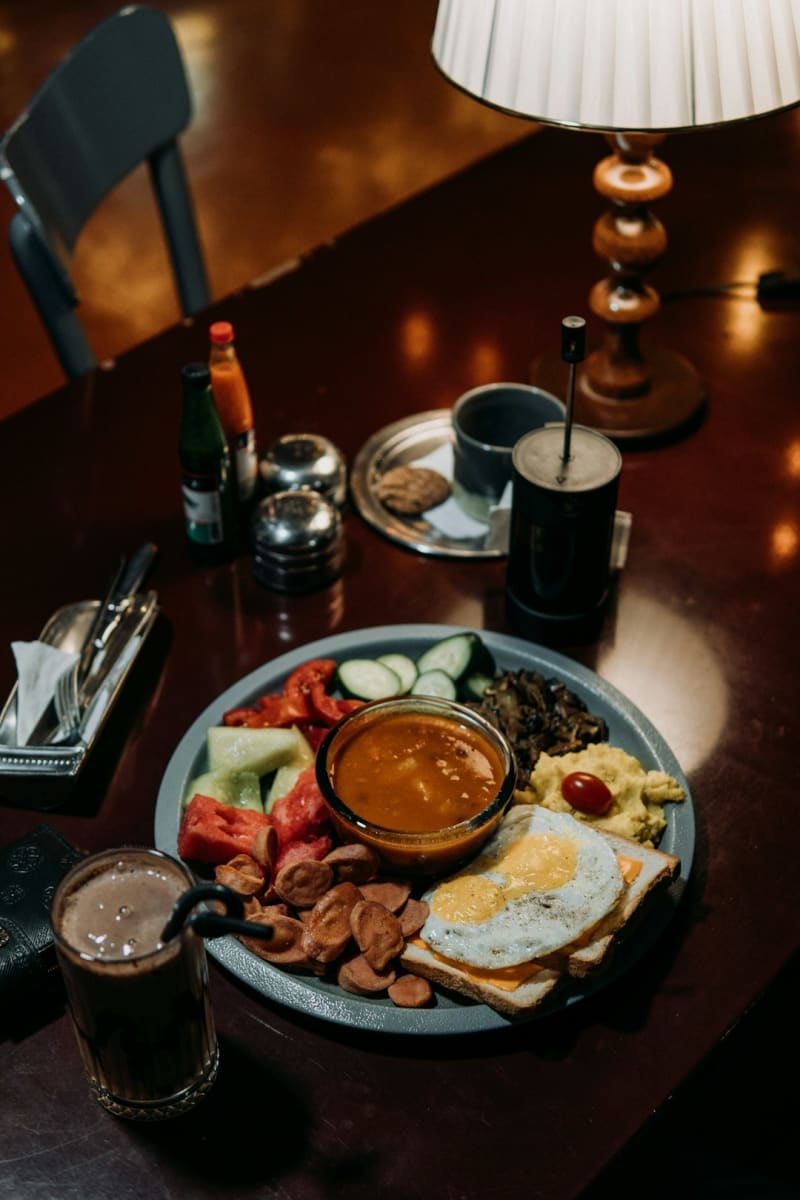 mexico
 Motul
Motul is the quiet Yucatecan town that gave Mexico one of its most beloved breakfast dishes — huevos motuleños — and locals here will not let you forget it. Beyond the egg-and-tostada mythology, you will find a graceful 16th-century convent, a covered market that still runs on henequen-country time, and the kind of unhurried plaza life that reminds you why you came to the peninsula in the first place.
Explore mexico
 Oxkutzcab
Oxkutzcab is the market capital of the Puuc hills region, a city in southern Yucatán whose surrounding groves produce limes, mandarins, oranges, mangoes, mamey, and the specific Yucatecan citrus varieties used in regional cooking. The Friday market is the largest in the Puuc zone, a genuine supply center for the Maya villages of the surrounding hills rather than a tourist operation. I bought a kilo of limes for three pesos, drove the Puuc Route, and ate tacos de cochinita in the market on the way back, which is roughly the correct order of operations.
Explore mexico
 Piste
Piste sits at the edge of Chichén Itzá and most visitors treat it as a lunch stop between buses. Those who stay overnight find a quiet Yucatecan town with genuinely good cochinita pibil, cenotes reachable by bicycle, and the rare privilege of arriving at the ruins before the tour groups.
Explore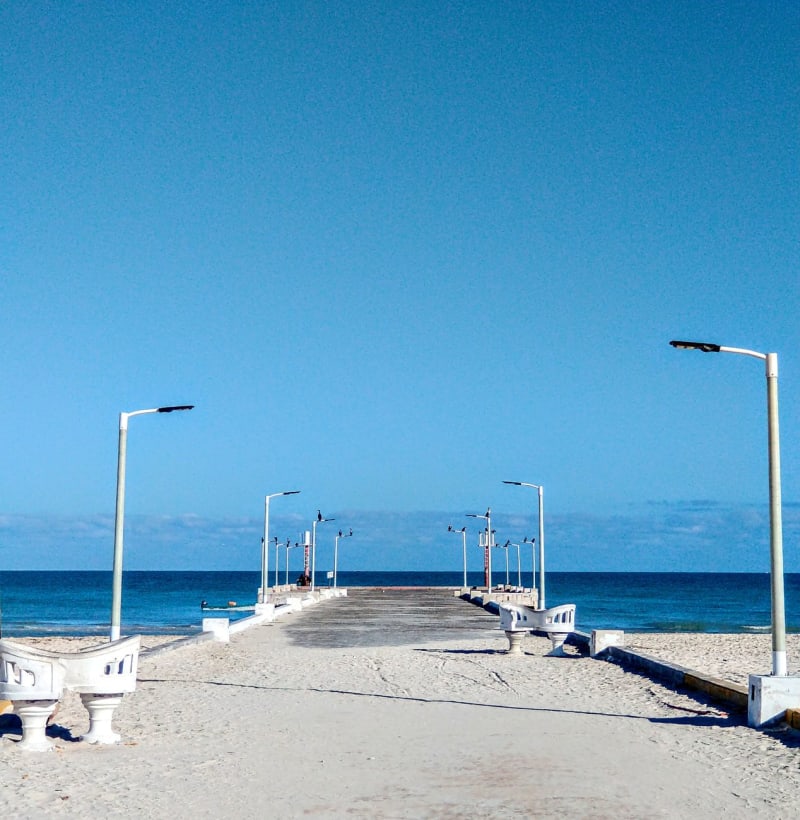 mexico
 Progreso
Mérida's seaside escape sits at the end of a long, flat causeway jutting into the Gulf of Mexico, where the water turns an improbable shade of jade-green and the pier stretches so far into the shallows it feels like a walking dare. The town runs on fish, salt air, and the seasonal rhythm of Meridanos fleeing the inland heat. I came for one afternoon and stayed two days.
Explore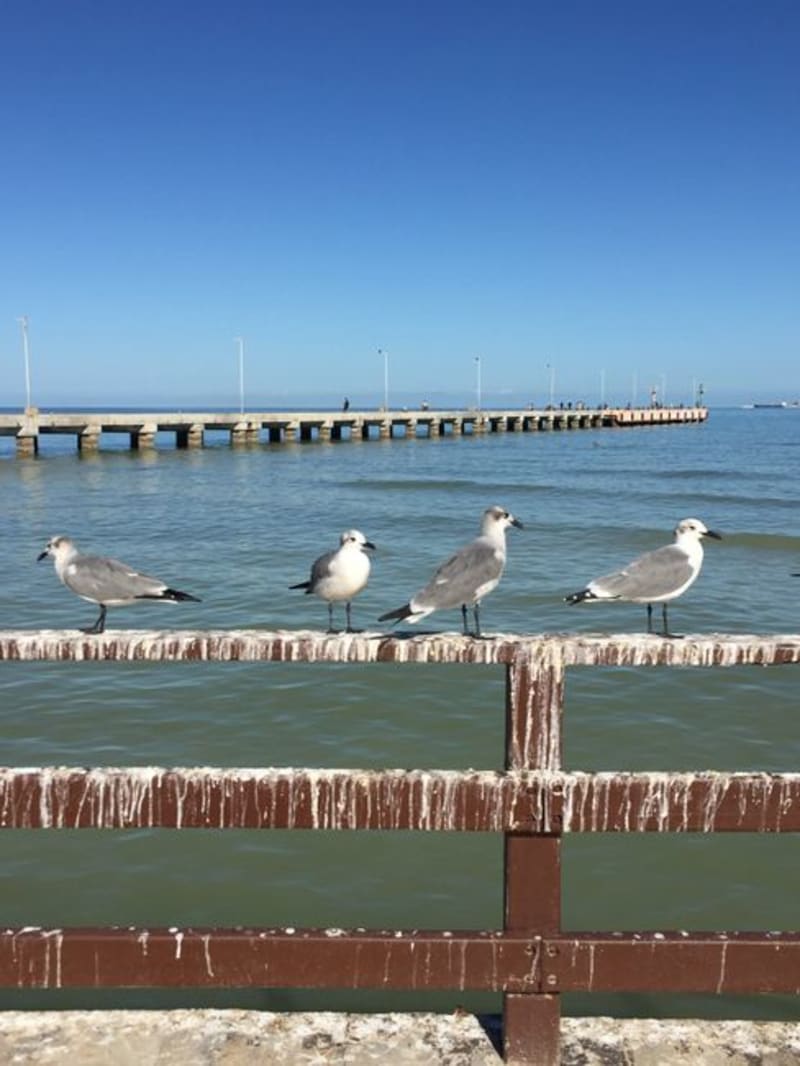 mexico
 Progreso
Mérida's beach escape sits on a flat, windswept stretch of Gulf coast where the water stays shallow and warm and the pier stretches six kilometers into the horizon. Meridanos have been coming here for generations to eat ceviche, wade in the sea, and do absolutely nothing at a pace the rest of the peninsula can't quite match.
Explore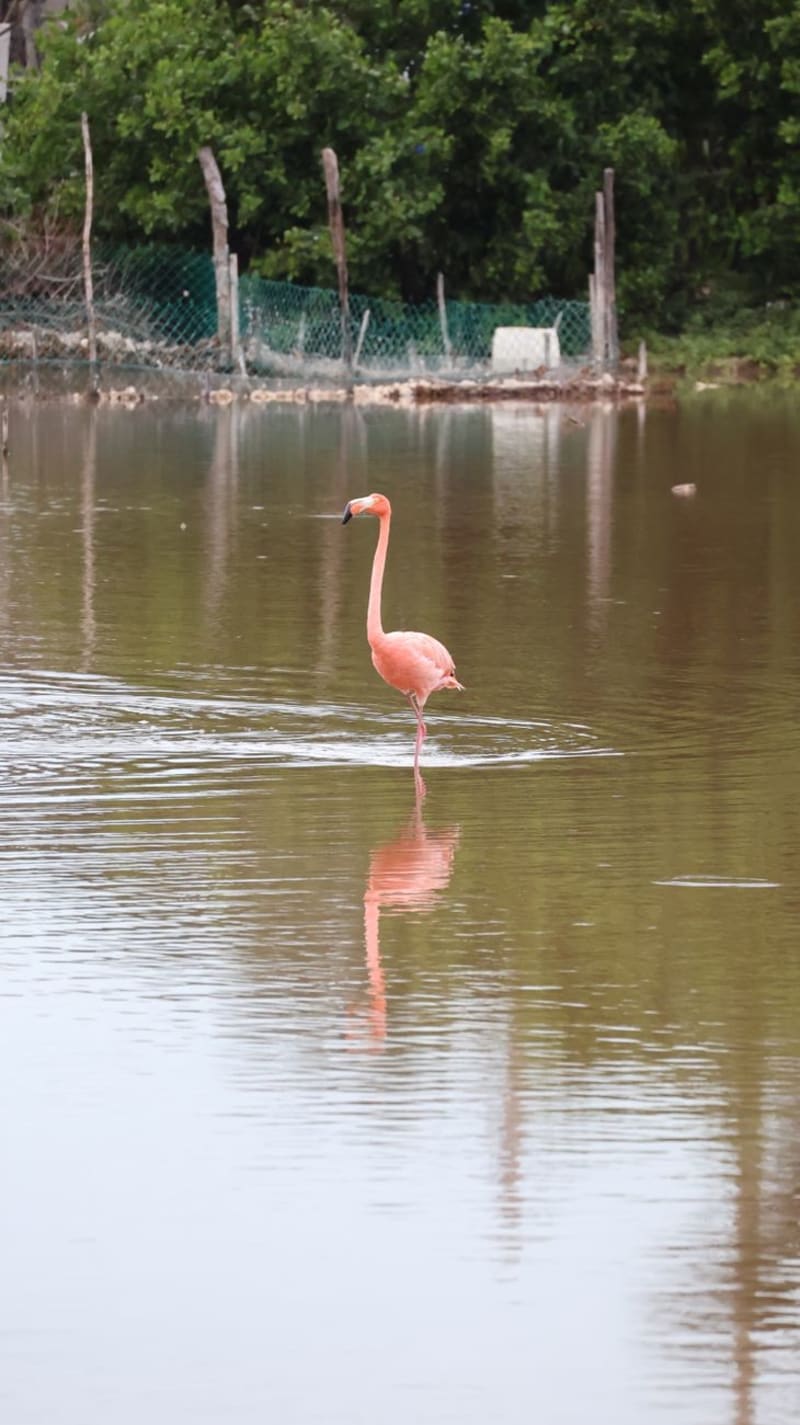 mexico
 Río Lagartos
A small fishing village on the north Yucatán coast inside the Ría Lagartos Biosphere Reserve, home to the largest flamingo colony in North America. Dawn boat tours through mangrove channels reach the nesting grounds, and the adjacent pink saltflats — Las Coloradas — offer a color that seems edited in.
Explore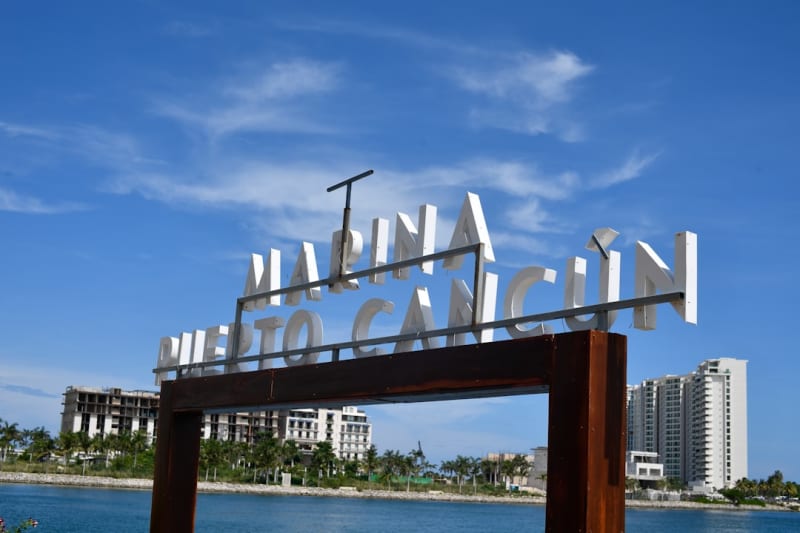 mexico
 Sisal
A forgotten Yucatán port where the henequen trade built a customs house and an 18th-century fort, the flamingos fly in from the Celestún lagoon at dusk, and the fishing boats unload octopus on a beach that hasn't changed since the henequen ships stopped coming.
Explore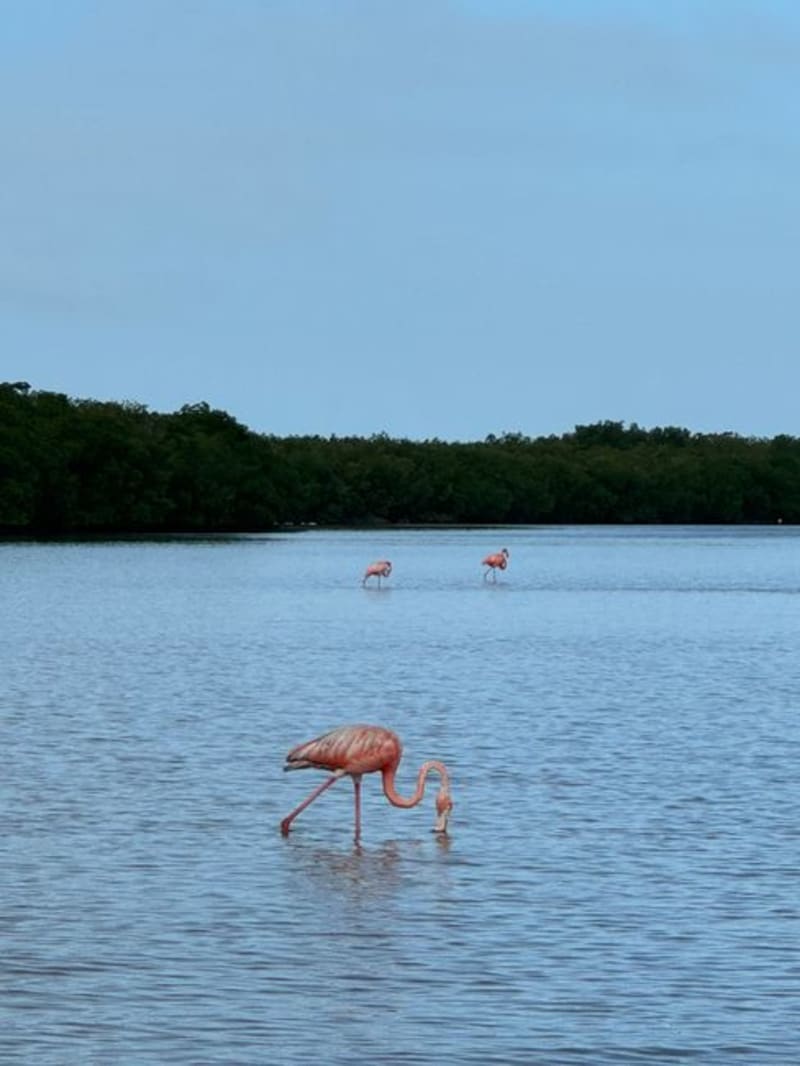 mexico
 Sisal
A forgotten colonial port on the Yucatán coast where henequen once shipped to the world and time has graciously stood still since. A crumbling 19th-century fort, flamingos wading in the estuary at dusk, and almost nobody else around to notice any of it.
Explore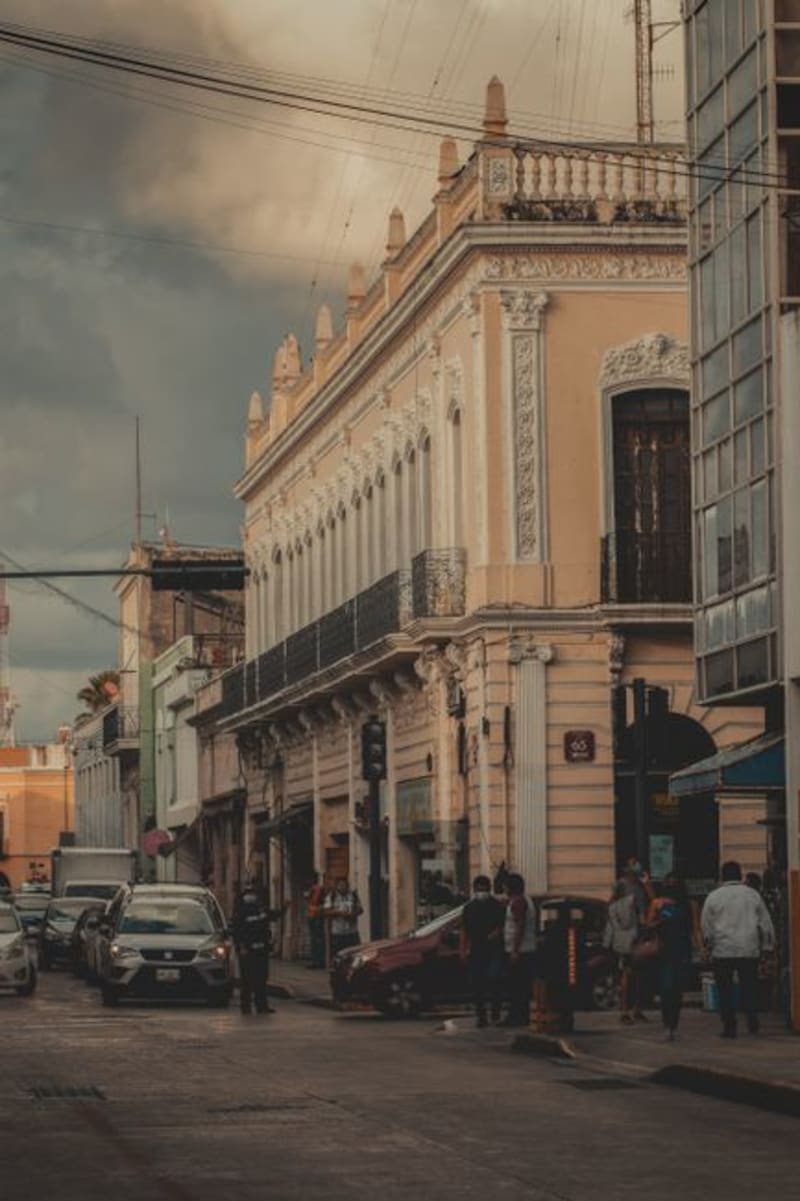 mexico
 Tekax
Tekax sits at the southern edge of Yucatán where the highway traffic thins and the towns grow quieter. A massive Franciscan convent anchors a plaza that empties by nine at night, and a few kilometers out, a cave holds one of the largest bat colonies in the peninsula.
Explore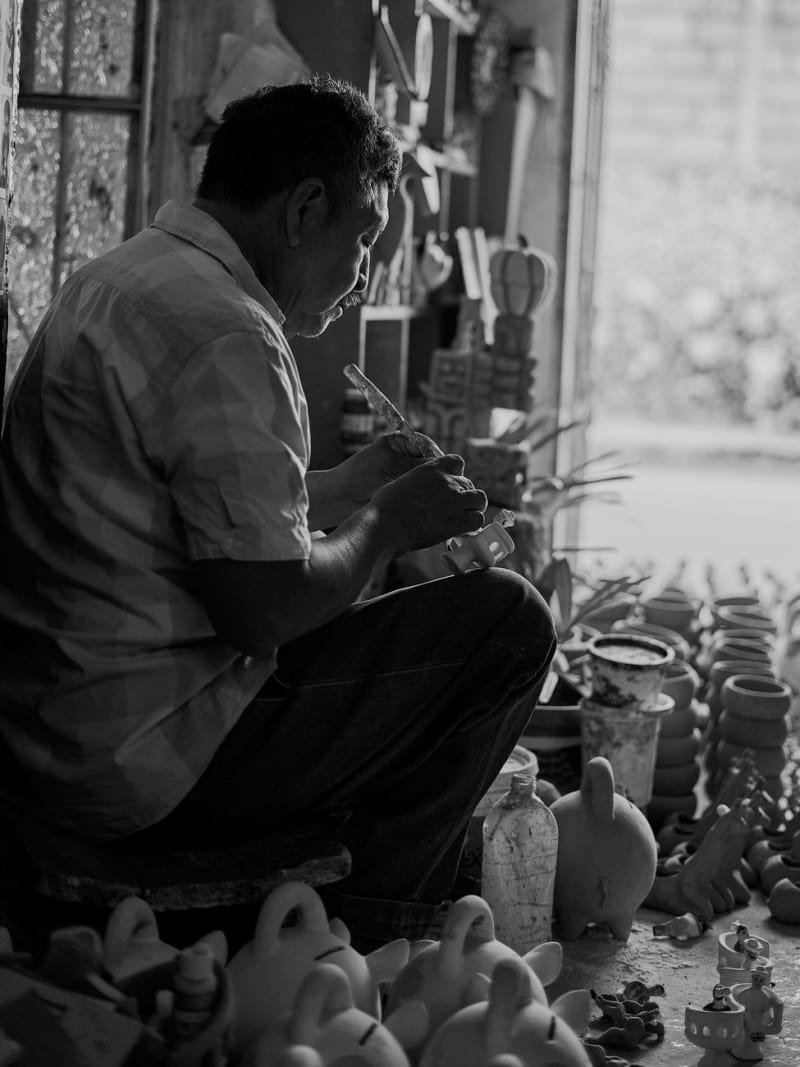 mexico
 Ticul
Ticul sits in the Puuc hills of southern Yucatán, 17 kilometers from the ruins of Uxmal, known for two things that coexist with improbable practicality: traditional Maya pottery in red local clay and handmade women's shoes. The food reason to come is poc chuc — thin-cut pork marinated in sour orange and grilled over wood — cooked here with a simplicity that the Mérida versions, however decent, cannot replicate. I ate it in a restaurant that has occupied the same building since 1965 and understood that I had been ordering the wrong thing in the capital for several months.
Explore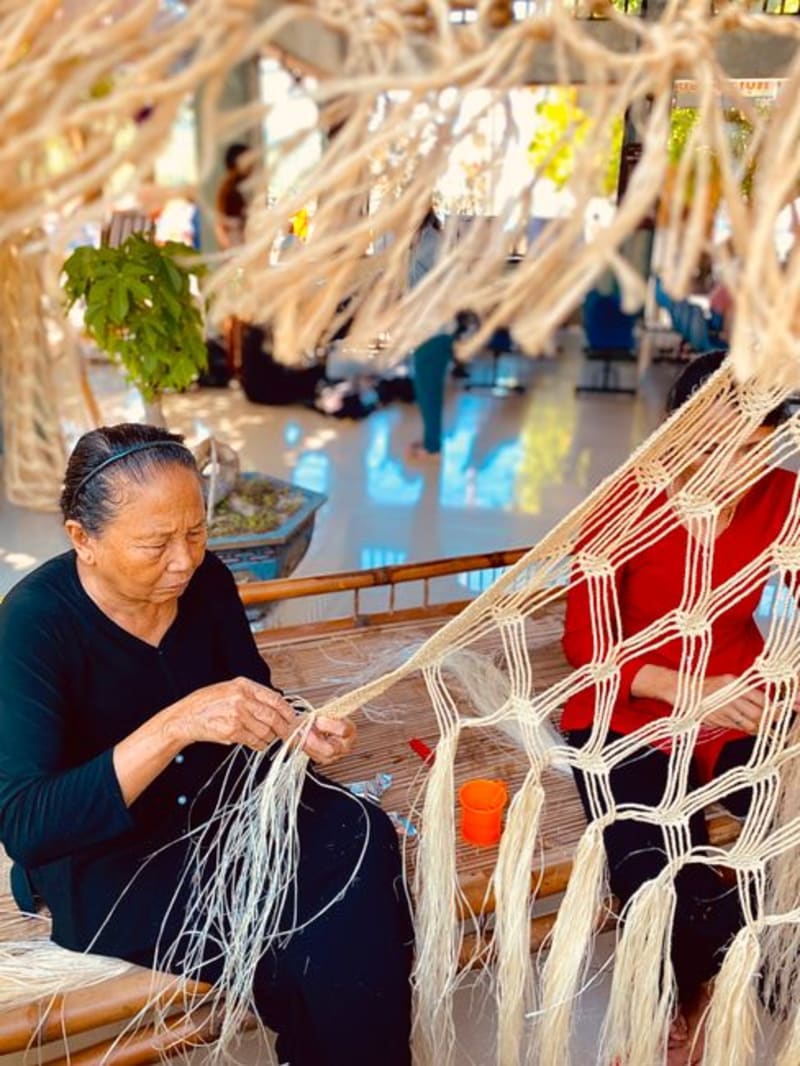 mexico
 Tixkokob
Half an hour east of Mérida, Tixkokob has been weaving hammocks for generations — the ones filling hotel rooms across the Yucatán Peninsula, quietly and without markup. Family workshops line the streets, the whole process visible from the sidewalk: cotton dyed in terracotta and indigo, warp threads stretched across rooms, finished pieces tested with forty years of practiced confidence.
Explore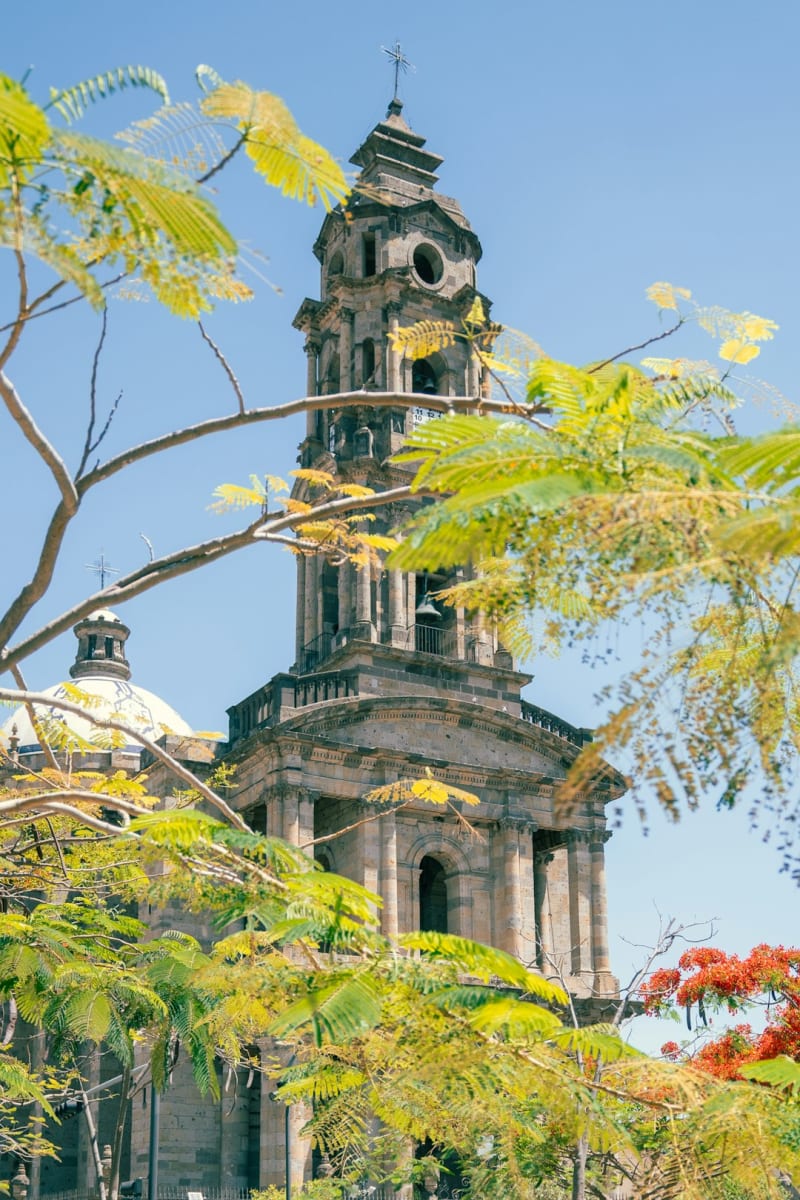 mexico
 Tizimín
The self-declared cattle capital of Yucatán, Tizimín is a working ranching town that comes spectacularly alive each January for a two-week feria centered on livestock, bullfighting, and regional food. Its colonial heart is anchored by the twin-towered Convento de los Santos Reyes — a structure that feels earned rather than preserved.
Explore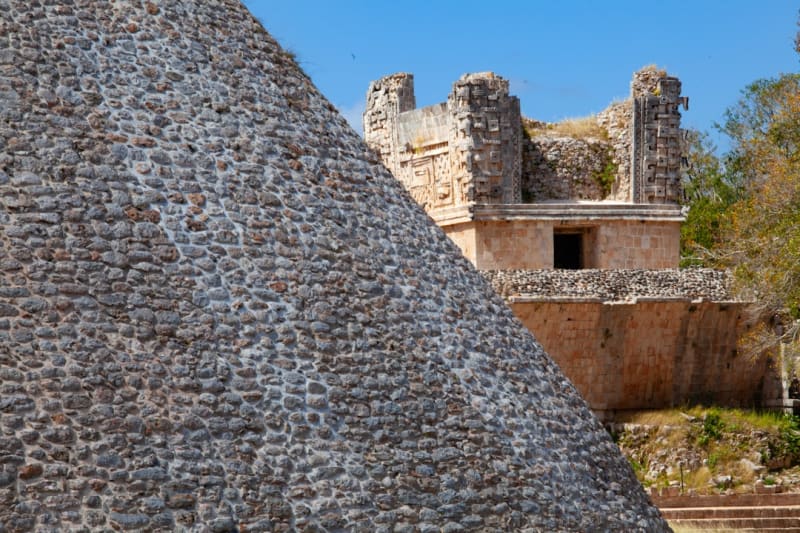 mexico
 Uxmal
The finest Maya architecture in the Yucatán — Puuc-style stone mosaic facades, a pyramid built to align with Venus, and almost none of the crowds that swamp Chichén Itzá.
Explore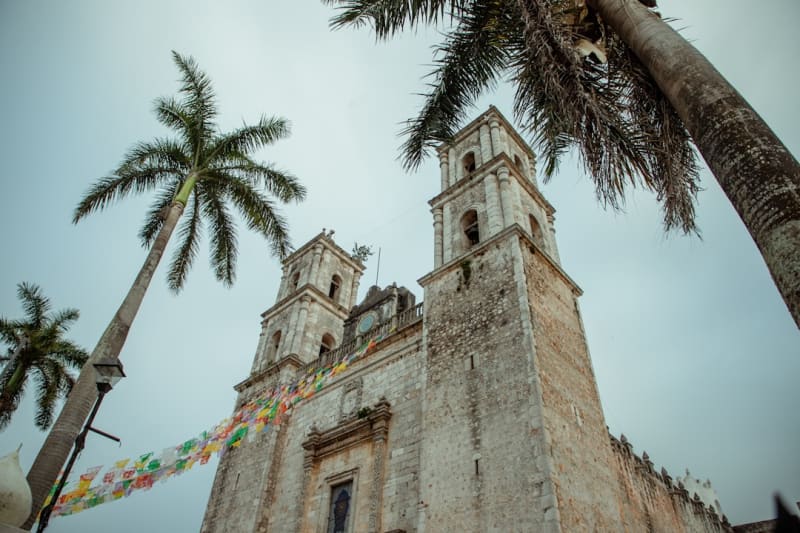 mexico
 Valladolid
A colonial Yucatán town between Mérida and Chichén Itzá — slower, cheaper, and more genuinely inhabited than either, with cenotes in its basement and one of the best markets in the peninsula.
Explore