Celestún
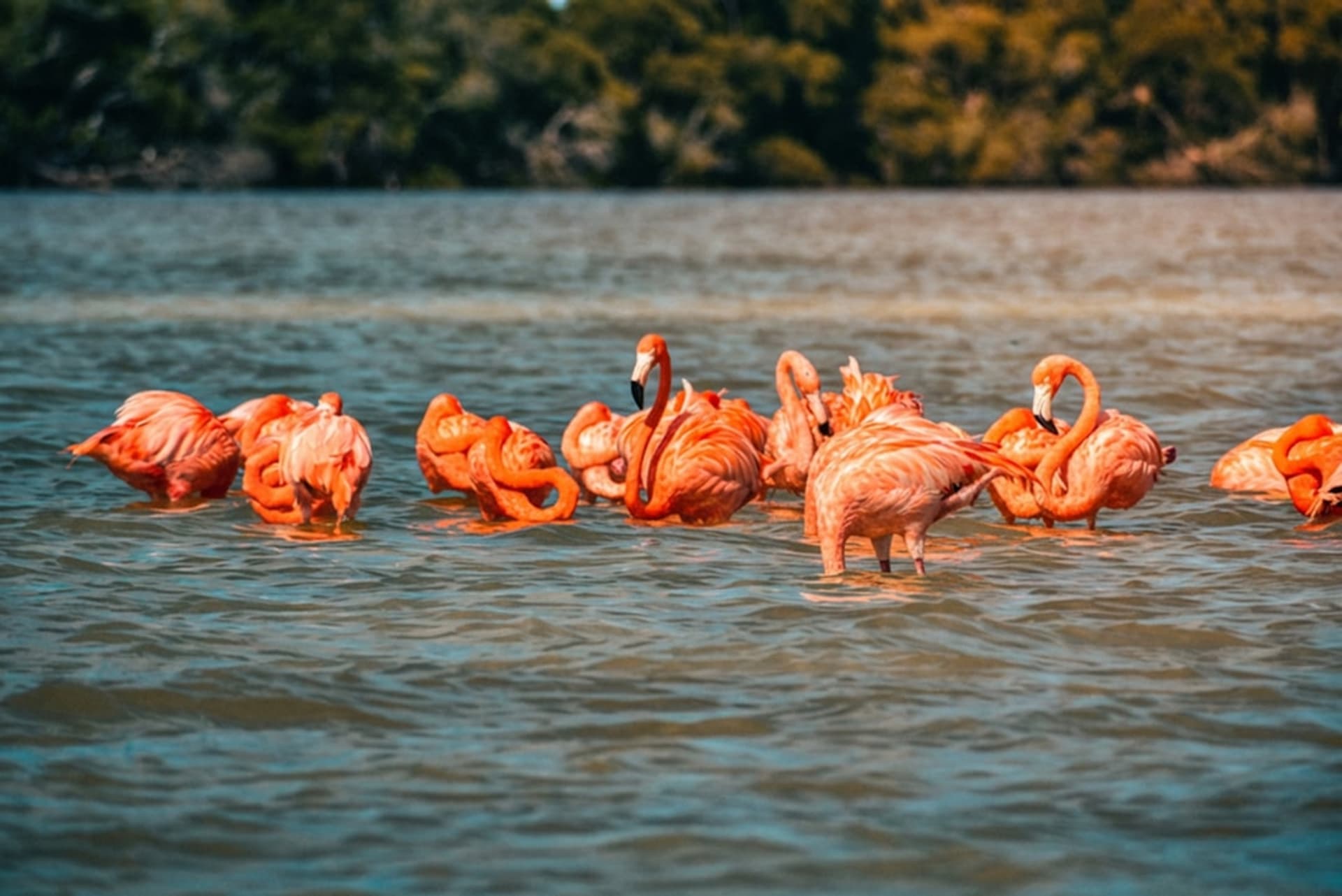
"The flamingos turn the estuary pink. Not metaphorically — the water itself changes color from the algae they eat and disturb. Thirty thousand birds in one lagoon."
Celestún sits at the end of a road that runs west from Mérida across the flat Yucatán peninsula and terminates at the Gulf of Mexico, where a narrow barrier island of white sand separates the open sea from a 591-square-kilometer lagoon system. The lagoon is the Reserva de la Biosfera Ría Celestún, and it contains the largest colony of American flamingos in North America — between 30,000 and 60,000 birds at peak season, concentrated in the shallow, algae-rich waters where their primary food source grows.
I went at dawn in March, which is the correct timing by a significant margin. The boat left the village dock at 6am in complete darkness. By the time the sun came up enough to see, we were inside the ría in water that was ankle-deep and perfectly still, and the flamingos were everywhere.
The Flamingos
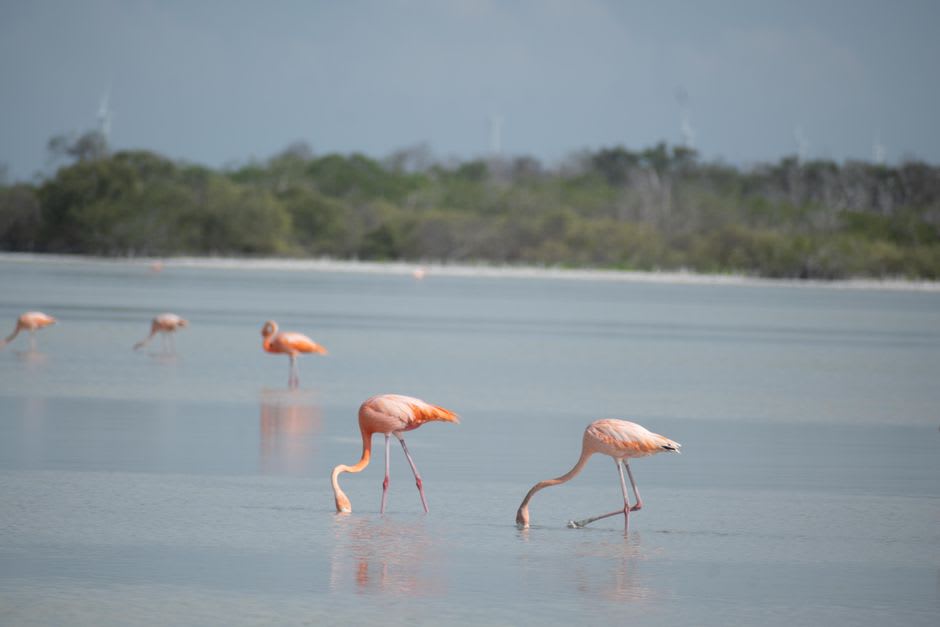
The American flamingo (Phoenicopterus ruber) is the largest and most vividly colored of the six flamingo species — more coral than pink, with black wing tips visible in flight and a beak that curves down in the distinctive flamingo profile. The birds in the Celestún lagoon are present year-round but reach their maximum numbers between November and April, during the dry season when the water levels drop and the food concentration increases.
The boat tours from Celestún’s dock approach the flamingo colonies slowly — the guides are practiced at minimizing disturbance — and stop at a distance that allows close observation without flushing the birds. In the right conditions (calm water, low wind, early morning before the sun creates a glare on the surface), the reflection of thirty thousand flamingos in the still water of the estuary is one of the more extraordinary wildlife spectacles available in Mexico.
When the boats do move too close and the birds flush, the result is equally spectacular: a wave of coral pink rising from the water, the wing beats audible from fifty meters, the colony reorganizing in flight before settling again a hundred meters away.
The Lagoon Ecosystem
The flamingos are the main event, but the Celestún ría is a functioning biosphere with a broader cast. The mangrove channels that run through the interior of the reserve — accessible by the narrower, flat-bottomed boats that the guides use for the “petrified forest” portion of the tour — are dense with bird life: roseate spoonbills, great blue herons, wood storks, cormorants, anhingas, frigatebirds, multiple species of egret.
The Cenote Manglito (sometimes called the “eye of the river”) is a freshwater spring that opens from the lagoon floor inside the mangrove zone — a disc of clear blue water in the middle of the brackish estuary, where freshwater fish and turtles gather around the upwelling. The boats stop here for swimming; the water is clear, cold, and several degrees cooler than the lagoon surface.
The “petrified forest” — actually a grove of dead mangroves in various stages of bleaching, their white trunks and branches creating an otherworldly landscape in the middle of the green reserve — appears toward the end of most tours. The landscape is a consequence of the same dynamic that creates the flamingo habitat: the precise balance of salt and fresh water that the mangroves require shifted slightly, and a section of the forest died. The result is a space that looks like it belongs in a dreamscape.
The Village
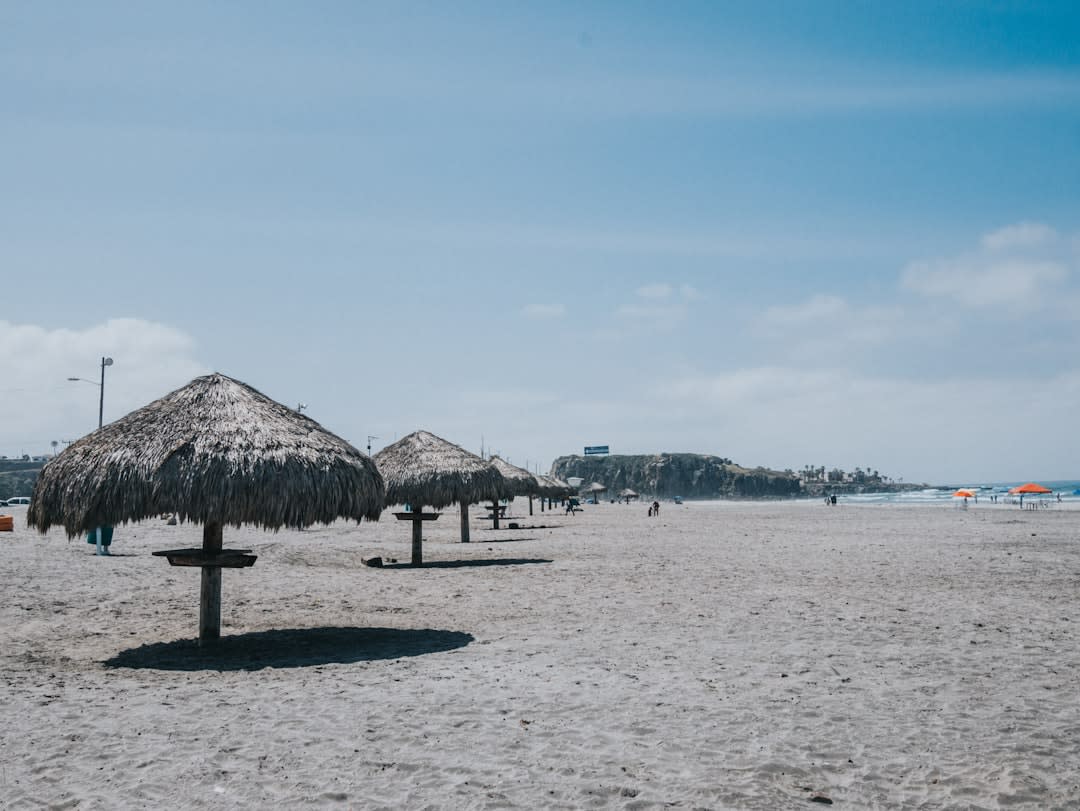
Celestún itself — a fishing village of perhaps 6,000 people at the end of a two-lane road — is not a tourist destination beyond the flamingos, and its lack of ambition in this direction is refreshing. The beach is long, white, and fronts the Gulf of Mexico with the specific quality of a beach that belongs to the people who live there.
The seafood restaurants on the beach road serve whatever the fleet brought in that morning: fish tacos, ceviche, stone crab claws (in season, November-April), shrimp in several preparations. The prices reflect the local economy.
Getting there: Buses from Mérida’s second-class terminal (Noreste line) run multiple times daily (2h). Most visitors drive or take a taxi from Mérida. The flamingo boats leave from the main dock inside the ría (not the beach) — the dock is signed from the village center.
When to go: November through April for the largest flamingo concentrations and best water clarity. June through October has fewer flamingos (many migrate north to breed) and higher chance of rain. Dawn boats are universally recommended over afternoon tours: calmer water, better light, more active bird behavior.