Tixkokob
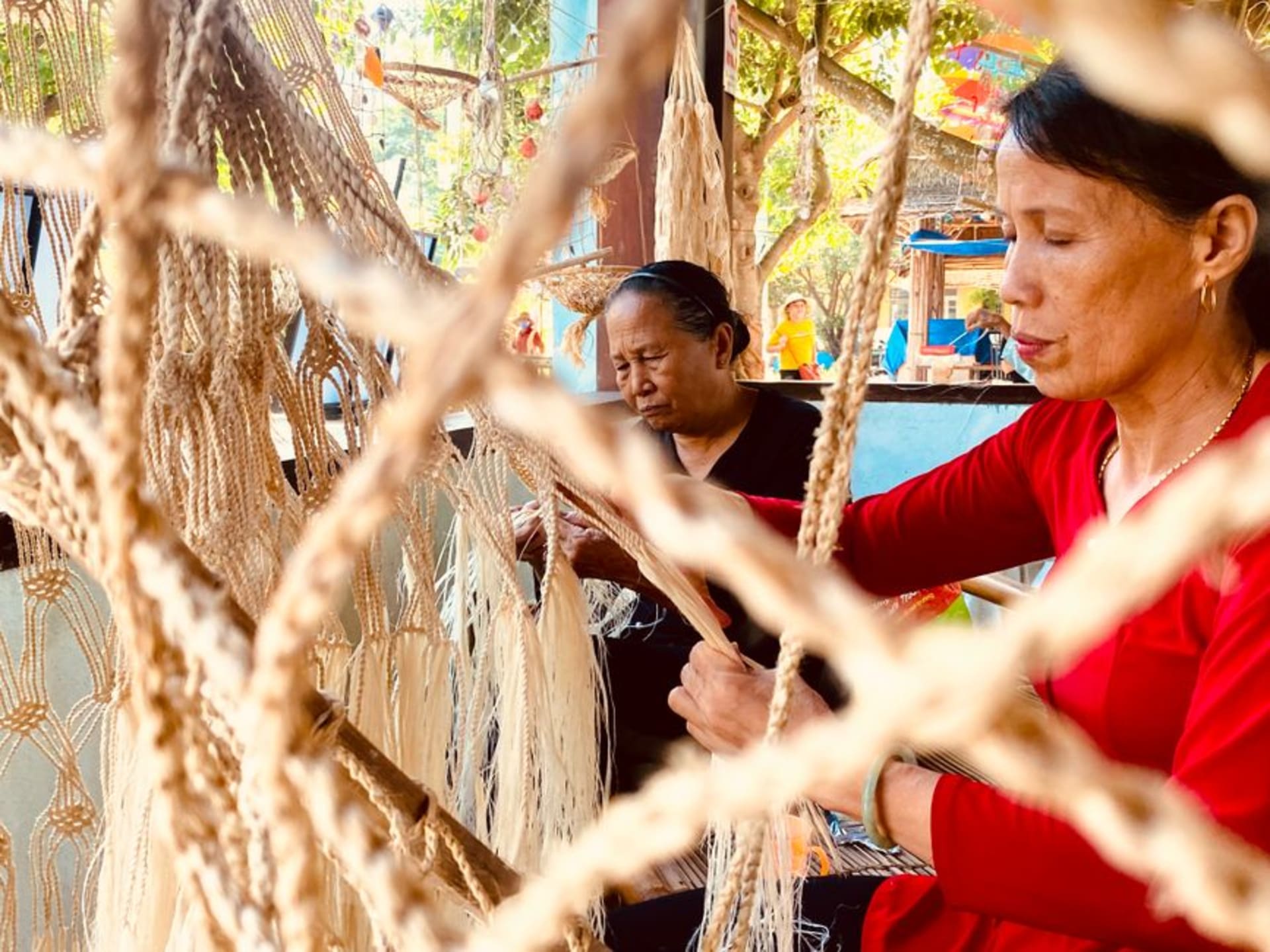
"I bought a hammock in Tixkokob from a woman who had been weaving them her entire life. She insisted I lie in it in the workshop to test the tension. It felt like the most Yucatecan quality control I have ever experienced."
The colectivo from Mérida drops you at a junction with no ceremony — a tope, a painted wall, and the beginning of a town that looks quieter than it is. I arrived on a Tuesday in April, which turned out to be exactly right. The workshops were open by eight, warp threads already strung across front rooms and covered patios, the rhythm of the shuttle audible from the street before anything came into view. I had planned two hours in Tixkokob. I spent most of the day, which tells you what you need to know.
The Talleres on Every Street
The word taller — workshop — applies loosely here. These are front rooms, open patios, covered porches where the work happens in plain view of whoever walks past. Cotton thread wound onto spools, dyed in colors ranging from bleached white to deep rust and a particular shade of blue that holds the afternoon light well. The weaving itself happens on a floor-mounted loom, fingers moving faster than they appear capable of. Finished hammocks are tested by the maker — sitting in them, pulling at the suspension points, checking the fall of the weave with the kind of expression that registers satisfaction or concern in about a half second.
I watched one woman work through most of a matrimonial double in the time I stood there trying to follow the process. She had been weaving since her twenties, she said. The math put her at roughly forty years of practice. The prices are direct: cotton singles run 250 to 400 pesos, a matrimonial closer to 500 or 600. These are the same hammocks sold in Mérida boutiques for triple. Nobody pressures you. You can walk through a workshop, ask questions, leave with nothing, and the next door will be equally open.

What the Town Holds Between Hammocks
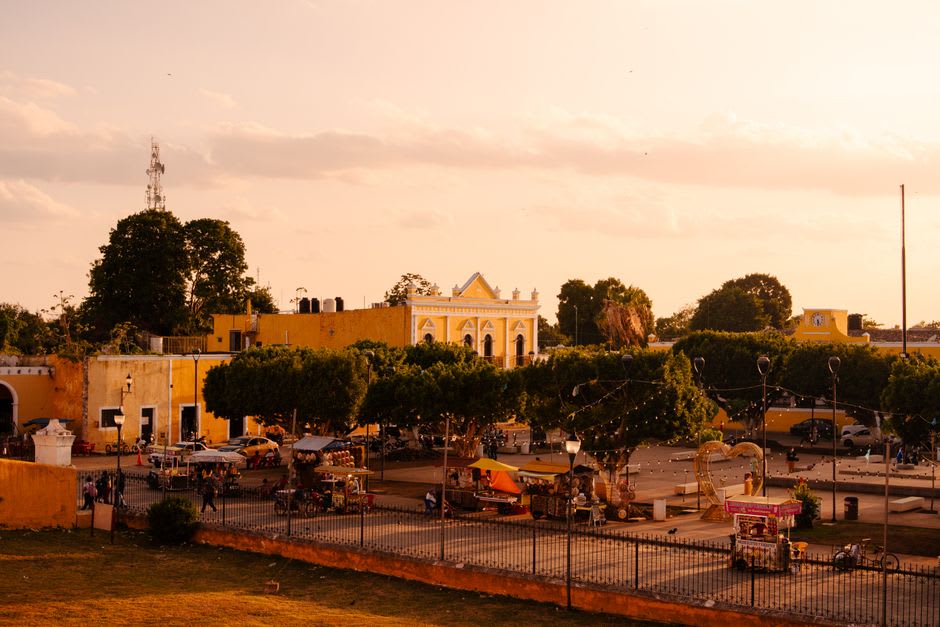
Tixkokob has not organized itself around tourism, which is its best quality. The central plaza — shaded by old laurels — keeps the ordinary rhythm of a Yucatán town: older men on benches, a woman selling elotes from a cart, the church of San Mateo quiet on the south side. I ate lunch at a counter just off Calle 21, where the set meal was cochinita pibil on banana leaf with pickled red onion and habanero so orange it looked artificial. A second tortilla arrived without my asking.
This is the Yucatán I trust more than the resort coast — not performing anything, just going about its business in the midday heat. The workshops close for lunch. The town slows. The laurels hold the shade.

On Buying One
If you are going to buy a hammock — and you should — understand the choice. Cotton (algodón) breathes and feels better against skin; nylon lasts longer but holds summer humidity in a way that becomes unpleasant fast. Most weavers will tell you this without being asked. Buy matrimonial even if you sleep alone. The extra width is worth it.
There is no vendor row or organized market. Walk Calle 19 and Calle 21 from the plaza outward — workshops announce themselves with finished hammocks hanging from doorframes. If a family is mid-weave and you can watch for a few minutes, do. The quality you are paying for becomes legible once you have seen the work that made it.
Getting There
Tixkokob is 28 kilometers east of Mérida on highway 180. Colectivos leave from near Parque San Juan on Calle 67 for around 20 pesos; the ride takes twenty-five to thirty minutes depending on stops. Go on a weekday — workshops close Sundays, and the Tuesday or Wednesday morning rhythm, when families are mid-production and the heat has not yet settled in, is when the town makes most sense.