Mayapán
"Mayapán governed this whole peninsula and now it gets maybe fifty visitors a day — that combination of historical weight and quiet is almost impossible to resist."
I left Mérida before seven and arrived at Mayapán while the site workers were still unlocking the entrance booth. Three archaeologists in field clothes were already moving between the structures, clipboards out, speaking in low voices the way people do in places they take seriously. I was the only paying visitor for the first forty minutes. Mayapán was the last dominant Maya capital on the peninsula — it controlled tribute routes from rival cities for over two centuries — and standing in its central plaza before the heat had built, I kept thinking: somehow this is the quiet one.
A Capital, Not a Monument
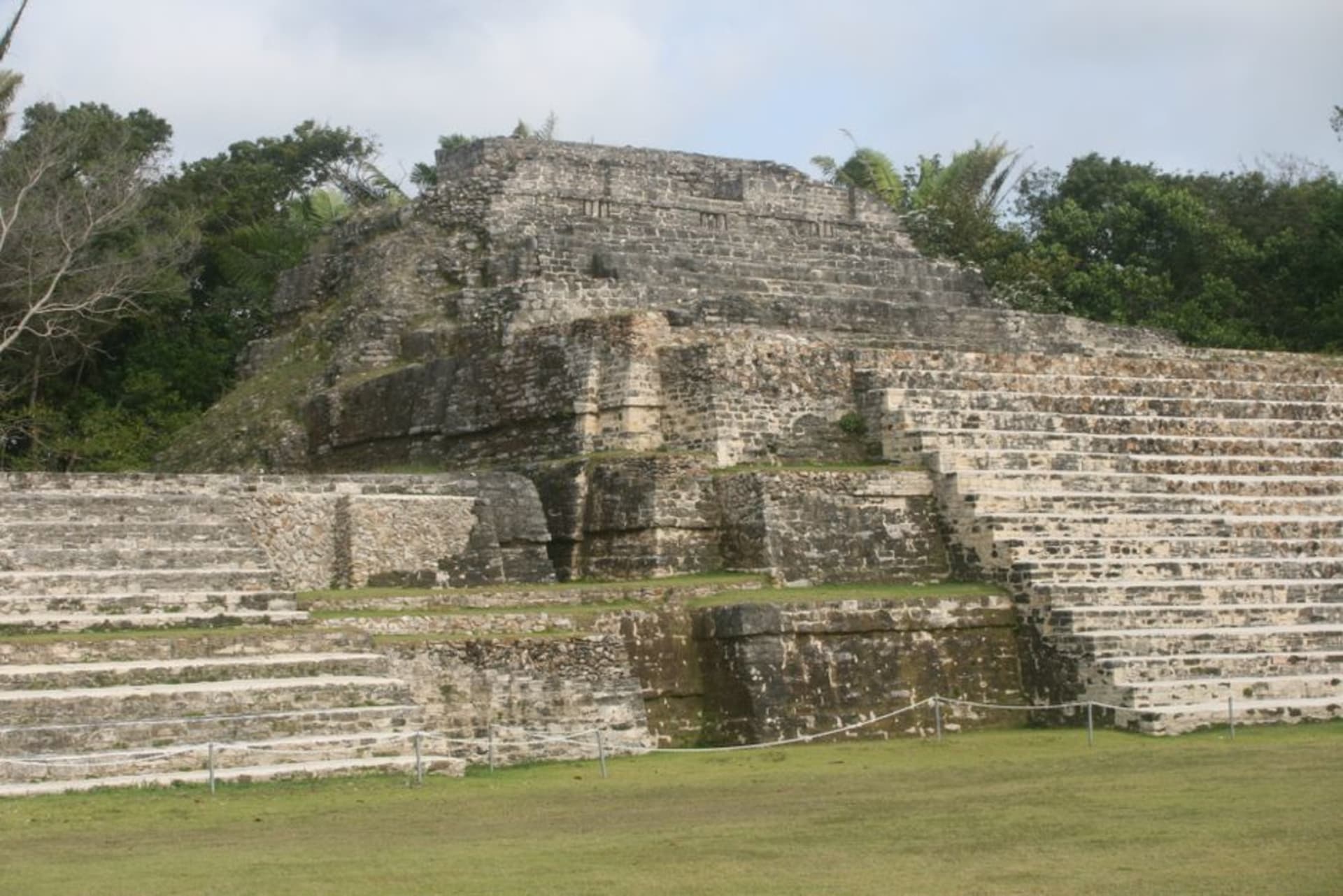
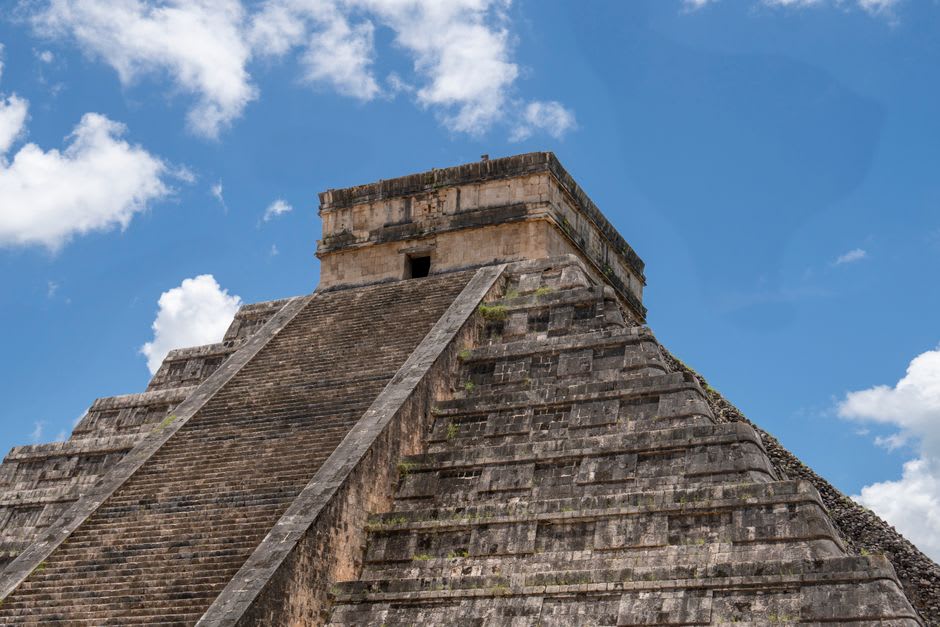
The main structure is the Castillo de Kukulcán, a smaller cousin to the famous pyramid at Chichén Itzá but no less deliberately designed — serpent heads flank its base, and the proportions reward looking at for a while. What struck me more than the pyramid itself was the sheer density of the site: Mayapán has over four thousand structures spread across an area enclosed by a defensive wall roughly nine kilometers long. Most of those structures remain unrestored, half-swallowed by the thin northern Yucatán scrub, and that mapped perimeter gives the place a different feeling than the cleaned-up ceremonial zones at more visited sites. You walk paths between residential platforms, minor temples, small altars — the domestic archaeology of a capital, not just its ceremonial face. INAH excavations have been ongoing here for decades, and the site feels actively worked rather than merely maintained. The mix of cleared plazas and overgrown mounds communicates something the tidier sites don’t: that this was a city where people actually lived.
How the Last Dynasty Fell
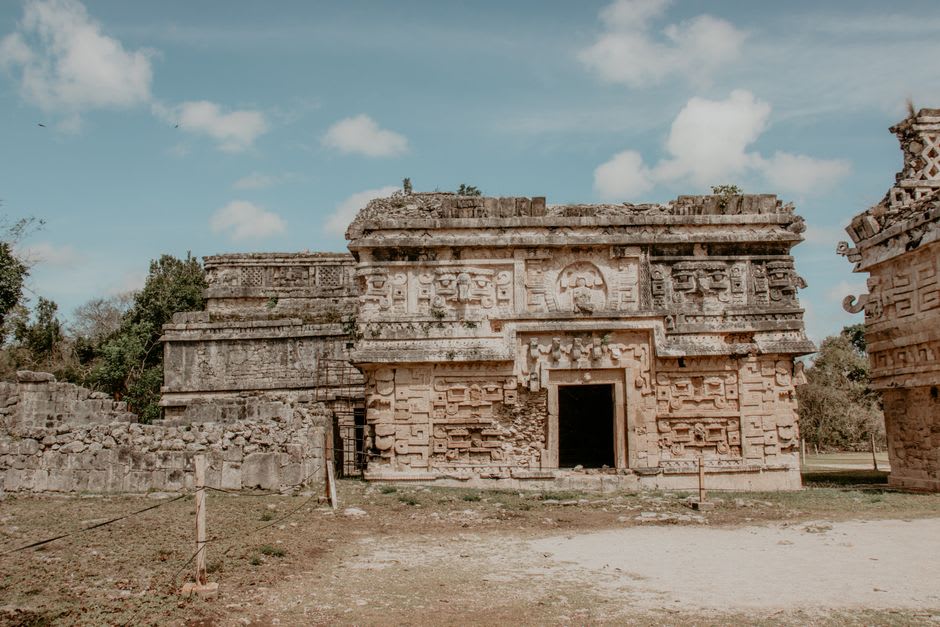
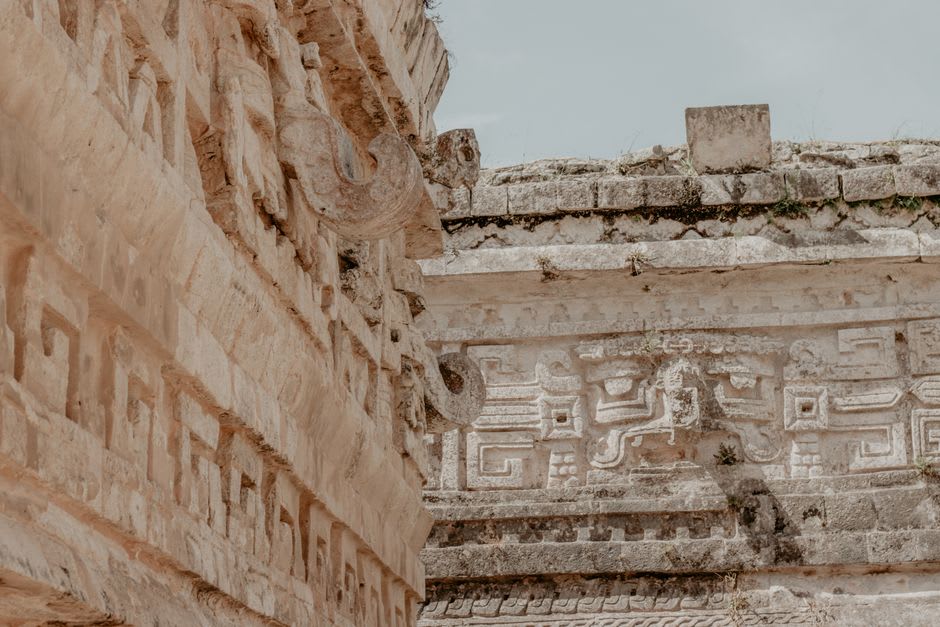
Mayapán rose to dominance around 1220 CE under the Cocom lineage, who reportedly held lords from rival cities hostage within the capital to ensure tributary obedience — a governing strategy that worked until it didn’t. Around 1441, a confederation of those subject lords, led by the Xiu family from Uxmal, sacked the city and killed most of the Cocom ruling class. One branch escaped. When the Spanish arrived less than a century later, both the Cocom and Xiu were still present across Yucatán, their old feud shaping which Maya lords aligned with whom during the conquest. This is the political texture that most visitors to Chichén Itzá never encounter — the postclassic collapse had names and families and decades, not just drought data. The site has also yielded some of the only surviving late postclassic Maya murals, now protected inside the small on-site museum. The pigments have faded but the figures are unmistakable: deities, merchants, a warrior mid-stride. Worth the five minutes it takes to find the building.
Coming Early and Bringing Water
The town outside the site entrance is Telchaquillo, and the women running the ticket counter will sell you cold water from a cooler. On the morning I visited, one of them had tamales from a basket — small, dense, wrapped in banana leaf rather than corn husk, the Yucatecan style. I bought two and ate them at a low wall near the entrance. Bring more water than you think you need regardless. The site has almost no shade beyond the museum building, and the unexcavated scrub gives none either. I went in January and the early morning was perfectly manageable; I imagine arriving at ten in July is a different calculation entirely. Two hours is enough to see the main structures seriously. Three hours lets you walk out toward the wall perimeter, where the city starts to feel genuinely large.
Getting There
Mayapán sits about 42 kilometers southeast of Mérida. Colectivos from the Noreste terminal in Mérida run toward Telchaquillo; ask at the terminal for the Mayapán direction and expect a ride of around an hour with one or two stops. A rental car from Mérida simplifies the logistics and makes it easy to combine the site with Uxmal or the Puuc road in the same day. Entrance fee is minimal.