Sisal
"Sisal gave its name to the fiber that built the Yucatán's fortune. The fiber came from the henequen plant. The ships came to Sisal. Then the synthetic rope came and the ships stopped."
Sisal is the Yucatán port that named the fiber — sisal, the coarse rope-making material extracted from the henequen agave (Agave fourcroydes), was shipped from this small harbor town so consistently during the 19th century that the fiber itself became known internationally by the port’s name. When the henequen trade collapsed in the early 20th century (synthetic rope, manufactured beginning in the 1940s, cost less and lasted longer), Sisal was left with a customs house, a Spanish fort, a long beach, and 1,500 people who had always been fishermen anyway.
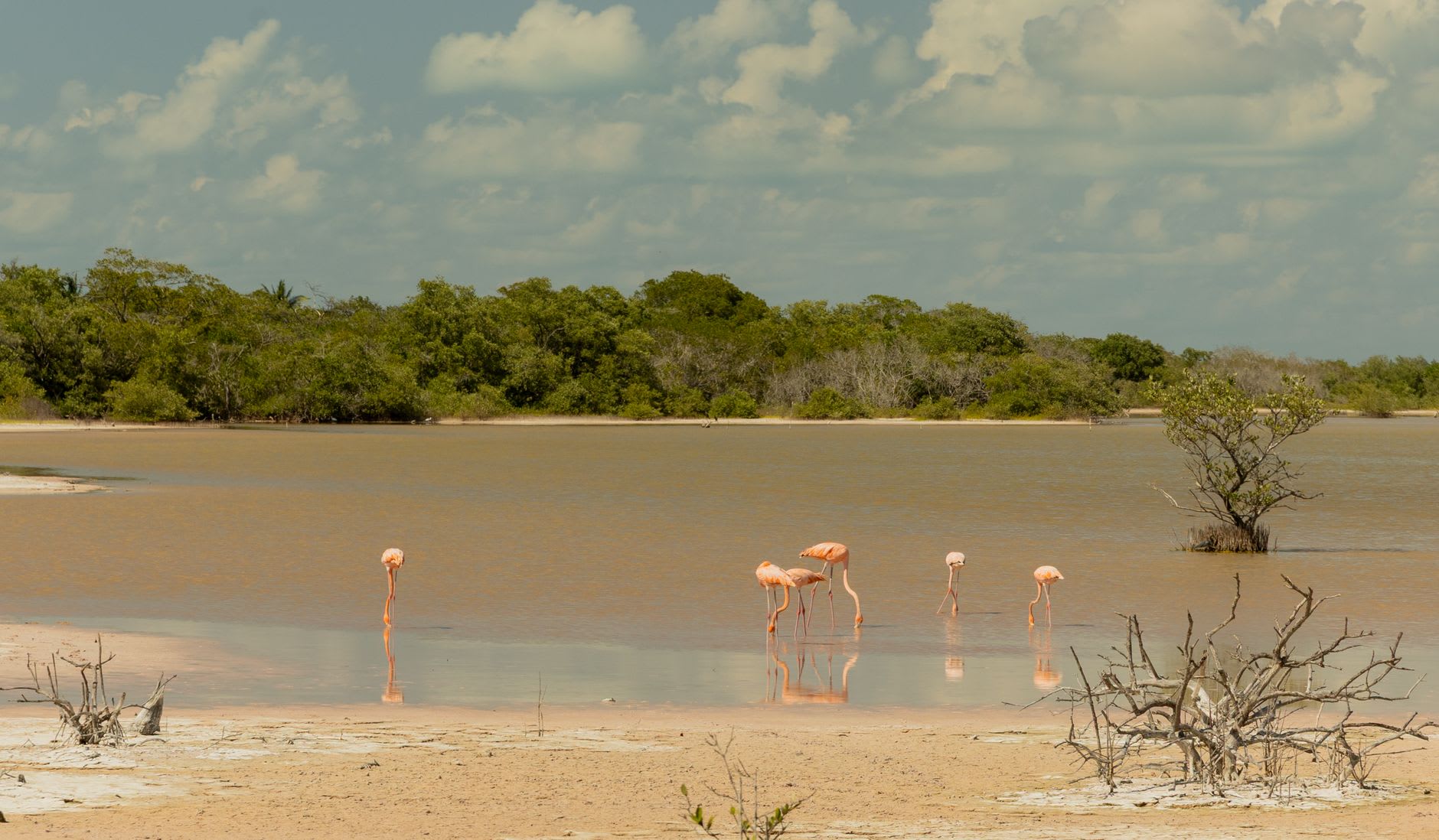
Sisal is now a fishing village. The flamingos fly in at dusk.
The Port and Its History
The Fortaleza de San Felipe — an 18th-century Spanish fortification built on the beach to defend the Yucatán coast against British and pirate raids from the Gulf — is the oldest structure in Sisal and the most visually prominent from the beach. The fort is square, small, its cannon embrasures looking out over a Gulf of Mexico that no longer threatens anything except the occasional Atlantic storm.
The Casa de la Aduana (Customs House) — the 19th-century building on the waterfront where the henequen bales were weighed and taxed before loading — is the architectural evidence of the trade that made Sisal briefly significant. During the henequen boom (1870s-1910s), Sisal was one of the busiest ports in the Yucatán, exporting the fiber that rigged the sailing ships and baled the wheat of the American Midwest before the synthetic rope industry made it obsolete. The Customs House is now a municipal building; the port handles fishing boats.
The Beach and the Flamingos
The beach at Sisal is long, flat, Gulf of Mexico — not the Caribbean turquoise of the eastern Yucatán coast but the green-grey of the Gulf, with the warm, shallow water that the Gulf coast produces and a consistent breeze from the northwest in the winter months. The beach is used by local families; the presence of any non-local visitor is still somewhat notable.
Flamingos: the brackish lagoons behind the Sisal beach are part of the same ecosystem as the Celestún Biosphere Reserve (60 kilometers west), and the flamingo flocks that feed in the Celestún lagoons regularly fly east along the coast to the Sisal area at dusk. The flights are not guaranteed or scheduled — the birds move based on feeding conditions — but local fishermen know the patterns and can advise on the likelihood on a given evening. Seeing 200 flamingos in flight low over the Gulf at sunset, landing in the water behind the beach, is one of those things that happens at Sisal and not many other places.
The Octopus
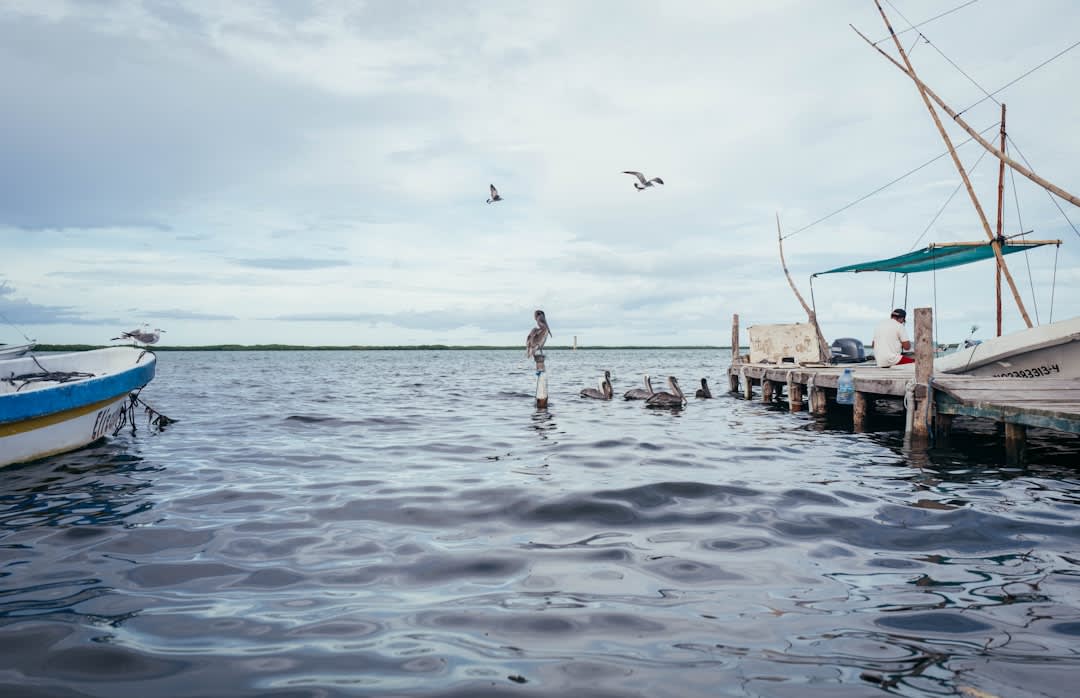
Sisal’s fishing fleet works primarily for octopus — the Octopus maya species that lives in the Gulf of Mexico’s shallow Campeche Bank and that is the primary ingredient in the Yucatán coast’s dominant seafood preparation. The octopus market in Sisal is early morning: the boats return from night fishing before 8am, unload the octopus on the beach, sell to the restaurateurs and buyers who meet the boats.
The restaurants on the Sisal waterfront serve the octopus the same morning it was landed: pulpo a la leña (octopus over wood coals), ceviche de pulpo (with lime, habanero, and the cilantro-heavy preparation of the Yucatecan coast), and the simpler pulpo cocido (boiled, with lime) that the fishermen eat themselves.
The octopus season runs from August through December; outside this period the menu shifts to the Gulf’s other offerings — snapper, grouper, and the occasional shark caught as bycatch.
Getting there: Colectivo from Mérida’s Parque San Juan (1.5h). No direct bus; the colectivo runs along the coastal road. Sisal is often combined with a Celestún day trip (60km west) for the flamingo lagoon boat tour. If driving, the coastal road between Sisal and Celestún (Highway 281) runs through the flamingo habitat.
When to go: October through May for the octopus season and the dry northwest winds. February and March bring the most consistent flamingo activity. The Gulf is swimmable year-round; August through October brings occasional tropical depressions.