Homún
"The cenote circuit at Homún runs through backyards and milpa fields and costs about nothing, which is exactly the version of Yucatán I came looking for."
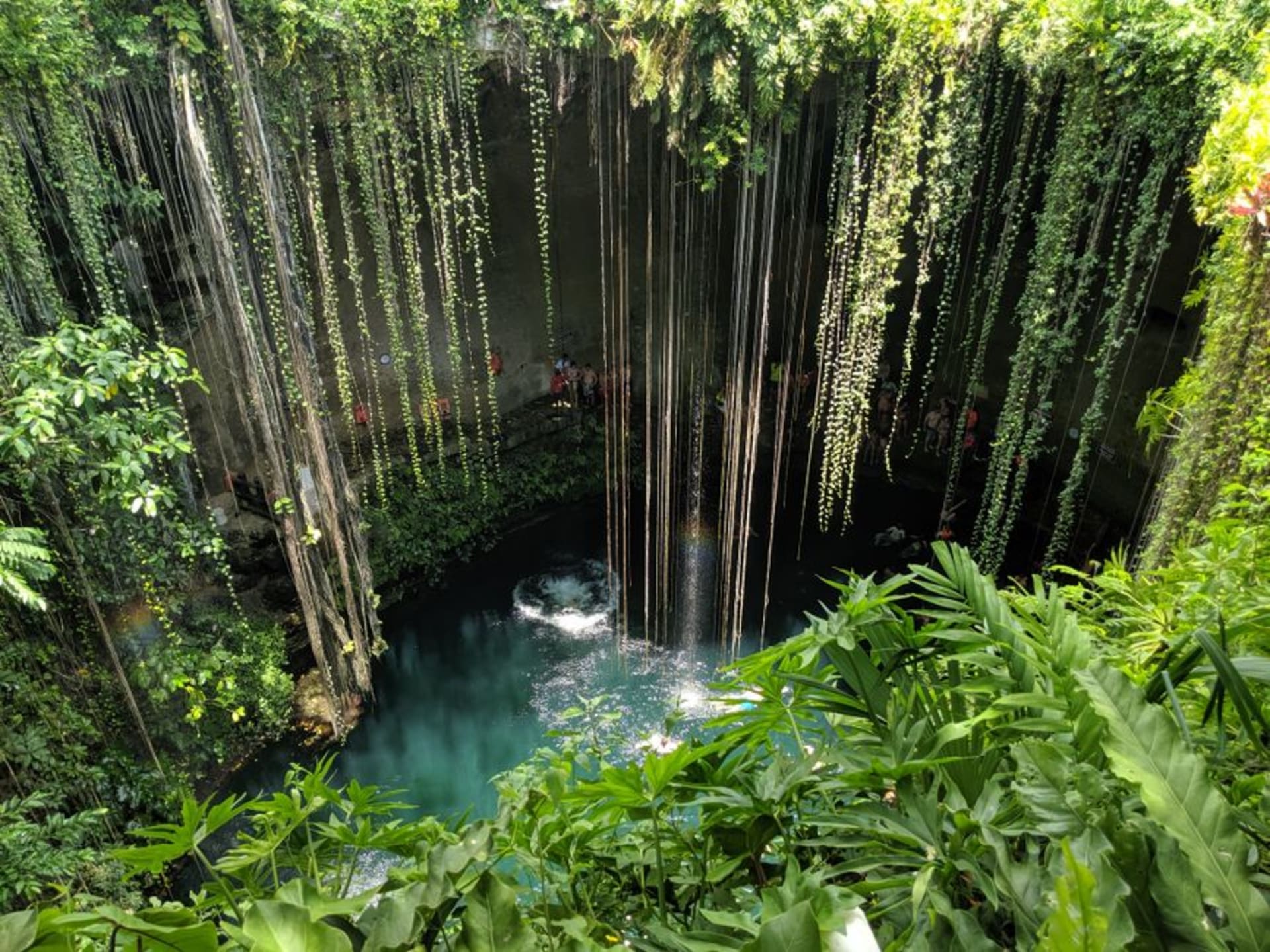
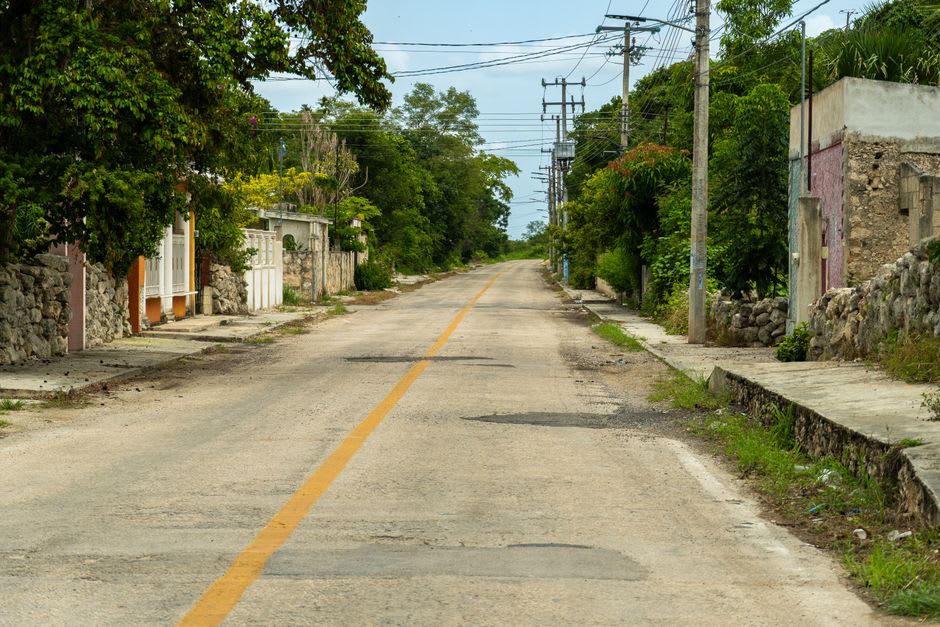
The combi from Mérida drops you beside a tianguis selling watermelon and a woman frying marquesitas, and for a moment Homún looks exactly like every other small Yucatán town baking in the midday heat. Then you see the hand-painted signs. Not one sign — dozens, pointing in every direction toward cenotes with names like Xmejía, San Ignacio, Yokdzonot del Sur. This is not a place that has arranged one photogenic swimming hole for visitors to line up at. It has something like fifty, stitched through private properties and cornfields, connected by dirt paths you can cover on a rented bicycle for most of a day without passing another tourist.
Fifty Cenotes and a Bicycle
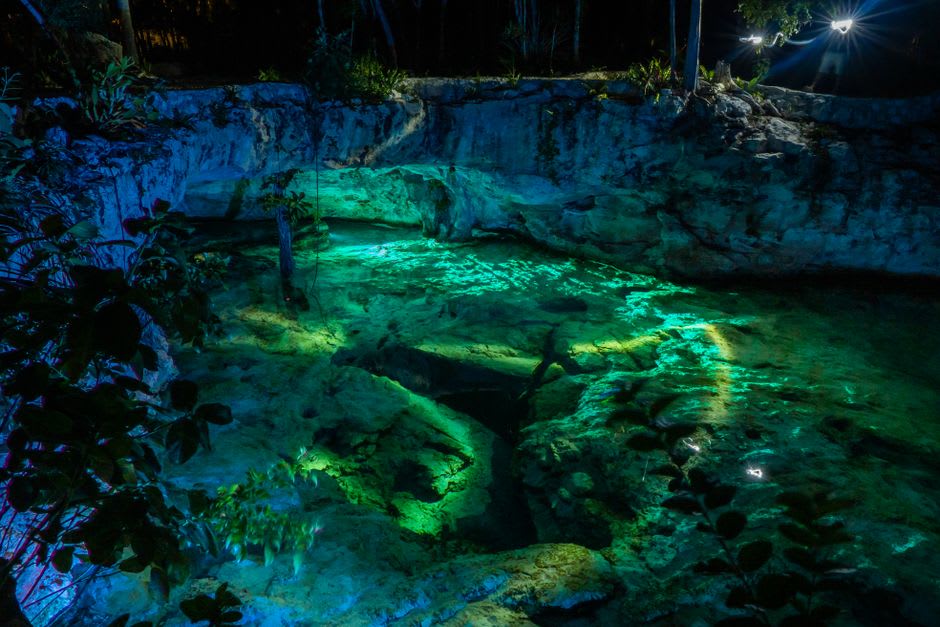
At the edge of town, past the parish church on the main plaza, a handful of families rent bicycles for around 80 or 100 pesos a day — I paid 80. The circuit is loose: there is no laminated map, no official route, just a general understanding that you follow the signs and ask if you get turned around. Each cenote charges its own entrance, usually between 30 and 60 pesos, collected by whoever owns the property. Some have rickety wooden stairs descending into the dark. Others you access through a gap in a concrete-block wall that opens, impossibly, into a cathedral of limestone and filtered light. The water is cold the way only underground water can be cold — not unpleasant, just decisive. After two hours in the Yucatán interior in July, it felt almost aggressive in the best sense.
The Version Locals Use
By mid-afternoon the cenotes fill up with people who live nearby — teenagers, families, a man in his fifties still wearing his work shirt. Nobody is producing content. The contrast with the cenotes outside Valladolid or along the tourist corridors near Puerto Morelos — where you are handed a lifejacket and a safety briefing and a bill for 400 pesos before you have touched water — is stark enough to feel like a different country. Here the economics are simple: you pay the family whose property it is, you swim, you leave. Homún itself has a modest mercado near the plaza where you can eat poc chuc or papadzules for lunch before heading back out. I ate at a spot with no name visible from the street, just plastic chairs and a handwritten menu on a chalkboard, and it was honest in the way that food in small Mexican towns so often is when nobody has thought to photograph it yet.
What the Circuit Asks of You
Go early. By ten in the morning the heat is already serious, and the cenotes are coolest and quietest before noon. Bring cash — none of the entrance points take cards, and there is no ATM in Homún that I found. A single bottle of water will not be enough; bring two and start on them before you think you need to. The bicycle paths are mostly flat and unpaved, manageable in dry season and negotiable with care after rain, though your shoes will form their own opinion. If you are coming from Mérida, a day trip is realistic. If you want a slower version, there are a few casas de huéspedes in town that cost very little and leave you positioned for a second morning circuit before the day heats up.
Getting There
Combis to Homún leave from the terminal near the Mercado de San Benito in Mérida — the ride takes around an hour and costs under 50 pesos. Buses run throughout the day but thin out in the late afternoon; check return times when you arrive so you are not negotiating a taxi back in the dark. There is no direct service from Valladolid or Cancún; route through Mérida.