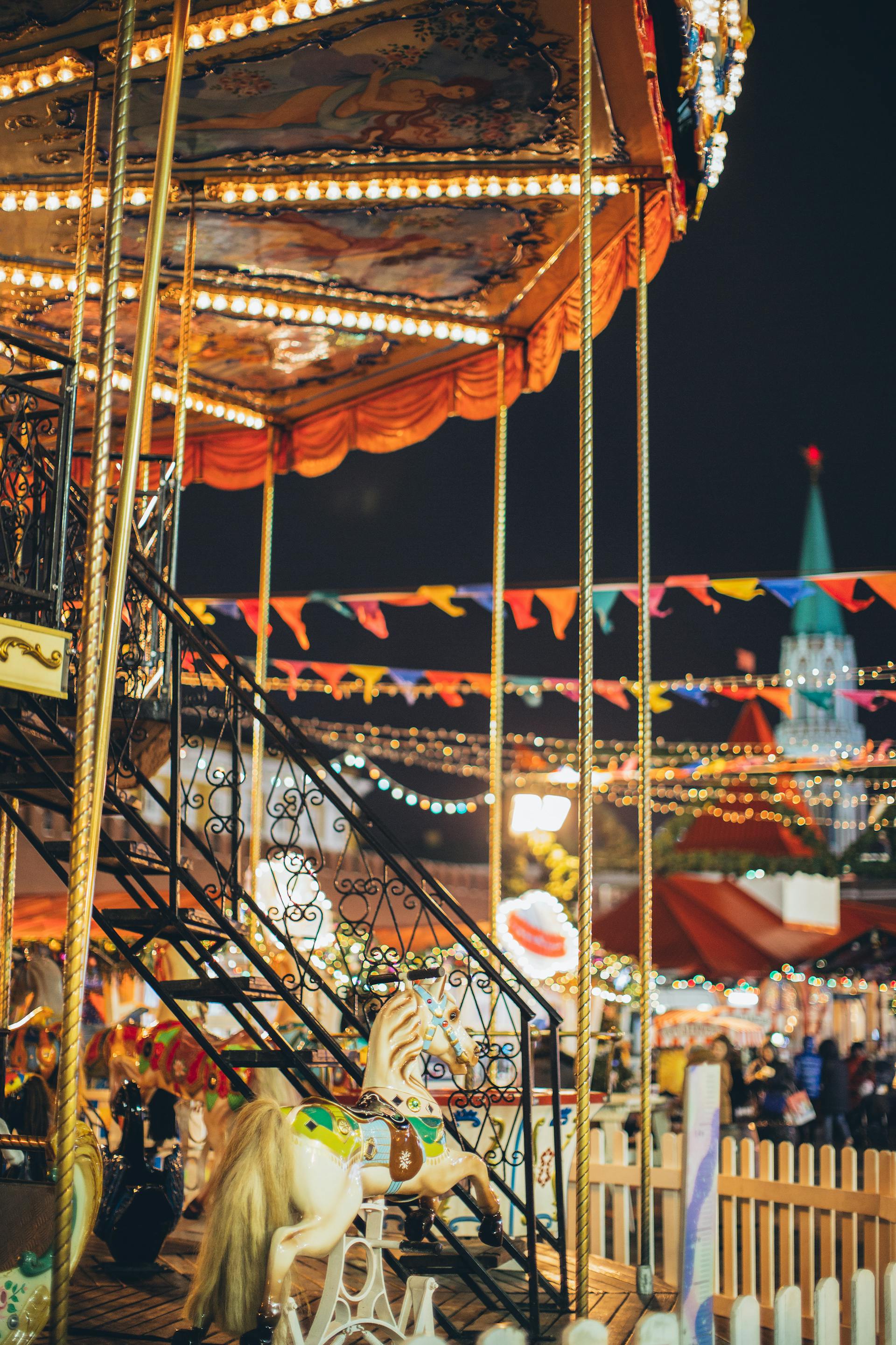
Twenty-two million people, more museums than any city in the Americas, and a food scene that rivals Paris and Tokyo.
I lived in Mexico City for three months when I first moved to Mexico. I now live on the coast, in Puerto Escondido, but I keep coming back — to see my girlfriend’s family, to meet friends, to eat things I cannot get anywhere else, and honestly, because CDMX has a pull that is hard to explain until you have felt it. Every time I land, the city reminds me why I fell in love with this country in the first place.
The first thing people ask me is whether it is safe. I understand the question. Twenty-two million people, the headlines, the reputation. But here is what I tell them: I have walked home through Roma at midnight, taken the metro across the city at rush hour, eaten at street stalls in neighbourhoods that do not appear in any guidebook, and I have never once felt unsafe. Mexico City is a functioning, vibrant, enormously alive metropolis. Use the common sense you would use in any big city — do not flash expensive things, be aware of your surroundings, take Uber at night if you prefer — and you will be fine. More than fine. You will wonder why you waited so long to come.
The Neighbourhoods I Know
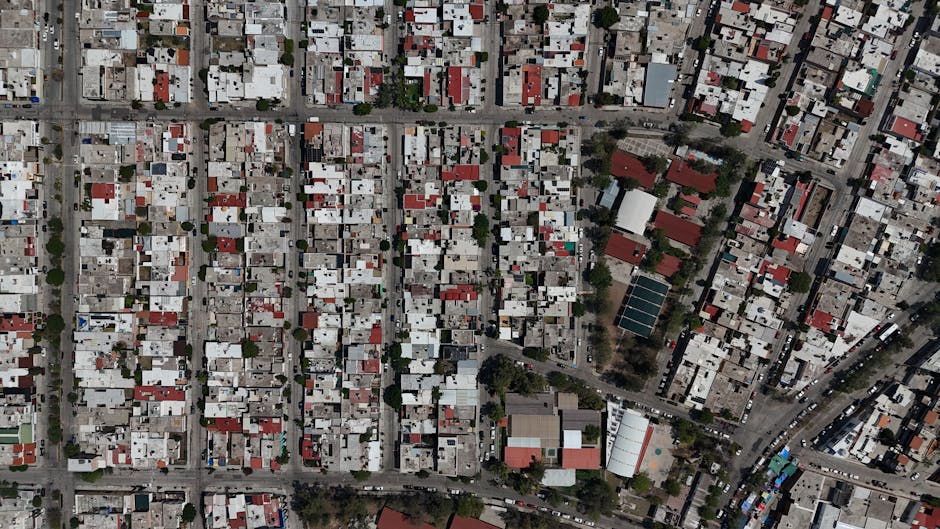
Roma and Condesa are where I spent most of my three months, and they remain my default. Tree-lined streets, Art Deco apartment buildings, sidewalk cafés where you can sit for three hours and nobody cares. Roma Norte has an energy — galleries, independent bookshops, restaurants opening every month — that reminds me of what people say Berlin was like fifteen years ago, except the food is better and the weather is not an insult. Condesa is quieter, greener, with Parque México at its center and the kind of Sunday-morning pace that makes you forget you are in one of the largest cities on earth.
Juárez and Nápoles sit just west and south of Roma, and they are where the city feels most like itself — less curated, more lived-in. Juárez has some of the best Korean food in the city (the Korean community here is significant and the taco-meets-kimchi crossovers are not a gimmick, they are genuinely great). Nápoles is residential, calm, and full of the kind of neighbourhood restaurants that never make a list and never disappoint.
Polanco is the upscale district — think tree-lined Presidente Masaryk with its designer shops and embassies. It is polished in a way that the rest of the city is not, and some people find that off-putting. I do not. Polanco has the National Museum of Anthropology at its edge, which alone justifies the neighbourhood. It also has excellent restaurants, the Soumaya Museum (Carlos Slim’s private collection, free entry, bizarre architecture, surprisingly great), and a degree of calm that provides a useful counterweight to the intensity of the Centro.
Coyoacán is further south and worth a full day. Frida Kahlo’s Casa Azul is the obvious draw — and it is genuinely moving, not just a museum but a house that still feels inhabited by its ghosts. The Viveros park is where I go to run when I am in the city. The market has tostadas de tinga that I think about on the coast, which is saying something because the coast has no shortage of good food.
Where I Eat
I am not going to pretend I have mapped the entire culinary landscape of a city with more restaurants than most countries. But I know what I like, and I keep going back.
Taquería El Califa is the taco spot that converted me. I first went because a friend dragged me there, and I have been going back on every trip since. The bistec tacos are perfect — thin, seared, on a fresh tortilla, with nothing but salsa and a squeeze of lime. No frills. No fusion. Just a taco doing exactly what a taco is supposed to do, better than almost anywhere else in the city. There is usually a line. It moves fast. Do not overthink it.
The street food in general is the thing that Mexico City does better than any city I have eaten in, including Paris and Tokyo. A taco al pastor from a stand in Roma at midnight. Esquites in a styrofoam cup outside the metro. Tamales from the woman who sets up on the corner at 7am. None of it costs more than a few pesos. All of it tastes like someone’s life work, because it usually is.
Contramar in Roma is the restaurant I send everyone to for their first proper lunch. It is open-air, loud, full of well-dressed locals, and serves the best grilled fish in the city — half painted in red chili, half in parsley, the whole thing arriving on a platter that makes you briefly reconsider whether you have been eating fish wrong your entire life. Get the tuna tostadas. Arrive before 1:30 or accept the wait.
Chapultepec
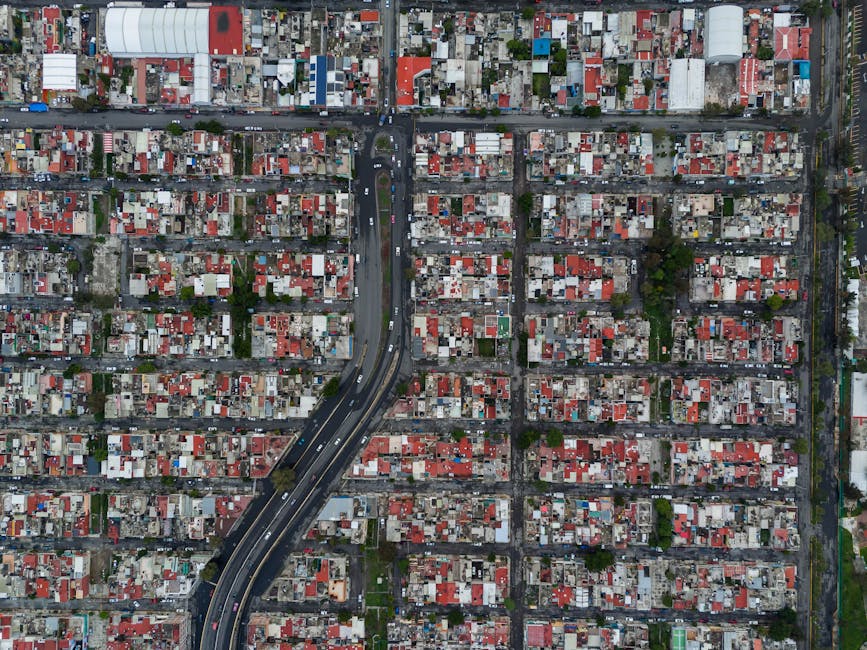
Chapultepec Park is where I spend my best mornings in the city. It is enormous — bigger than Central Park — and it contains the National Museum of Anthropology, which is not just the best museum in Mexico but one of the best museums I have visited anywhere. The Aztec sun stone, the Maya jade death mask, the full-scale reconstruction of a Aztec temple — allow a full morning and you will still leave feeling like you rushed.
I also go to Chapultepec every year for the LIV Golf event at the Club de Golf Chapultepec. Watching world-class golf in the middle of a megacity, at altitude, surrounded by the Chapultepec forest, is one of those experiences that only CDMX could produce. The atmosphere is extraordinary — the Mexican crowds bring an energy to golf that you simply do not get at a PGA event. It has become one of my annual rituals.
The Thing About CDMX
The mistake most people make with Mexico City is assuming it is one thing — dangerous, or chaotic, or overwhelming. It is all of those things in small doses and none of them as its defining quality. What it actually is, once you stop being intimidated by the scale, is the most generous city I know. Generous with its food, its culture, its time. There is always something happening — a gallery opening in Roma, a protest in the Zócalo, a jazz concert in a Condesa courtyard, a family birthday in a park with a piñata and enough food to feed thirty strangers. CDMX does not hold anything back. It gives you everything it has and then asks if you are hungry.
I came for three months. I left because the coast called. But every time I come back — for a weekend, for a week, for the golf, for a birthday — the city greets me like I never left. That is not something you can build into an itinerary. It is something you have to feel.
When to go: February to April is ideal. March turns the city purple — the jacaranda trees bloom along every avenue and the light has a quality that makes photographers look like geniuses. The rainy season (June to September) brings afternoon downpours that are dramatic and brief; mornings are usually clear. There is no bad time, really. CDMX is a year-round city with a year-round appetite.
Explore
Places in Mexico City
 mexico
 Arena México
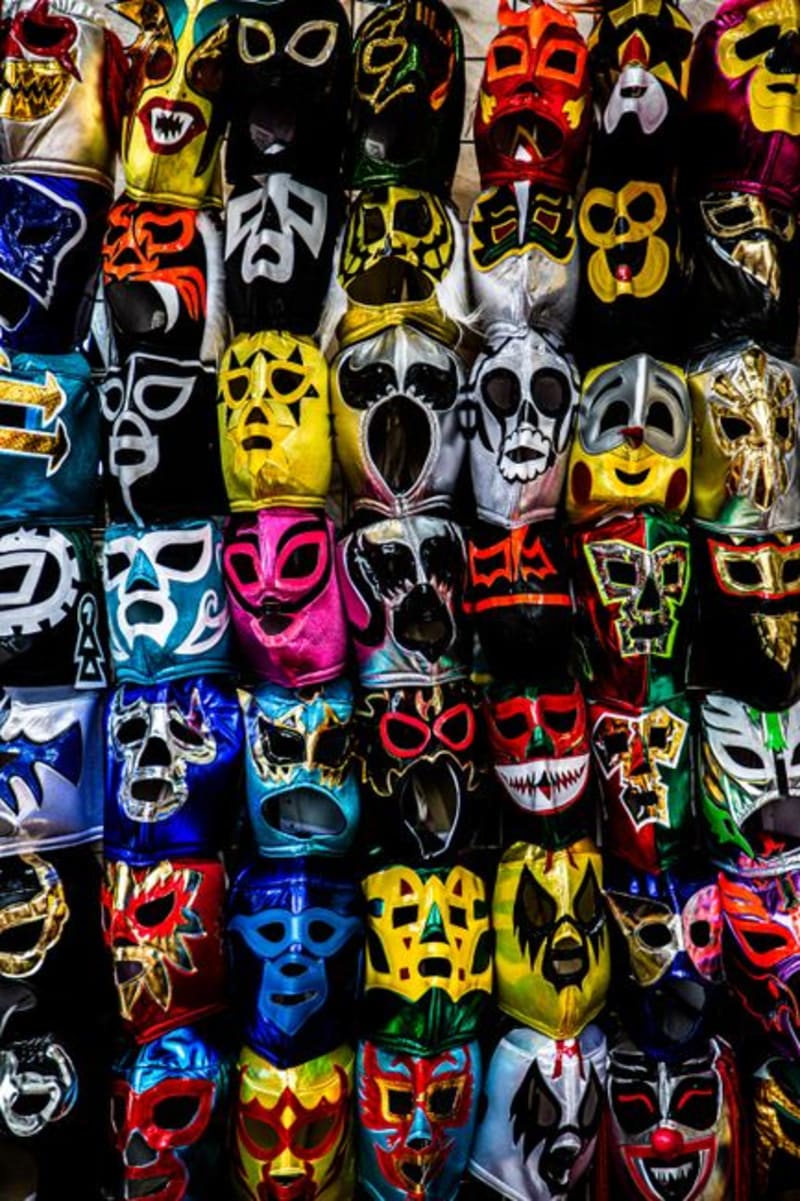
Every Tuesday and Friday night, the Doctores neighborhood transforms around lucha libre's holiest ground — a squat concrete building that looks like nothing from outside and everything from within. Arena México is where El Santo wrestled, where masks are theological objects, and where the crowd knows every move before it happens and screams for it anyway.
Explore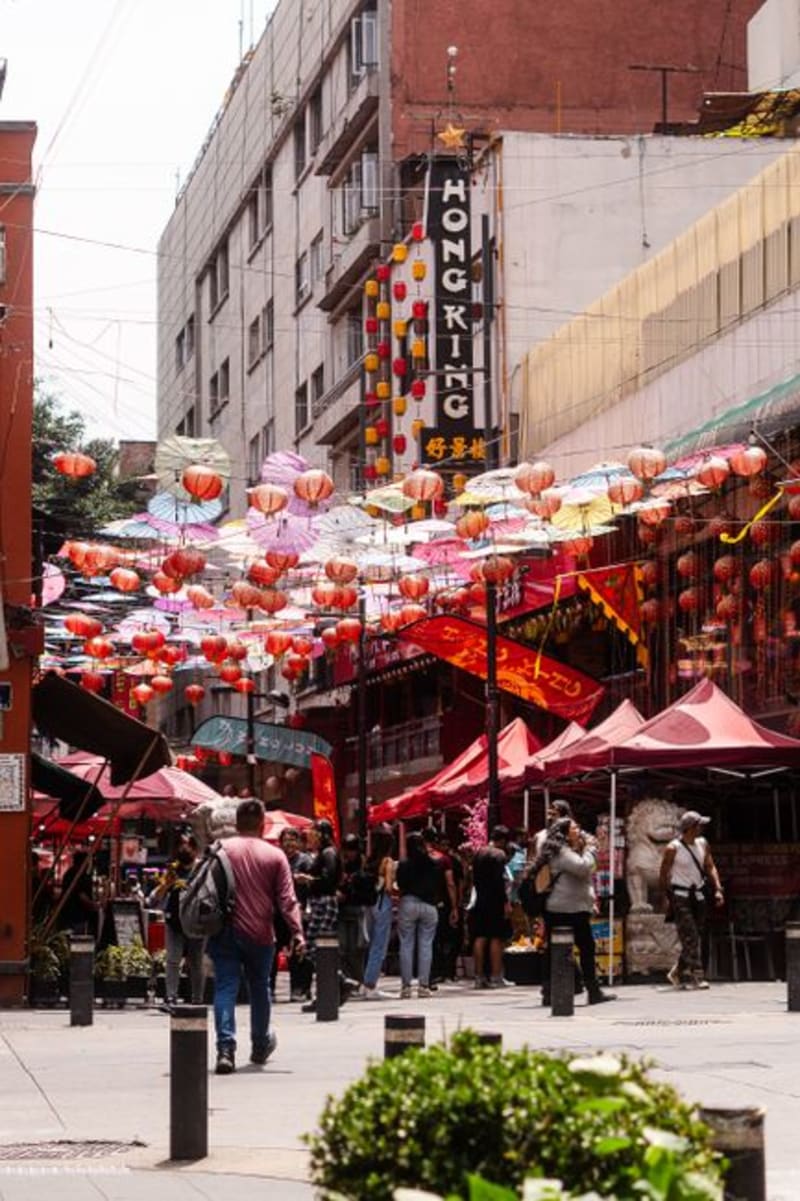 mexico
 Barrio Chino
One block on Calle Dolores in the Centro Histórico constitutes the whole of Mexico City's Chinatown — a fact that should disappoint but somehow doesn't. The restaurants here serve a hybrid cuisine that has been quietly evolving for a century, and the food world doesn't talk about it nearly enough.
Explore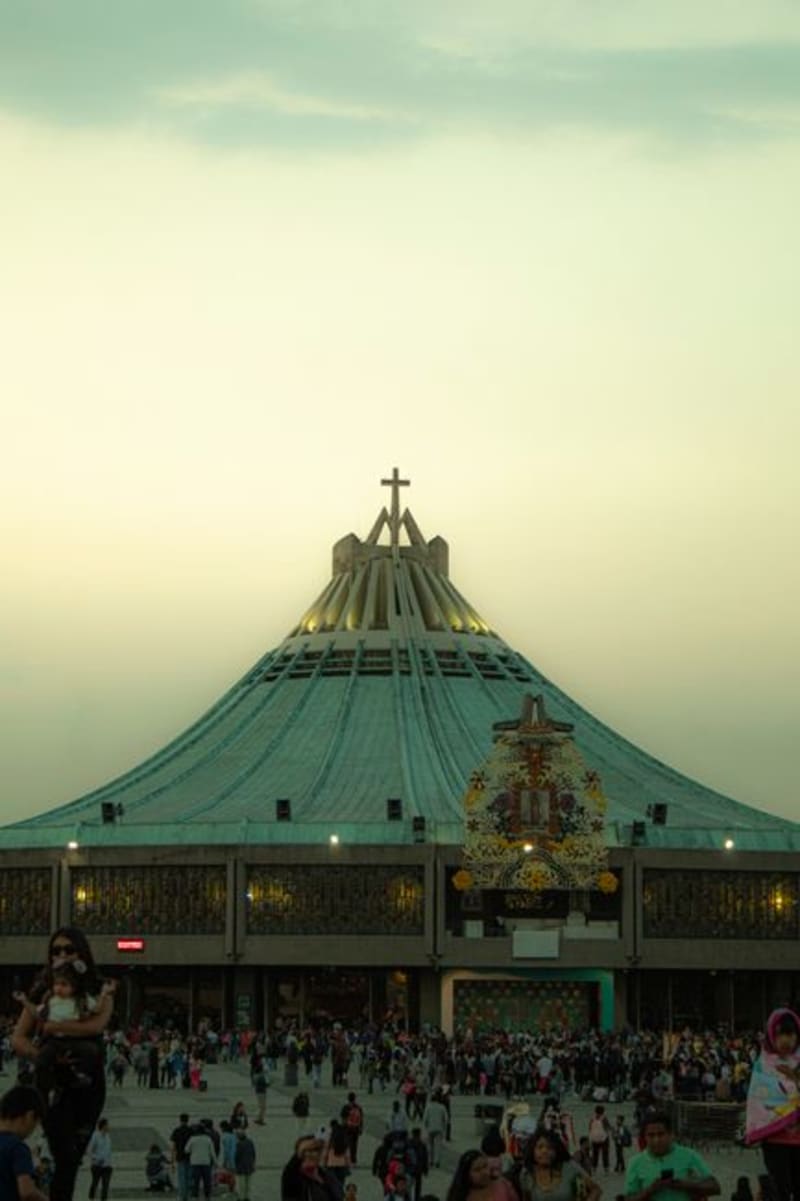 mexico
 Basílica de Guadalupe
The most visited Catholic pilgrimage site in the world sits at the base of Tepeyac hill in northern Mexico City, where a baroque colonial basilica leans dramatically beside a modern circular one. This is the home of Juan Diego's tilma, the cloth that carries the image of the Virgin of Guadalupe — and the destination of twelve million visitors each year.
Explore mexico
 Centro Histórico
The buried heart of Mexico City — Aztec temples beneath a Spanish cathedral, Diego Rivera's mural history across the palace walls, and a street-food density that begins at six in the morning and does not stop.
Explore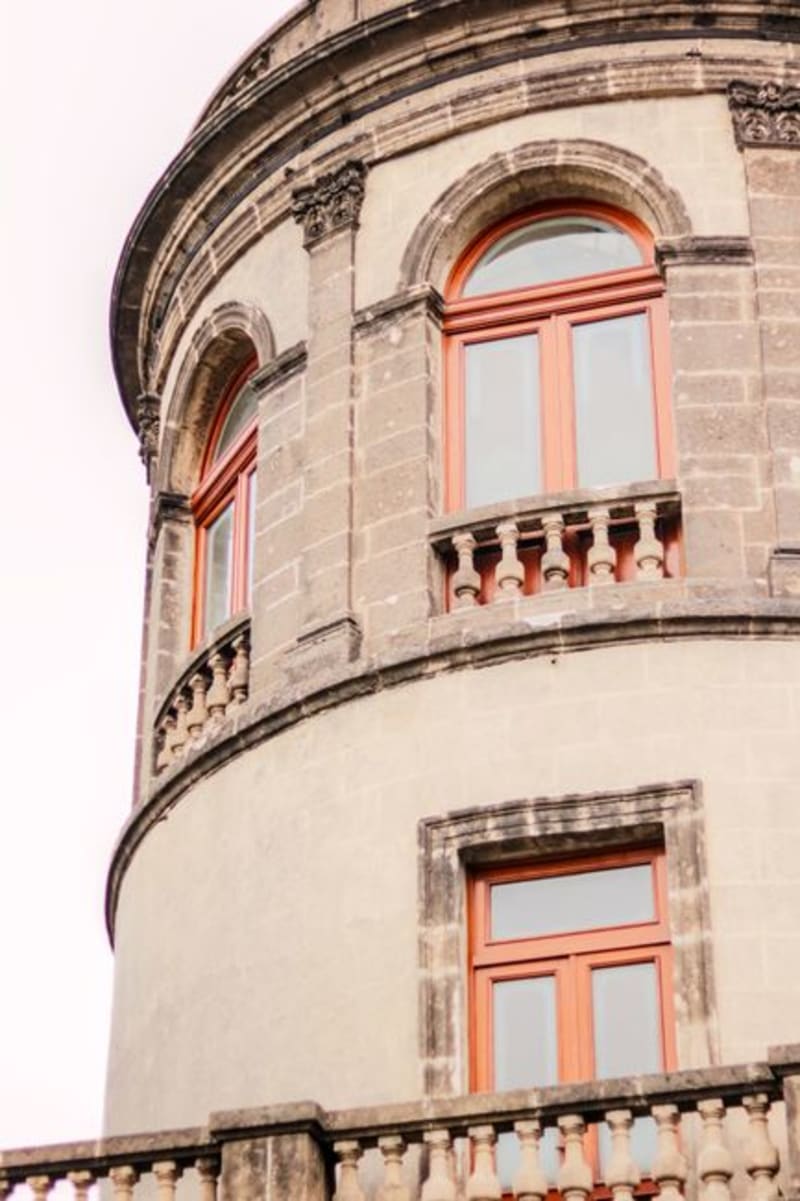 mexico
 Chapultepec
Chapultepec is a forest inside Mexico City where Aztec sacred ground, a Habsburg castle, and the continent's finest archaeology museum coexist beneath a canopy of ancient ahuehuete trees. On weekdays it belongs to serious museum-goers; on Sundays it belongs to everyone.
Explore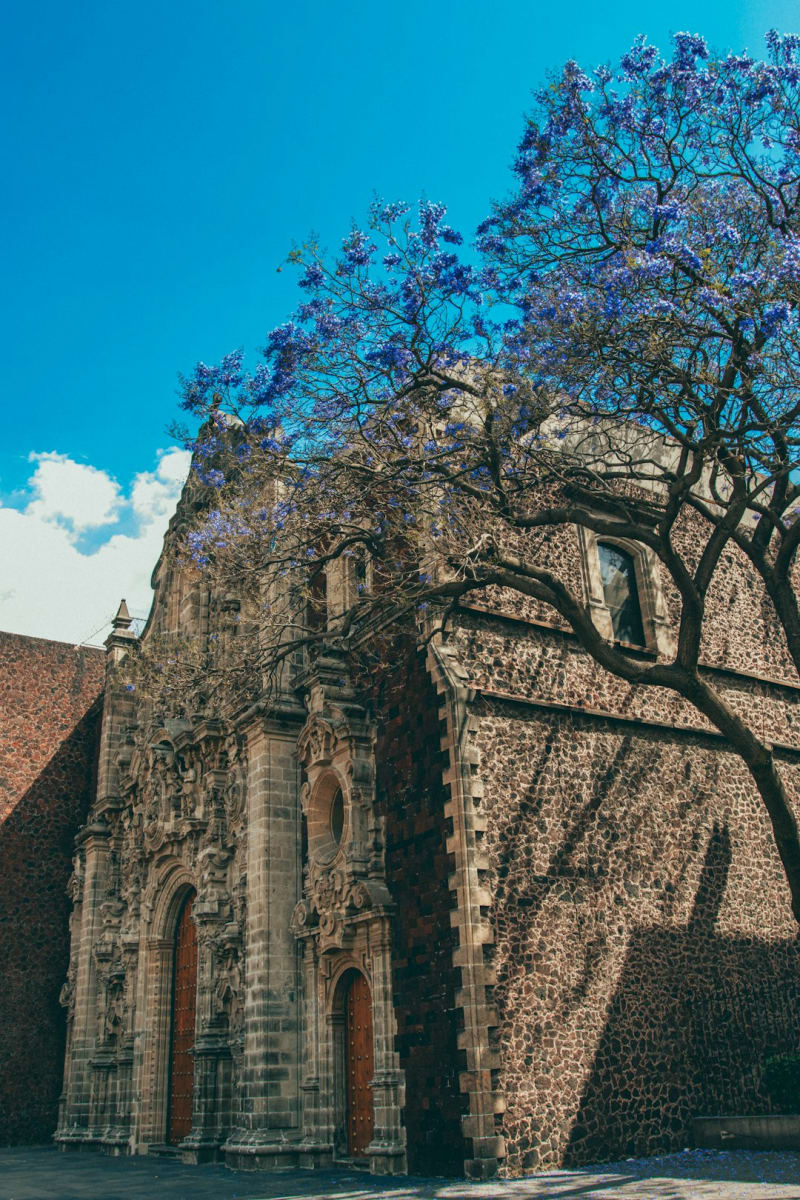 mexico
 Ciudad Universitaria
The UNAM campus is a UNESCO World Heritage Site where Diego Rivera and David Alfaro Siqueiros covered the buildings in mosaic and fresco — and anyone can walk in off the street. The sheer democratic audacity of the place takes some getting used to.
Explore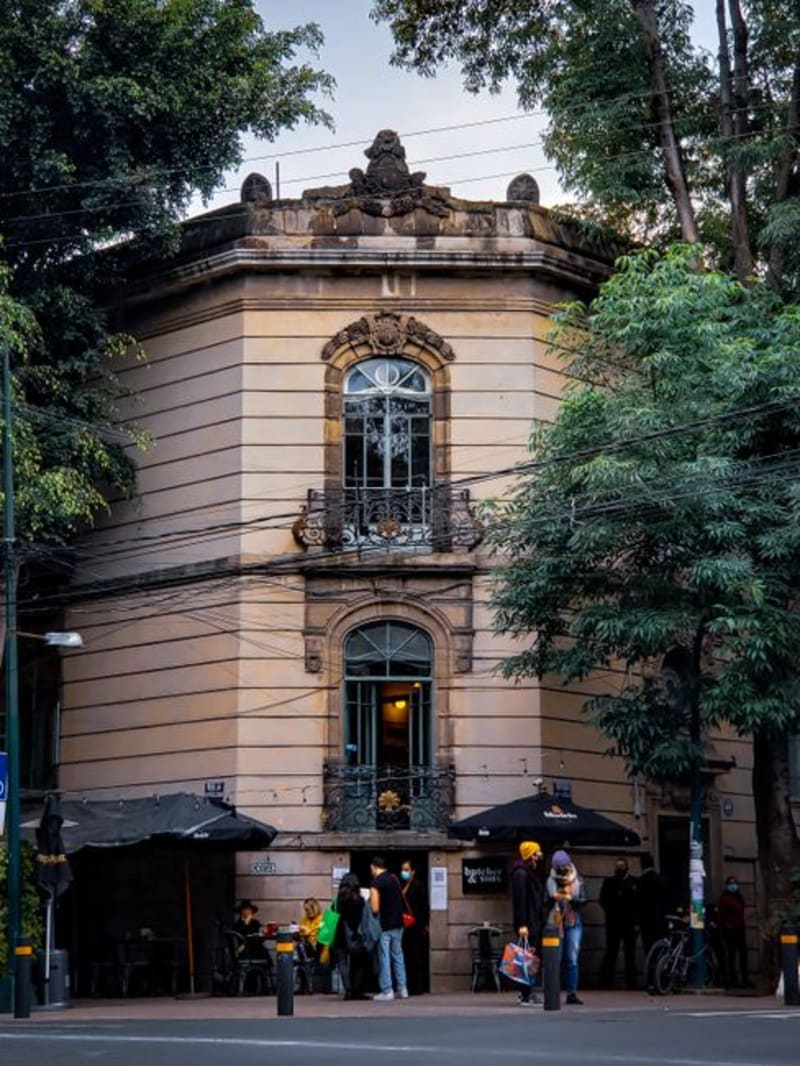 mexico
 Colonia Condesa
Art Deco apartment blocks curve around shaded oval parks, terrace cafés run weekend brunch well into the evening, and a food scene that has been among the best in Latin America long enough that the neighborhood has stopped needing to explain itself. This is the CDMX that Europeans imagine before they arrive — and that actually delivers.
Explore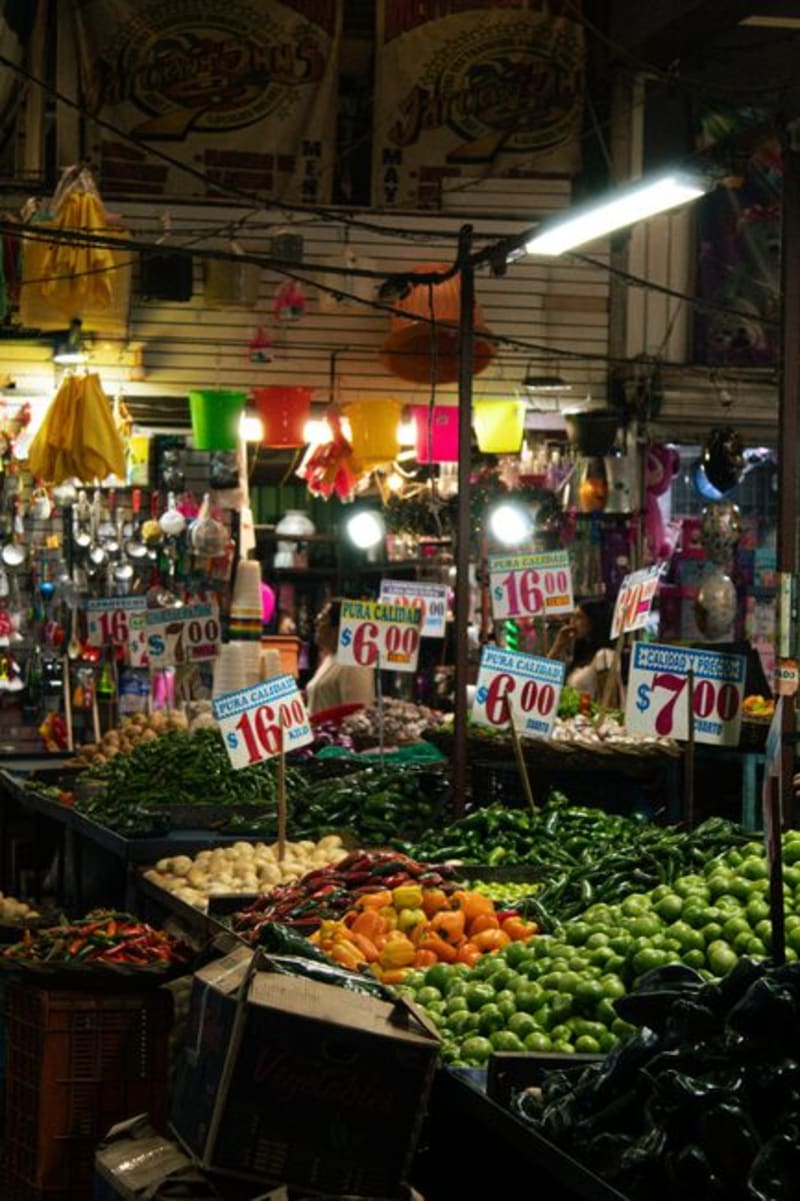 mexico
 Colonia del Valle
Colonia del Valle is what Roma and Condesa looked like before the boutique hotels moved in — wide residential streets, a serious mercado on Eugenio Sue, and torta shops with no signs and no tourists. It is where actual chilangos live, and on a Tuesday morning it shows.
Explore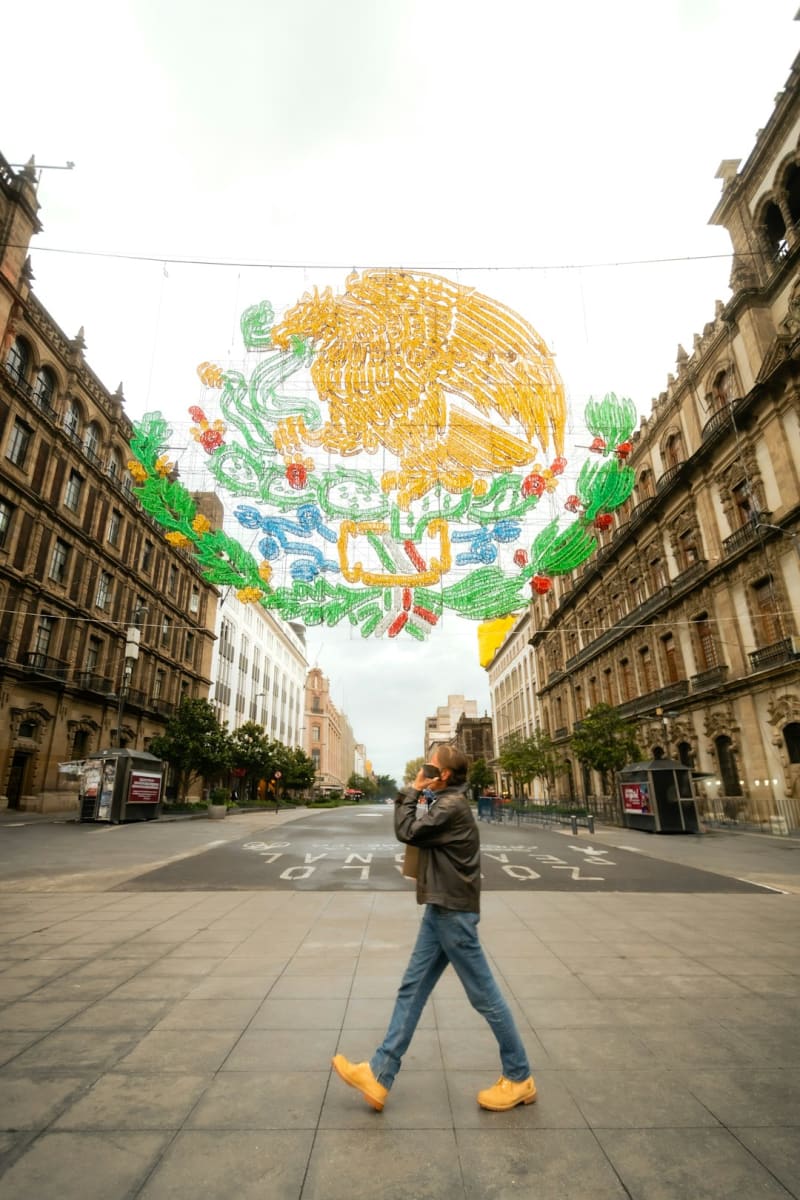 mexico
 Colonia Juárez
Colonia Juárez sits between the glamour of Condesa and the legend of the old Zona Rosa, a neighborhood that has survived every reinvention the city threw at it. The LGBTQ+ community that defined this place for decades is still here, and so are the restaurants on Génova and Londres where you eat dinner at midnight and stay until someone makes you leave.
Explore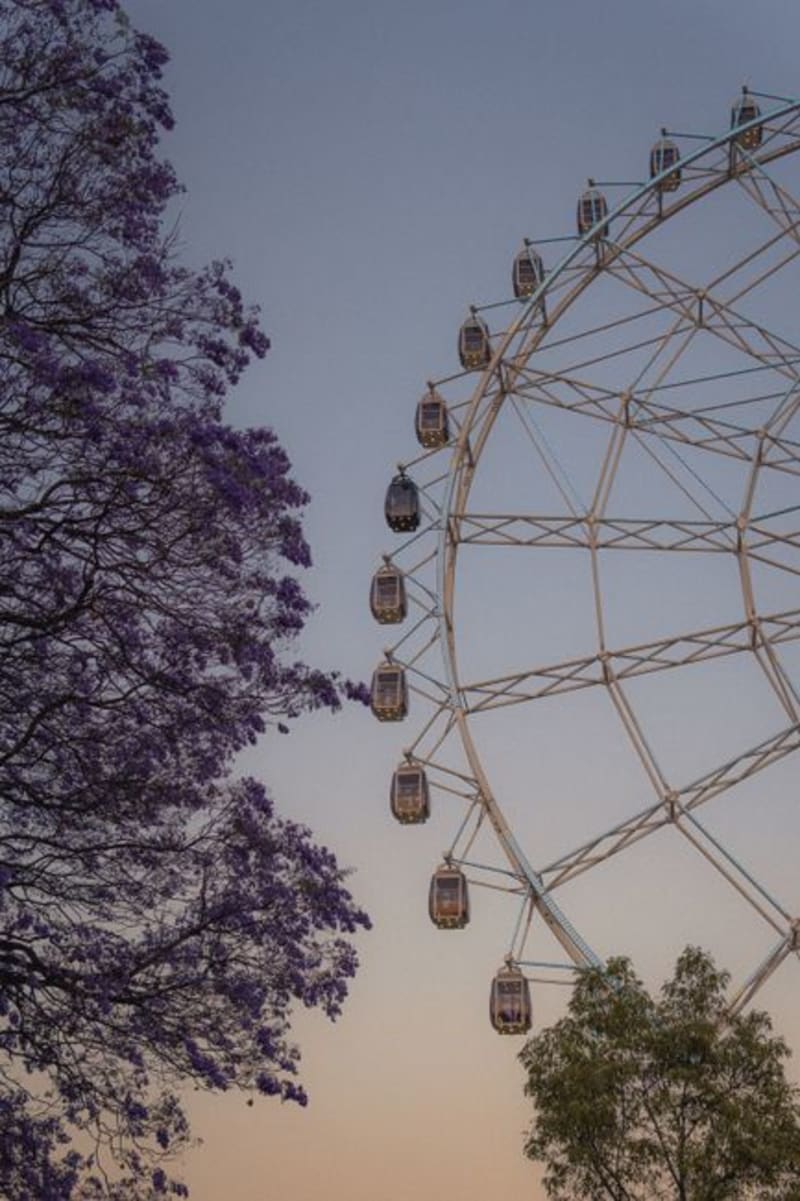 mexico
 Condesa
Condesa is the neighborhood I keep returning to when I need proof that urban life can be graceful — Art Deco buildings draped in jacaranda, Parque México looping with dogs and joggers, and terrace cafes where the waiter never brings the bill until you ask. It is one of the most livable squares of pavement in this country, and it knows it.
Explore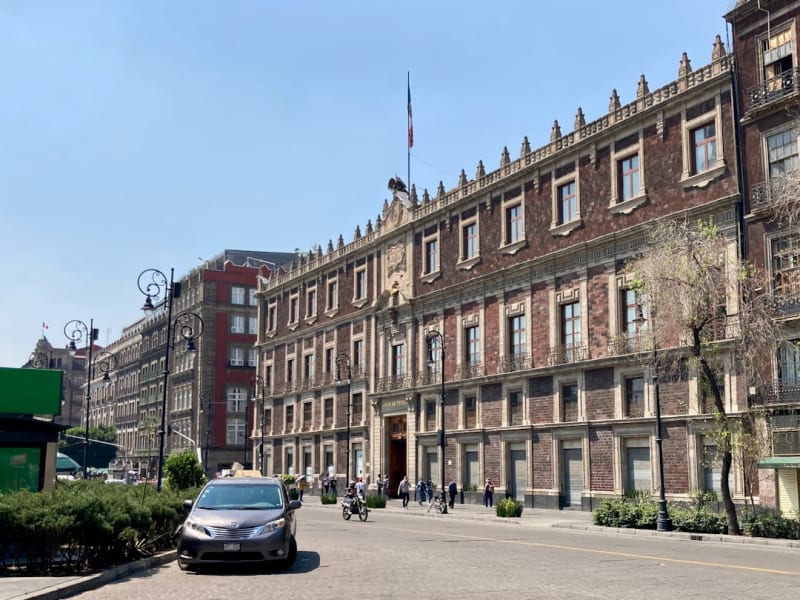 mexico
 Coyoacán
Mexico City's most beloved neighborhood — cobblestoned streets where Frida Kahlo was born and buried, León Trotsky spent his last years, and the best churros in the capital are served at midnight in the central plaza.
Explore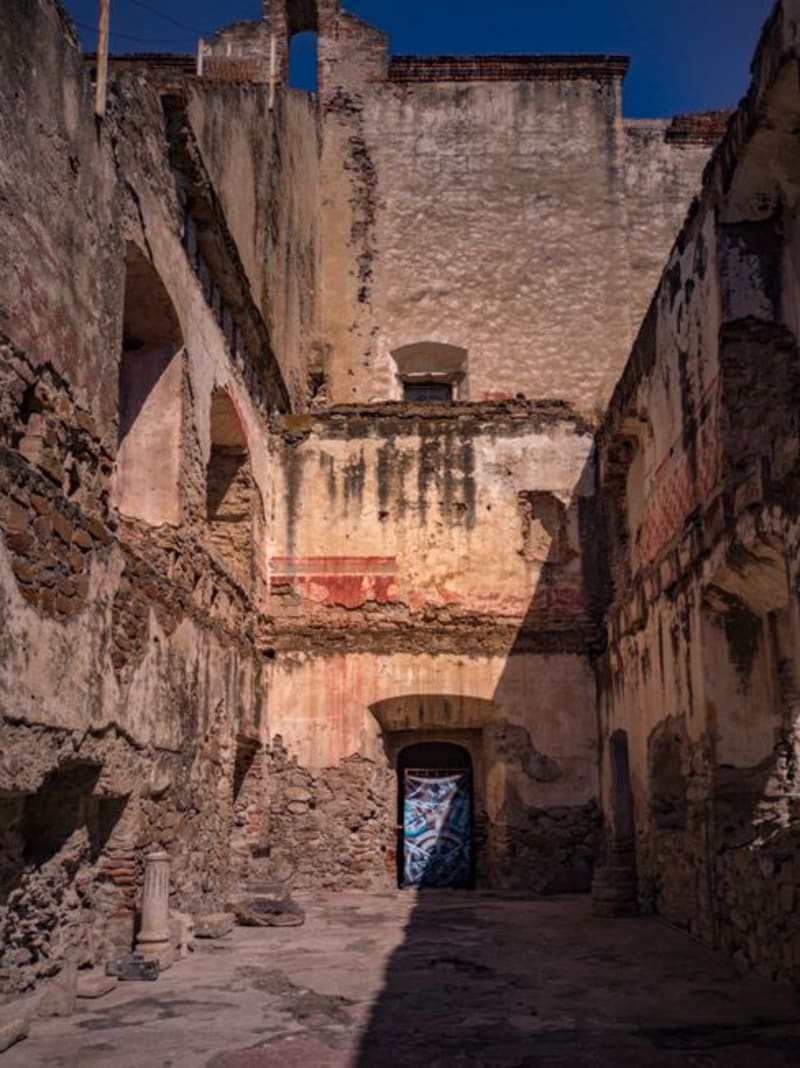 mexico
 Desierto de los Leones
Twenty minutes west of Condesa, the pine forests of Desierto de los Leones swallow the city whole. A seventeenth-century Carmelite monastery sits at the center, abandoned for its extreme solitude — a decision that still makes complete sense given the fog and cold — and most of the twenty-one million people living nearby have never once made the trip.
Explore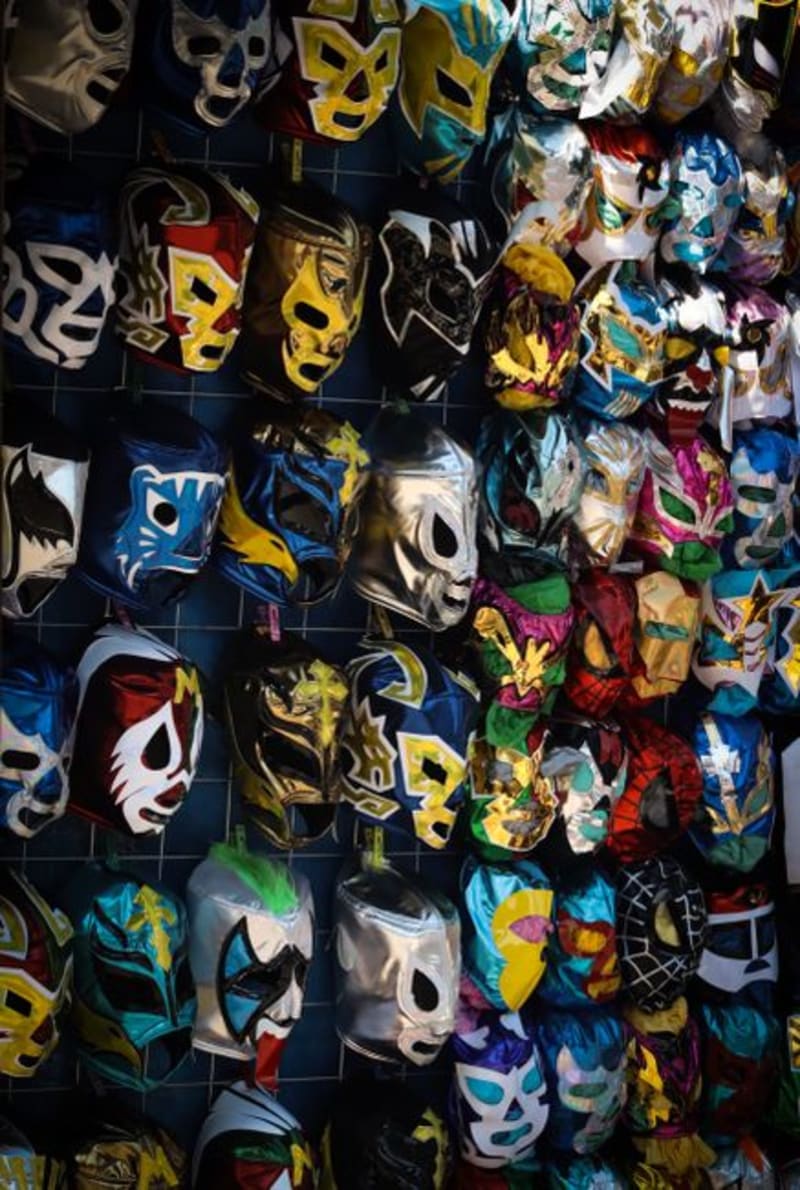 mexico
 Doctores
Doctores is a working-class barrio in the heart of Mexico City, named for the physicians who once populated its streets and now inseparable from the spectacle of lucha libre. Arena México anchors the neighborhood like a cathedral anchors a colonial square — everything orients around it, from the taco stands to the mask vendors to the rhythms of Tuesday and Friday nights.
Explore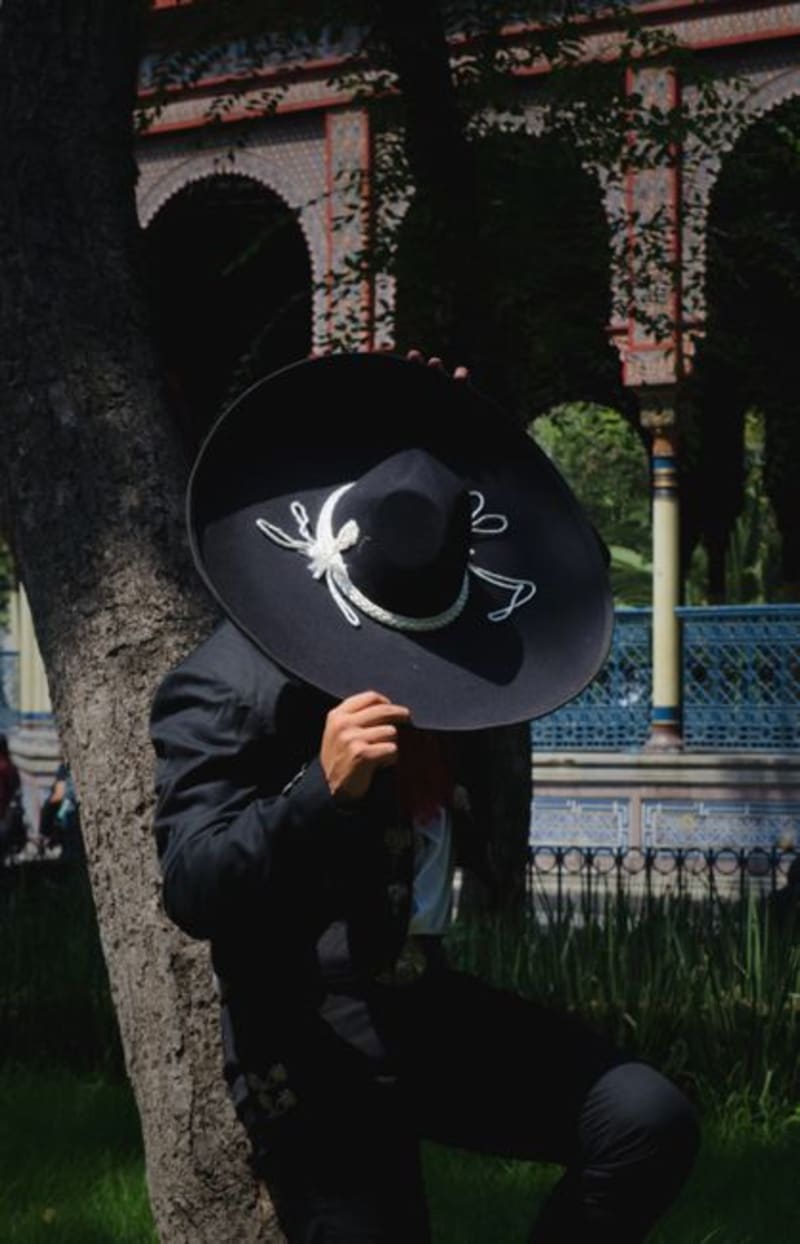 mexico
 Plaza Garibaldi
The beating, chaotic heart of Mexico's mariachi tradition — a plaza where hundreds of musicians in charro suits wait to be hired, the pulquerías have been pouring fermented maguey since the 1940s, and the music genuinely does not stop.
Explore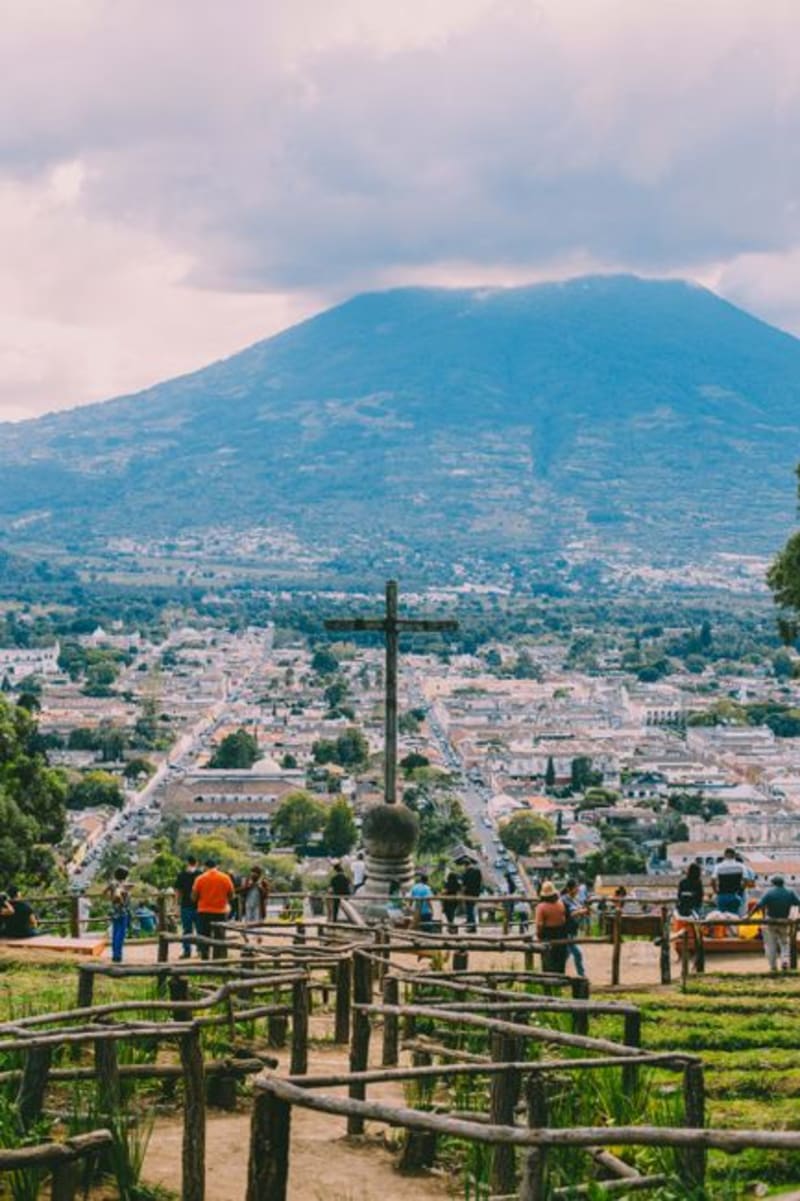 mexico
 Iztapalapa
The most-populated borough in the Americas and almost entirely ignored by tourists, Iztapalapa rewards the curious with a pre-Hispanic hill at its center and the largest Passion Play on earth every Semana Santa. This is Mexico City without the performance of itself — dense, proud, and completely unbothered by your arrival.
Explore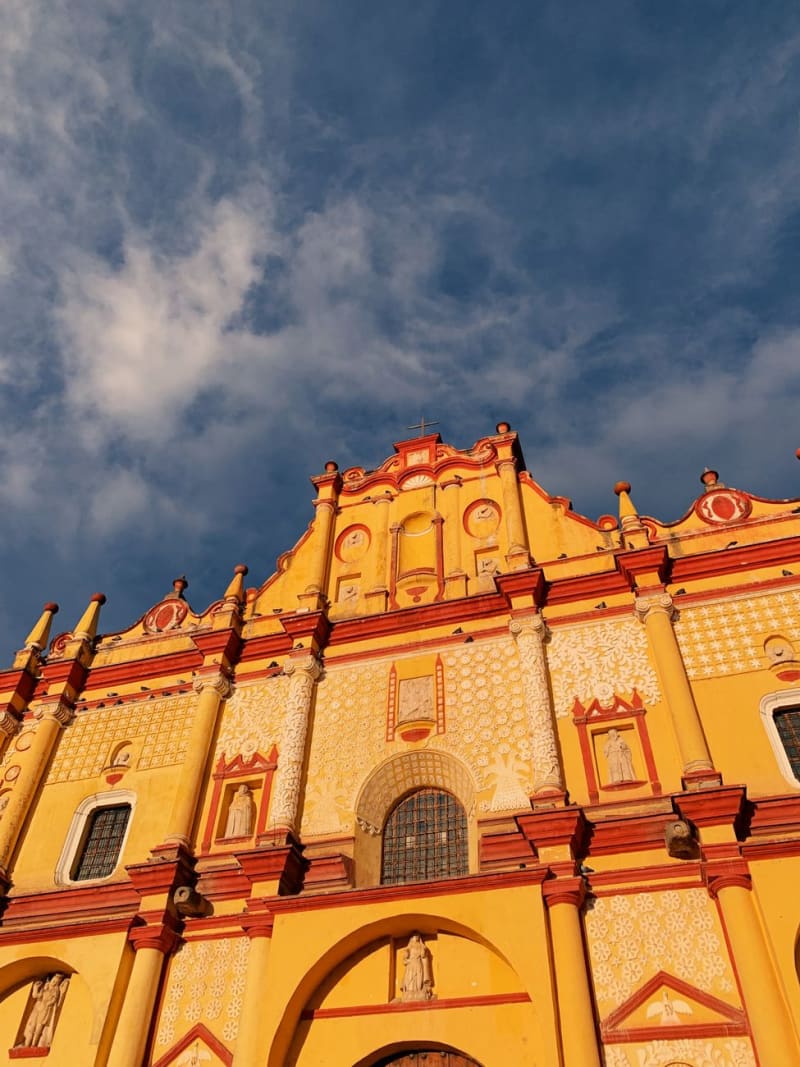 mexico
 La Merced
La Merced is the great wholesale food market district of east-central Mexico City, the kind of neighborhood that travel guides mention briefly and with mild apprehension before moving on to more photogenic ground. It is four distinct market buildings covering multiple blocks, surrounded by chile vendors, herb sellers, and spice merchants operating in the streets between them, and the smell when you walk in — dried chiles and epazote and fresh earth and the sweet rot of overripe fruit — is the smell of Mexico's kitchen before it was cleaned up for outside consumption. I ate the best tamales I have found in Mexico City at a comedor inside the main building at eight in the morning, surrounded by vendors who hadn't yet opened their stalls.
Explore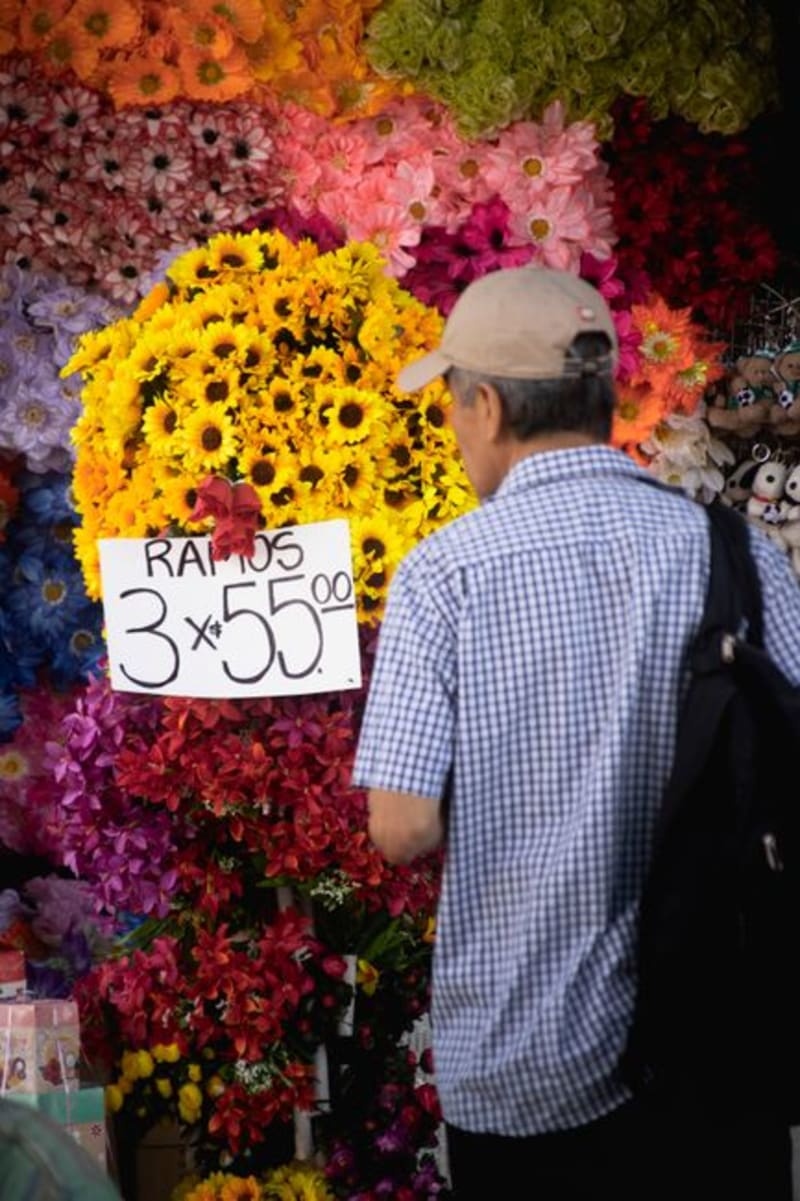 mexico
 Mercado Jamaica
Three hectares of cut flowers, dried herbs, and funeral wreaths stacked six meters high — Mercado Jamaica operates on a scale that makes every other market in Mexico City feel provincial. Vendors have been arriving since 3am for decades. Come at dawn, with low expectations for personal space and high ones for everything else.
Explore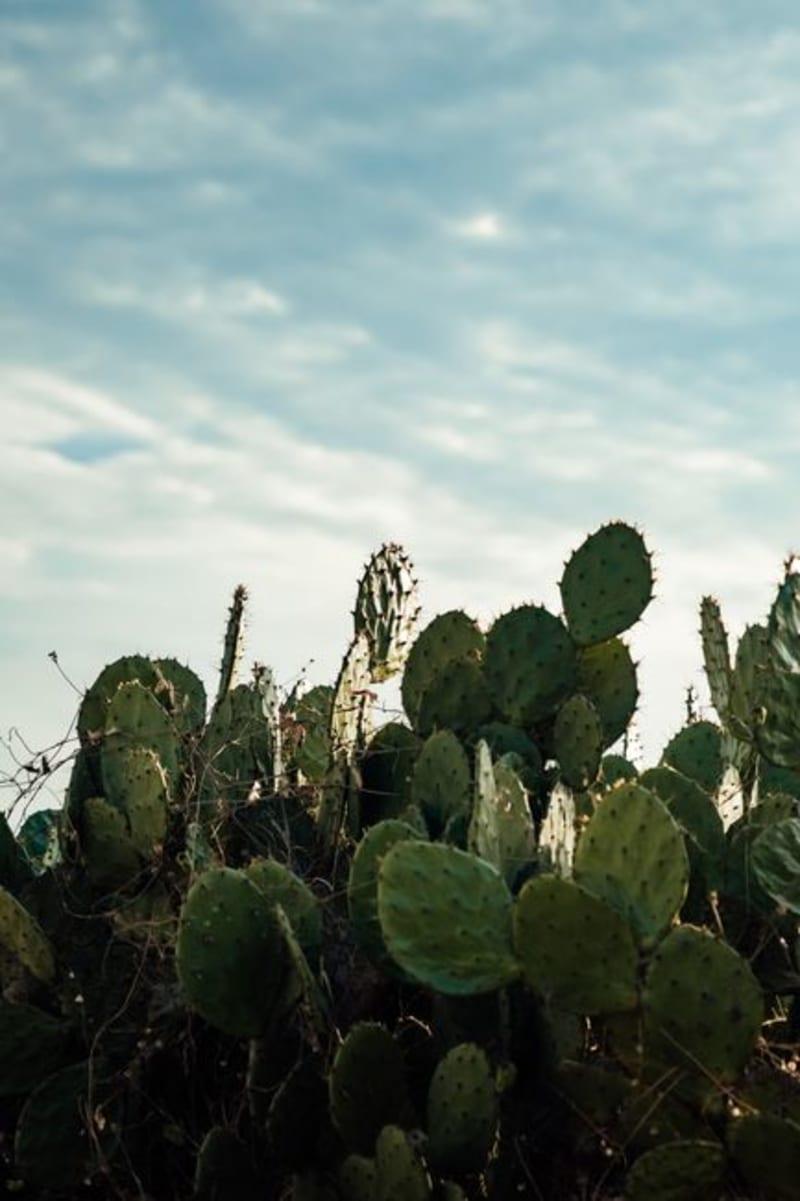 mexico
 Milpa Alta
The southernmost borough of Ciudad de México sits at 2,600 metres in a landscape of nopal fields, pine forests, and Nahua villages where Nahuatl is still spoken daily. It produces most of the capital's nopales, makes mole negro the slow way, and feels nothing like the city an hour to the north.
Explore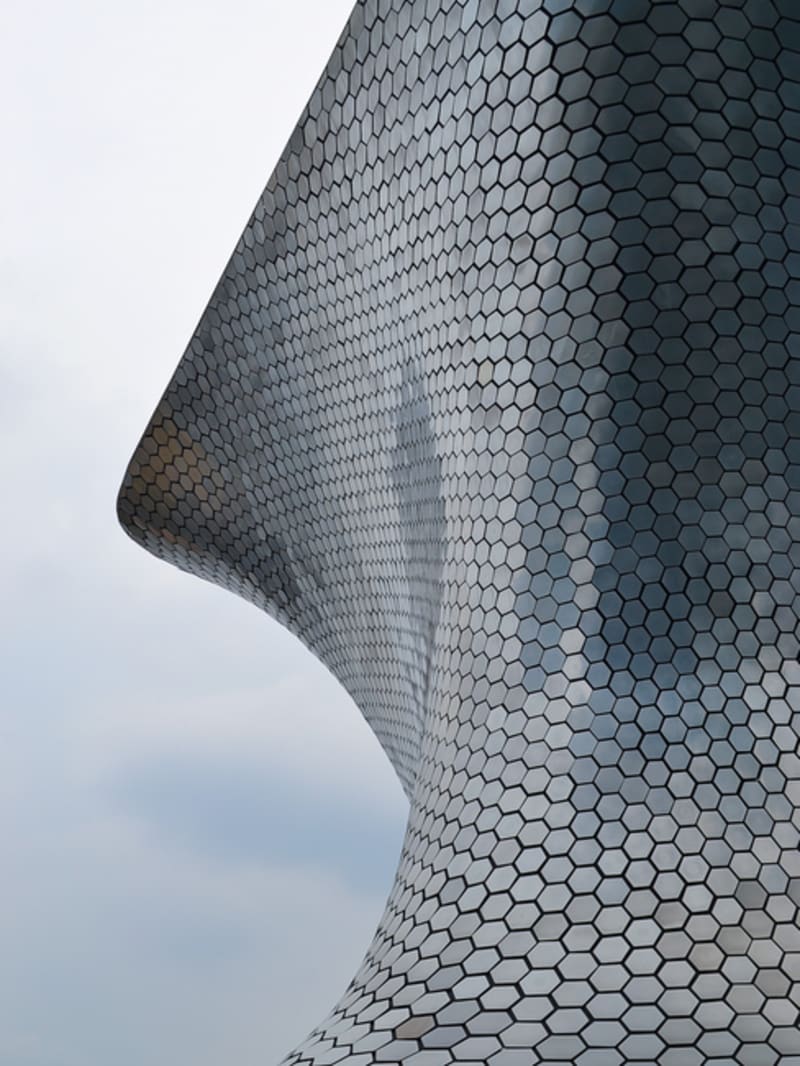 mexico
 Polanco
Polanco is where CDMX puts on its most polished face — wide leafy boulevards, the free Museo Soumaya packed with forty-five thousand pieces of art, and restaurant tables that make you question what country you are in. It is not where I usually end up, but the art is impossible to argue with.
Explore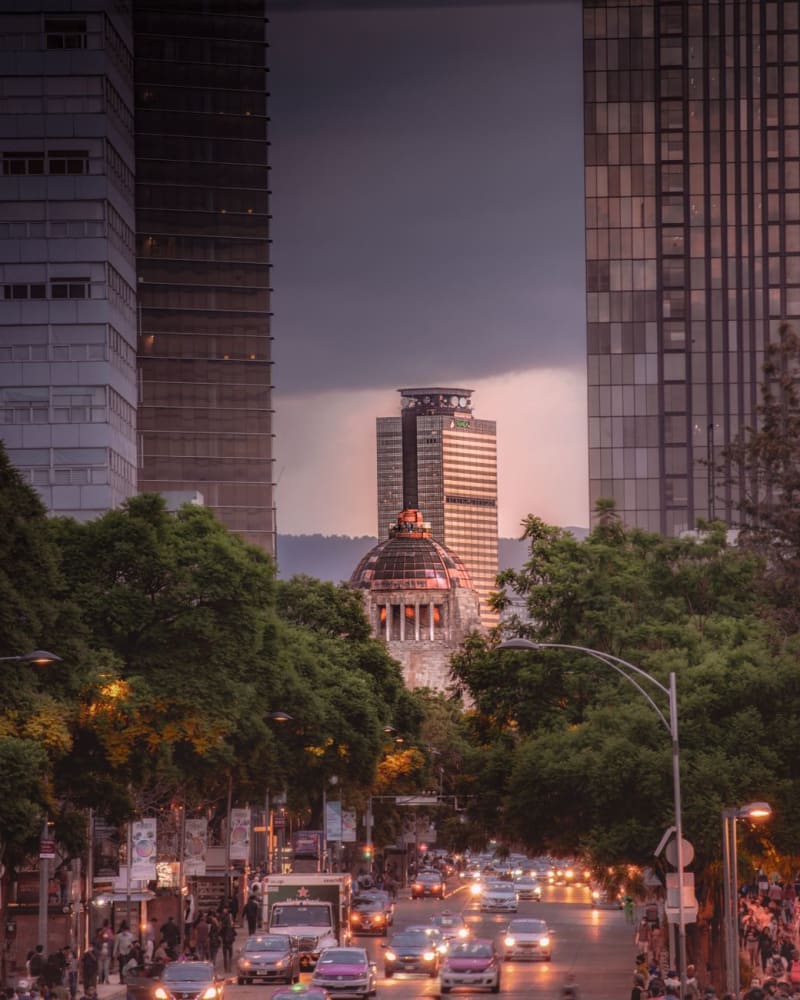 mexico
 Colonia Roma / La Condesa
The arc of Roma Norte, Roma Sur, and La Condesa is where contemporary Mexico City culture is most legibly concentrated — Art Deco buildings from the 1920s expansion, park-centered urbanism, and a density of genuinely interesting restaurants on streets like Orizaba and Álvaro Obregón that I have found nowhere else in the Americas. I have walked these neighborhoods more than any other part of the city and still find something new on almost every visit.
Explore mexico
 San Ángel
A southern Mexico City neighborhood of cobblestone streets and 17th-century haciendas, where the best weekly craft market in the country takes over the plaza every Saturday and the light through the jacarandas feels briefly Parisian — without the pretension.
Explore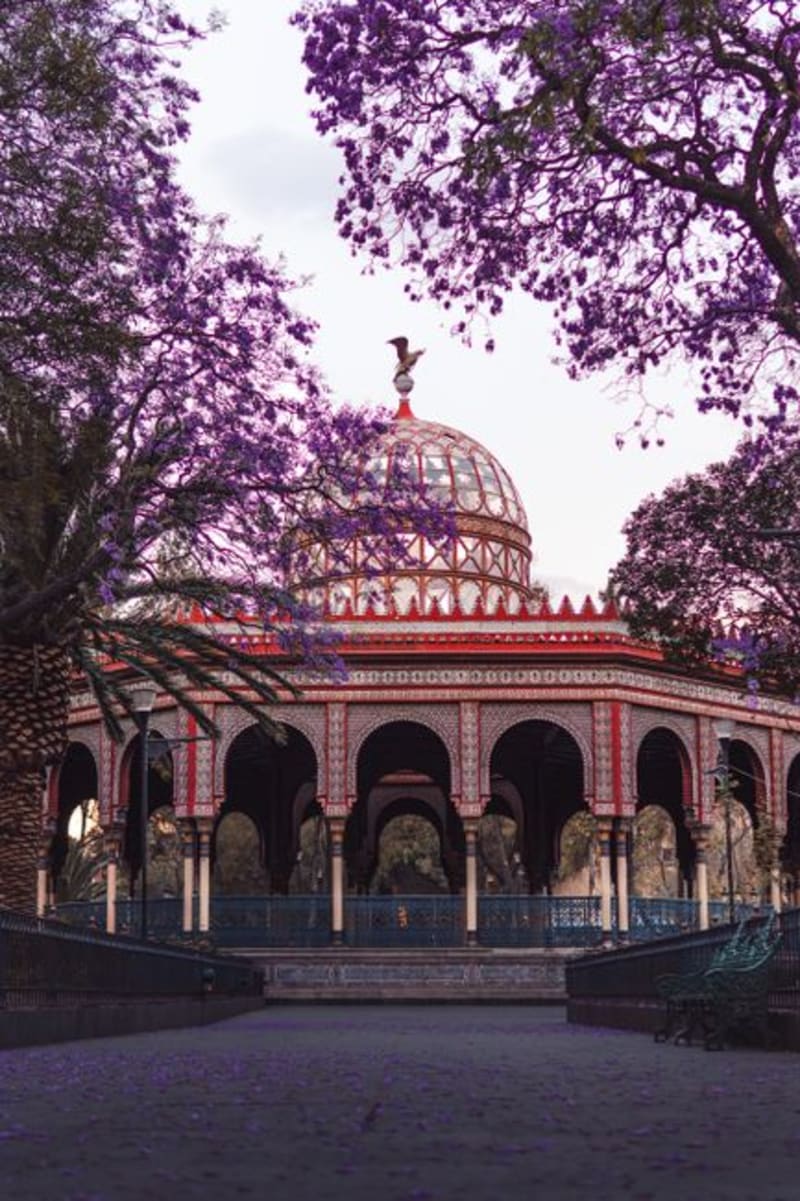 mexico
 Santa María la Ribera
Santa María la Ribera was built for a bourgeoisie that has long since moved on, leaving behind century-old Porfiriato facades and one completely improbable centerpiece: a Moorish iron pavilion that arrived from the 1889 Paris World's Fair and never left. It is the kind of colonia that rewards arriving without a plan.
Explore mexico
 Tepito
Tepito is the barrio bravo of Mexico City — a dense, working-class district north of the historic center with a street market that sells everything, a boxing culture that has produced three world champions, and Santa Muerte devotion maintained with the genuine seriousness of a living religion. The reputation that keeps most chilangos away is not exactly wrong, but it is not the whole story. I went on a Tuesday morning with a friend who grew up there and ate the best carnitas tacos of my life at eight in the morning.
Explore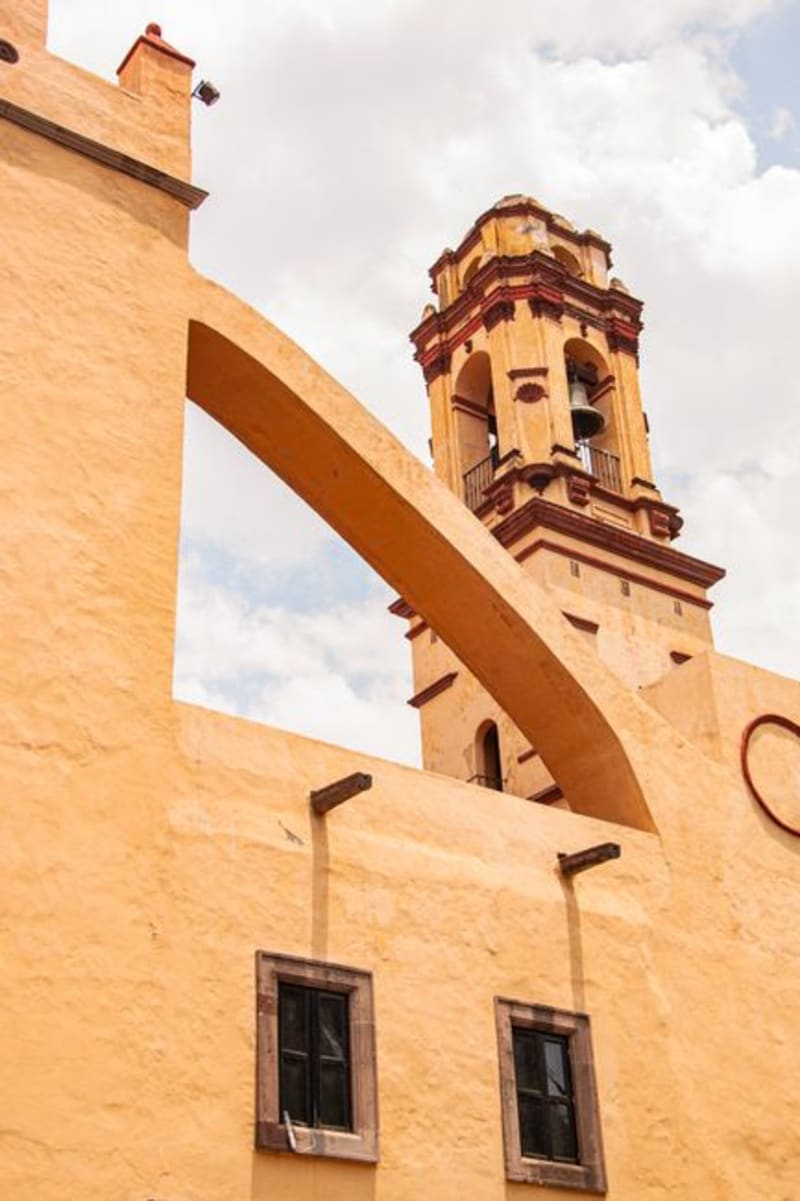 mexico
 Tlalpan
Tlalpan is the southern borough that most visitors drive through without stopping, which is exactly why it still feels like it belongs to itself. A colonial cathedral, unsigned cantinas, and a Saturday market built around serious carnitas make it the most grounded hour you can spend near Mexico City.
Explore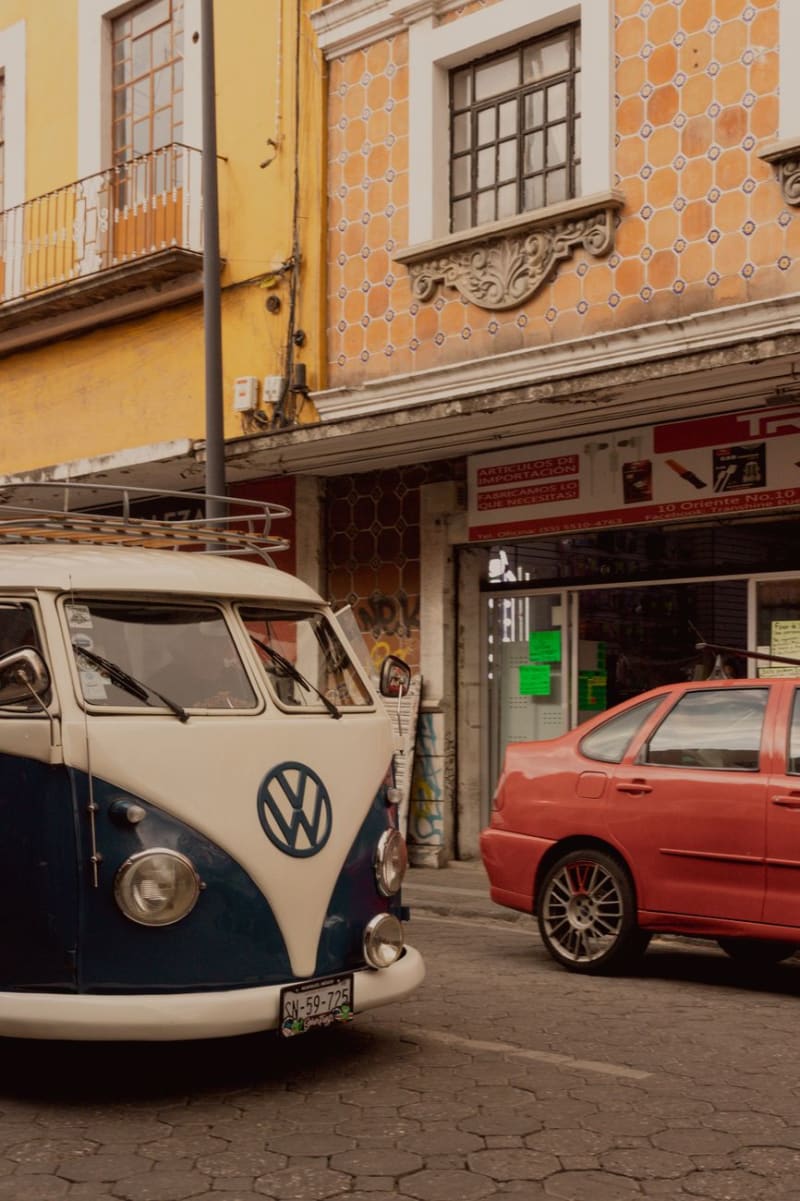 mexico
 Tlatelolco
Tlatelolco's Plaza de las Tres Culturas contains, in a single enclosed space, the ceremonial center of the Aztec city that was larger than Tenochtitlán in 1519, a sixteenth-century colonial church built from the stones of those temples, and the 1964 Secretaría de Relaciones Exteriores building whose concrete walls face onto the square where the Mexican army killed an unknown number of student protesters on October 2, 1968 — ten days before the Mexico City Olympics opened. The plaza is almost always quiet. Given what happened there, the quiet feels wrong.
Explore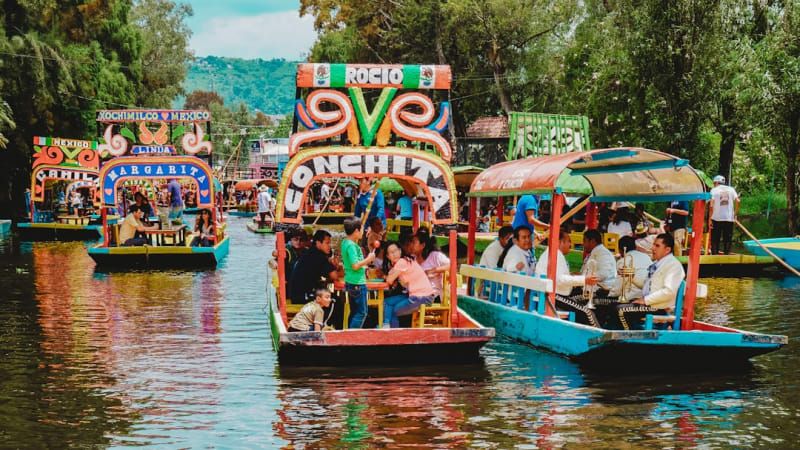 mexico
 Xochimilco
The last surviving Aztec chinampas south of Mexico City — a canal network of floating gardens where trajineras have carried people and flowers for seven hundred years.
Explore