Milpa Alta
"The road climbs out of the smog and into nopal fields and cloud forest, and for a moment you forget you are technically still inside the city."
I took the wrong combi out of Xochimilco and ended up in Milpa Alta by accident. That was two years ago, on a Sunday morning when the weekly market in Villa Milpa Alta was already deep into its rhythm — women in embroidered aprons stacking cleaned nopal paddles into pyramids beside stalls selling fresh quesillo and pulque in plastic cups. The smell of wood smoke and something slow-cooked drifted between the canvas awnings. I had planned to loop back to the city by noon. I stayed until four, then came back the following weekend on purpose.
Where the City Grows Its Food
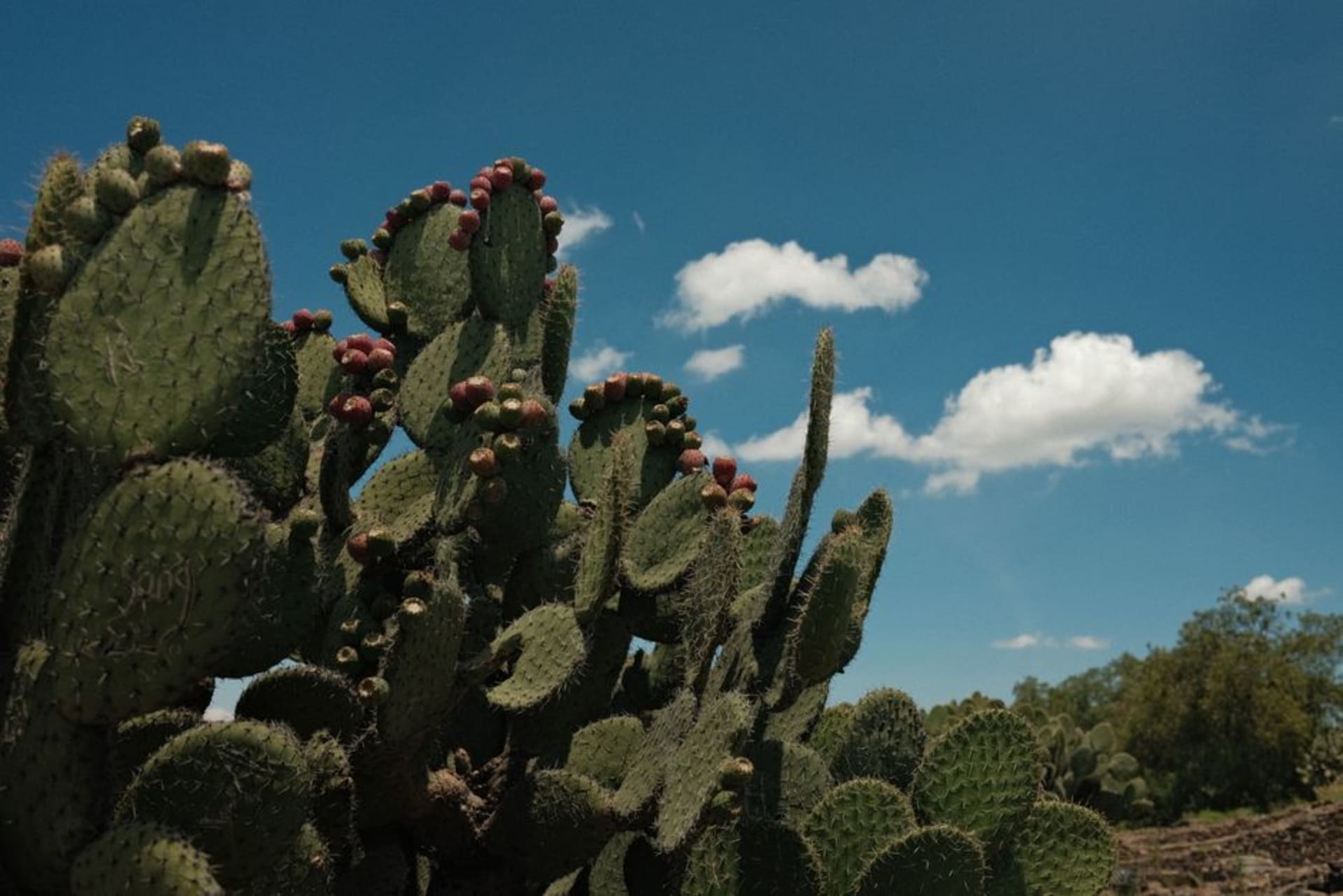
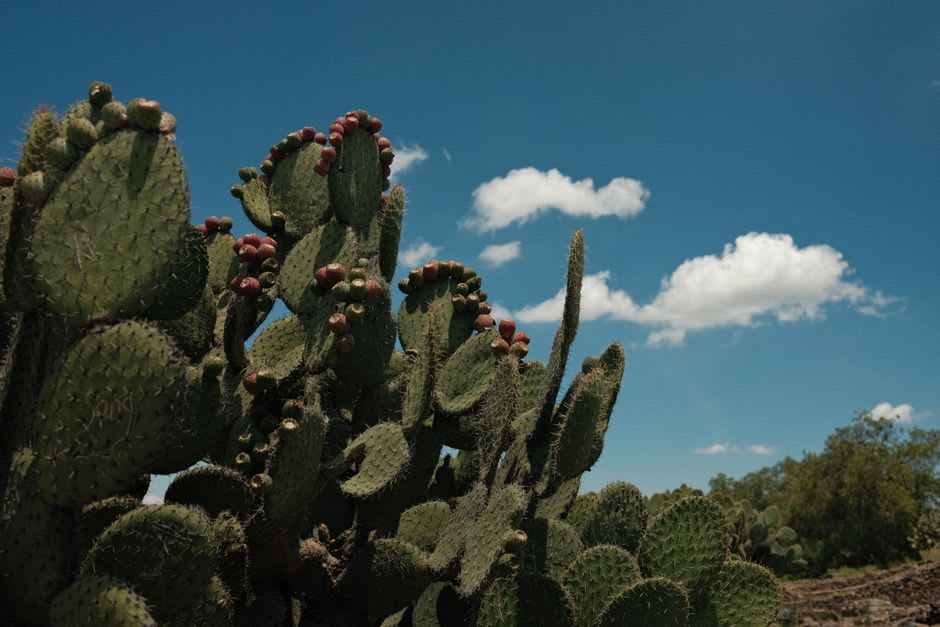
Milpa Alta supplies an estimated seventy to eighty percent of the nopales consumed in Mexico City — a statistic that becomes tangible the moment you clear the last curve of the road from Xochimilco and the plateau opens up. For kilometres in every direction, rows of nopal cactus stand chest-high and luminously green against the dark volcanic soil, trimmed and tended like any other crop but stranger-looking than most. The borough sits at 2,600 metres, cold enough in the mornings for your breath to show, and the air carries a mineral sharpness that the basin below never manages.
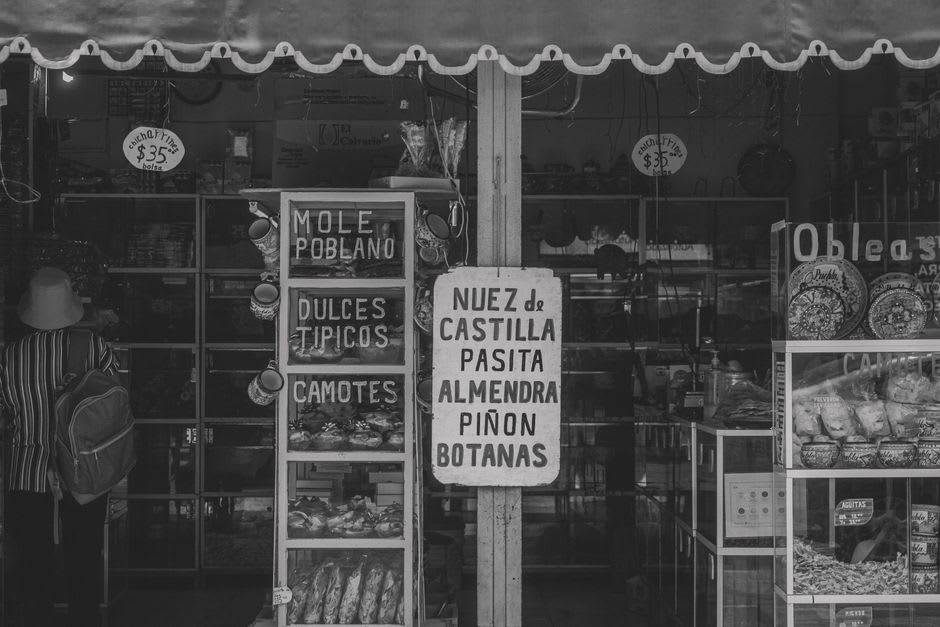
At the Sunday tianguis in the zócalo of Villa Milpa Alta, you can watch the whole economy of nopal compressed into a few hours: farmers arriving with pickup beds loaded to the rails, vendors using small curved knives to strip the spines in seconds, and buyers loading up for the week in volumes that make clear nobody here is treating nopales as a novelty ingredient. I ate a plate of them scrambled with eggs and chile de árbol for thirty pesos at a stall with no name and no sign, seated on a plastic stool with my coat still buttoned.
Mole Negro and a Language Still in Use
Mole negro in Milpa Alta is not the version sold by the jar in the city markets. It is made with chile mulato, chile ancho, and chile negro toasted to the edge of burning, with dark chocolate and several rounds of grinding on a stone metate — a process that takes most of a day and produces something darker and more resinous than anything I have eaten in Oaxaca or Puebla. The restaurant Sabores Milpaltenses, just off the central plaza, serves it over turkey on Sundays. Order early; they run out before noon.
The other thing that catches you off guard is hearing Nahuatl spoken in the street — not performed for tourists, just used, in ordinary conversations between neighbours and at market stalls. Several of the smaller surrounding villages, including San Pablo Oztotepec and Santa Ana Tlacotenco, have bilingual schools and active language programmes that have kept the language genuinely alive rather than ceremonially preserved. It recalibrates your sense of where you are — and of how wide the city actually is.
The Villages Beyond the Borough Seat
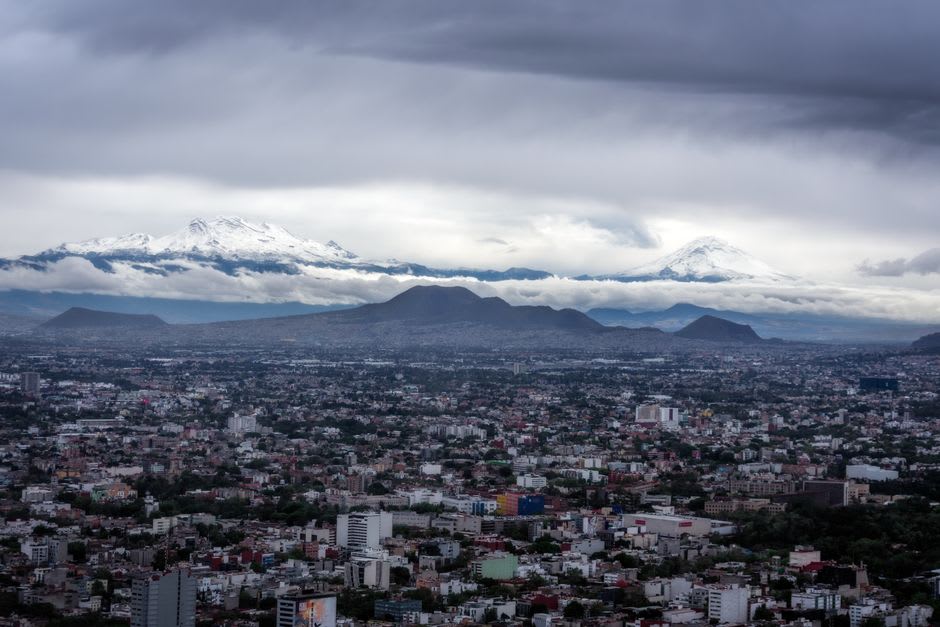
Villa Milpa Alta is an easy introduction, but the real texture of the borough is in the outlying towns. San Pablo Oztotepec has a colonial church that sits on what was clearly a pre-Hispanic platform — the proportions give it away — and a Thursday tianguis where dried chiles and handmade clay comals appear that you will not find in any city market. San Jerónimo Miacatlán is quieter still, with unobstructed views south toward Popocatépetl on the mornings when the clouds pull back.
I would not try to cover all twelve villages in a single visit. Pick one direction, walk the roads between the nopal rows, and stop when something looks interesting. The borough rewards that kind of unhurried movement more than it rewards a programme.
Getting There
From Taxqueña metro station in the south of the city, combi vans run directly to Villa Milpa Alta in about an hour depending on traffic. The route via Xochimilco is more scenic and adds twenty minutes. Weekends are the right time to visit — the Sunday market fills the zócalo by seven in the morning and winds down by early afternoon. The borough sits high and stays cold year-round; bring a layer regardless of the forecast in the city below.