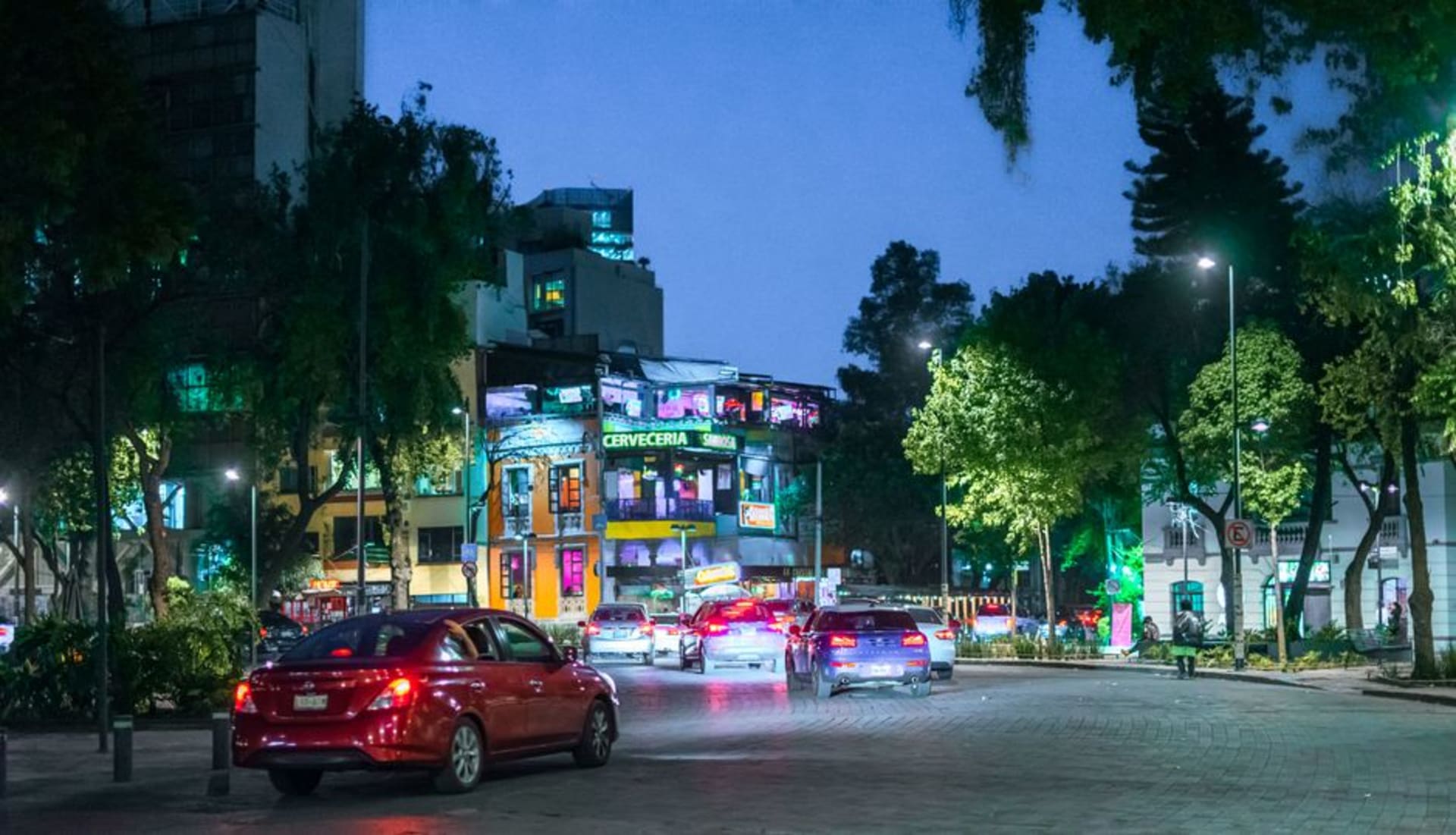
Colonia Juárez
"Colonia Juárez makes me feel like I arrived after the best party but just in time for an equally good one — the neighborhood never really stops reinventing itself."
I came to Colonia Juárez for a restaurant on Calle Génova that a friend in Oaxaca had described in the kind of specific, almost aggressive detail that means you have no reasonable choice but to go. The plan was simple: tacos de canasta somewhere nearby in the afternoon, then dinner at whatever place had a handwritten menu propped in the window. What I found instead was a neighborhood that operates at its own frequency — busy but not frantic, mid-reinvention but not erased. It was a Tuesday, around eleven at night, and the sidewalk tables on Londres were still full, people arguing warmly over the last of something in a clay pot.
Where the Zona Rosa Goes to Think
The old Zona Rosa — the one that hosted Octavio Paz’s circle, the one that established itself as the first openly LGBTQ+ neighborhood in Latin America — is still here, just redistributed. Colonia Juárez absorbed it, or perhaps it was always the quieter half of the same thing. On Calle Hamburgo, a former shoe store now operates as a gallery showing work I had no context for and wanted badly to understand. A few doors down, a bar with no sign has been open since the 1980s and doesn’t appear to have changed its playlist. What strikes me about this neighborhood is that nobody seems interested in explaining it. There are no heritage plaques marking the significance of what was built here. The community that shaped the Zona Rosa — queer artists, writers, people who needed a place that wouldn’t ask them to justify their presence — is still present, still forming the social atmosphere on every street. That continuity feels like the actual point.
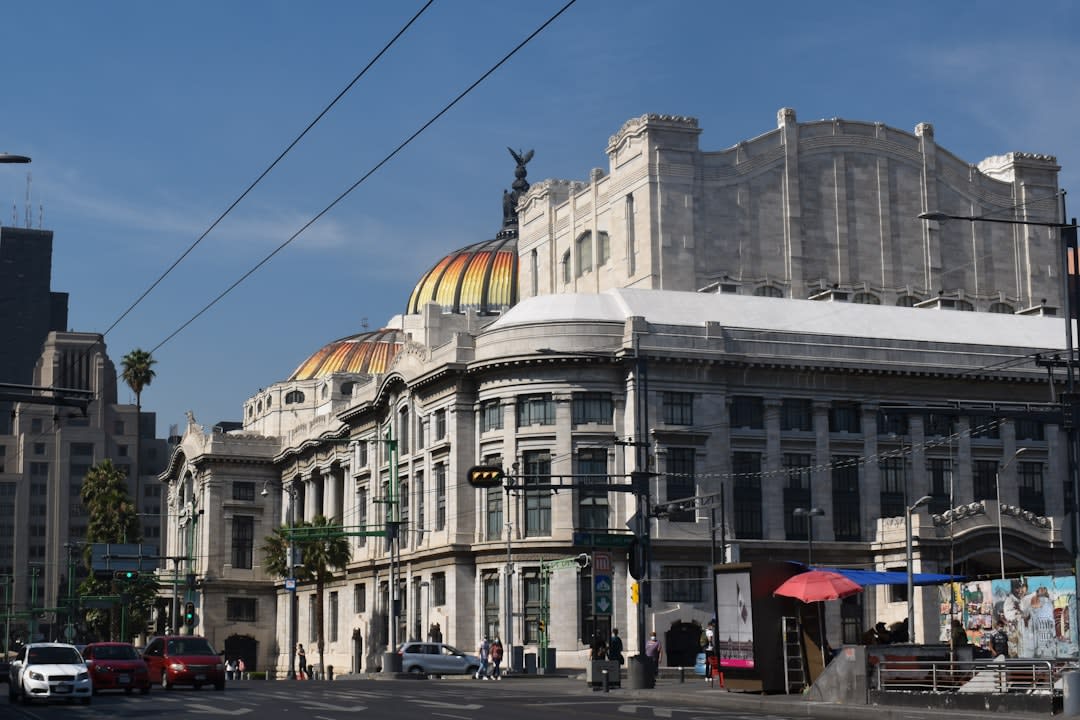
The Restaurants That Stay Open
The food in Colonia Juárez is serious without making a performance of it. On Génova, there are two or three places I return to the way you return to restaurants when you live in a city — not for occasions, but because the cochinita pibil arrives in a clay vessel still faintly smoking and the tortillas are made by hand at a counter you can watch from your table. On Londres, a corner spot serves enchiladas verdes with a crema that has no business tasting that good after midnight. The menus here skew toward the kind of Mexican cooking that doesn’t announce itself as regional or modern or anything else — it just exists, and it’s good, and the waiter brings another order of chips without being asked.
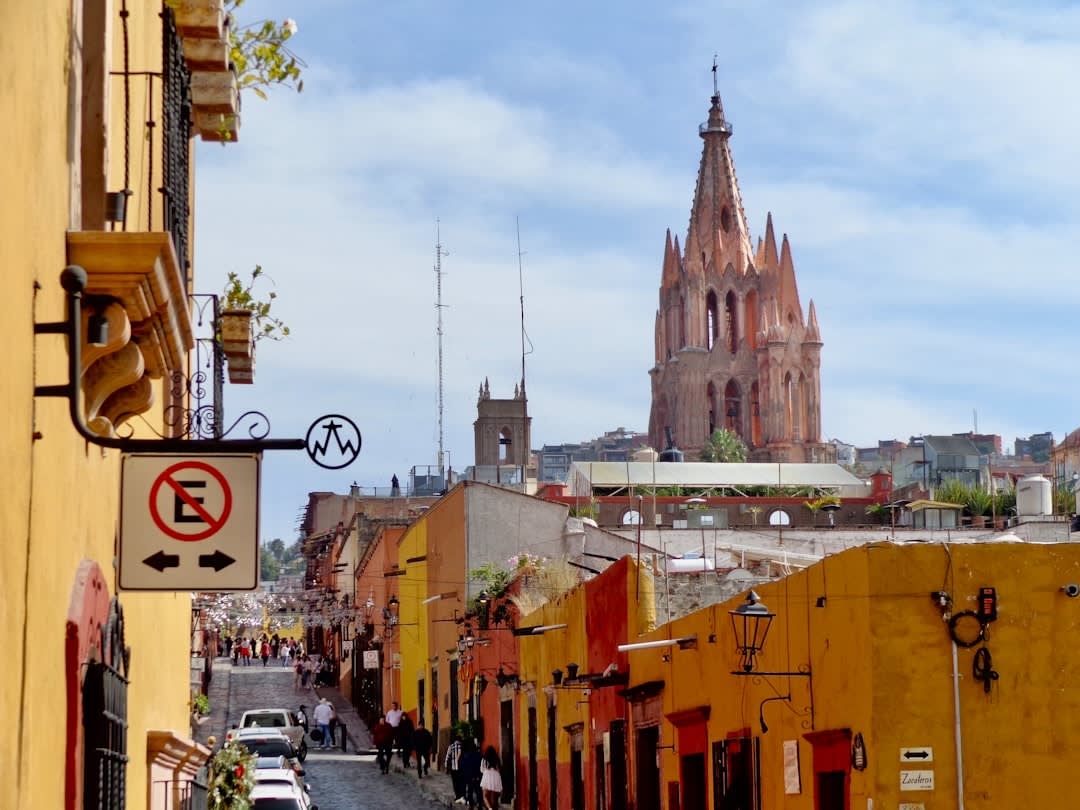
How I Use the Neighborhood
I stay in Colonia Juárez when I’m in the city and don’t want to perform being in the city. Roma Norte is beautiful and I get tired of how beautiful it is. Condesa requires a certain energy I don’t always have. Juárez lets me sit at a café on Calle Praga in the morning with a café de olla and do nothing in particular, then walk to an art opening in the evening and stay until the wine runs out. The Mercado de Medellín is fifteen minutes on foot for a proper market morning. The neighborhood is dense enough to spend three full days in without leaving it, which is, for me, the clearest possible endorsement.
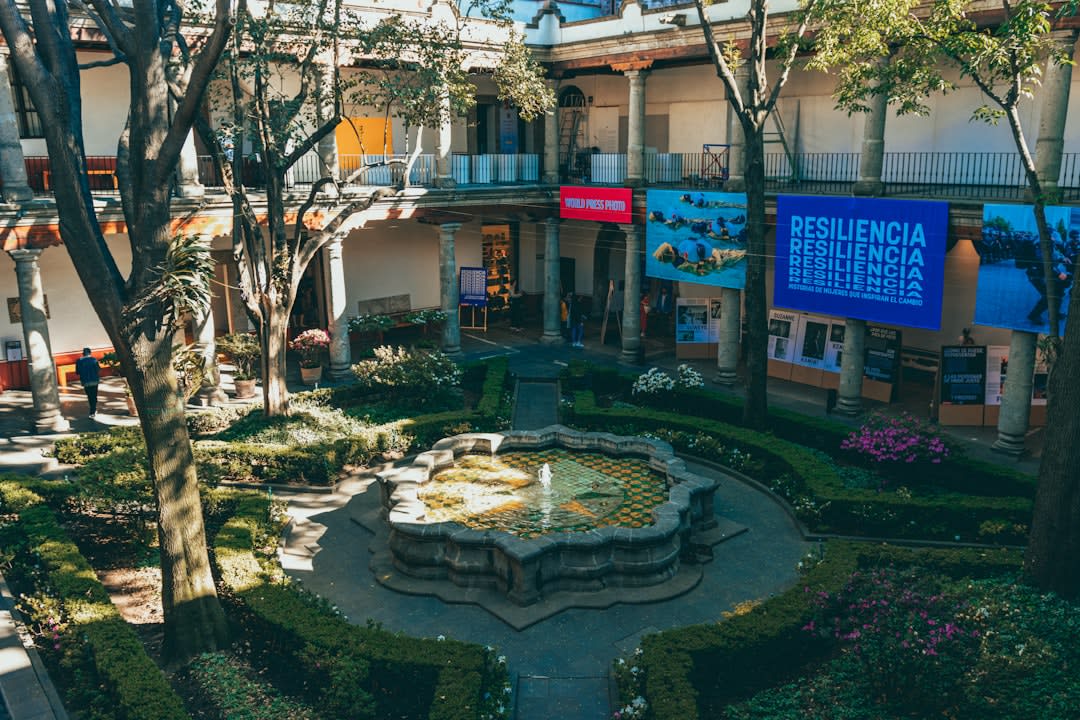
Getting There
Colonia Juárez sits just south of Paseo de la Reforma, roughly between Roma and Polanco. The closest Metro stations are Insurgentes and Sevilla, both on Line 1 and both a short walk from the main streets. From the airport, a taxi or Uber runs forty to fifty minutes depending on traffic. Once you arrive, the neighborhood is entirely walkable.