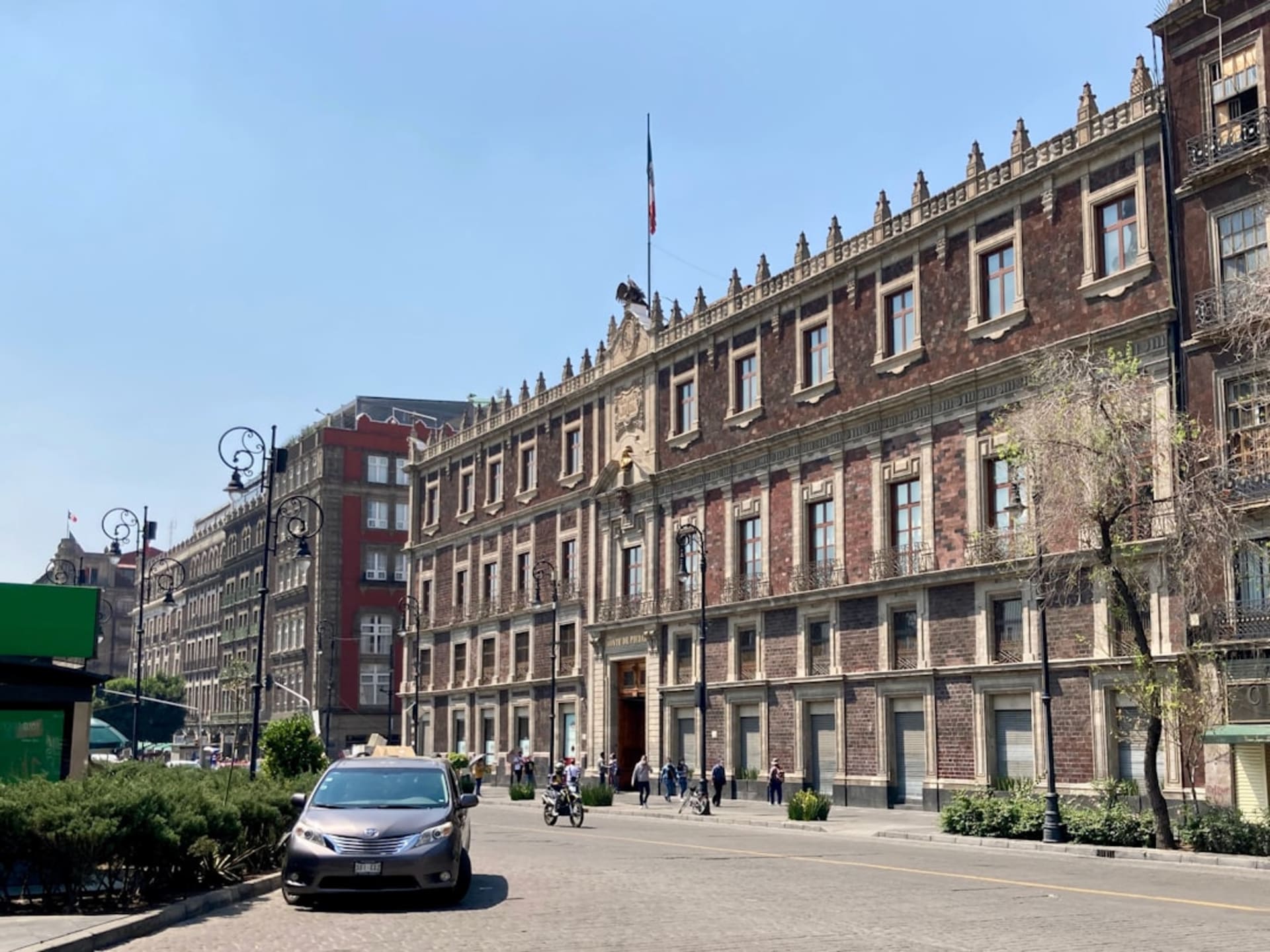
Coyoacán
"Frida Kahlo painted in this house. Diego Rivera lived across the street. Trotsky lived around the corner. The neighborhood was too small for all three of them."
Coyoacán predates Mexico City. It was a Toltec and then an Aztec settlement before the Spanish arrived; Hernán Cortés used it as his headquarters during the siege of Tenochtitlán in 1521 and later built his colonial mansion where the current government buildings stand. The city grew around Coyoacán over the following centuries, absorbed it administratively in the 20th century, and never quite homogenized it — the neighborhood’s village scale, its cobblestoned streets, its market, and its concentration of cultural history have survived the urban expansion that swallowed everything adjacent.
Living in Mexico City for three years before finally spending a proper weekend in Coyoacán was a mistake I spent the following month trying to correct. I went back six times.
The Casa Azul
The Museo Frida Kahlo — known universally as the Casa Azul for the cobalt blue paint that covers its exterior walls — is the house where Frida Kahlo was born in 1907, spent much of her life, and died in 1954. The building and its contents were preserved largely as she left them; Diego Rivera, who outlived her by three years, donated the house to the Mexican state with the intention that it remain a museum.
The museum requires advance booking (same-day tickets are almost impossible to obtain in peak season). The visit rewards patience: the objects that fill the house — the ex-votos Kahlo collected, the pre-Columbian figures in the garden, the corsets she wore after her bus accident, the wheelchair at her easel, the four-poster bed with the mirror mounted on the canopy so she could paint herself while bedridden — accumulate into a portrait of a life that her paintings describe from the inside.
The garden, planted with cactus and tropical plants and featuring the pyramid Kahlo and Rivera built to house their pre-Columbian collection, is the most tranquil corner of the visit. In the late afternoon, the blue walls turn a deeper shade and the space feels genuinely private.
The Trotsky Museum
Four blocks from the Casa Azul, on Calle Viena, the house where León Trotsky lived from 1939 until his assassination in 1940 is now the Museo Casa de León Trotsky. Trotsky arrived in Mexico as Stalin’s most wanted enemy, living first with Kahlo and Rivera (who were Trotskyist sympathizers) before moving to his own fortified house after a political break with Rivera.
The house retains the physical evidence of the political terror of the period: the watchtower Rivera helped build on the roof, the sandbagged windows, the reinforced doors. Trotsky’s study is preserved as it was on August 20, 1940, when Ramón Mercader — a Soviet agent — killed him with an ice axe at his desk. The desk, the study, the ice axe (a replica; the original is in a Moscow museum) are all present.
The visit is sobering in a way that few political museums achieve: the scale of the house (modest, domestic), the closeness of the watchtower to the garden where Trotsky kept rabbits, and the preserved study create the specific discomfort of proximity to an event whose dimensions were global but whose physical space was intimate.
The Mercado and the Plaza
The Mercado de Coyoacán on Calle Ignacio Allende is one of the better food markets in Mexico City: a covered hall of produce, cheese, flowers, and prepared food stalls where the specialties are tostadas (most famously at Tostadas Coyoacán), enchiladas, and the market’s own version of the tlayuda. The market is genuinely a shopping destination for the neighborhood’s residents, not primarily a tourist experience.
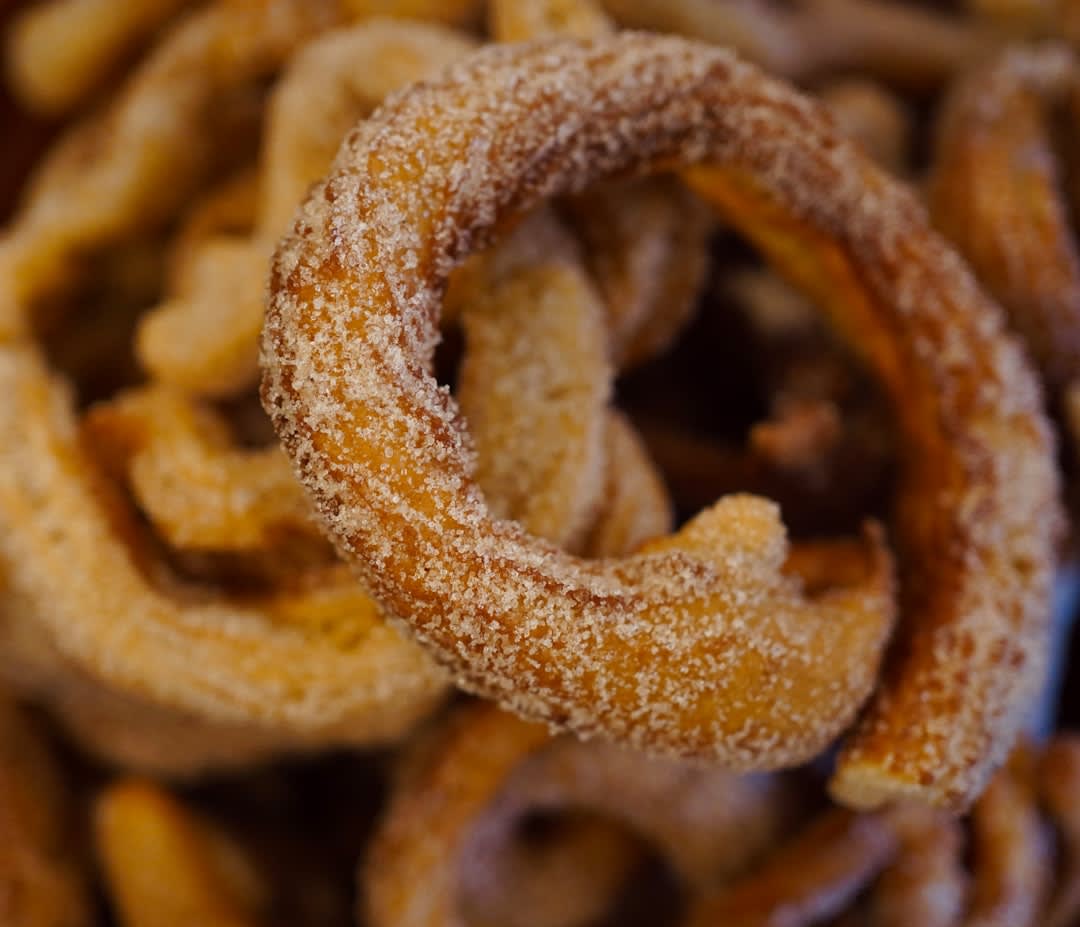
The Plaza Hidalgo and the attached Jardín Centenario form the social center of Coyoacán on weekend evenings: families on the benches, street performers, the Churros El Moro stand (open 24 hours, the standard by which all CDMX churros are judged), and the specific quality of a neighborhood that hasn’t traded its residents for its visitors.
Getting there: Metro Viveros (Line 3) or Coyoacán station, then a fifteen-minute walk or short taxi/Uber. From the Centro Histórico: Metrobús Line 1 to Dr. Gálvez, then taxi. Uber from most CDMX neighborhoods takes twenty to forty minutes depending on traffic.
When to go: Weekday mornings for the museums (book Frida Kahlo weeks ahead online). Weekend evenings for the market and plaza atmosphere. The neighborhood’s Day of the Dead altars (late October/early November) are among the most elaborate in the city.