Desierto de los Leones
"I asked a local whether people come up here much. He laughed. Then we both looked at the empty trail and the answer was obvious."
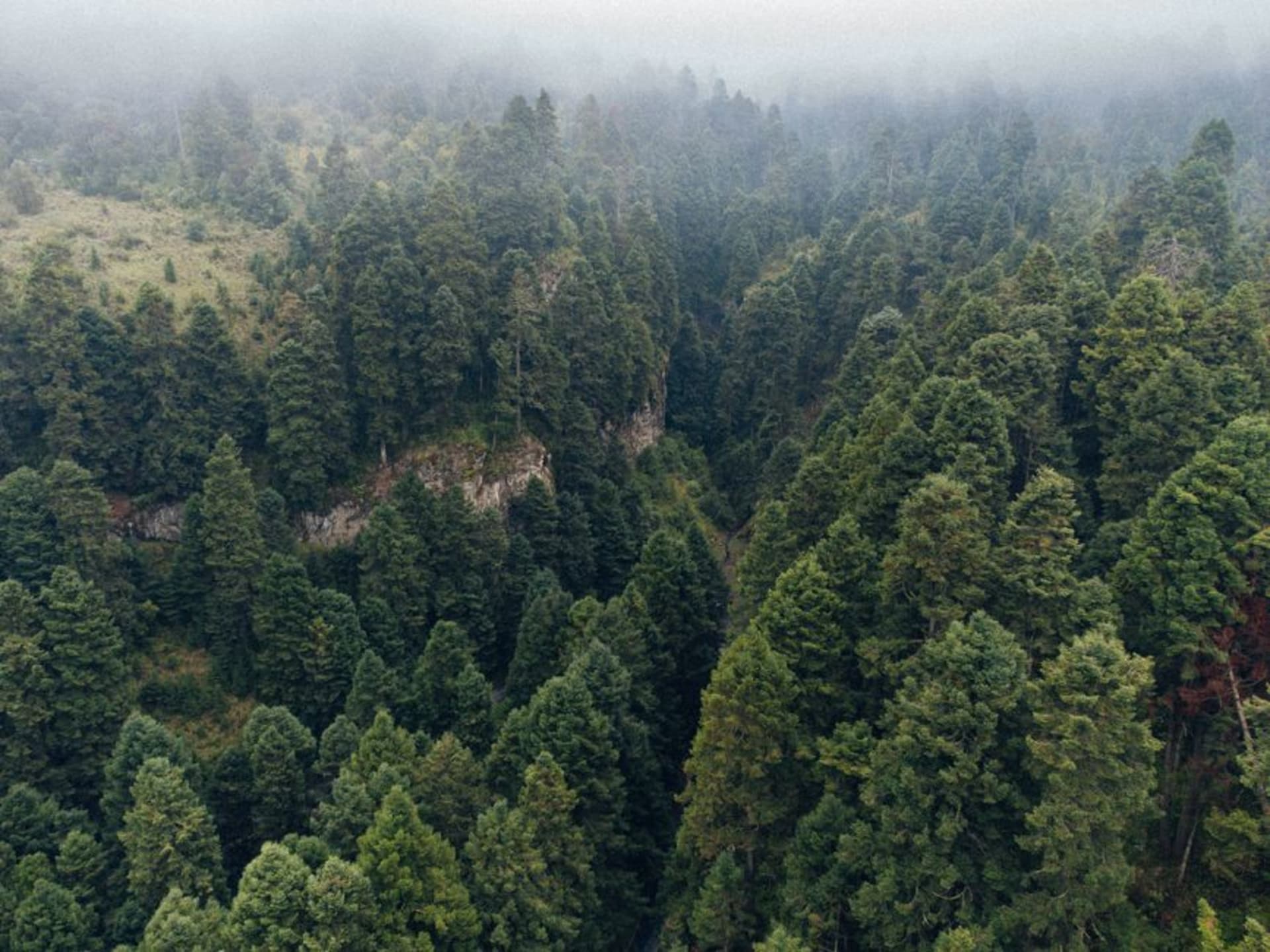
I went up on a Saturday in November, which turned out to be exactly the right call. The Carretera Constituyentes winds out of Lomas de Chapultepec and into pine trees that close around the road like a curtain, and within ten minutes the city is gone — not receding, actually gone, replaced by fog and the smell of wet bark and altitude. I parked near the monastery entrance and sat in the car for a moment because the temperature drop was enough to feel like an insult. Twenty minutes from Condesa. I checked the map again just to be sure.
A Monastery Built for the Wrong Reasons
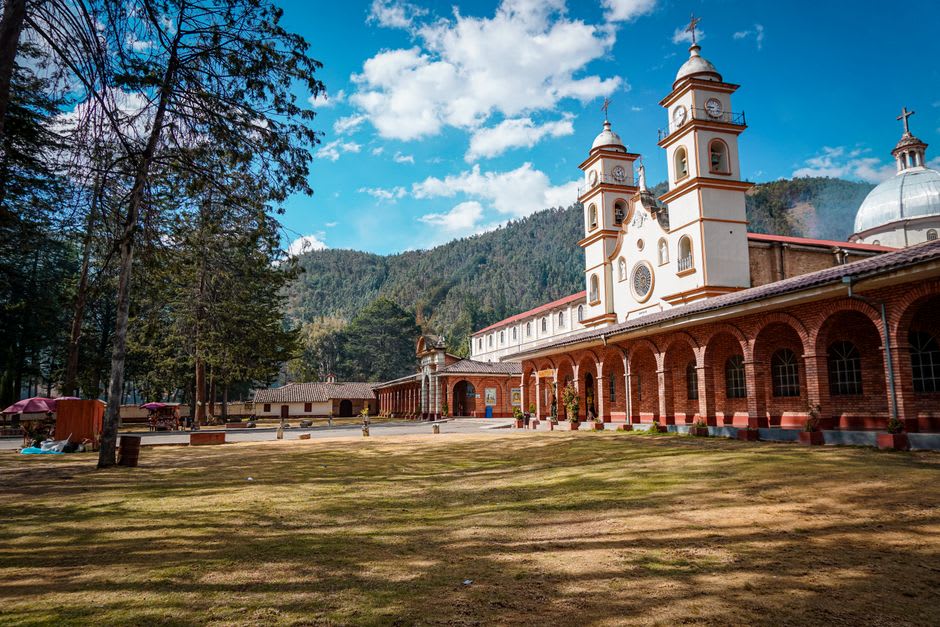
The Carmelites founded their convent here in 1606, and they chose this spot specifically because it was remote, cold, and miserable. They were not wrong. The community was abandoned by the late eighteenth century — the combination of earthquakes, the Reform War, and perhaps a gradual institutional honesty about what they had gotten themselves into — and the site became a national monument in 1917. Walking through it now, the logic of that history is both clear and faintly funny.
The stone corridors are wide and vaulted in a way that makes sound disappear rather than echo. There are underground passages that supposedly connect the chapel to the refectory and from there to the cistern, though the access points I found were either locked behind iron gates or had turned into standing water features. The chapel itself retains its original floor tiles — ochre and blue and deep green — and in the early afternoon light that filters through fog and narrow windows, the patterns look almost warm. I spent a long time in there, alone, which is exactly what the Carmelites intended when they built it.
Oyamel and Altitude
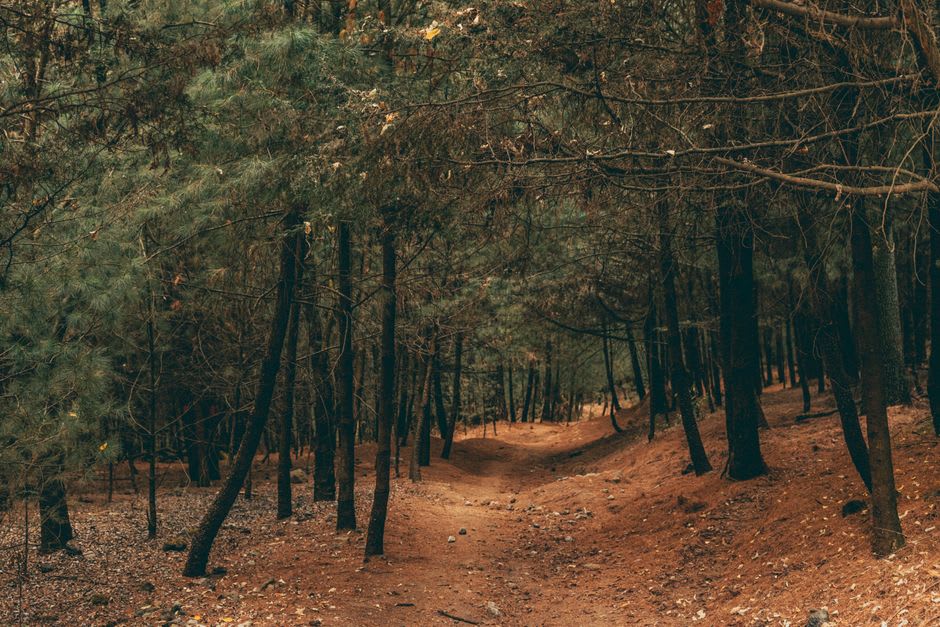
The trails start just past the monastery and fork into the forest in three or four directions, depending on which hand-drawn map you believe. I took the one marked Circuito del Bosque, which turned out to be about six kilometers of loose pine needle, exposed root, and enough elevation change to remind me I now live at sea level. The park sits around 3,200 meters — higher than I had remembered, higher than is comfortable when you have spent four years in Puerto Escondido — and I stopped twice to catch my breath, pretending to admire the view both times.
The forest is the genuine article: oyamel firs and Montezuma pines, some of them over a hundred years old, most of them disappearing into the low cloud that parks itself over the canopy on almost every day that is not a clear winter morning. By eleven in November it was already full fog. The silence under those trees is not the absence of sound but a texture of its own — branches dripping, something shifting in the undergrowth, nothing else.
Los Capitalinos No Saben Que Existe
The man at the entrance kiosk had been working there for eleven years. I asked him, genuinely curious, whether people came up much on weekends. He laughed — a short, real laugh — and gestured at the parking lot, which held four cars including mine. “Los capitalinos no saben que existe,” he said. Mexico City people don’t know it exists. I thought he might be overstating it, but I have mentioned the place to five or six chilango friends since and received roughly the same response: a pause, a vague memory of a primary school trip, then nothing. One of them thought I meant Ajusco.
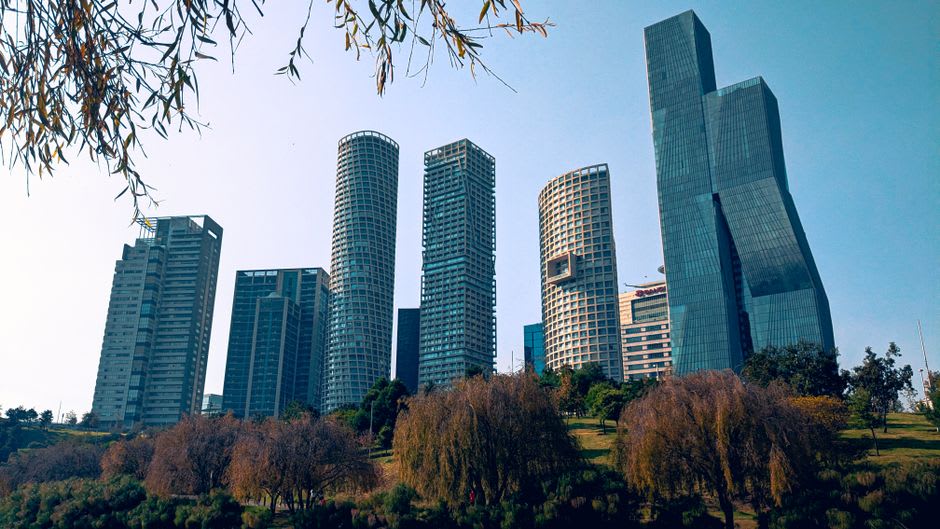
There is something almost comforting about this — a forest of twenty-five square kilometers, a four-hundred-year-old monastery, a functioning national park, sitting invisible inside the most populated city in the Americas.
Getting There
From central Mexico City, take metro Line 1 to Observatorio and find a colectivo toward Desierto de los Leones via Constituyentes — ask at the Tacubaya pesero stand. By car it is about thirty minutes from Polanco. The park charges a small entrance fee; the monastery is open Wednesday through Sunday. Go before noon if you want any light through the fog. Bring a layer — or two.