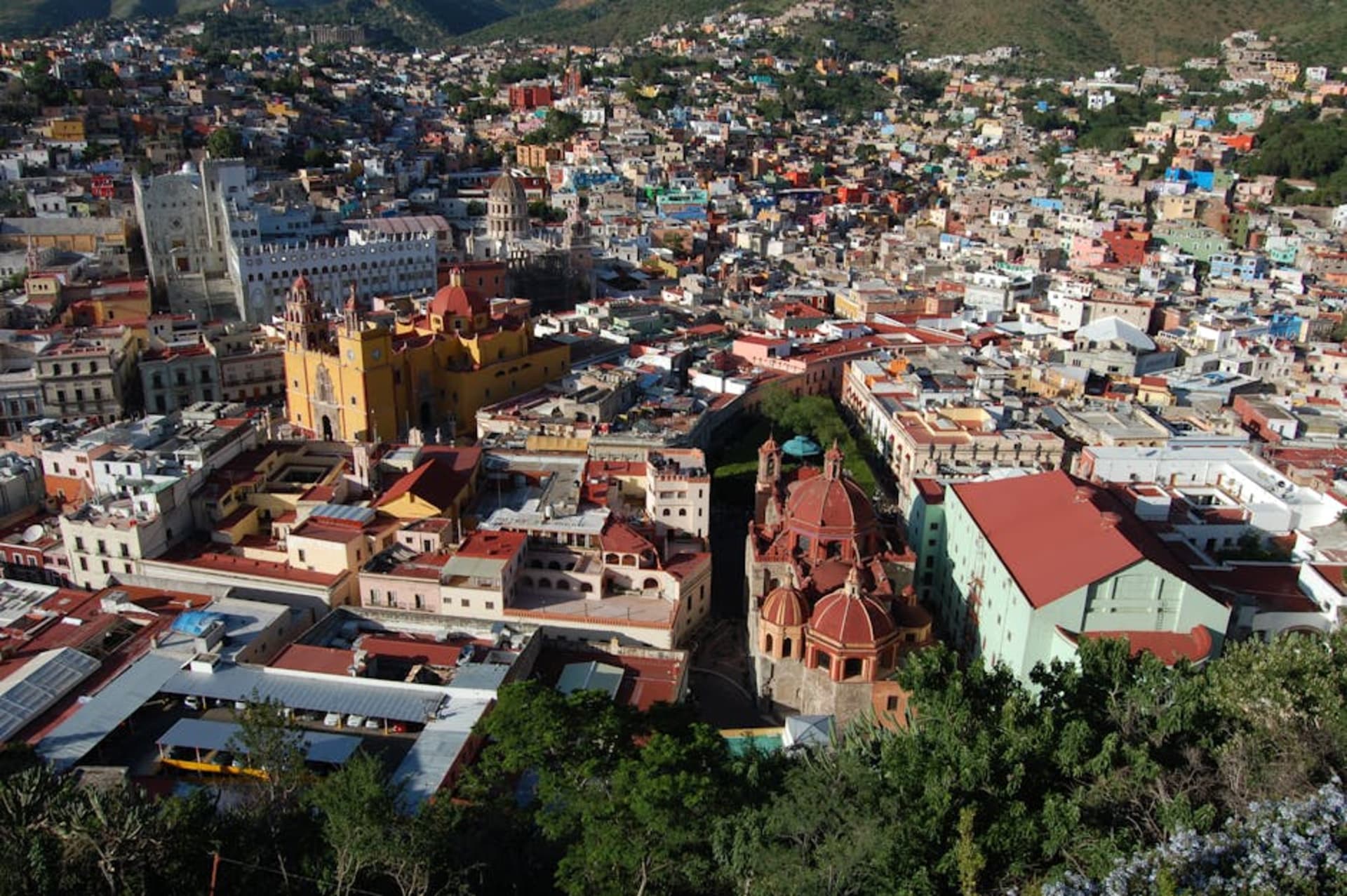
A candy-coloured colonial city built into a ravine, with underground streets, mummy museums, and Mexico's best student-town energy.
Guanajuato is what happens when you build a colonial silver-mining city inside a ravine and then let four centuries of colour and chaos accumulate. The houses climb the hillsides in layers of pink, yellow, ochre, and green. The streets — many of them former riverbeds, now tunnels — wind underground before spitting you out into a plaza you did not expect. The university students fill the callejones at night, singing estudiantinas in medieval costume. The whole city feels like a stage set that someone forgot to strike, and then people moved in.
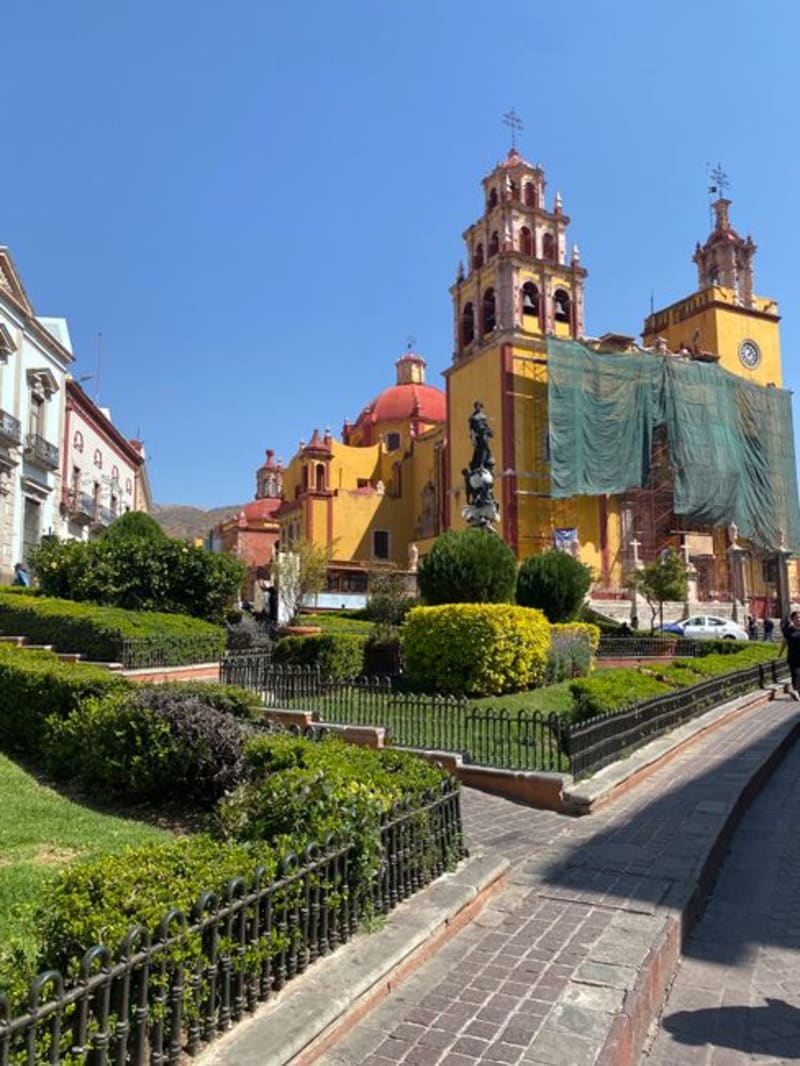
I first visited on a road trip from Mexico City with friends, expecting to stay two nights. We stayed five. Guanajuato has that quality — it is small enough to walk in a morning but deep enough to hold you for a week. The Jardín de la Unión, the central plaza, is one of the most pleasant public spaces in Mexico: shaded by laurel trees, ringed by cafés, with a constant low hum of conversation and music that starts around noon and does not stop until well after midnight.
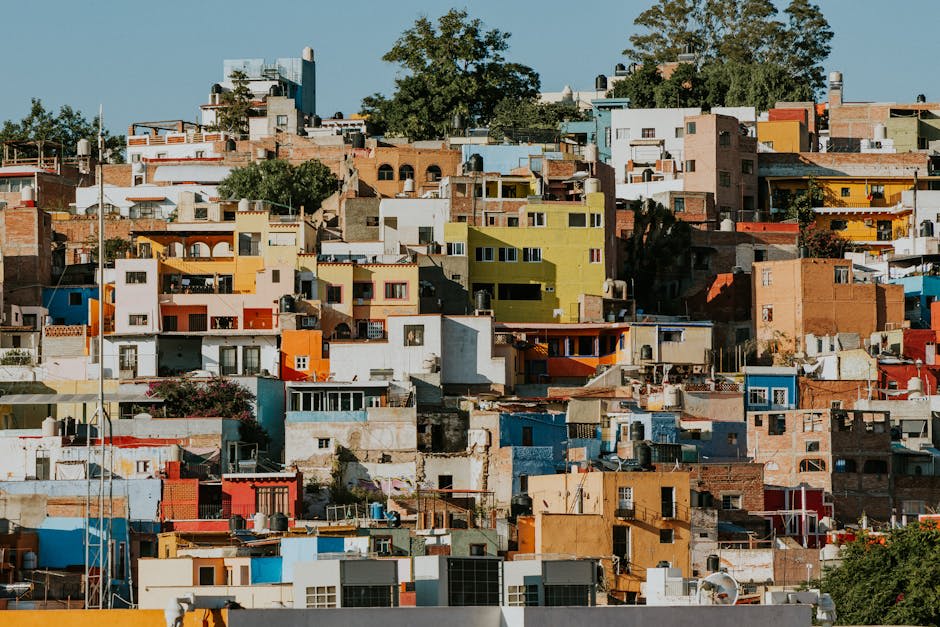
What I Remember
The Callejón del Beso — the Alley of the Kiss — is the most photographed spot in the city, and I will admit the legend is charming: two balconies so close that lovers from feuding families could kiss across the gap. The reality is a narrow alley jammed with tourists. Go at 7am or skip it. The city has better alleys without the crowd.
The Alhóndiga de Granaditas is a grain warehouse that became the site of one of the defining battles of Mexican independence. The murals inside, by José Chávez Morado, are extraordinary. The museum is one of the best regional history museums in the country. Most visitors skip it for the mummy museum — their loss.
The Museo de las Momias is exactly what it sounds like: naturally mummified bodies exhumed from the local cemetery, displayed in glass cases. It is macabre, fascinating, and very Mexican in its relationship with death. Not for everyone. I found it compelling.
The Pipila monument above the city gives you the view — the full colour palette of the city laid out below, the Basílica in the centre, the mountains behind. Walk up at sunset. The light is exceptional.
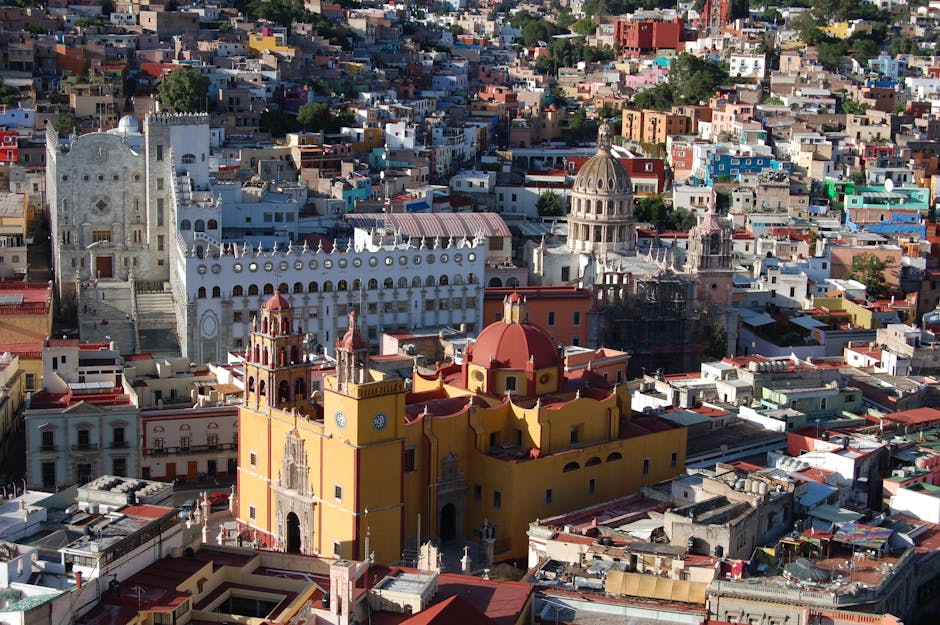
Eating and Drinking
The street food here is Central Mexican highland cooking at its best. Enchiladas mineras — tortillas dipped in guajillo sauce, filled with cheese, topped with potatoes and carrots — are the local specialty. Find them at the Mercado Hidalgo, a Porfirian iron-and-glass market hall that is one of the most beautiful market buildings in the country.
The café scene is strong, driven by the university crowd. Café Tal on the Jardín is my usual spot — good espresso, a terrace, and the kind of people-watching that makes you feel like you are in a novel. The mezcal bars along the callejones are small, dimly lit, and serious about their spirits.
The Festival Internacional Cervantino, held every October, transforms the city into a performing-arts festival that draws theatre, dance, and music from across the Spanish-speaking world. If your dates align, go. The city at festival time is electric.
When to go: October to April. The Cervantino in October is the highlight. Summers are rainy but the city is quieter and cheaper. The altitude (2,000 metres) keeps temperatures moderate year-round — bring a jacket for evenings.
Explore
Places in Guanajuato
 mexico
 Abasolo
Abasolo is a small colonial town in the Bajío region of Guanajuato whose entire identity revolves around the Gran Baño, an enormous thermal mineral pool that has been drawing families from across central Mexico for generations. Come on a Sunday and you will understand immediately why this town needs no other justification.
Explore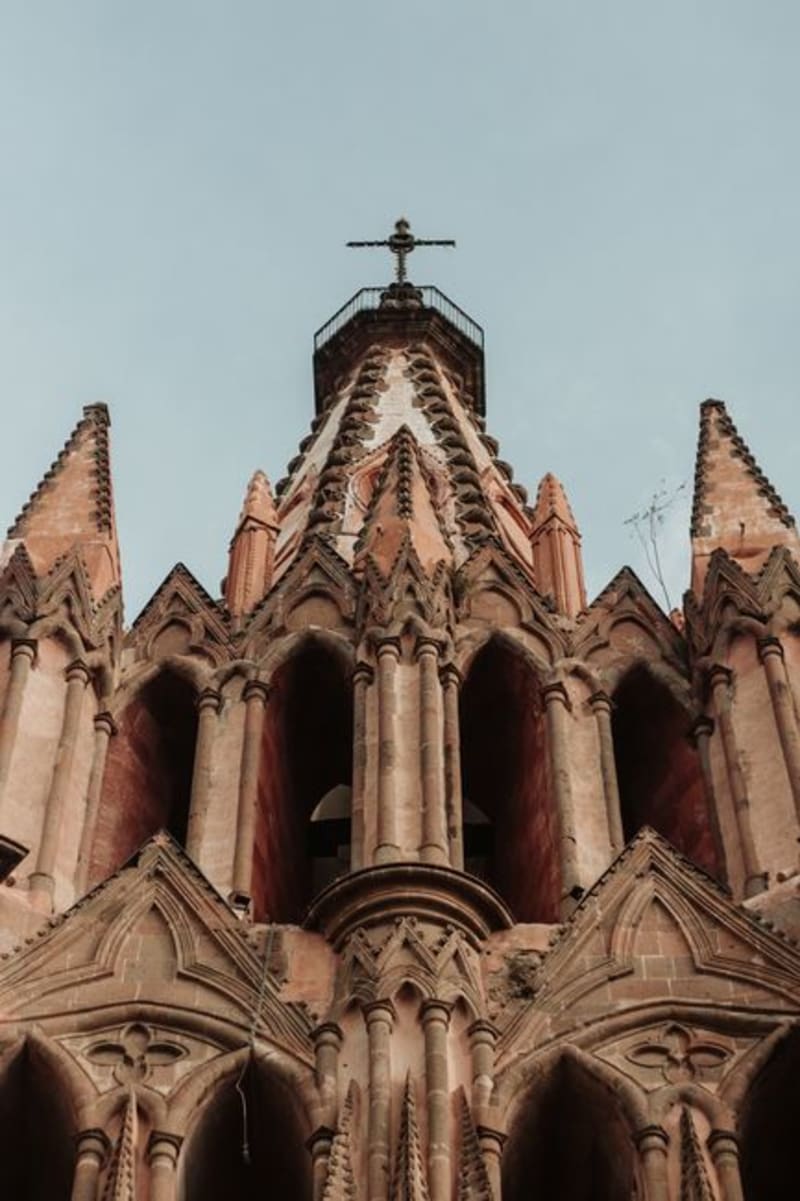 mexico
 Acámbaro
Acámbaro is a quiet Bajío town on the Lerma River with a colonial center that rewards slow walking and a Franciscan convent that has been a fixed point in people's lives for five centuries. It is also home to the Julsrud Collection — more than 33,000 clay figurines of such strangeness and contested origin that no visitor leaves entirely certain what they have just seen.
Explore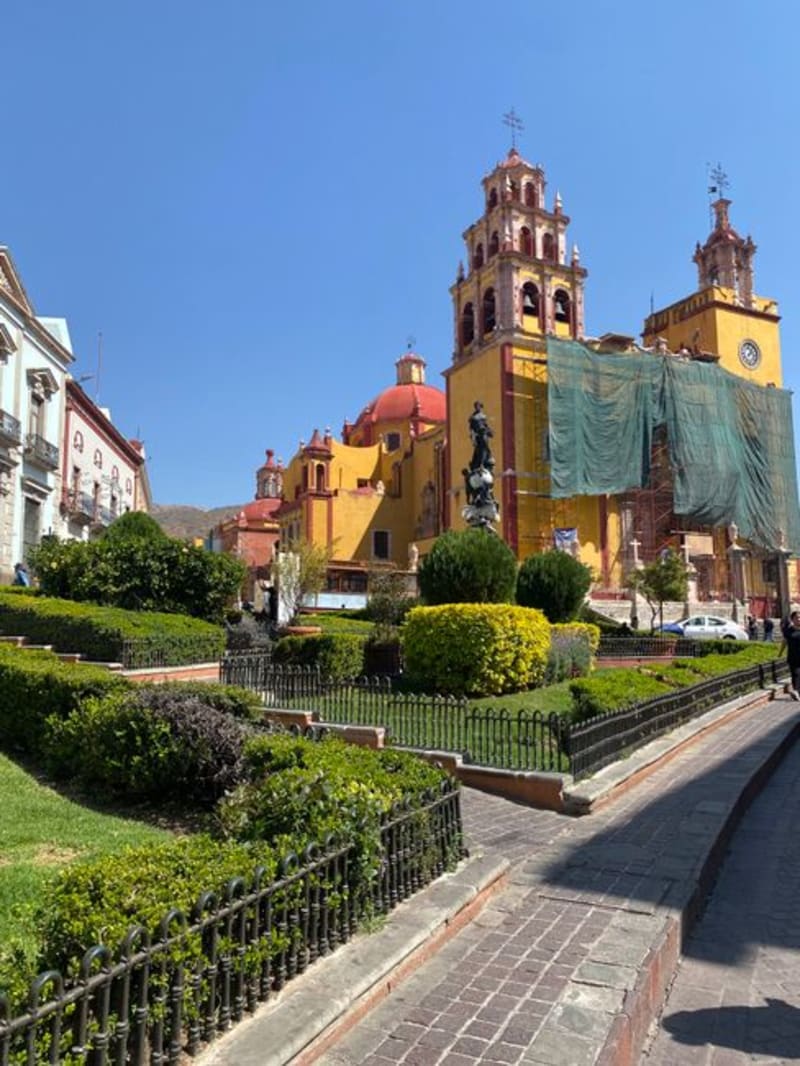 mexico
 Apaseo el Alto
A Bajío town in southeastern Guanajuato where the roads are lined with workshops turning out carved wooden furniture and crafts, the smell of sawdust and lacquer hanging over whole streets. Fertile farmland surrounds a colonial center, and the calendar is stitched together with festivals. Industrious, warm, and proud of what its hands can make.
Explore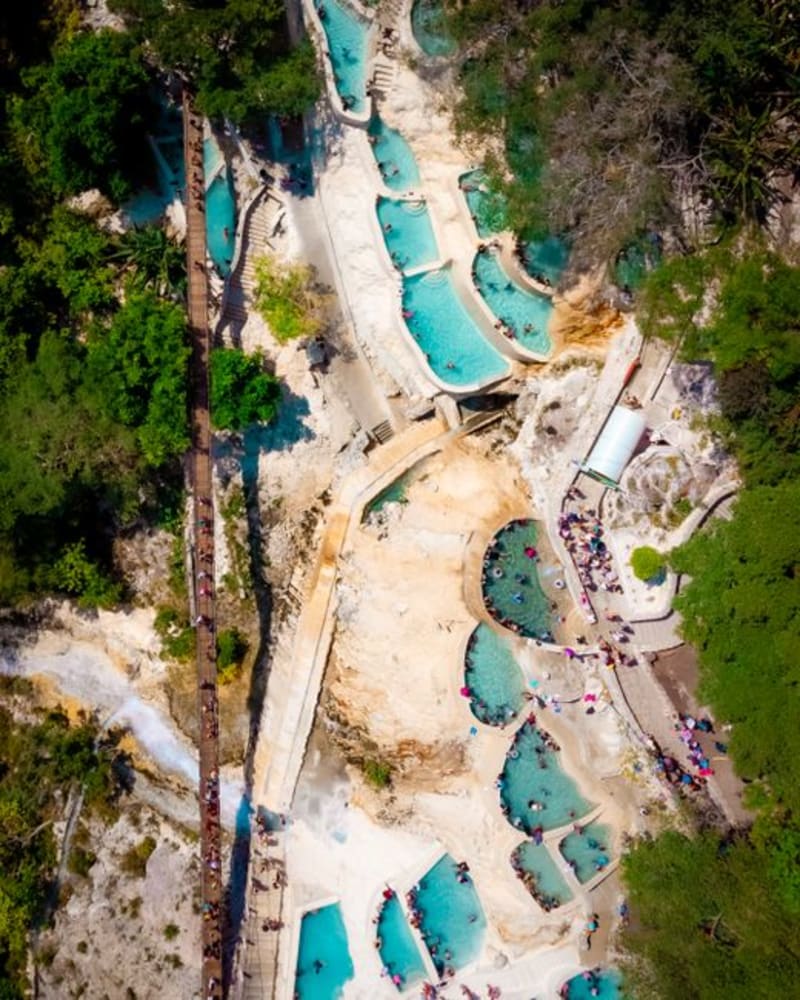 mexico
 Atarjea
Atarjea sits at the bottom of a canyon where Guanajuato's sierra breaks toward Querétaro, reached by a road that descends through three climate zones in under an hour. It was Chichimec territory — among the last communities in the Bajío to resist Spanish settlement — and the town still carries the quiet weight of somewhere that arrived at its own terms.
Explore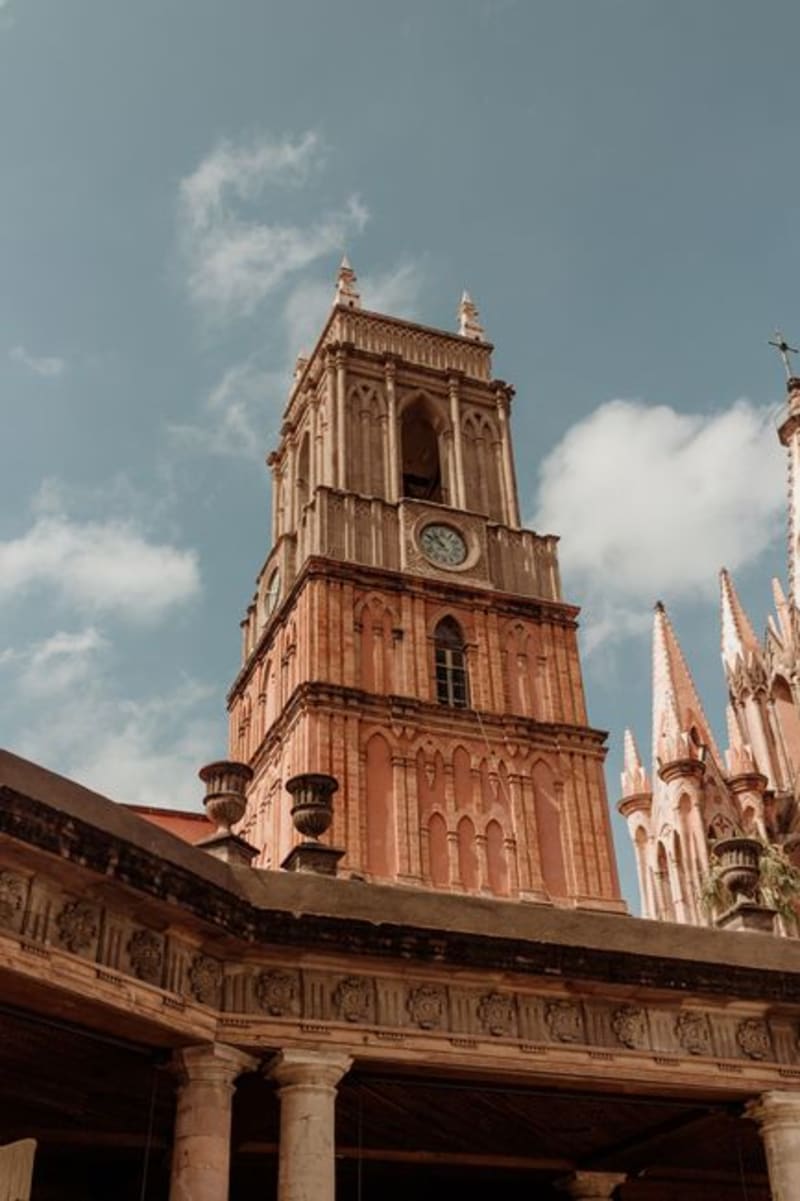 mexico
 Celaya
Celaya is Guanajuato's most overlooked city — and one of its most rewarding. The neoclassical dome of the Templo del Carmen, the baroque extravagance of San Francisco, and the family workshops slow-cooking Mexico's finest cajeta in copper pots give this place a quiet depth that most travelers miss entirely.
Explore mexico
 Comonfort
Comonfort is a colonial town on the Laja River between San Miguel de Allende and Celaya, known locally for its ceramics and known to very few people outside the region for the Cañada de la Virgen — a pre-Columbian pyramid complex on the edge of a river canyon 25km from town that was only opened to visitors in 2011. On a clear morning with the light coming low across the canyon, the site felt like a real discovery rather than an attraction.
Explore mexico
 Dolores Hidalgo
The town where Miguel Hidalgo rang the church bell on September 16, 1810, and set off a revolution. Today Dolores is better known for hand-painted talavera and the strangest ice cream menu in the republic — shrimp, mole, tequila, and corn, all sold in the shadow of the Parroquia de Nuestra Señora de los Dolores.
Explore mexico
 Dolores Hidalgo
The town where Mexican independence was declared in 1810 is also, improbably, the country's capital of eccentric ice cream — shrimp, beer, chicharrón — and some of the finest Talavera-style ceramics you will find anywhere in Guanajuato. The patriotic drama and the bizarre helado sit side by side on the main plaza, and somehow both feel entirely Mexican.
Explore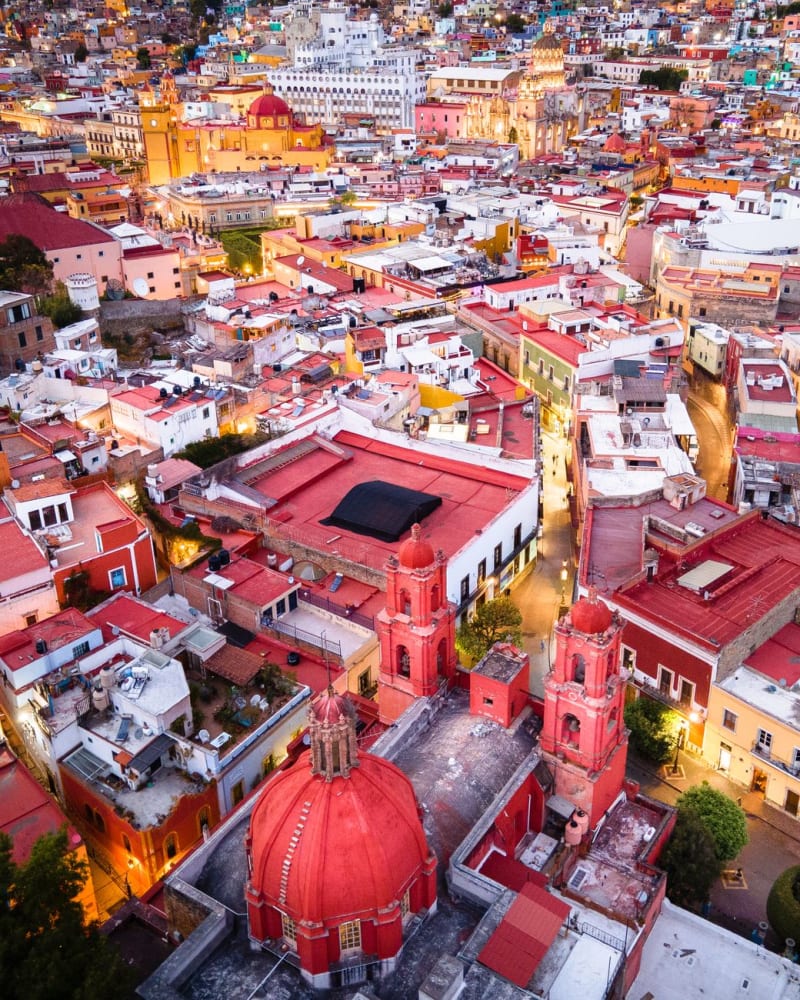 mexico
 Guanajuato City
A UNESCO World Heritage city folded into a ravine, where subterranean callejones, facades painted in twenty shades of ochre and turquoise, and the annual Festival Internacional Cervantino make it one of the most theatrically beautiful cities in the Americas. The silver mines that built colonial Spain still run beneath its streets.
Explore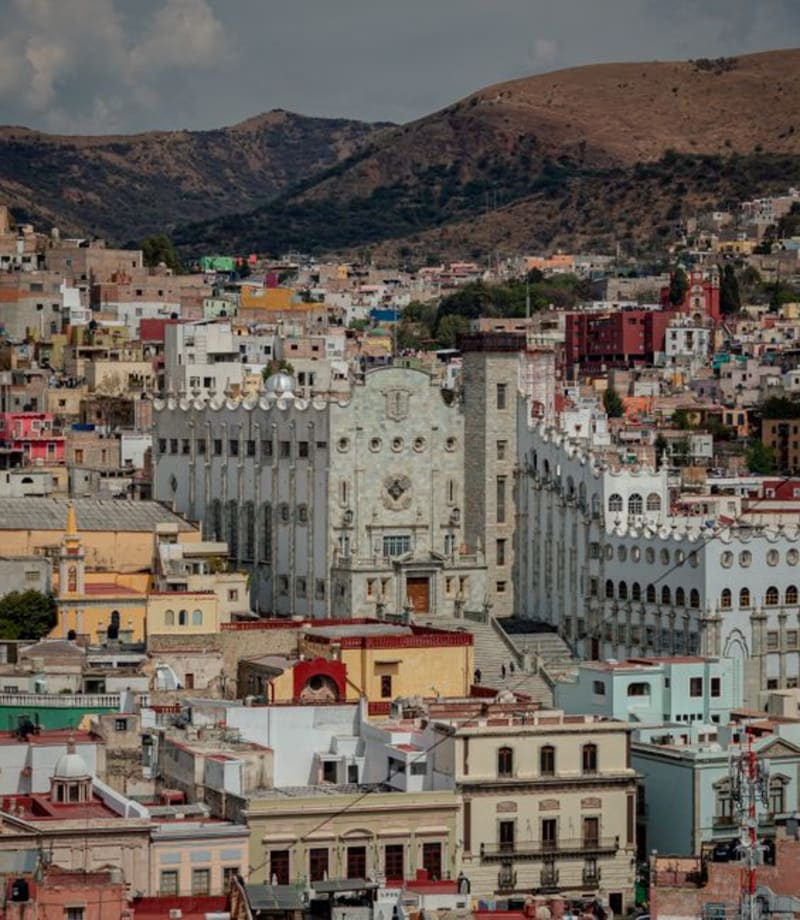 mexico
 Irapuato
Irapuato is the strawberry capital of Mexico with only slight exaggeration — the fields around the city are extraordinary in spring, the mercado sells fresas con crema in quantities that should be regulated, and the graceful ex-convento and shaded central plaza reward anyone willing to stay past the first bowl.
Explore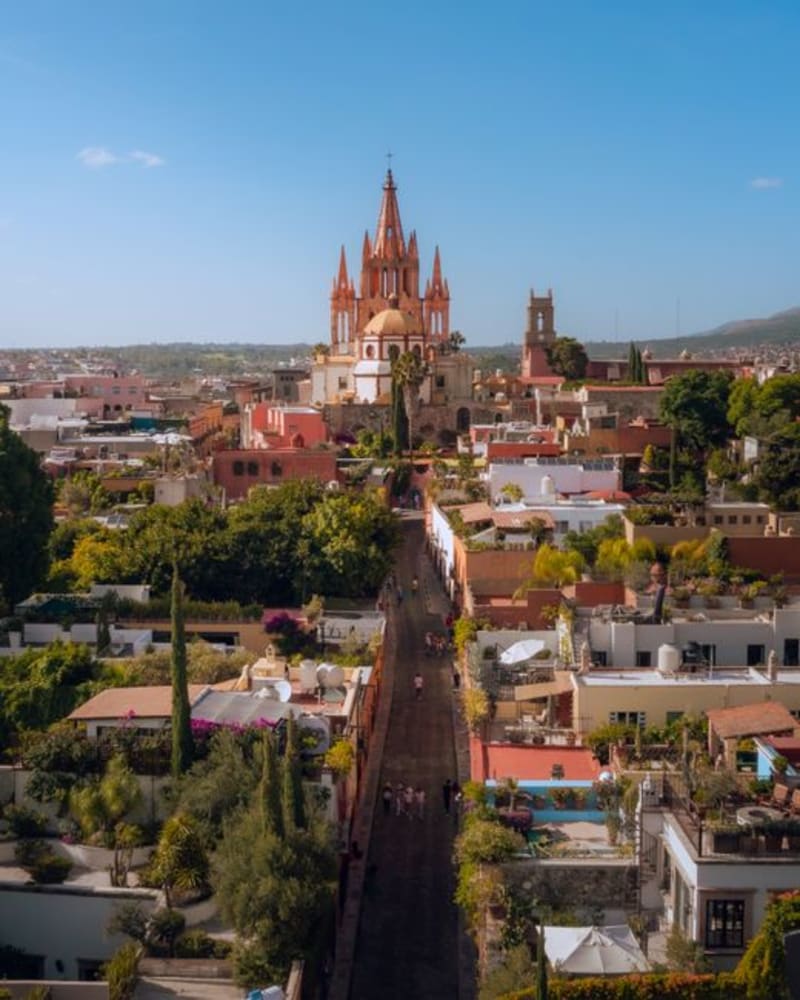 mexico
 Jerécuaro
A rural town in the far southeastern corner of Guanajuato, out near the Michoacán border, where farmland rolls into low green hills and a reservoir catches the sky. Purépecha and Otomí roots, working ranchos, a quiet plaza — the unpolished Bajío as it actually lives.
Explore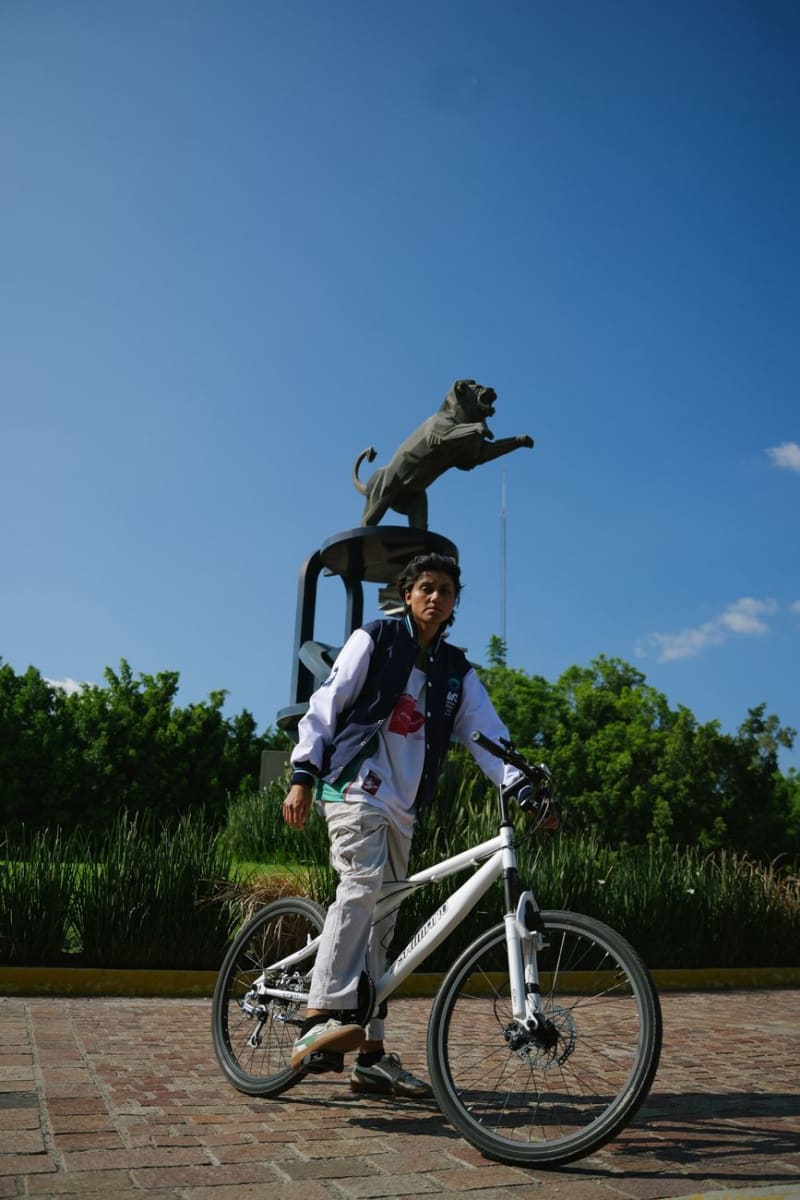 mexico
 León
León is Mexico's leather capital and one of its most honestly overlooked industrial cities, where an 18th-century centro holds genuine grandeur alongside workshops that will build you a pair of boots by sundown. It rewards the traveler who skips it on the way to Guanajuato city and stops here instead.
Explore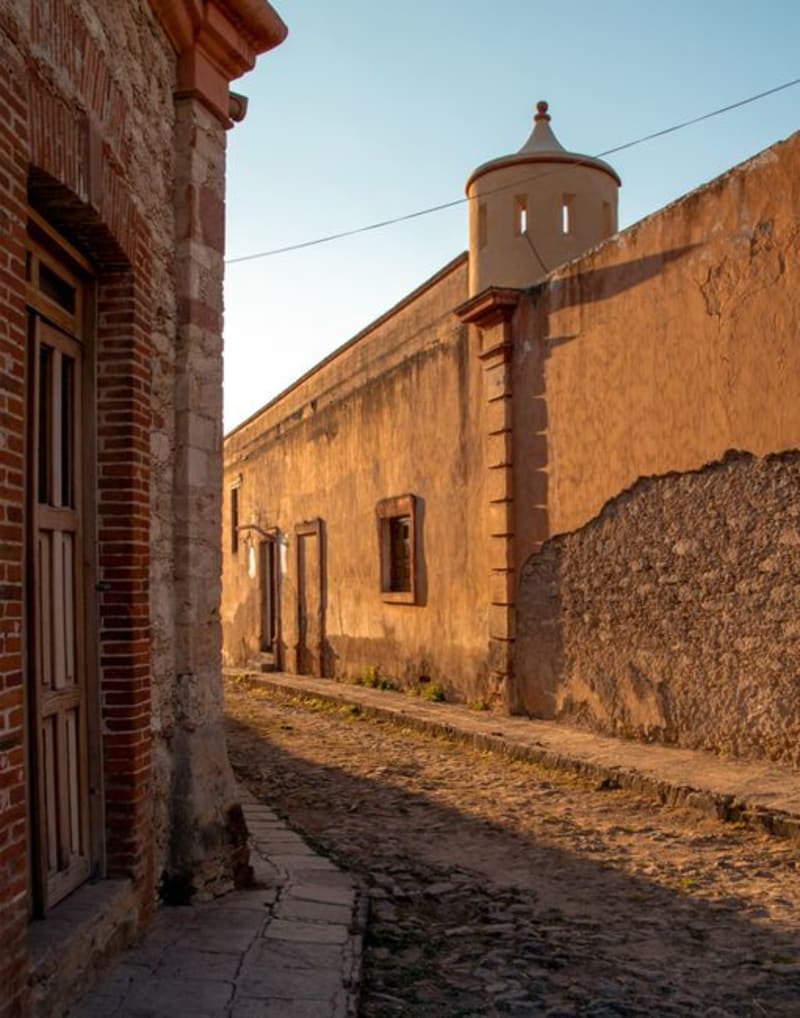 mexico
 Mineral de Pozos
A ghost town turned artist colony in the high desert of Guanajuato, where the crumbling ruins of 19th-century silver and copper mines share the landscape with galleries, mezcal bars, and painters who came for the light and quietly never left.
Explore mexico
 Pénjamo
Pénjamo is a small Bajío city on the Lerma River that most people drive through on the way to somewhere else, which is their loss. It was born here — Guadalupe Victoria, Mexico's first president, who fought alongside Hidalgo and then outlasted every rival to take office in 1824. The surrounding countryside is thick with eighteenth-century haciendas and agave fields at the edge of the tequila zone. I visited the birthplace museum and bought a bottle of local mezcal on the way out.
Explore mexico
 Pénjamo
A small agricultural town on the Guanajuato-Jalisco border, Pénjamo is the birthplace of Agustín de Iturbide and a place where carnitas, birria, and local aguardiente define the table. Unpretentious and easy to underestimate, it rewards the traveler willing to stay past the plaza.
Explore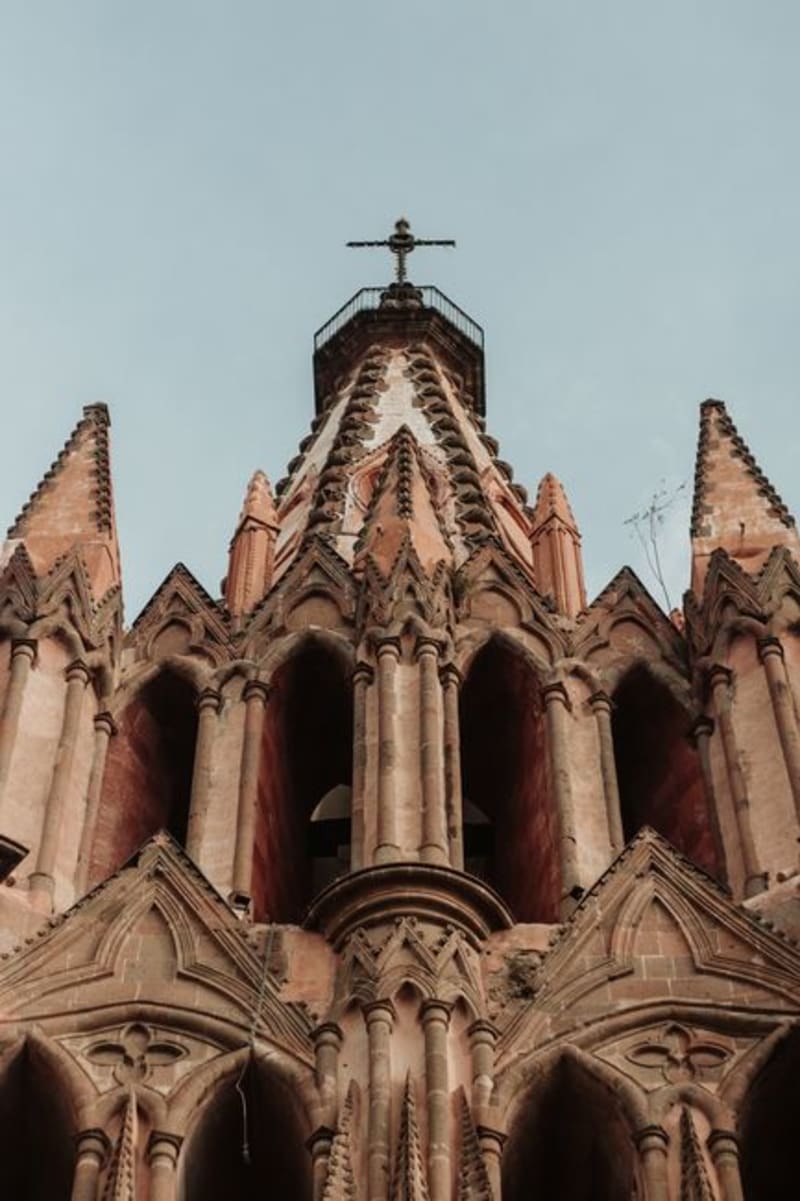 mexico
 Purísima del Rincón
A small Pueblo Mágico in Guanajuato's Los Altos corridor, Purísima del Rincón organizes its life around a handsome colonial church and a plaza that local people actually use. The town is known for leather workshops, Sunday menudo, and a December calendar that runs on its own logic entirely.
Explore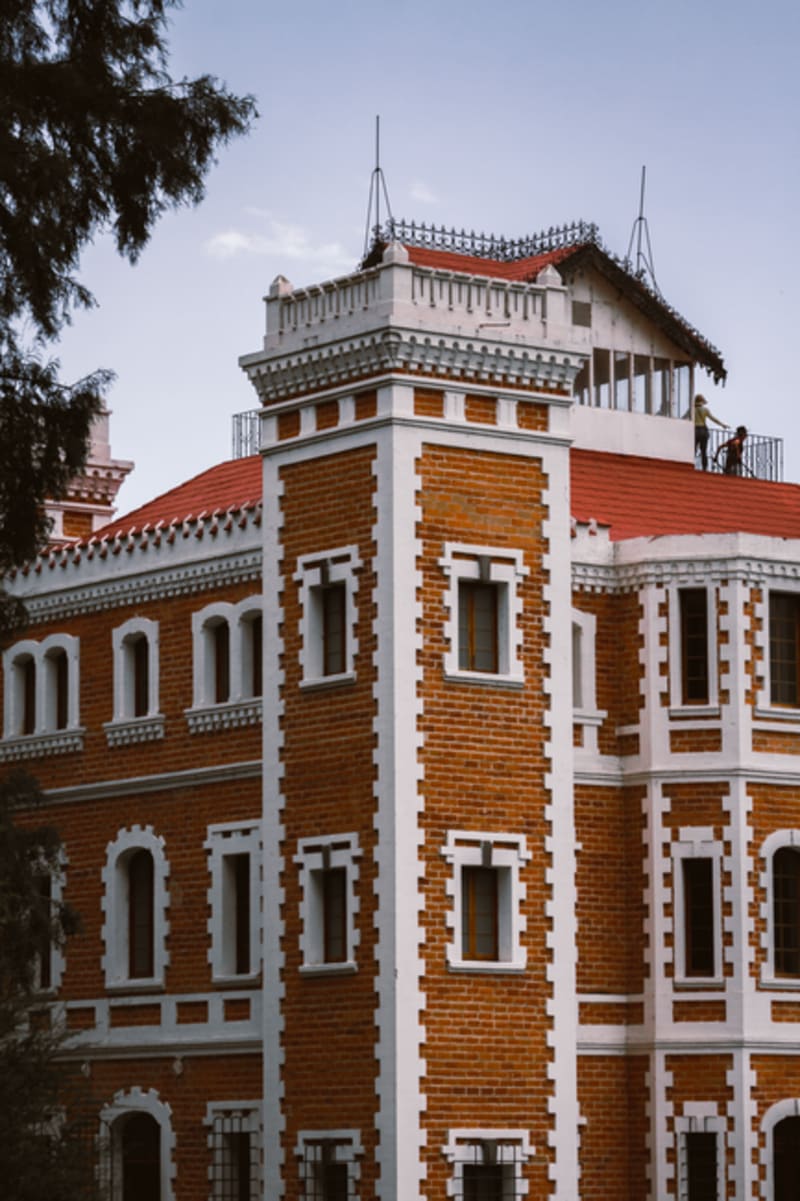 mexico
 Salamanca
Salamanca arrives with Pemex smokestacks on the horizon and leaves you with the memory of a baroque church so elaborate it seems impossible nobody warned you about it. The industrial city Guanajuato built around its oil wealth turns out to have a colonial center of rare quality — ex-haciendas, a grand plaza, and a Churrigueresque facade that stops you mid-step.
Explore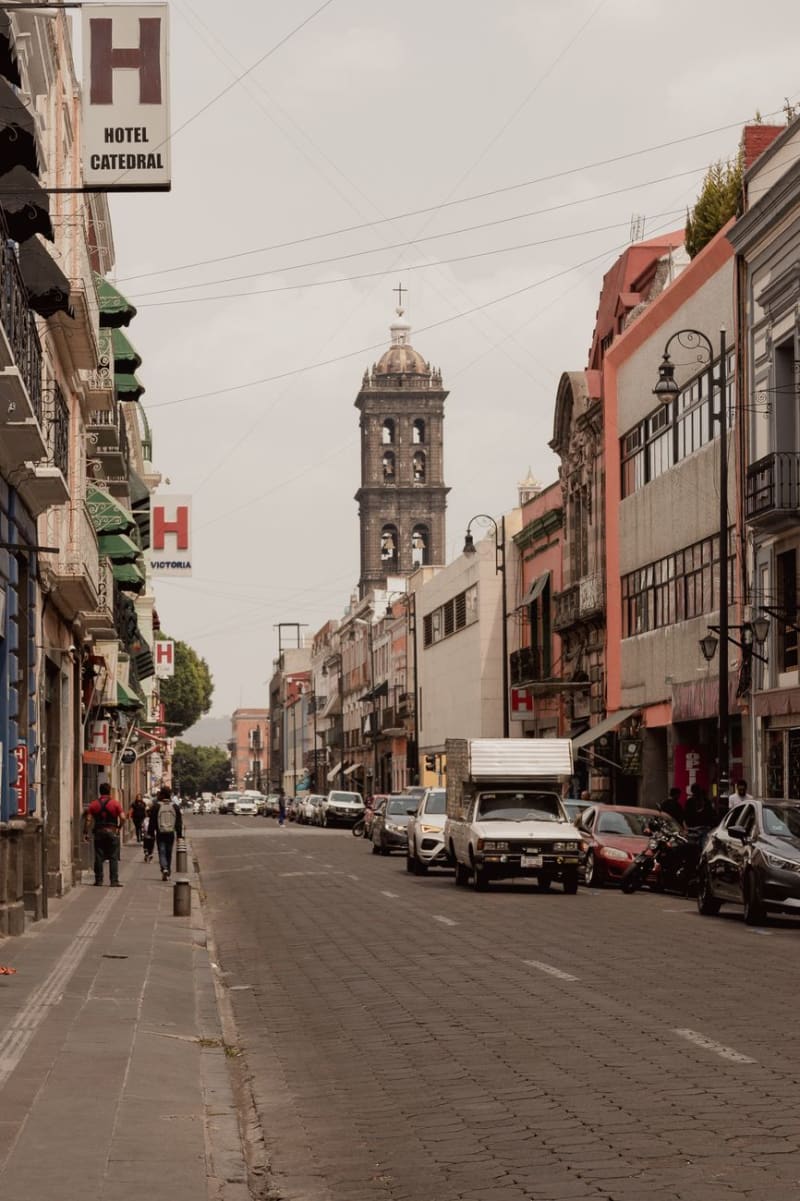 mexico
 Salvatierra
Salvatierra is a colonial town on the Laja River in southern Guanajuato, bypassed by the tourist circuit that runs between San Miguel and Guanajuato City, and better for it. A 17th-century baroque aqueduct with 43 intact stone arches runs along the edge of the centro, the Augustinian convent has faded frescoes better than most in towns with a proper tourist infrastructure, and the river in the evening reflects all of it in a way that deserves more witnesses than it currently gets. I was the only non-local I saw in four hours.
Explore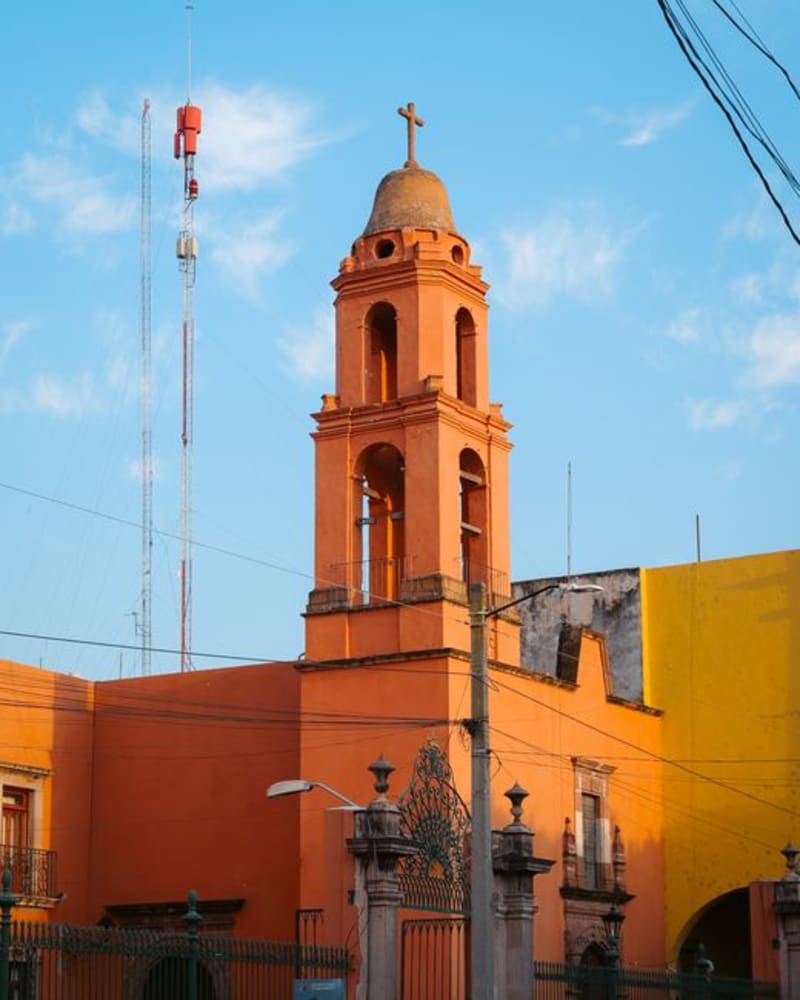 mexico
 Salvatierra
A colonial town on the Lerma River that most travelers drive past without slowing down, Salvatierra holds four convents, a remarkably intact historic center, and a Sunday market where Purépecha vendors cross from Michoacán with produce you will not find anywhere else in the Bajío. The local obsession is cajeta — goat's-milk caramel cooked in copper vats — and the town has enough of it to last you the rest of the year.
Explore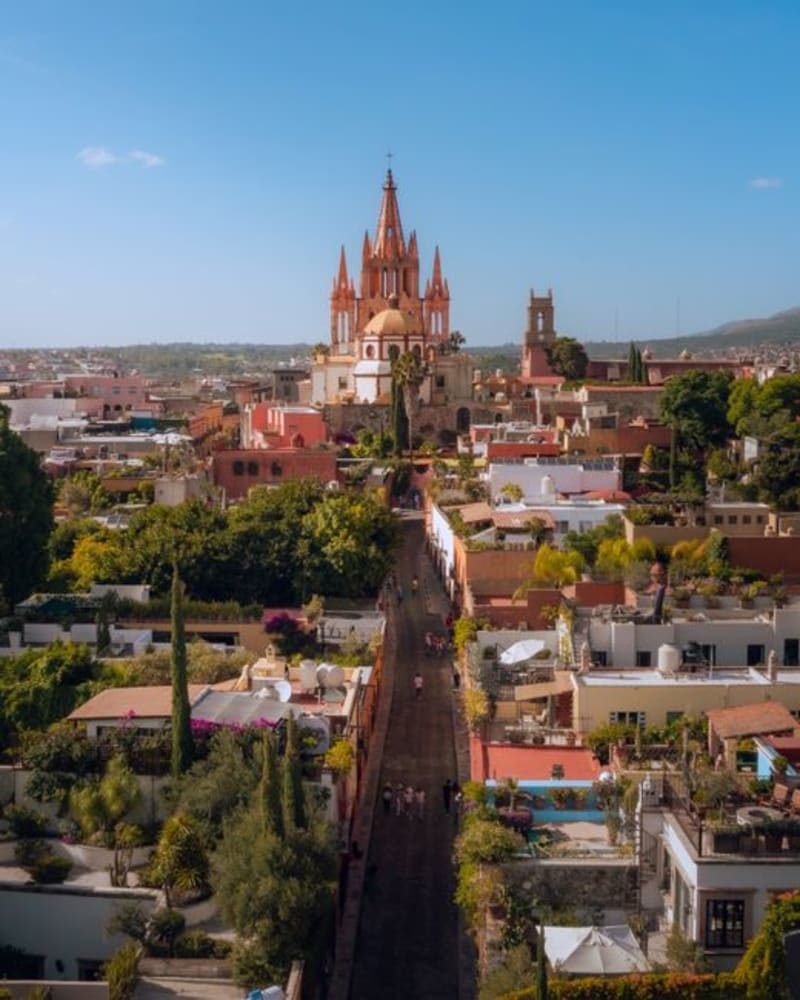 mexico
 San Francisco del Rincón
San Francisco del Rincón is the shoe and leather capital of Mexico — a fact that sounds industrial until you walk through the workshops and realize the artisans here supply markets from Guadalajara to Mexico City. The colonial center is anchored by a proud Parroquia, and the Altos Catholic gravity touches everything from the food to how strangers greet you on the street.
Explore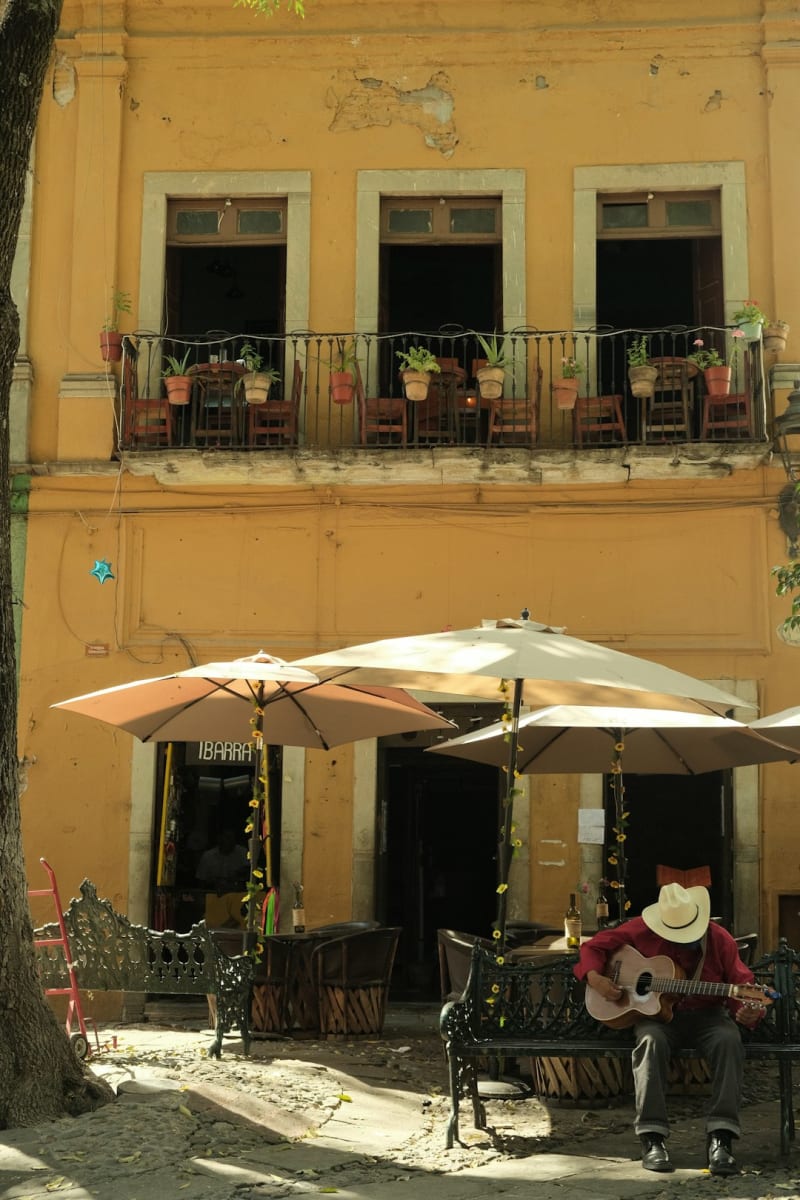 mexico
 San Luis de la Paz
At the northeastern edge of Guanajuato where the Bajío hills roughen into the Sierra Gorda, San Luis de la Paz carries its Pueblo Mágico distinction quietly — colonial arcades, a handsome plaza, and a Sunday tianguis where Chichimec Jonaz artisans still lay out their embroidered work alongside dried chiles and Sierra Gorda produce. The town was founded specifically as a peace settlement after decades of failed military campaigns against the Chichimec confederacy, a history the locals have not forgotten.
Explore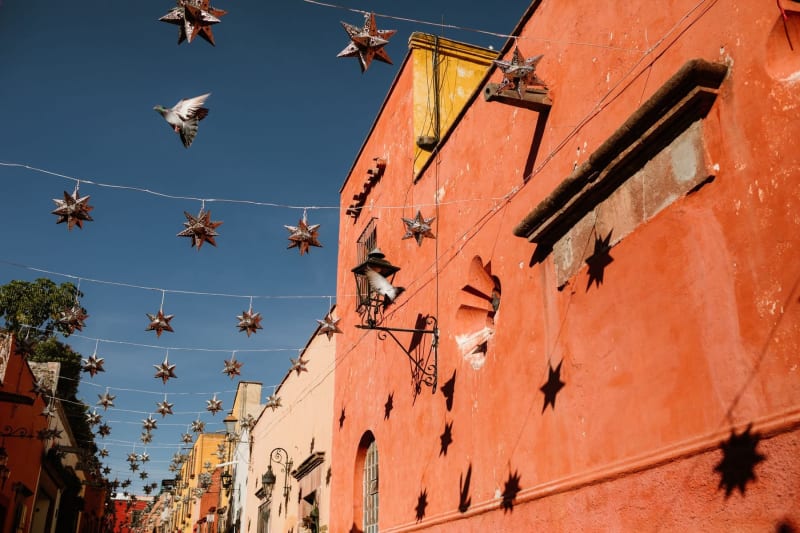 mexico
 San Miguel de Allende
A hilltop colonial gem where pink parroquia bells ring over cobblestones and artists have gathered for decades.
Explore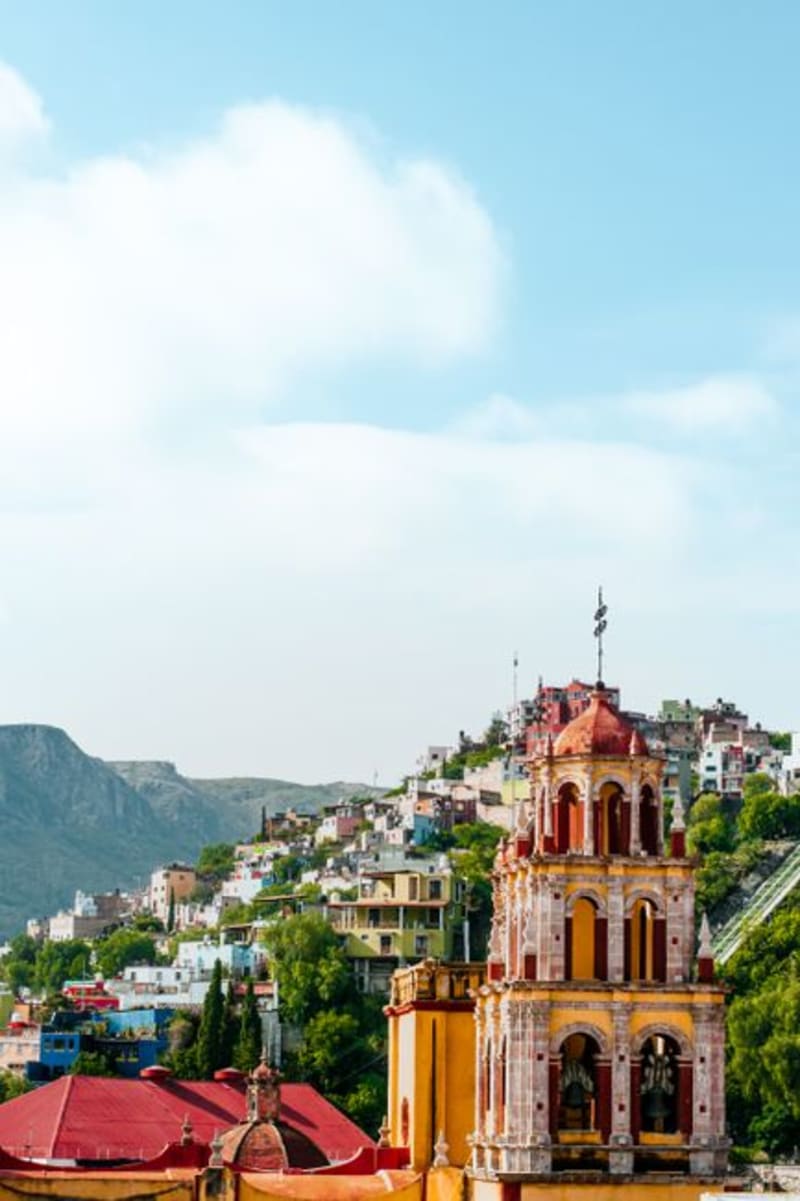 mexico
 Santa Catarina
A tiny, quiet town in the dry sierra of northeastern Guanajuato — semi-desert hills, a small plaza, an old church, and ranching that goes on the way it always has. One of the least-visited corners of the state, and all the better for it.
Explore mexico
 Tarimoro
A quiet farming town in southeastern Guanajuato, set in the Lerma river country where agave rows and cornfields roll up against low hills. There is a modest plaza, a parish church, and the unhurried rhythm of Bajío ranch life going about its business, entirely uninterested in whether you came to watch.
Explore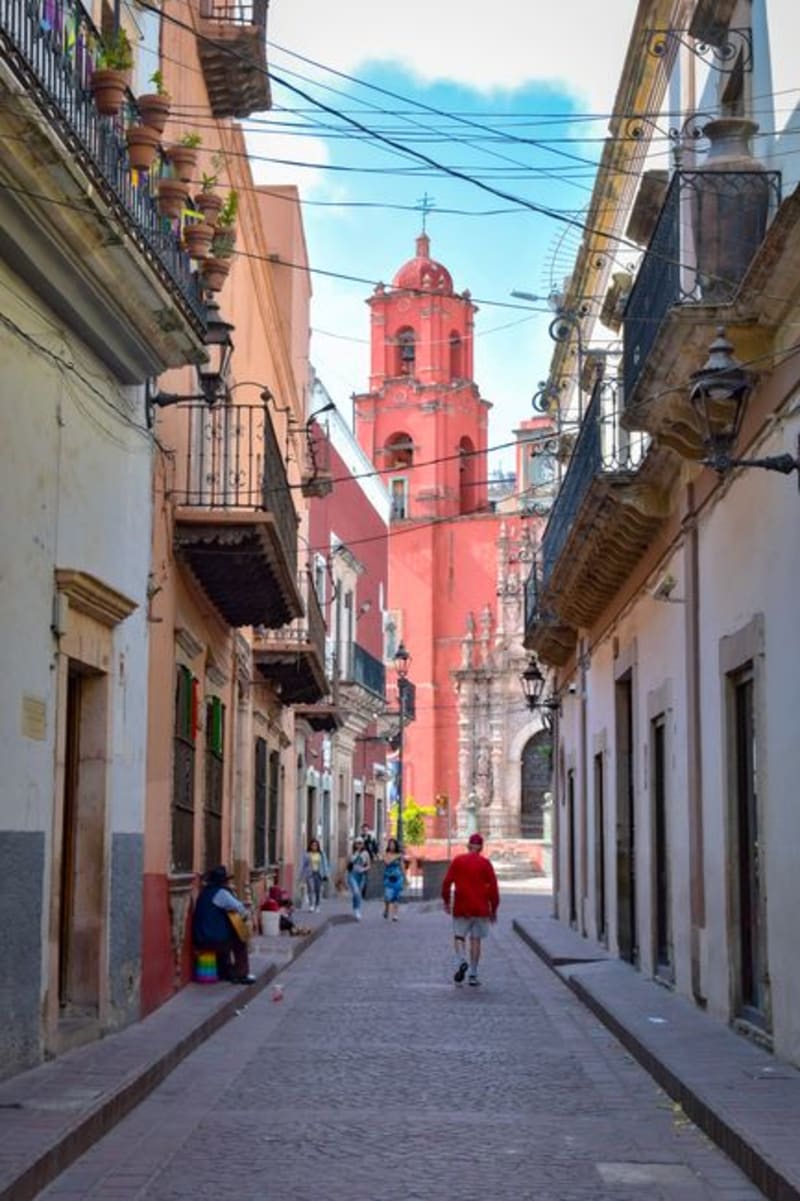 mexico
 Tierra Blanca
A semi-arid municipality tucked into the northeastern corner of Guanajuato, where the state begins to climb toward the Sierra Gorda. Cactus and mesquite hills, cattle country, and a sky so wide and dry it makes you talk less. This is Guanajuato with its work boots on.
Explore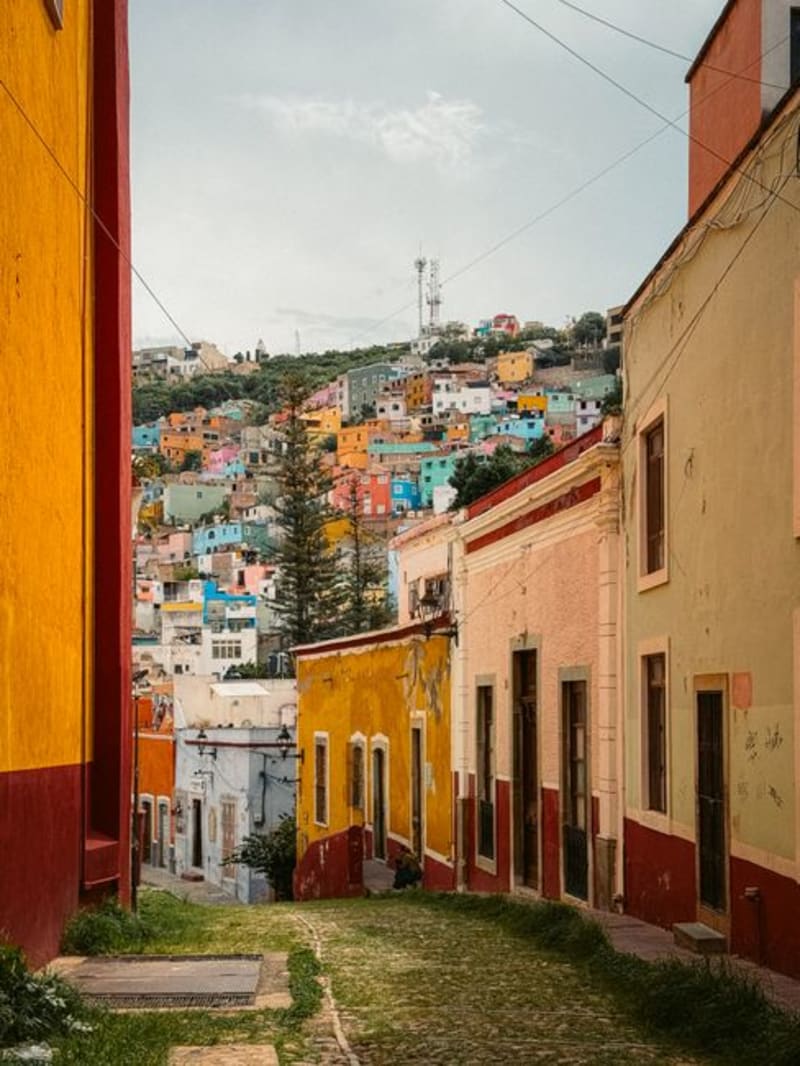 mexico
 Uriangato
A hillside town in southern Guanajuato, twin to neighboring Moroleón, famous across Mexico for its textiles and knitwear. Its streets are a wall-to-wall clothing market that pulls buyers from every state, busy and colorful and relentlessly practical. Down toward the Lake Cuitzeo country, this is a town that dresses the nation and knows it.
Explore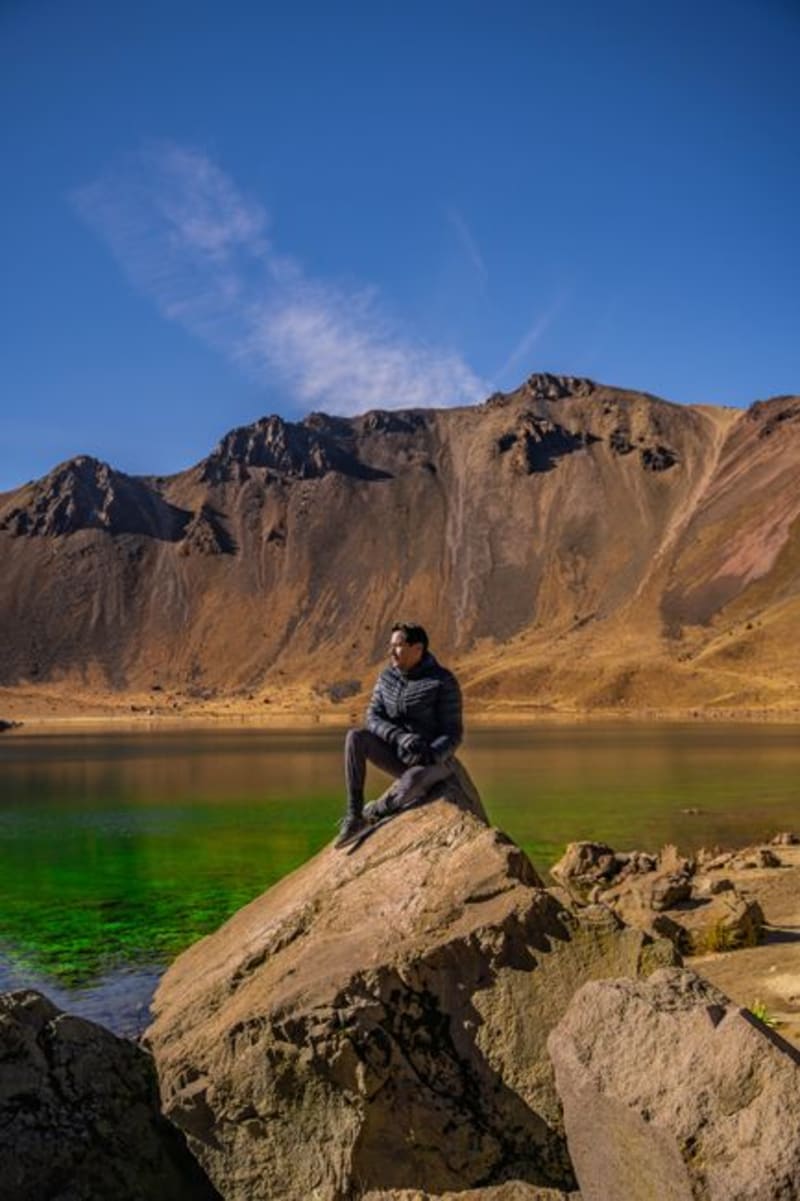 mexico
 Valle de Santiago
Seven volcanic craters dot the farmland south of the Bajío, each holding a lake tinted turquoise, emerald, or rust-red by minerals and shifting light. The Siete Luminarias are one of the quieter geological oddities in Mexico — an hour from Celaya, almost entirely off the international circuit. The town itself is a working agricultural center that has not yet learned to perform for visitors.
Explore mexico
 Victoria
A remote mountain municipality lost in the Sierra Gorda of northeastern Guanajuato, where deep canyons drop away from oak-and-pine ridges and a green river runs through the barrancas. Far from anywhere, and proud of it. The Guanajuato almost nobody visits.
Explore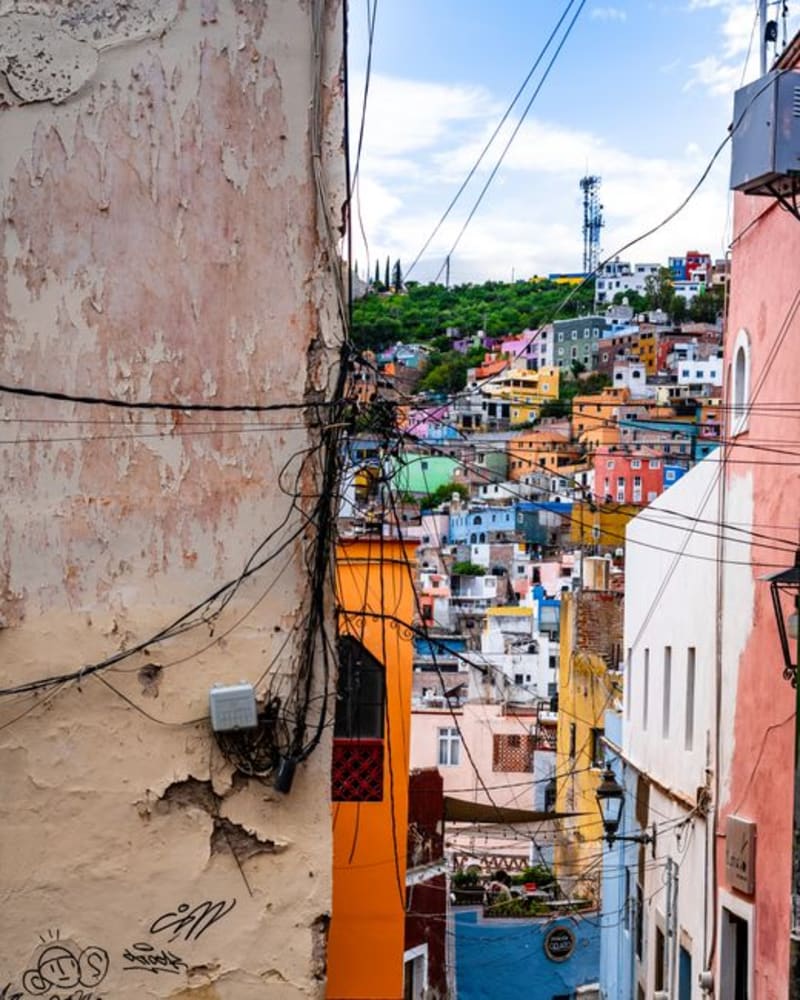 mexico
 Xichú
Xichú sits at the end of a long canyon descent in Guanajuato's Sierra Gorda, far enough from the main circuit that its huapango arribeño tradition has survived nearly intact. Every January, trovadores converge for an overnight verse duel in the central plaza; the rest of the year, the draw is quieter — canyon trails that see almost no traffic, cold-water cascades, and a kitchen built on dried chiles and river fish.
Explore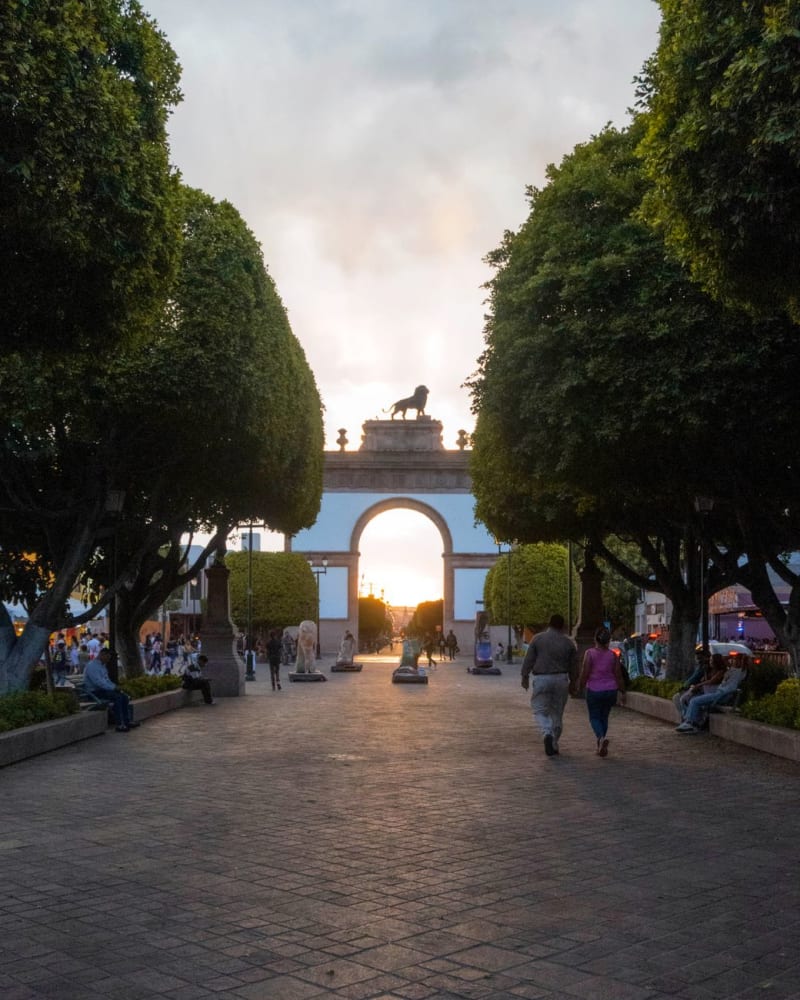 mexico
 Yuriria
A small lakeside town on the shore of the Laguna de Yuriria — the largest natural lake in Guanajuato — dominated by a monumental sixteenth-century Augustinian convent-fortress that makes everything around it look provisional.
Explore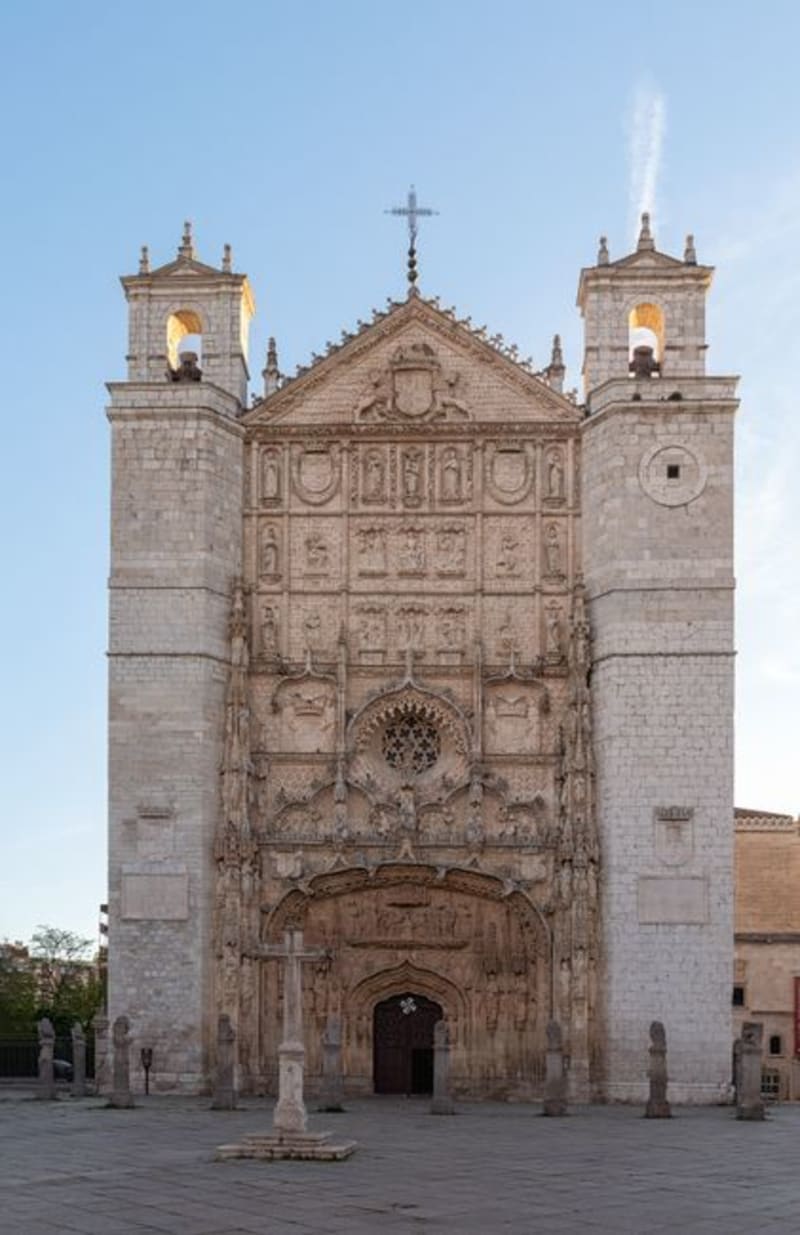 mexico
 Yuriria
Yuriria sits quietly on the edge of an artificial lake the Augustinian friars dug in 1548 — the oldest colonial reservoir in the Americas — and its ex-convent fortress-monastery dominates the plaza with a plateresque façade that was built to project imperial ambition across an entire continent. Almost no tourists come here, which makes every visit feel slightly implausible.
Explore