Tierra Blanca
"Some places sell you a sunset. Tierra Blanca just hands you the sky and lets you figure it out."
I got to Tierra Blanca late in the afternoon, mostly by accident. I had been aiming further north, misjudged the distance the way I always do out here, and pulled into the town when the light was already going amber over the mesquite. A man outside a hardware store was loading fence wire into a pickup. I asked him if there was somewhere to eat and he looked at me for a second, then pointed with his chin toward the plaza and said, “the lady with the gorditas is still open, if you hurry.” I hurried. That’s the whole town in one gesture — no fuss, useful information, get on with it.
There is nothing in Tierra Blanca that a guidebook would tell you to photograph, and that is exactly why I keep coming back to this stretch of Guanajuato. It’s the part of the state that doesn’t audition for you. After four years in Mexico I’ve grown suspicious of places that try too hard, and this dry ranching municipality in the northeast, at the edge of where the land buckles up into the Sierra Gorda, has never tried a day in its life.
The Dry Country
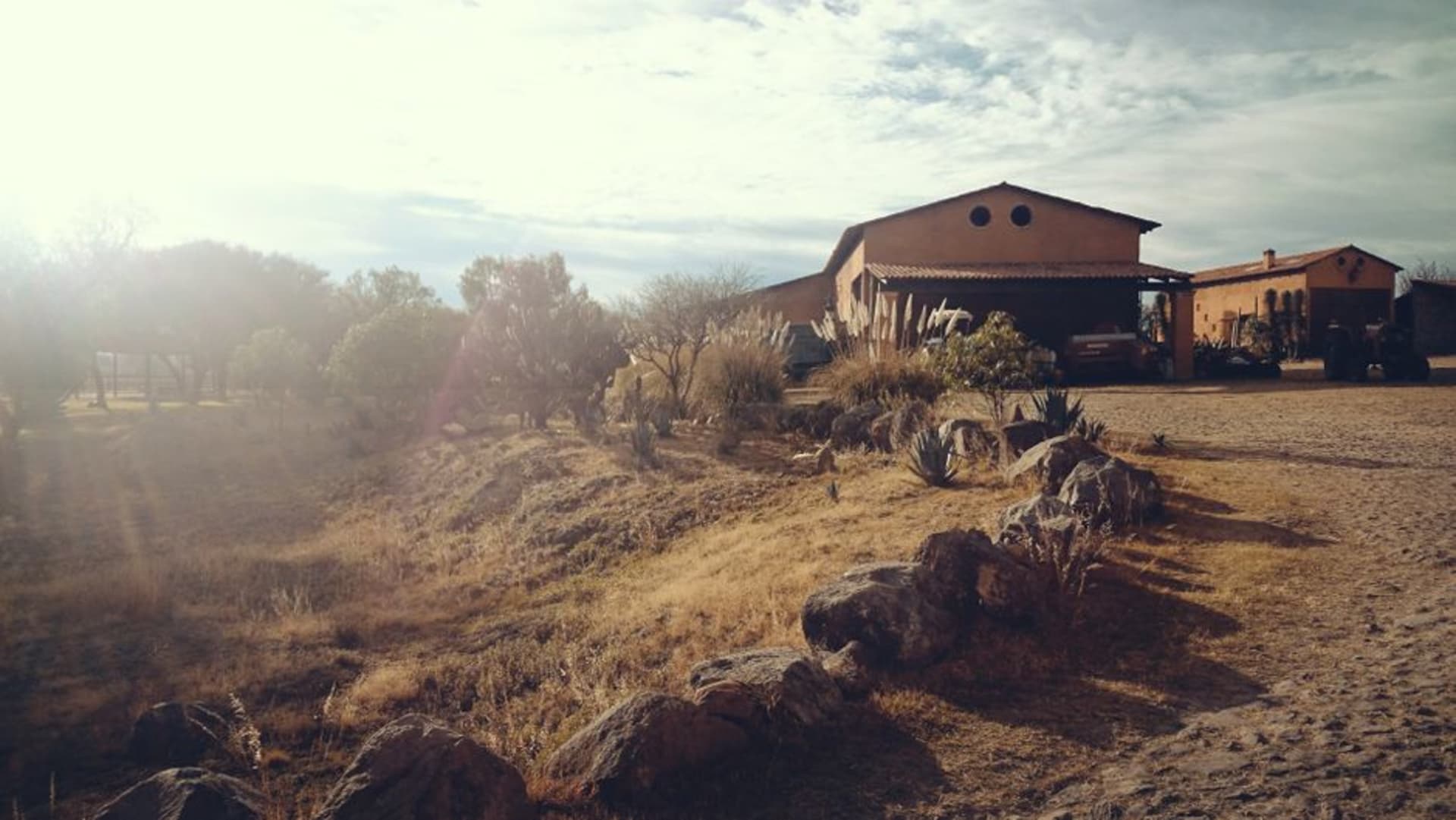
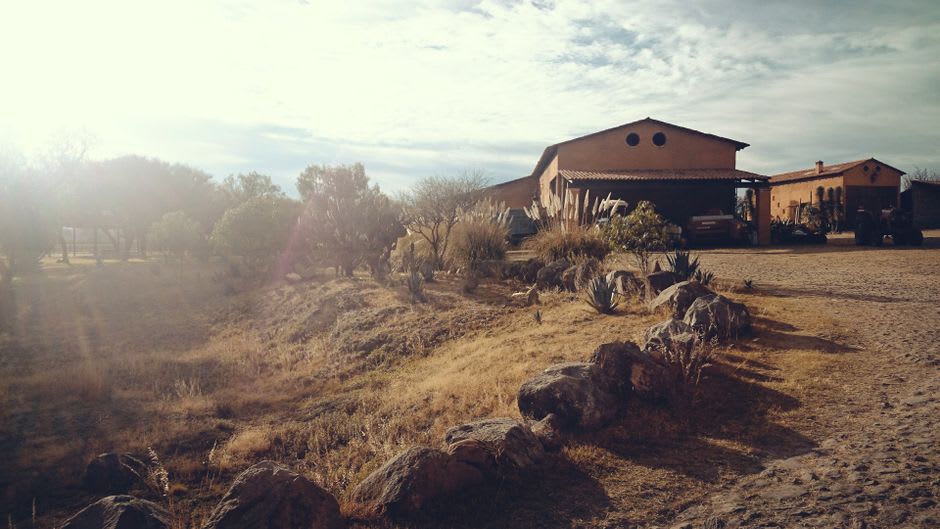
The land around Tierra Blanca is honest about what it is. This is semi-arid Guanajuato — cactus, mesquite, huizache, the low scrubby hills going gold and then grey as you climb toward the sierra. In the rainy months a green fuzz comes over everything for a few weeks and the ranchers exhale; the rest of the year it’s the color of old rope. I walked out past the last houses one morning and the ground was cracked into plates, a nopal the size of a small car sprawled against a barbed-wire fence, and the only sound was wind and, very far off, a dog making a point about something.
What surprised me was how much I liked it. There’s a particular quiet to dry country that green places never manage. Nothing is rushing to grow. The light comes down clean and hard and everything casts a sharp shadow. I sat on a rock for the better part of an hour doing absolutely nothing and felt no guilt about it whatsoever.
Cattle and Cheese
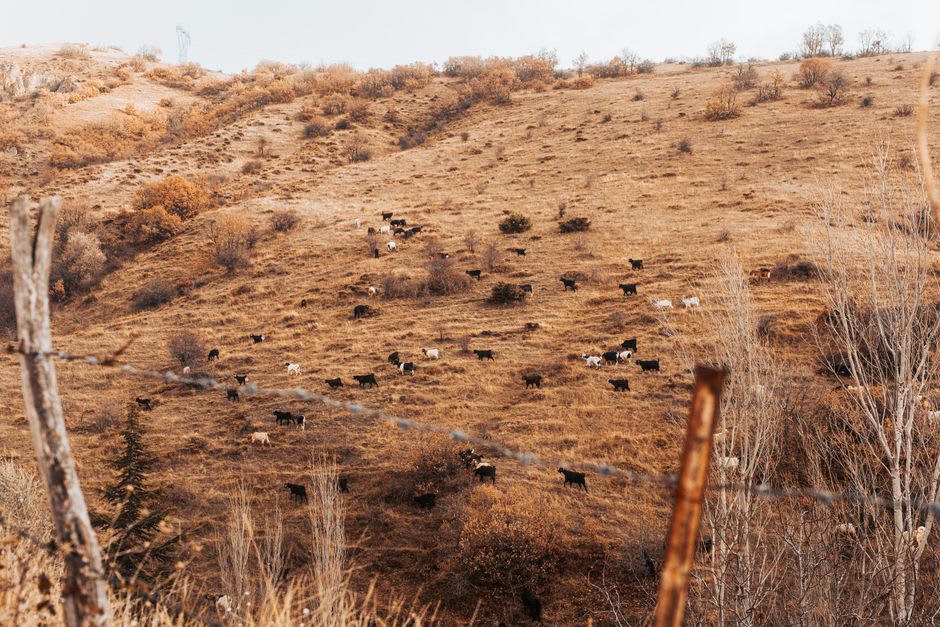
This is cattle and cheese country, and you taste it before anyone tells you. The gorditas the lady sold me that first evening were filled with a crumbly ranch cheese so fresh it squeaked slightly against my teeth, and I ended up buying a whole round of it from her cousin the next morning, wrapped in wax paper, still cool. The cattle graze the poor scrub the way cattle do everywhere in dry Mexico, half-wild, ribs showing, tended by men on horseback who still genuinely use the horse rather than the quad bike.
I spent a morning talking to one of them — Don Efraín, leaning on a corral rail — who told me his family had run cattle on the same land since before the Revolution and that the drought years scared him more than any president ever had. He wasn’t complaining, exactly. He said it the way you’d describe the weather to a stranger. Then he offered me a cigarette and we watched the cattle for a while and said nothing, which felt like the correct response.
The Plaza and the Sky
The town itself is small and unhurried — a modest plaza, a church, a few streets that go quiet by nine at night. I sat on a plaza bench the second evening with a bag of the local cheese and a beer I probably shouldn’t have opened there, and watched the sky do the thing it does out here. Because the air is so dry and there’s so little light for a hundred kilometers, the sunsets go on and on, then the stars arrive in absurd quantity. A kid rode past on a bicycle too big for him, stood on the pedals, disappeared down a side street.
I’ve learned to trust towns that are boring in the evening. It usually means the people who live there don’t need entertaining, that they have somewhere to be and someone to be there with. Tierra Blanca emptied out into its houses and its dinners and left me alone with the sky, which is the most generous thing a place can do.
Getting There
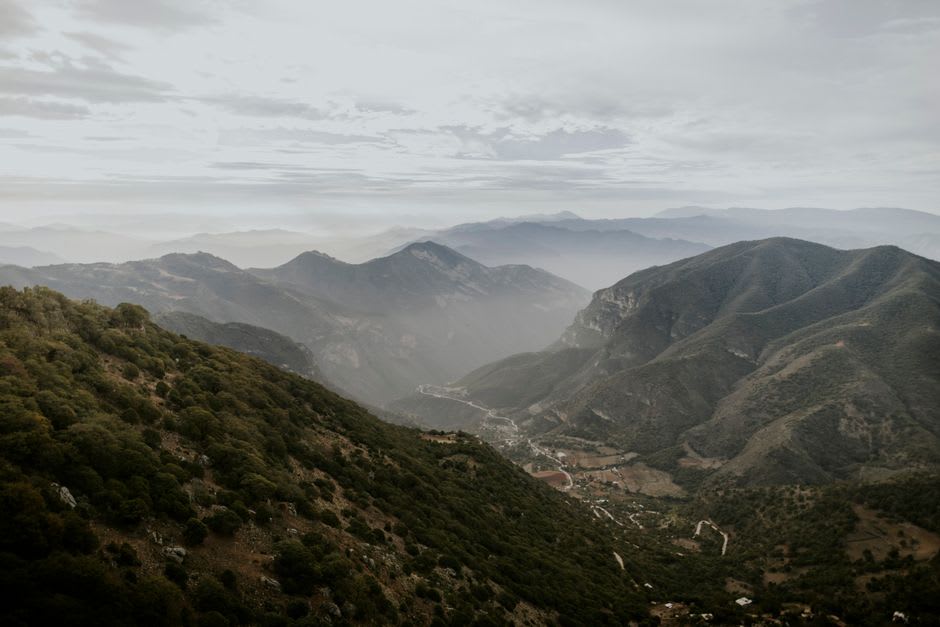
Tierra Blanca sits in the northeastern reach of Guanajuato, in the foothills where the land starts rising toward the Sierra Gorda. The easiest approach is by car from the Querétaro or San Luis Potosí side, or from within Guanajuato via the highways that climb northeast out of the central Bajío — allow a couple of hours of unhurried driving and expect the road to narrow and empty as you go. Buses reach the town but run on a rural schedule, so check return times before you commit. Come for a night, bring a hat, and don’t expect to be entertained — expect to be left alone in the best possible way.