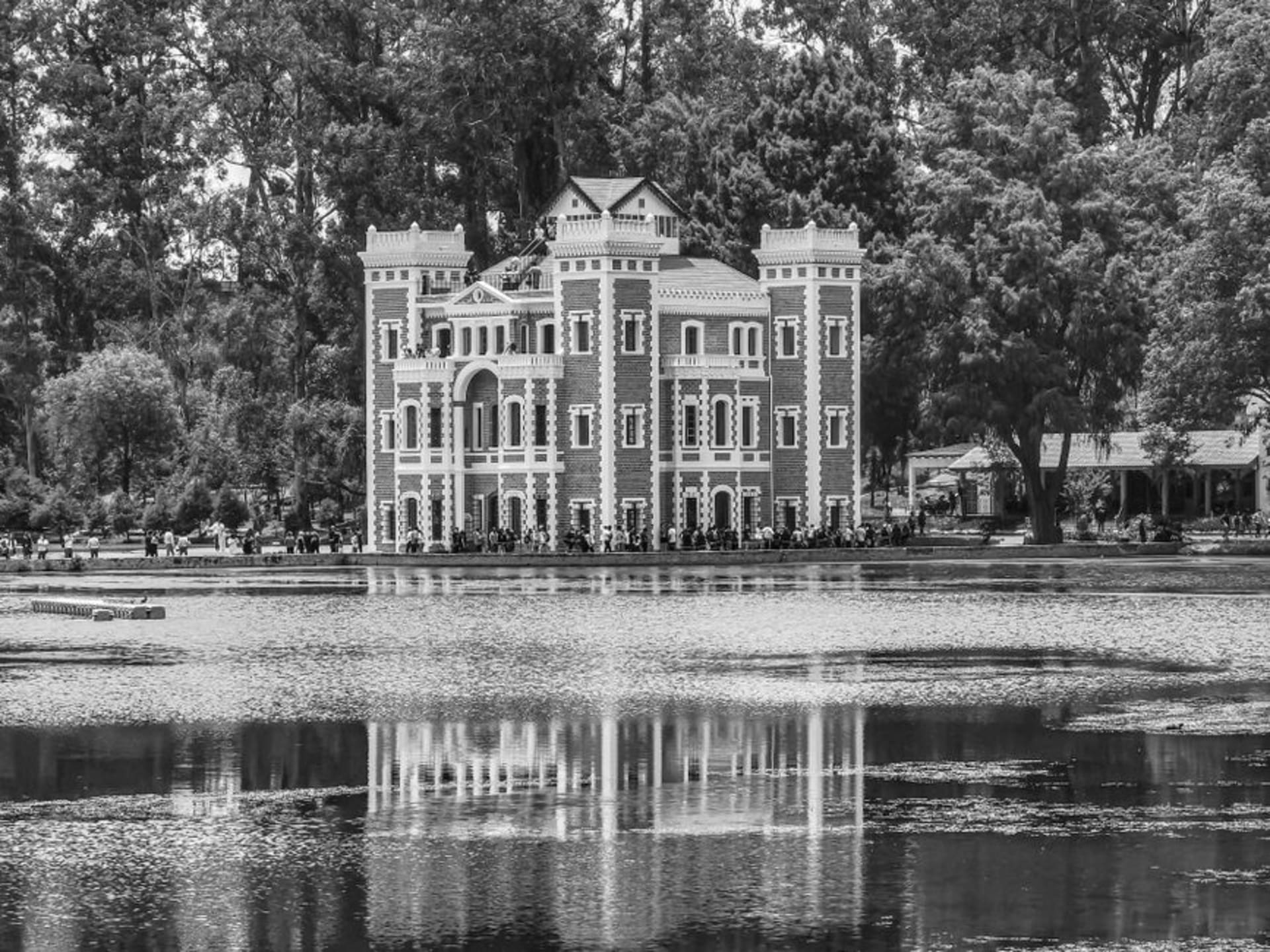
Yuriria
"The convent facade looks designed to impress a continent, not a small Bajío town — which I suppose was the point."
I came to Yuriria on a second-class bus from Celaya, and for the last twenty minutes of the ride I could see the lake flashing through the window — flat, silver, improbably wide for something the friars built by hand almost five centuries ago. Then the bus turned into the plaza and I looked up and completely forgot about the lake. The ex-convent façade was right there, filling the whole north side of the square, and my first thought was that someone had made a sizing error. Buildings don’t look like this in towns this size.
The Ex-Convent of San Pablo
The Augustinians arrived in Yuriria in the 1550s and built something that was less church than fortified statement. The façade is plateresque — which in practice means every square meter of the stone entrance is carved with figures, foliage, saints, and geometric patterns in a density that reads almost like anxiety. I stood in front of it for a long time, trying to find a corner that wasn’t doing something. There isn’t one. Inside, the cloister is comparatively austere, the arches heavy and low, and the silence is the kind that takes a minute to adjust to. The attached museum holds colonial-era religious painting and a few pieces of pre-Hispanic stonework that the friars apparently found interesting enough to keep. Entrance is thirty pesos. The attendant seemed mildly surprised to see me.
The Lake in Winter
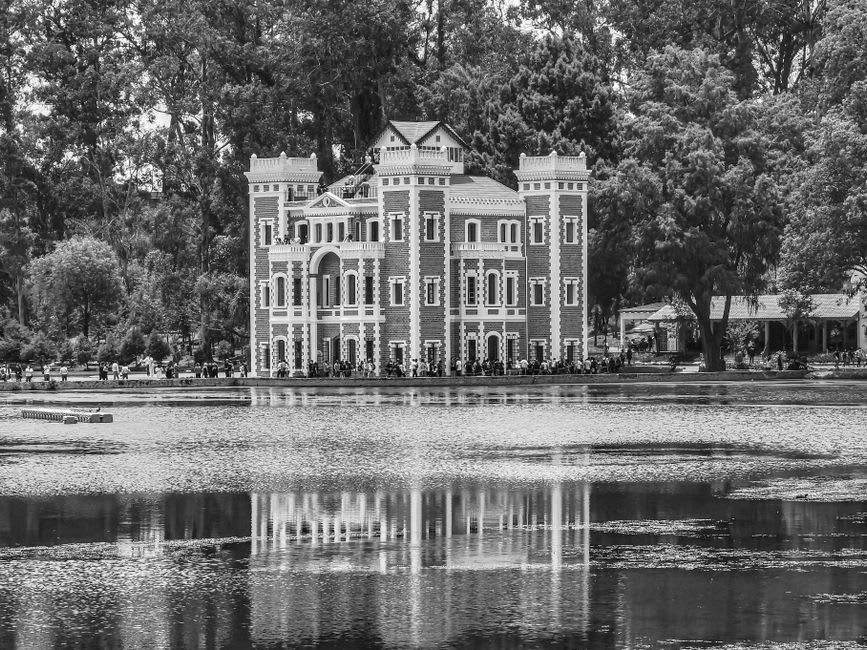
The Lago de Yuriria is the thing that changes character seasonally. I was there in February, which is when the migratory birds arrive — white pelicans mostly, along with ducks and egrets and species I couldn’t identify. The lake’s eastern shore has a rough malecón where locals fish from the afternoon onward, and you can hire a small boat from the embarcadero for the kind of sum that feels almost embarrassing to pay. We went out toward the middle of the lake as the light dropped, the convent visible from the water in a way that made its scale even harder to process. The fisherman pointed at the pelicans and said something I didn’t catch. I nodded. The birds didn’t move.
Eating on the Plaza
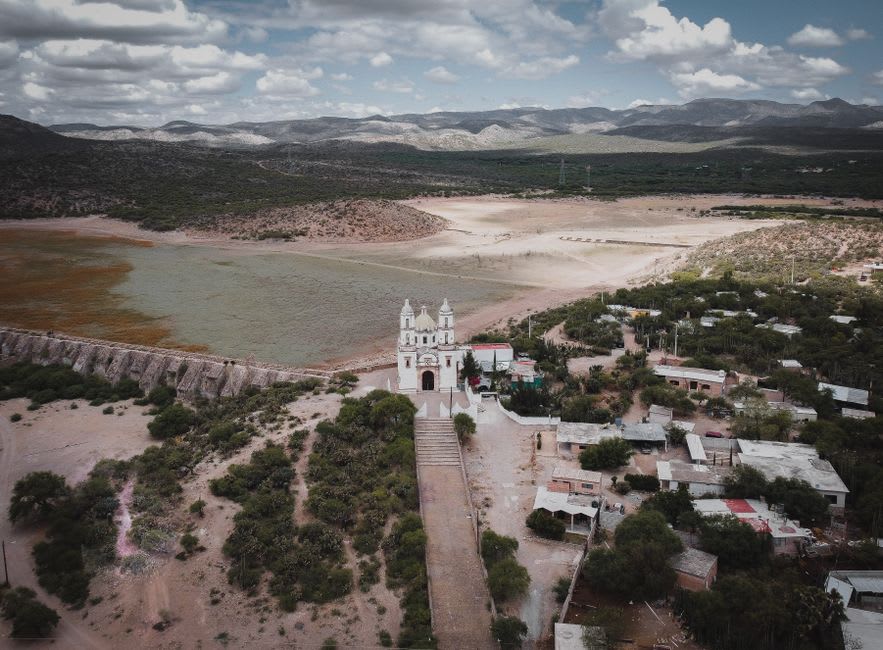
There are a handful of fondas around the market and a couple of places with plastic tables directly on the plaza. I ate carnitas on a tortilla de maíz at a puesto near the covered market on Calle Hidalgo, standing up, for twenty pesos. In the evening the restaurant on the plaza’s southwest corner did a decent caldo de res and cold Modelo. Nobody was in a rush. The town has a particular stillness that isn’t emptiness — the market fills up by eight in the morning, the plaza by six in the evening — but there is genuinely nothing performing for visitors here, because there are essentially no visitors.
Getting There
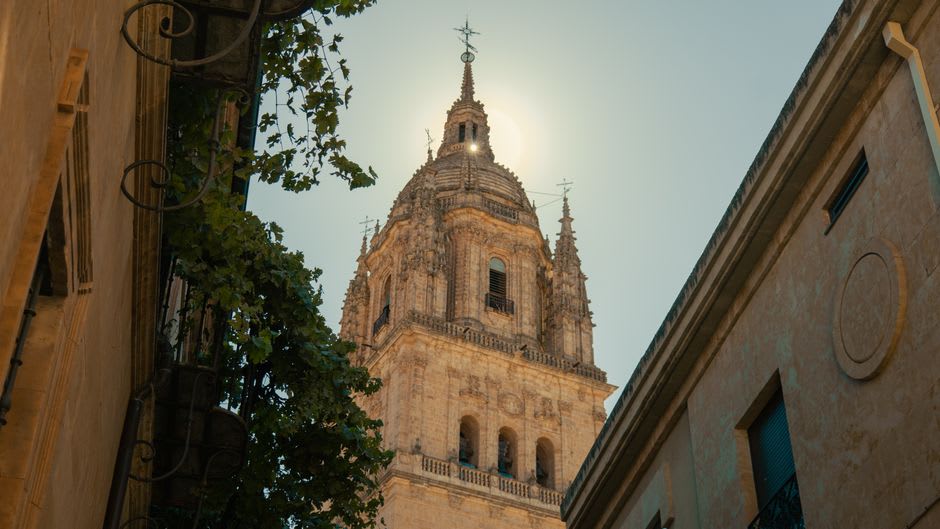
Yuriria is about two hours from León and ninety minutes from Irapuato by second-class bus, with connections in Salvatierra or Celaya. There is no direct service from Guanajuato city — plan for at least one transfer. Day trip is feasible from Irapuato or Celaya; if you stay overnight, Hotel Posada Yuriria on the plaza is the obvious option and perfectly adequate.