Valle de Santiago
"I stood at the rim of Rincón de Parangueo as the afternoon went orange, the dried crater floor glowing below me like something from another planet — and I had driven here on a hunch from a line in a geology pamphlet."
I came to Valle de Santiago because of a single sentence in a pamphlet I found folded inside a secondhand book about Mexican geology — something about seven craters, one of them dry, the rest holding lakes of improbable color. I drove down from Salamanca on a Tuesday, which turned out to be the correct choice: the market on Calle Álvaro Obregón was still wrapping up, vendors rolling their canvases back over stacks of chiles anchos and dried oregano, and I had the main plaza almost entirely to myself. The town smelled like corn masa and exhaust, which is to say it smelled like a place that actually functions.
The Siete Luminarias
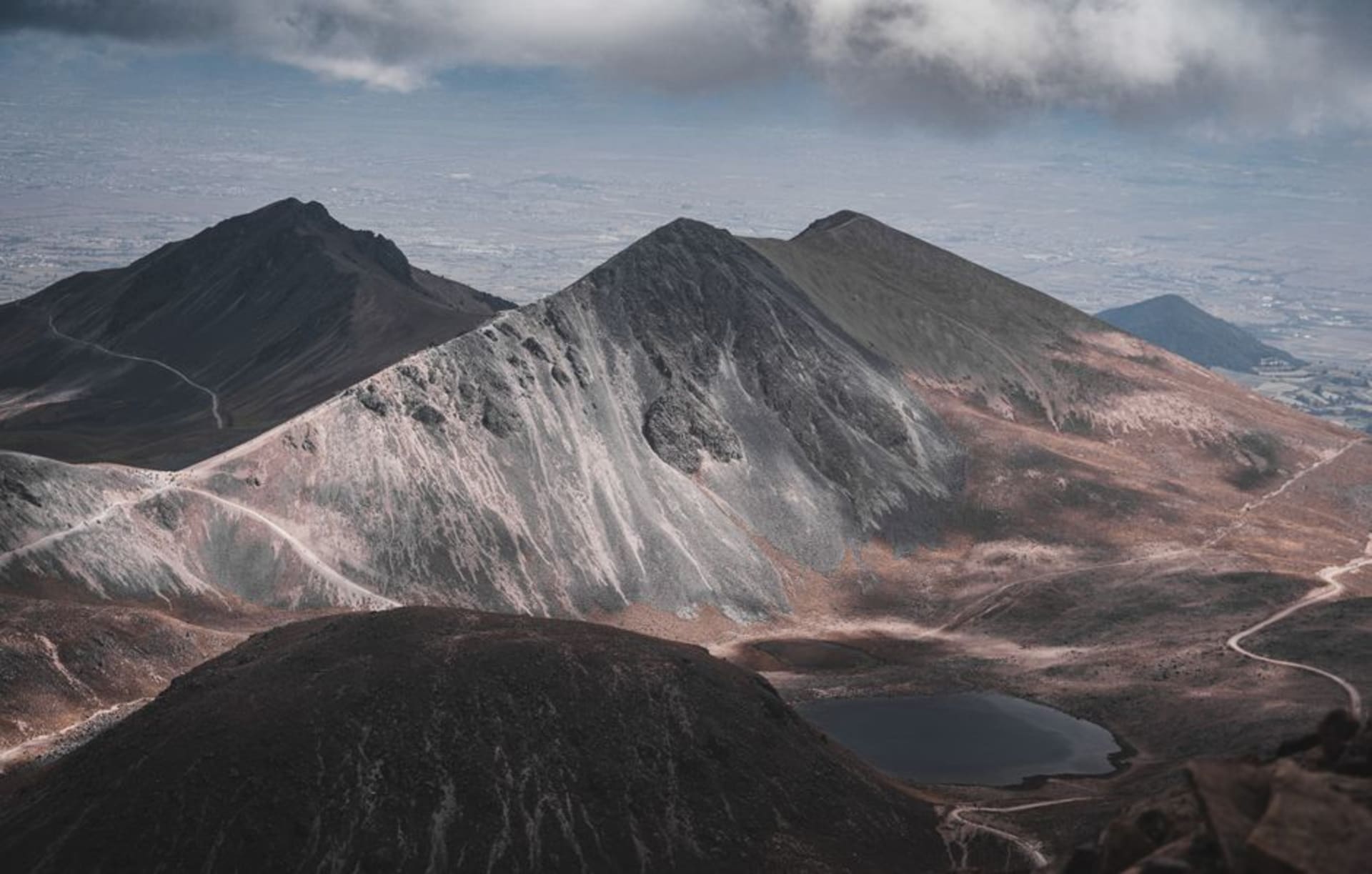
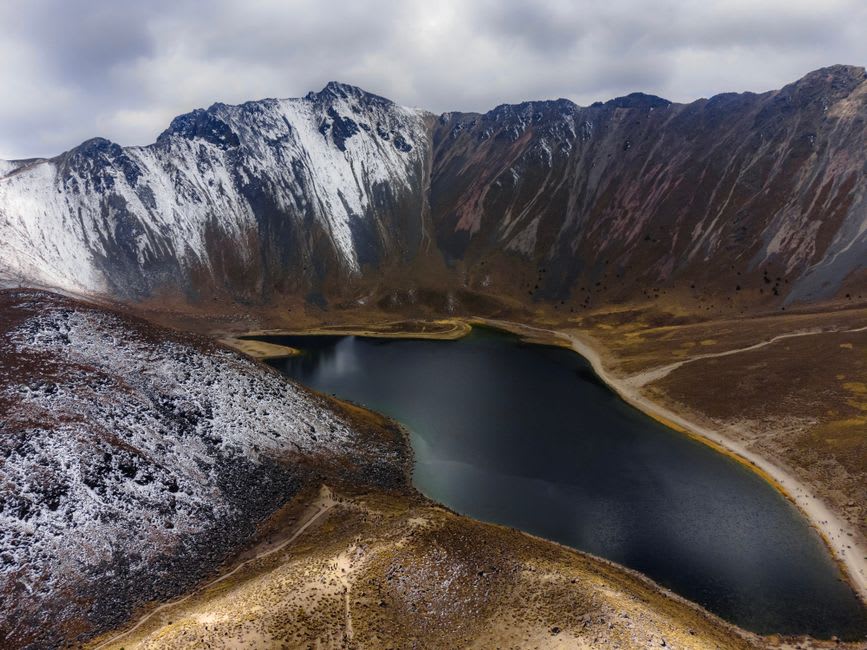
The seven craters were formed by a volcanic field that last erupted roughly 600,000 years ago, though standing at the rim of Rincón de Parangueo, that timeline feels both impossibly long and somehow plausible. Parangueo is the one that draws the most attention because its lake dried up in the 1980s — aquifer depletion from agricultural extraction — leaving behind a floor of exposed mineral sediment that oxidizes through burnt sienna, chalk white, and a faint sulfurous yellow depending on where the light catches it. I arrived around four in the afternoon and stayed until nearly six. The other craters, La Alberca and La Hoya de Álvarez among them, still hold water: La Alberca runs a vivid blue-green that shifts toward turquoise by midday, La Hoya deeper and darker, ringed by cattails. There are no formal trail systems, no entrance booths with laminated maps. You park where the road ends, walk to the rim, and figure out how far down you want to go.
The Town and the Market
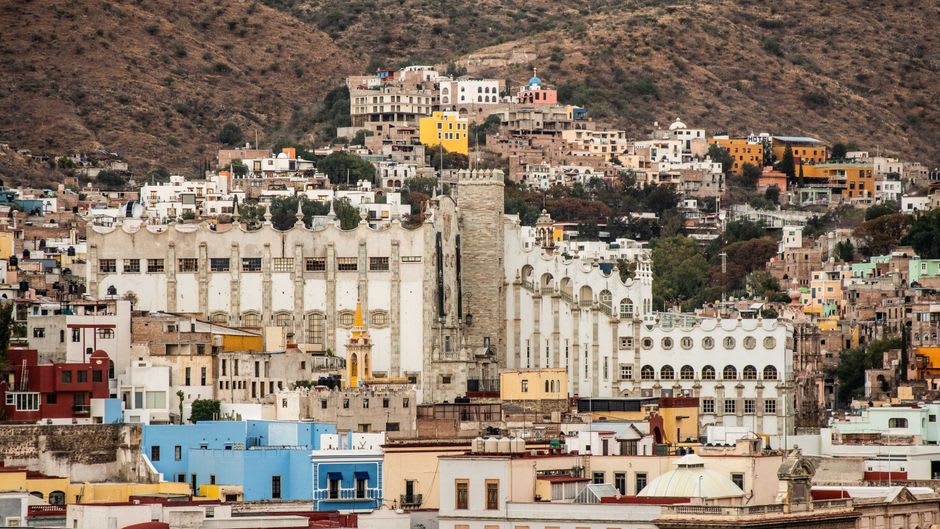
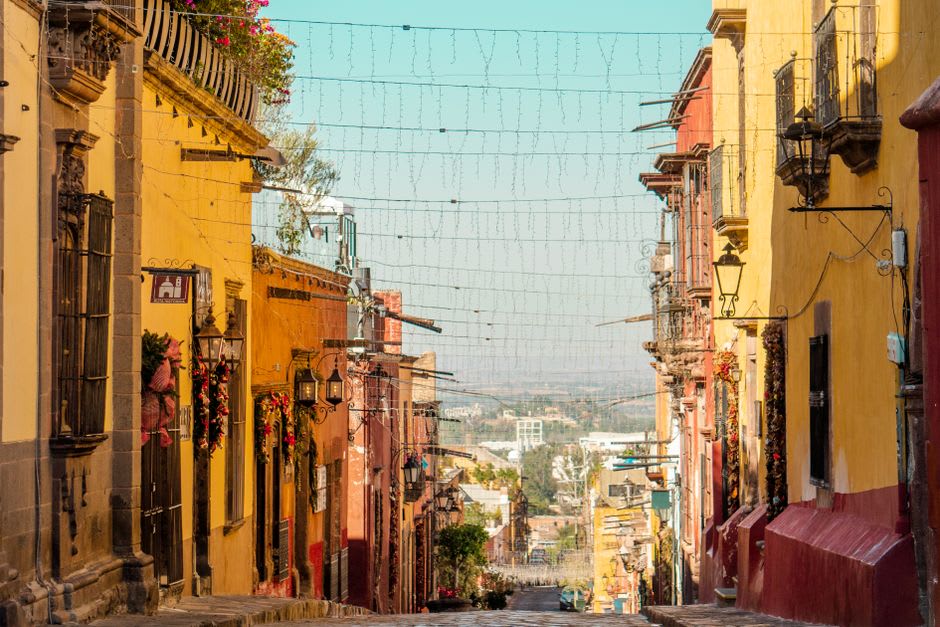
Valle de Santiago itself has about 60,000 people and precisely zero interest in curating itself for outside consumption, which I mean entirely as a compliment. The Tuesday and Friday tianguis around the mercado municipal is the real draw in town — agricultural equipment, medicinal herbs, bulk grains, and a row of women selling enchiladas mineras in the Guanajuato style: red guajillo sauce, fried flat, topped with queso fresco, potato, and carrot. I ate two at a folding table next to a man discussing seed prices on his phone. The Parroquia de Santiago Apóstol on the main plaza is a solid seventeenth-century church, pink quarry stone, unassuming — worth ten minutes if you are already there. The real architectural pleasure is just walking the surrounding streets, where the proportions of the colonial grid are intact but the paint is municipal-budget beige, not Instagram restoration.
What to Actually Do
Go to Rincón de Parangueo first, in the afternoon when the light is low and angled. Then loop to La Alberca for the color contrast. Give yourself two hours at minimum for the crater circuit — not because anything takes that long, but because you will keep stopping. Back in town, eat in the market if the timing works, or find a seat at one of the fondas on the east side of the plaza for caldo de res and agua de Jamaica. The drive between craters on the back roads passes through flat farmland growing sorghum and chili, and there is something satisfying about how abruptly the crater rims announce themselves from an otherwise completely level landscape.
Getting There
Valle de Santiago sits about 60 kilometers south of Salamanca and 75 from Celaya — roughly an hour by car from either. There is no direct bus from Mexico City; you connect through Celaya or Irapuato and then take a local. The dry season between November and April is the clearest time for crater colors. Weekdays are quieter; Tuesday gives you the market.