Irapuato
"A city that has successfully made strawberries its entire civic identity is, in my opinion, doing something genuinely right — Irapuato leans in completely and the food is outstanding."
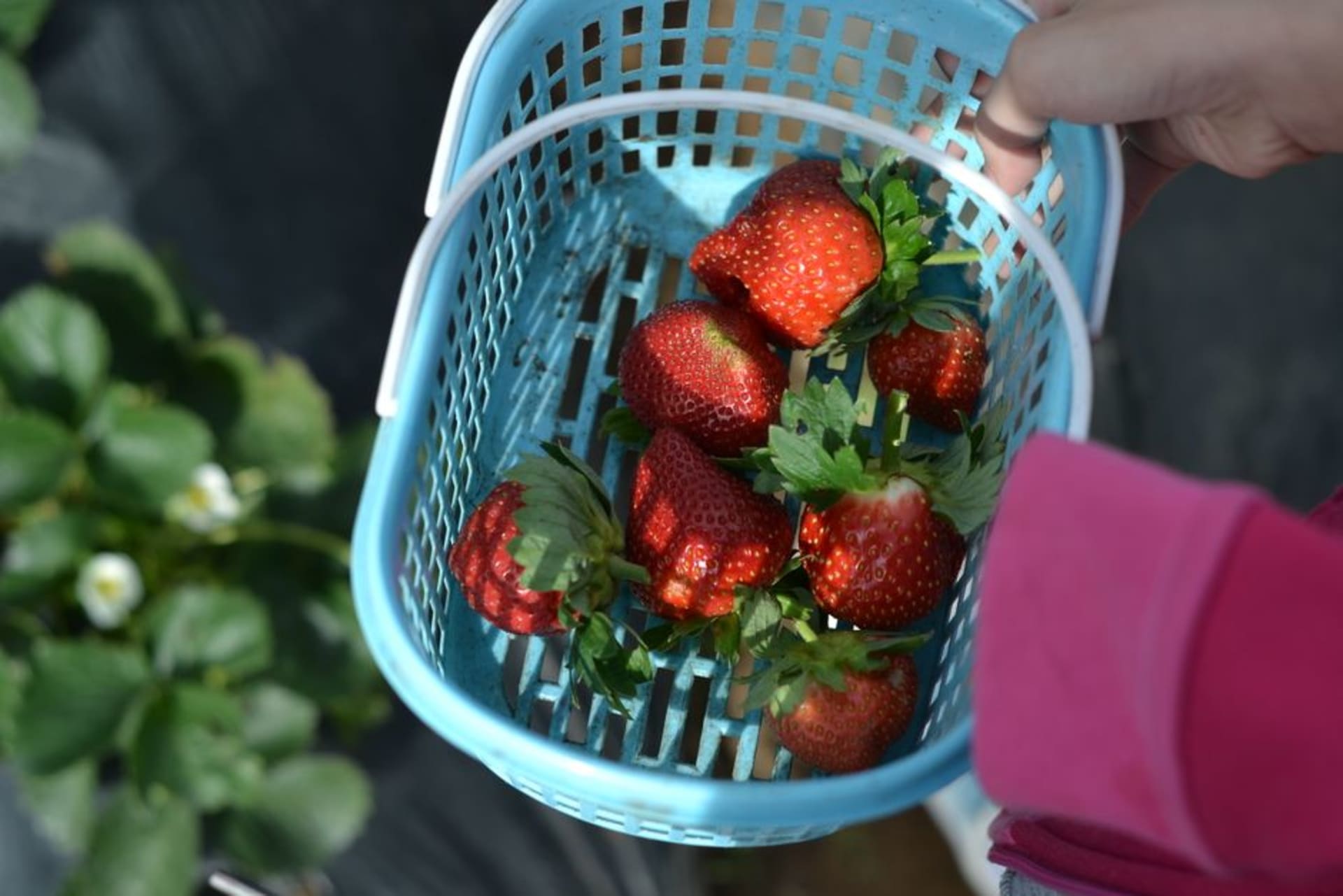
I stopped in Irapuato because my bus had a two-hour layover and the terminal’s bolillo sandwiches were the only alternative. By the time I made it back to the station, I had eaten strawberries in four consecutive forms — fresh from a paper cone, drowning in cream at a plastic table in the Mercado Hidalgo, dissolved into an agua fresca the color of a stop sign, and somehow folded into a quesillo that had no business tasting that good. I missed the bus entirely. The decision held up.
The Fields and the Mercado
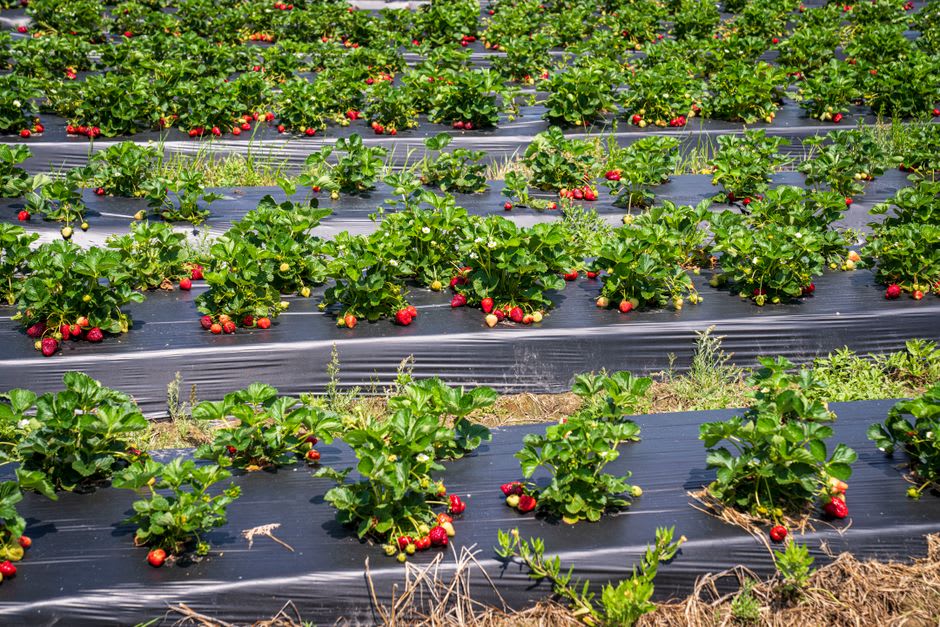
The claim that Irapuato produces more strawberries than anywhere else in Mexico is not marketing — the fields on the approach roads from León are genuinely staggering in late winter and spring, low and dense and smelling of something too clean to be real. The harvest runs roughly December through May, and during those months the Mercado Hidalgo on Calle Obregón fills with vendors who have made fresas con crema into something approaching a civic religion. The strawberries arrive enormous and cold, sliced into heavy cream that is not the canned variety but the real thing, poured from a ladle. You order by the vaso or by the kilo and you eat standing up because the stools go fast. A few stalls also sell fresa paletas — denser and less sweet than what you find at chains — and at least one woman near the back entrance makes a strawberry atole on cold mornings that I have thought about more than I should admit.
The Ex-Convento and the Plaza
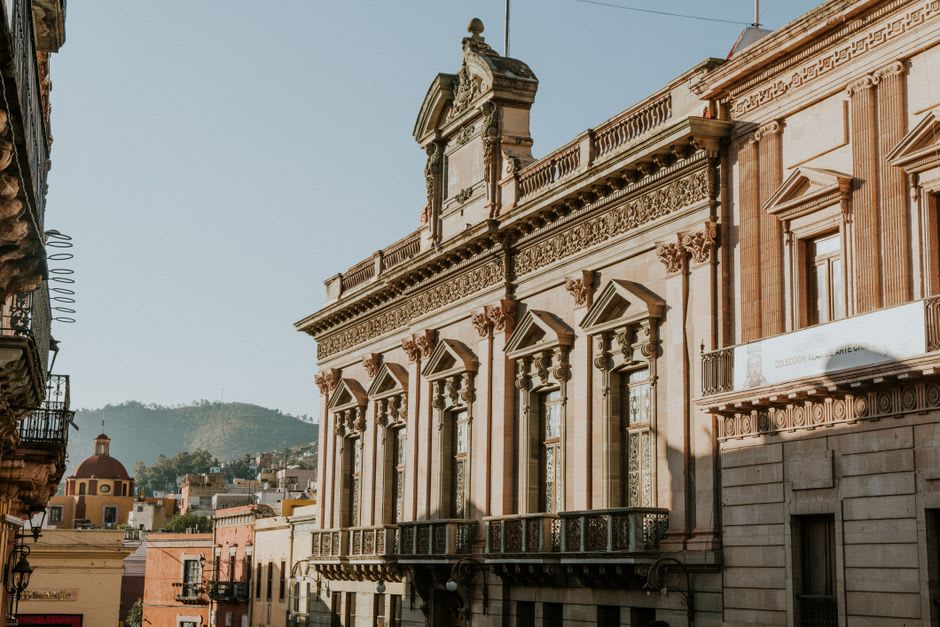
The historic center is small enough to read in an afternoon but substantial enough that you won’t feel cheated. The Ex-Convento de San Francisco on the north side of the Jardín Hidalgo dates to the seventeenth century, and whatever its current institutional function, the facade is worth standing in front of for a moment — the stonework has the kind of unhurried craftsmanship that stops being decorative and becomes architectural argument. The jardín itself is shaded, genuinely so, with old trees that close the sky over the benches by midday. I sat there on a Thursday with a styrofoam cup of café de olla from a cart on the corner and watched school groups photograph the bandstand for reasons I never fully understood. The surrounding streets — particularly Calle Hidalgo and the blocks around the Templo del Hospitalito — have that agreeable quality of a Mexican city that never expected much tourism and so never dressed up for it.
What I Would Tell You to Eat
Beyond the obvious fresa situation, Irapuato eats well in a quiet, provincial way. The carnitas stands that appear near the Mercado Hidalgo on weekend mornings are worth planning around — the maciza arrives fatty and pulled, served in a tortilla with a salsa verde that somebody keeps genuinely spicy. One afternoon I found enchiladas mineras at a comedor on Calle Aldama, the Guanajuato style with potatoes and carrots and a red sauce that sits heavier than it looks — exactly the thing to eat before a long bus ride, which I was, again, about to miss.

Getting There
Irapuato sits on the main Bajío corridor about 45 minutes west of Guanajuato city and an hour east of León by bus — both ETN and Primera Plus stop here regularly. The nearest airport is Del Bajío (BJX) near León, which has direct flights from Mexico City and several US cities. From Guadalajara the ride is around two hours by carretera, longer if you stop for strawberries on the way in, which you will.