Salvatierra
"Four convents in one town that nobody visits — Salvatierra makes you wonder what else you have been driving past."
I came through Salvatierra on a Tuesday morning because the bus from Morelia stopped there and I had nowhere urgent to be. That is, I think, the only honest reason anyone arrives. The centro was quiet in the way that places are quiet when they have not been told to perform for visitors — a couple of women carrying bags from the mercado on Calle Insurgentes, a man painting a doorframe on the Plaza Principal, pigeons doing their usual work around the kiosk. I sat down with a coffee and a piece of pan de pulque from a bakery I have since been unable to locate on any map, and I understood within twenty minutes that I was staying another day.
Four Convents and the Patience to Find Them
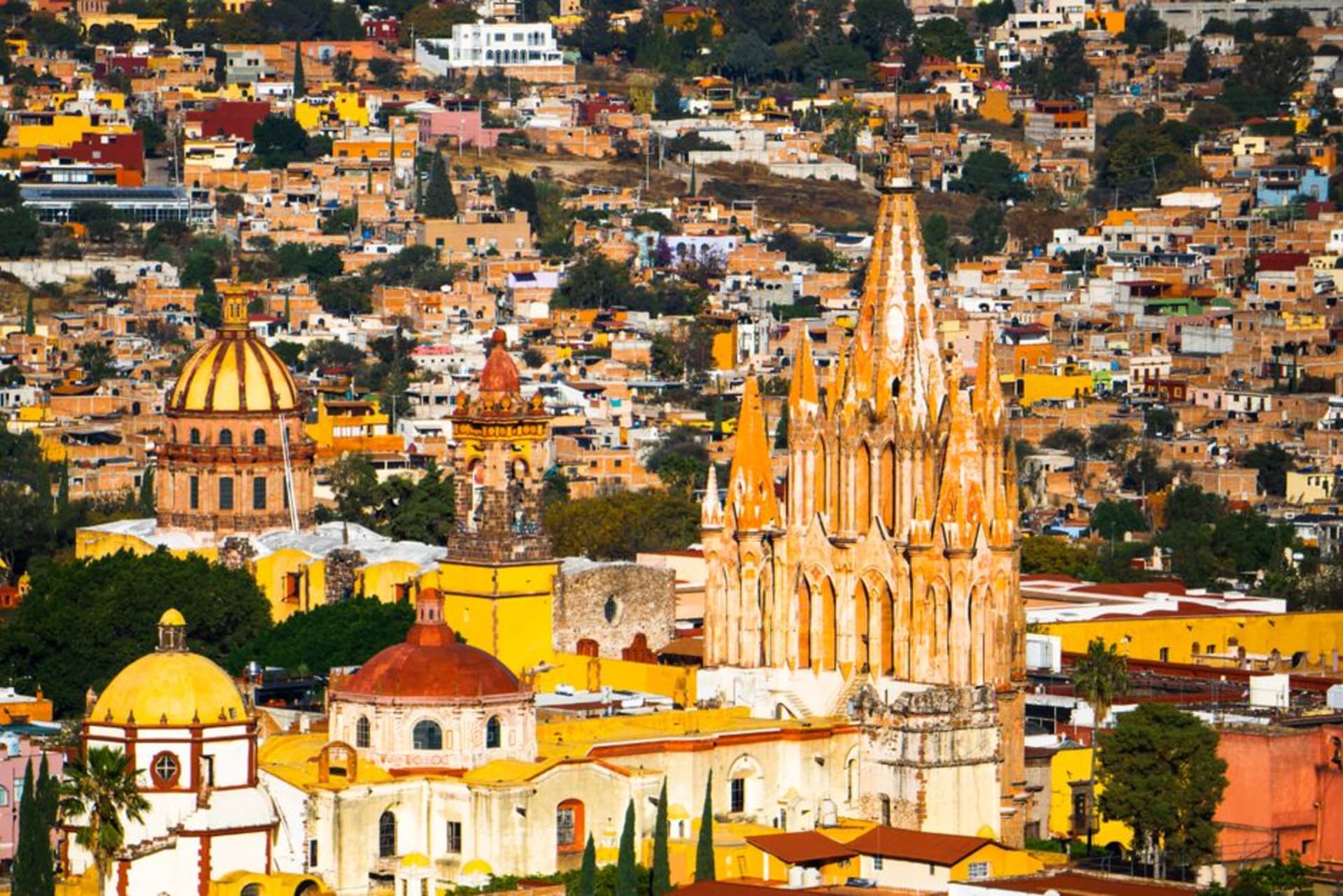
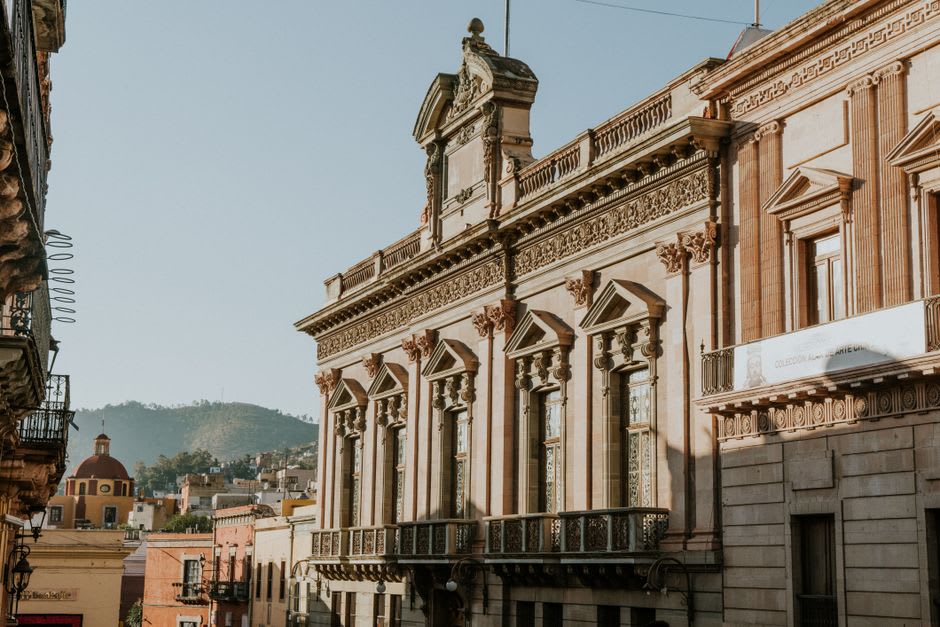
Salvatierra was a Franciscan project from the seventeenth century, and the orders built with the ambition of people who expected permanence. The Convento de San Francisco anchors the centro with a facade that catches the afternoon light in shades that shift from amber to near-orange as the hour moves. A short walk brings you to the Convento de la Santísima Trinidad, quieter and less photographed, where a sacristan let me into the nave one afternoon without ceremony and left me alone with the retablos for as long as I wanted. The Convento del Carmen and the Convento de San Juan de Dios complete the circuit — none of them especially well signed, all of them worth the mild navigation required. What strikes you is not any individual building but the cumulative weight of it: four substantial religious complexes in a town of maybe fifty thousand people, nearly all of it intact, almost none of it curated for tourism. The masonry still belongs to the town rather than to visitors.
The Sunday Market and Its Cajeta
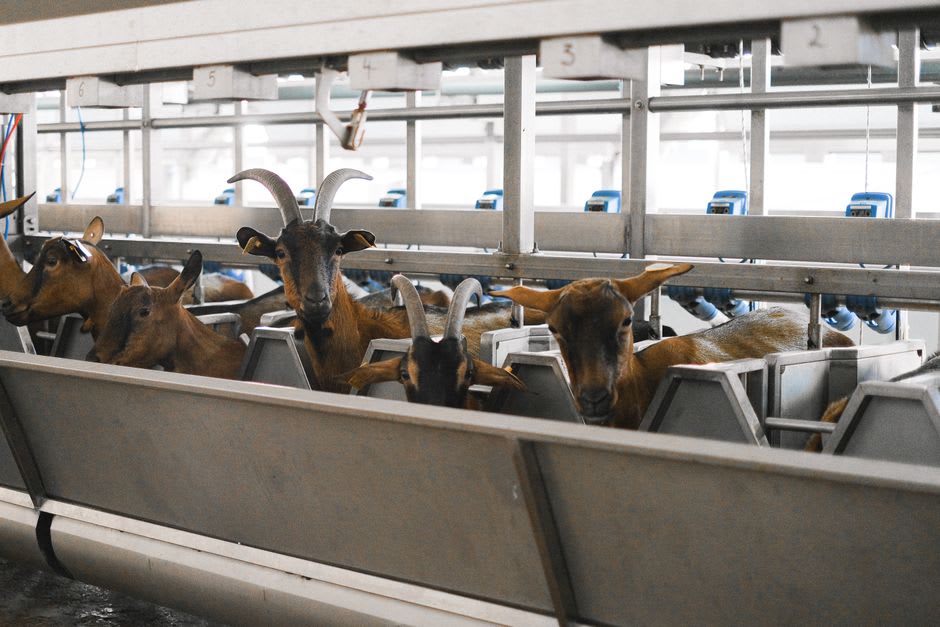
The Sunday tianguis spreads along the riverfront near the Puente de las Flores and draws vendors from the Michoacán side of the state line, which means Purépecha women selling dried chiles, fresh herbs, and handwoven textiles alongside the usual Bajío produce. I arrived just after eight and worked through a breakfast of gorditas de nata with salsa verde from a woman who had a folding table and no menu. What you are really here for, though, is cajeta in every form the town has developed over three centuries of goat herding: straight from the jar, folded into obleas, spread on wafers, or bottled with brandy into a liqueur that is better than it sounds. The small producers along Calle Juárez sell directly from their doorsteps on market days. Buy more than you think you need.
The Lerma in the Evening
By five o’clock the light on the Lerma River goes flat and gold and the Puente de las Flores is mostly locals rather than anyone passing through. The thing nobody tells you about Salvatierra is that this is when the town is most itself — families on the bridge, kids with paletas, the convents turning dark against the sky. I walked back toward the plaza along the river path and thought about how many towns like this exist in the Bajío corridor, perfectly whole, completely unannounced.
Getting There
Salvatierra sits about 80 kilometers southeast of Guanajuato city and 50 kilometers from Celaya. Frequent second-class buses run from Celaya’s Central de Autobuses throughout the day, with the journey taking roughly an hour. From Morelia, buses on the Morelia–Celaya corridor stop in Salvatierra directly. There is no direct bus from Guanajuato city — a connection through Celaya is the standard route.