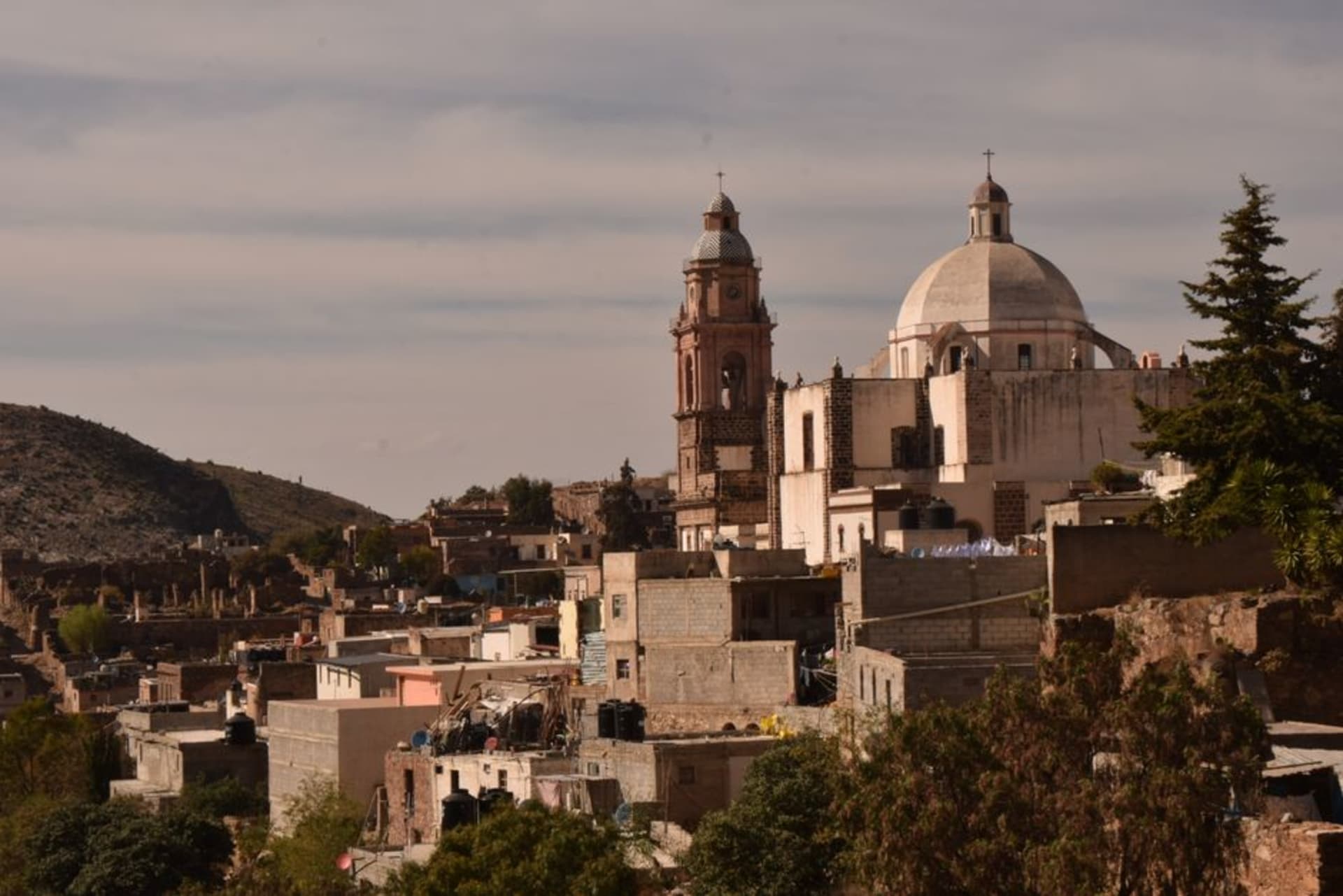
San Luis de la Paz
"The museum curator explained the Chichimec resistance with such evident pride that I left convinced I had been studying the wrong side of that particular history all along."
I came to San Luis de la Paz on a Sunday, which turned out to be the correct decision. The Flecha Amarilla from San Miguel drops you near the market, and on Sunday the market is the whole reason to be here — stalls fanning out from under the portales and into Calle Hidalgo, the smell of carnitas drifting from somewhere I never located, and vendors from the surrounding sierra communities arriving before dawn to set out their things. I had read about the Chichimec Jonaz connection before I arrived. Reading about it and finding yourself standing next to a woman arranging embroidered huipiles at seven in the morning are different things.
A War That Took Decades to Lose
The Museo Regional sits on the south side of the Jardín Principal and is the kind of small-town museum that rewards patience. The curator — I never caught his name — had given the Chichimec War tour enough times to have developed strong feelings about it, and his feeling was that the standard colonial narratives tend to edit out the part where the Chichimec Jonaz and allied groups held the Spanish at bay for the better part of forty years. The Chichimec War ran roughly from 1550 to 1590, making it one of the costlier and longer conflicts of the colonial period in New Spain. San Luis de la Paz was founded specifically as a villa de paz — a peace town — after military campaigns failed to subdue the region. The curator showed me this on a hand-drawn map with visible satisfaction. By the time I stepped back out into the afternoon, the plaza felt like a different place: less picturesque colonial backdrop, more complicated historical outcome.
The Sunday Tianguis
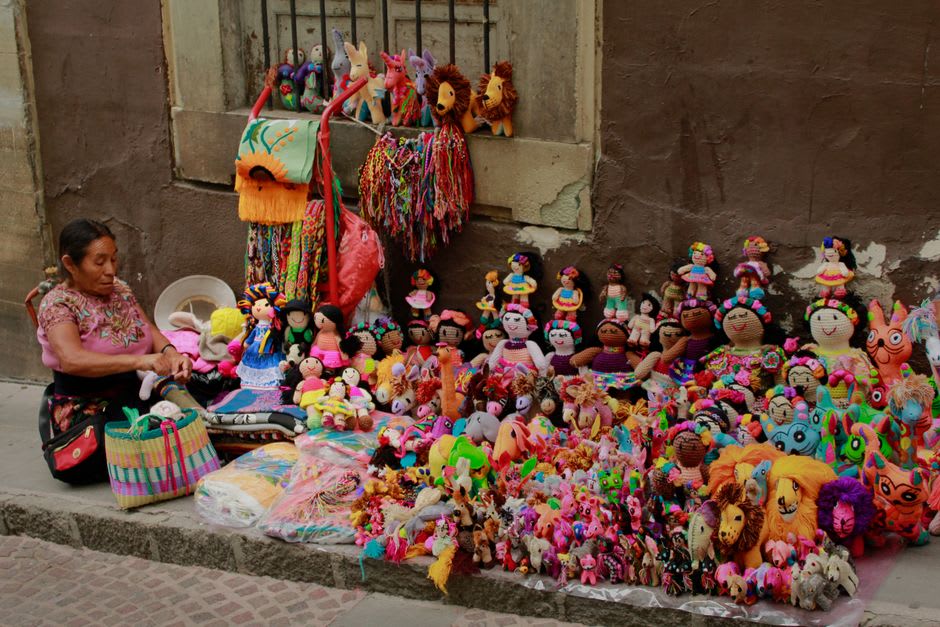
The market along Calle Hidalgo is not tourist-formatted, which means you have to do some wandering before the Chichimec Jonaz textiles come into focus. Look for the embroidered pieces — huipiles and smaller decorative work with geometric patterning — sold by women from the sierra communities; the prices feel almost wrong given the work involved. I bought a small embroidered panel and a bag of unidentified dried chiles, which is the reliable outcome of every market I have attended in Guanajuato. Beyond the crafts, the food section earns its own visit: gorditas de maíz stuffed with chicharrón and salsa verde, tamales brought down from the sierra wrapped in banana leaves, atole de guayaba in foam cups that stay warm longer than seems physically possible. Eat at the market. The gorditas especially.
The Plaza After Eight
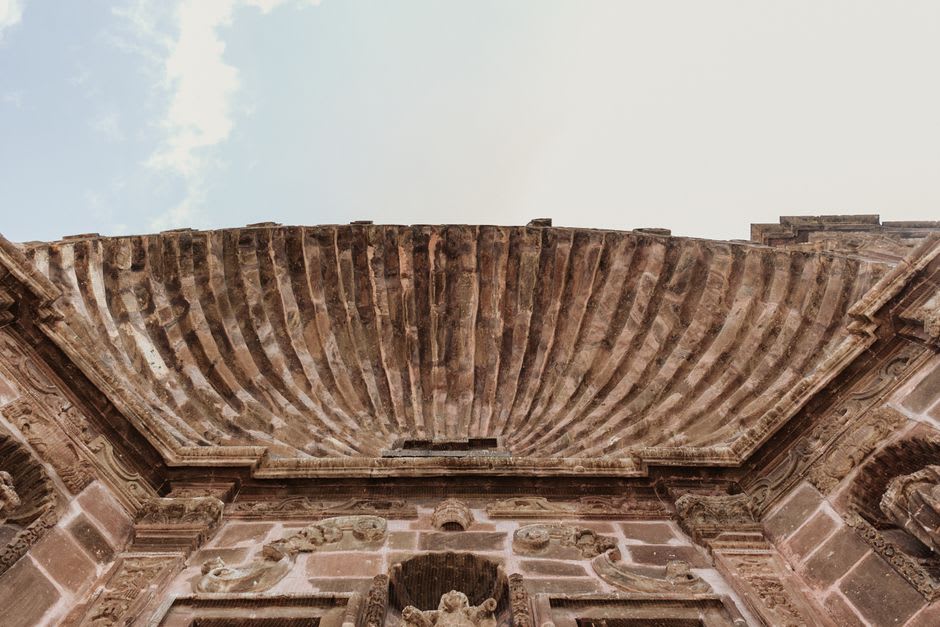
San Luis de la Paz quiets early. The portales around the Jardín Principal fill briefly at the dinner hour, then mostly empty. There is a pozolería on the corner of Hidalgo and Morelos that stays open until ten; the pozole verde is the move, topped with dried oregano and a hard squeeze of limón. The Parroquia de San Luis Rey de Francia faces the jardín and is well-proportioned without being spectacular — the kind of church that earns its place in a town rather than announcing itself. If you have a night here, the quality of sleep in a town without nightlife is a thing worth appreciating.
Getting There
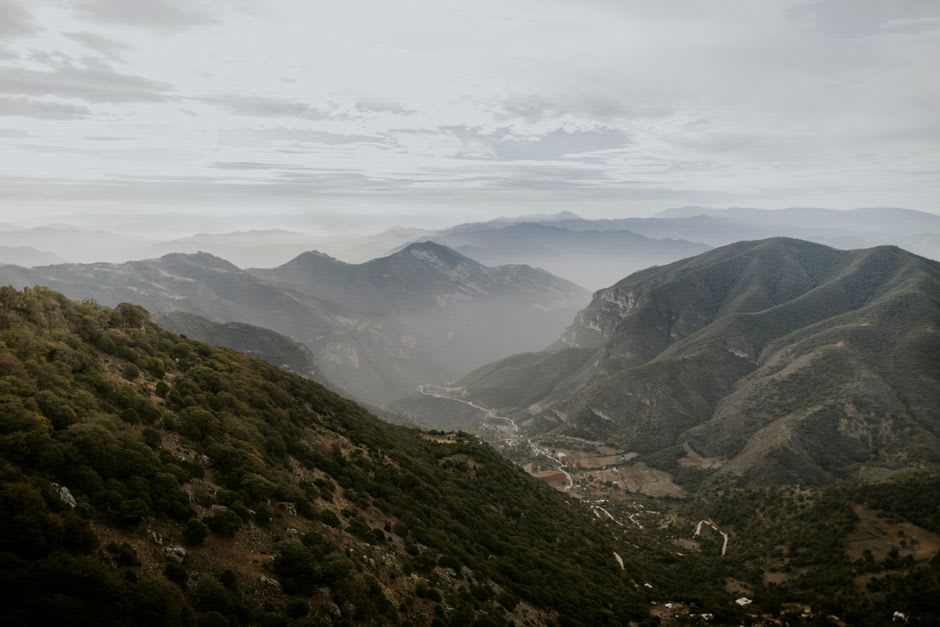
Flecha Amarilla connects San Luis de la Paz to San Miguel de Allende in roughly one hour. From León the journey takes around two to two and a half hours. From Guanajuato city, a change in Dolores Hidalgo is usually required, adding up to about two and a half hours total. The bus terminal sits a few blocks from the Jardín Principal. Sunday departures back to San Miguel run through the early evening.