Jerécuaro
"No cobblestone charm, no boutique hotels — just fields, a reservoir, working ranchos, and a plaza where the whole town turns out at dusk. I loved it for exactly that."
I have a soft spot for the towns nobody writes about, and Jerécuaro is one of them. There’s no Pueblo Mágico plaque here, no artisanal mezcal bar, no restored hacienda charging by the night. What there is: farmland rolling out to low green hills, a reservoir catching the light, working ranchos where the horses are for work and not for photos, and a plaza that fills up quietly at dusk with families and old men and kids chasing each other around the kiosk. I came almost by accident, chasing back roads in the far corner of Guanajuato, and I stayed the afternoon because it felt honest in a way the polished towns sometimes don’t.
Jerécuaro sits in the southeastern reaches of Guanajuato, out where the state runs up against Michoacán, in deep agricultural Bajío country. Its roots run back to the Purépecha and Otomí peoples, and you can still feel that older layer under the ranching-and-farming present. This is not a destination in the brochure sense. It’s a place — and for me, that’s better.
The Bajío as It Really Is
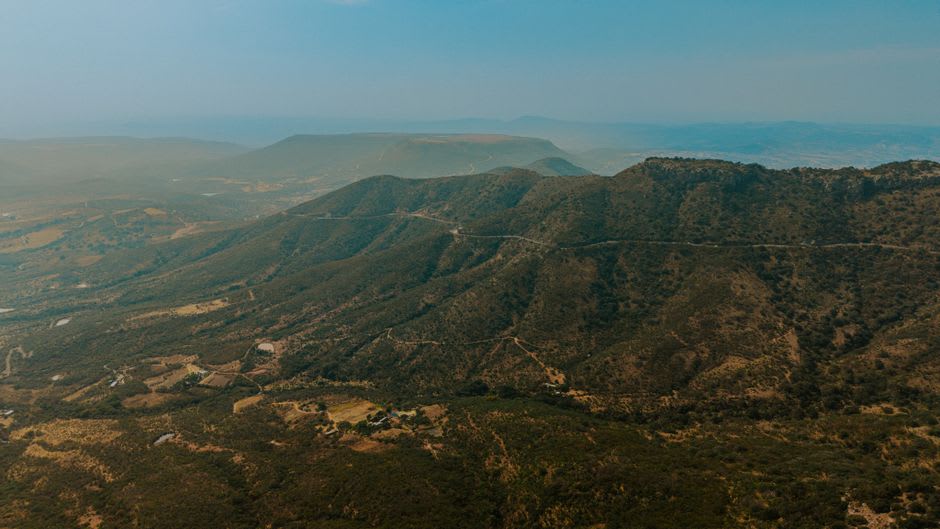
The land around Jerécuaro is the everyday Bajío, the agricultural heart of central Mexico that feeds the country but rarely gets photographed. Fields of maize and sorghum, grazing land, low green hills folding gently toward the Michoacán line. Drive the back roads and you pass tractors and horsemen and men mending fences, the ordinary machinery of a place that works the earth for a living.
I love this landscape precisely because it isn’t trying. The light in the late afternoon is soft and gold, the hills go a deep summer green after the rains, and there’s a calm to it — the calm of productive land under a big open sky. I pulled over on a farm track once just to watch a man move cattle across a field, and he lifted his hat to me, and that small unhurried courtesy told me everything I needed to know about the pace of things out here.
The Reservoir and the Hills
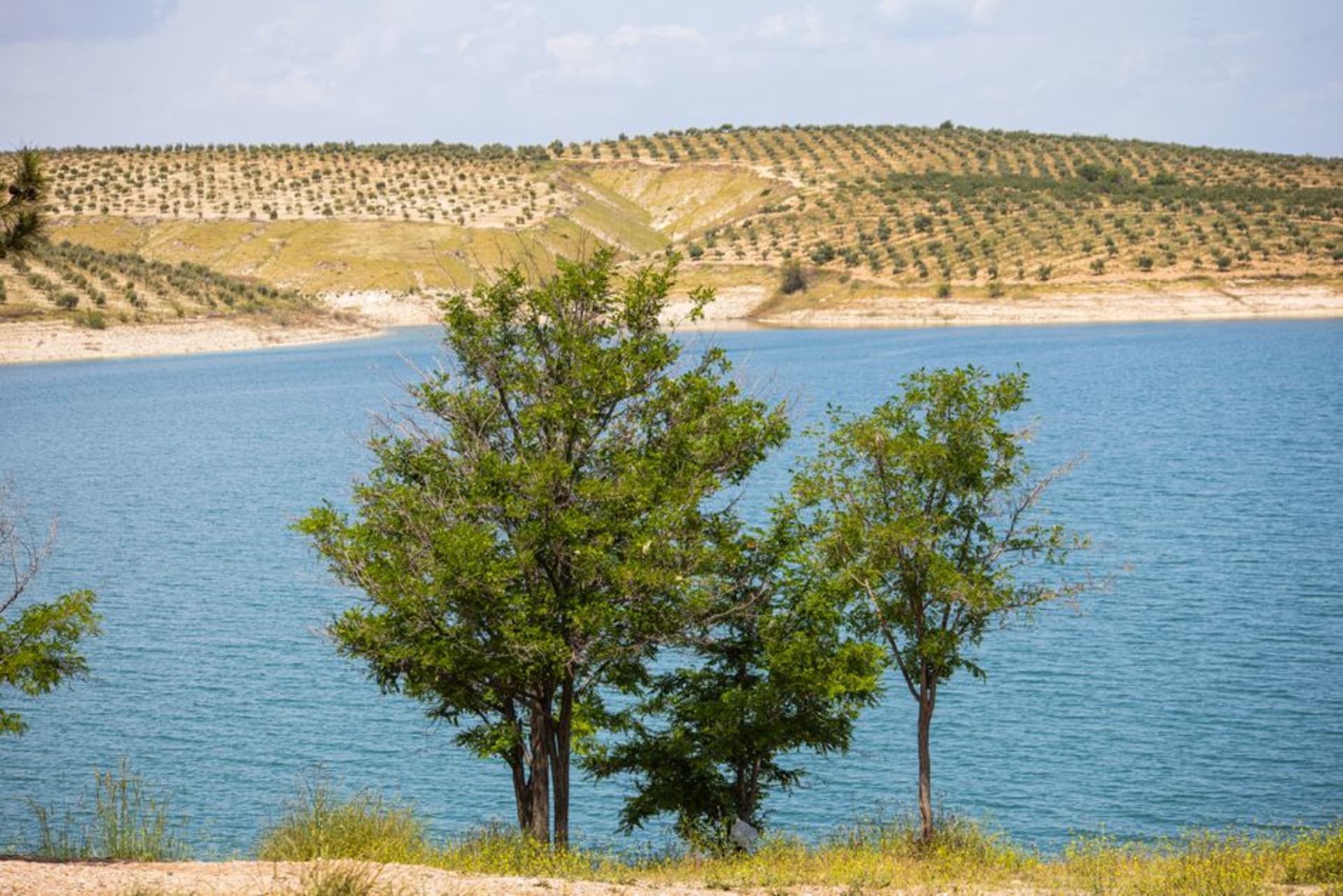
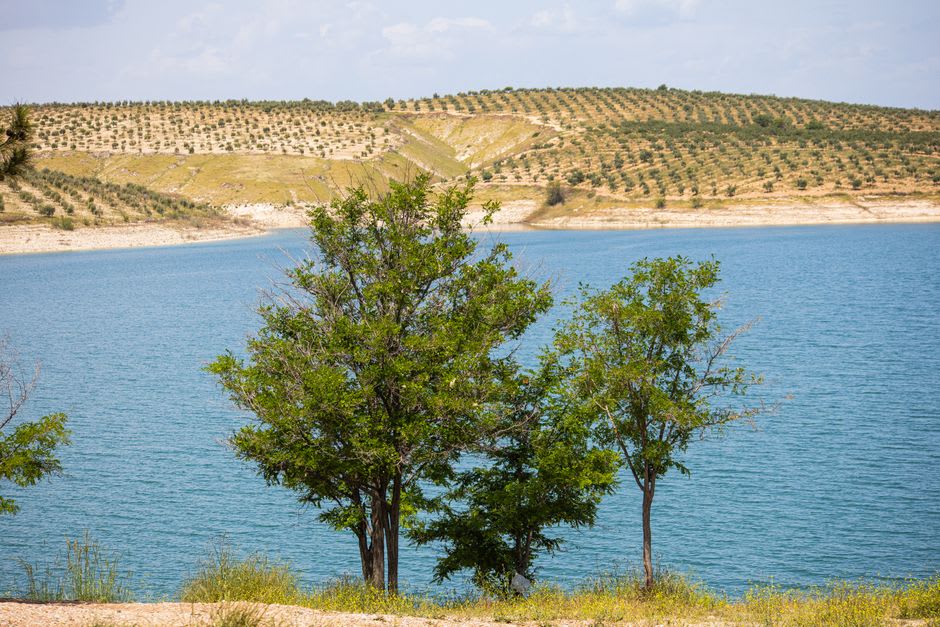
Near town the land dips to hold a reservoir, and it’s become one of my favorite quiet spots in this corner of the state. The water sits calm among the low hills, catching the sky and the clouds, and in the early morning or the hour before sunset it turns to a sheet of soft light. There’s nothing developed about it — no marina, no restaurants strung along the shore — just water, reeds, birds, and the hills beyond.
I like to walk the edge of it and watch the birds work the shallows, and now and then a fisherman puts out in a small boat, and the whole scene has the stillness of a place that belongs to itself. It’s the kind of spot you’d never find unless you went looking, and finding it felt like a small private reward for taking the back roads. Bring a coffee, find a rock, and let an hour go by. That’s the whole itinerary, and it’s enough.
Plaza, Ranchos, and Roots
The town itself is modest and real. The plaza is the heart of it — a kiosk, some trees, the church on one side — and at dusk the whole town seems to drift toward it. Families come out, vendors set up carts of elotes and snacks, kids run wild, old men settle onto the benches to watch the evening. I sat there one evening with a bag of fruit and chile and just let it wash over me, this ordinary nightly ritual that towns like this have kept alive while flashier places lost it.
The deeper roots show through, too — the Purépecha and Otomí heritage that predates the ranching towns, still present in the surrounding communities and in the older ways of working the land. Out past the edges of town the ranchos carry on their business: horses, cattle, the smell of dust and animals and cut fodder. It’s unpolished, agricultural, entirely unbothered about impressing anyone. And that, in the end, is exactly why I’d point a curious traveler toward it.
Getting There
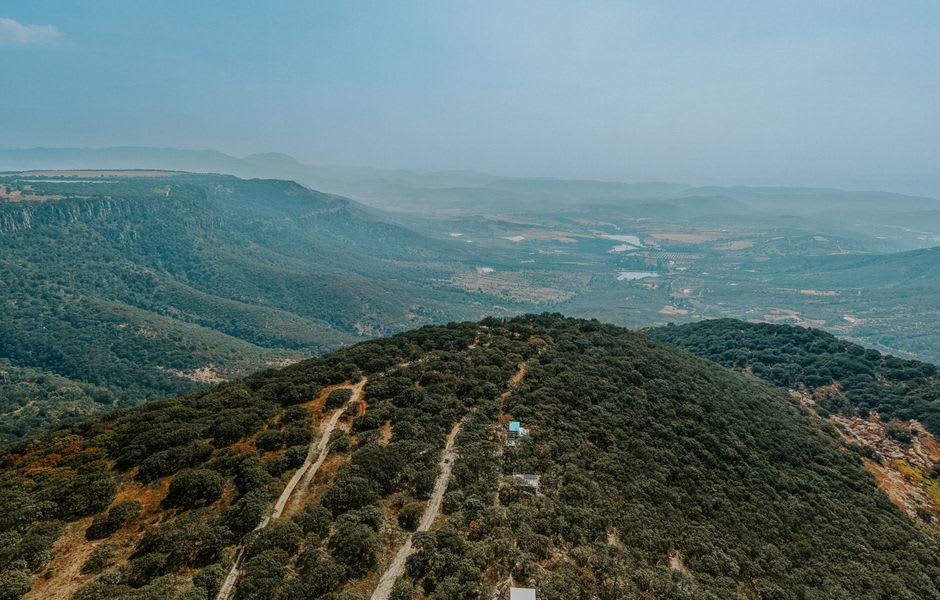
Jerécuaro sits in the southeastern corner of Guanajuato near the Michoacán border, reachable by road from the regional hubs of Acámbaro and Celaya — roughly an hour from Celaya and a shorter hop from Acámbaro, which has the nearest bus connections. You’ll really want a car here; the town rewards wandering the back roads out to the reservoir and the ranchos, and public transport only gets you as far as the plaza. There’s little in the way of formal tourist infrastructure, so come self-sufficient and come curious. This is the Bajío with its work clothes on — no polish, no performance, just fields and water and a quiet plaza at dusk. If that sounds like your kind of place, as it is mine, Jerécuaro will not disappoint you.