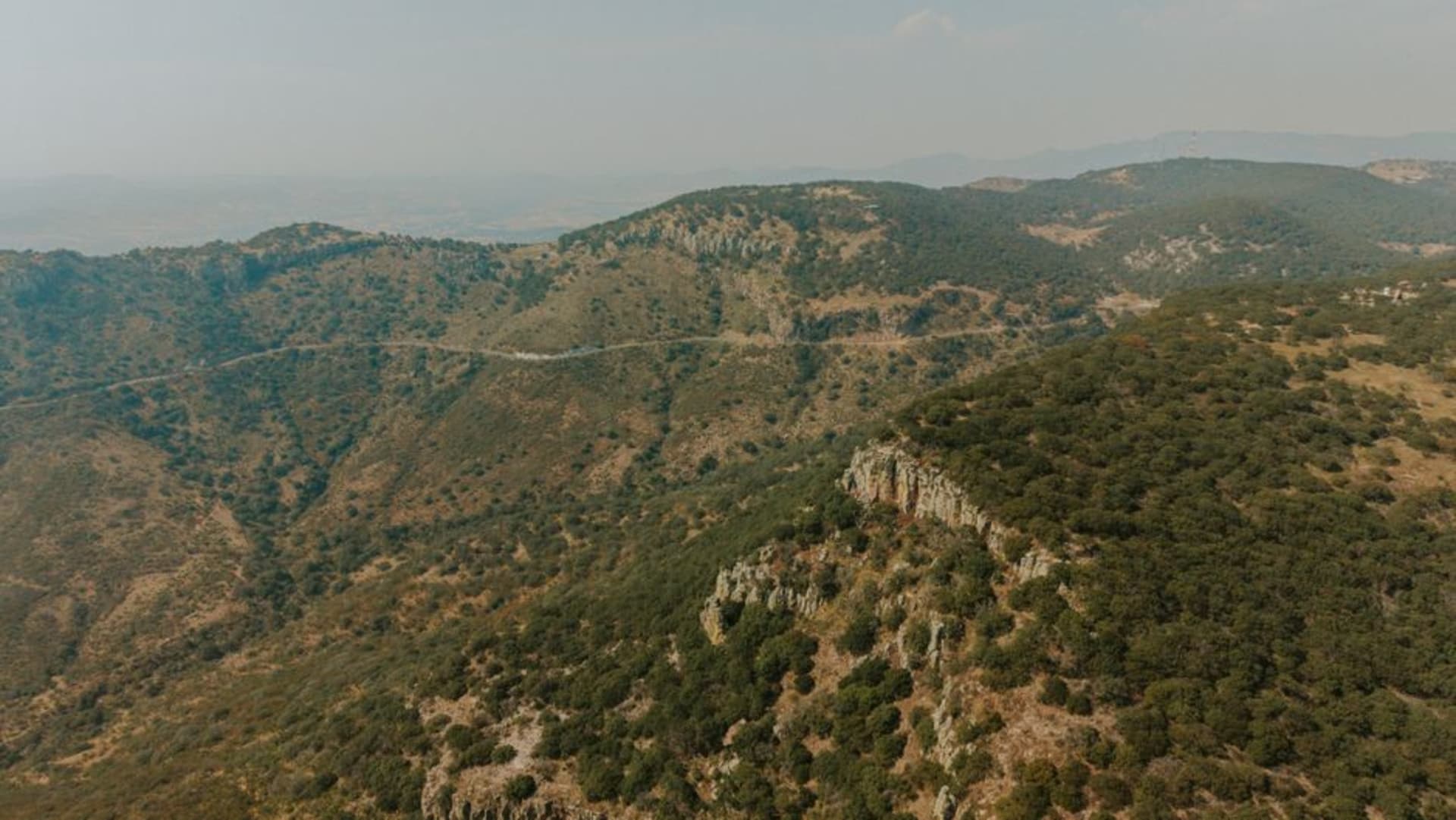
Santa Catarina
"I asked what there was to do here. A man thought about it, then said: nothing. He smiled when he said it."
I nearly drove straight through Santa Catarina without noticing I’d arrived. It’s that kind of place — a handful of streets in the dry hills of northeastern Guanajuato, a plaza, a church, and then you’re out the other side and back among the cactus before you’ve registered that there was a town at all. I only stopped because I saw an old woman selling something from a bucket in the shade of the church wall, and I have a rule about stopping for old women selling things from buckets. It was tunas — prickly pear fruit — peeled and cool, and she charged me almost nothing and told me to sit in the shade while I ate them, which I did.
This is about as far off the map as Guanajuato gets. People come to the state for Guanajuato city and San Miguel; they do not come for Santa Catarina, and most have never heard of it. I’d found it as a name on a map and a vague description of dry sierra and ranching, and I’d come precisely because there was nothing to come for. After a few years here I’ve developed an appetite for the towns that offer you nothing but themselves.
Semi-Desert Hills
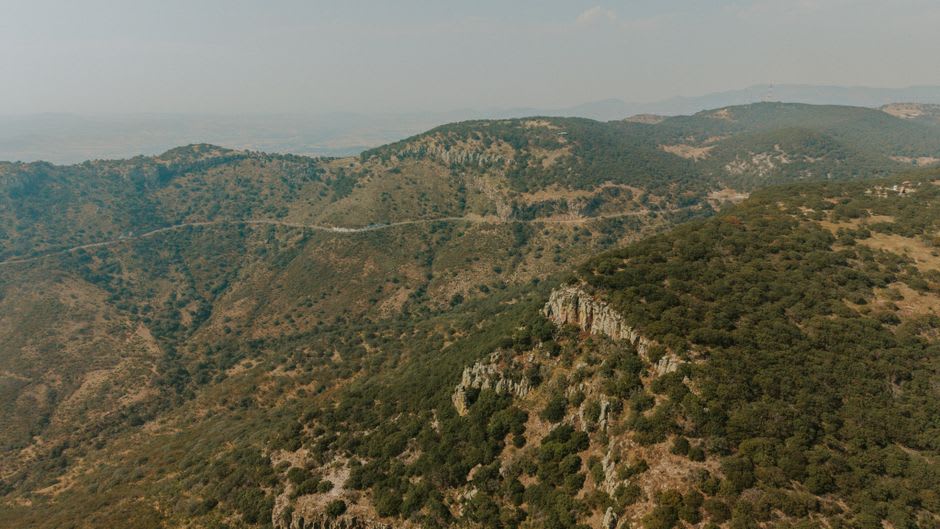
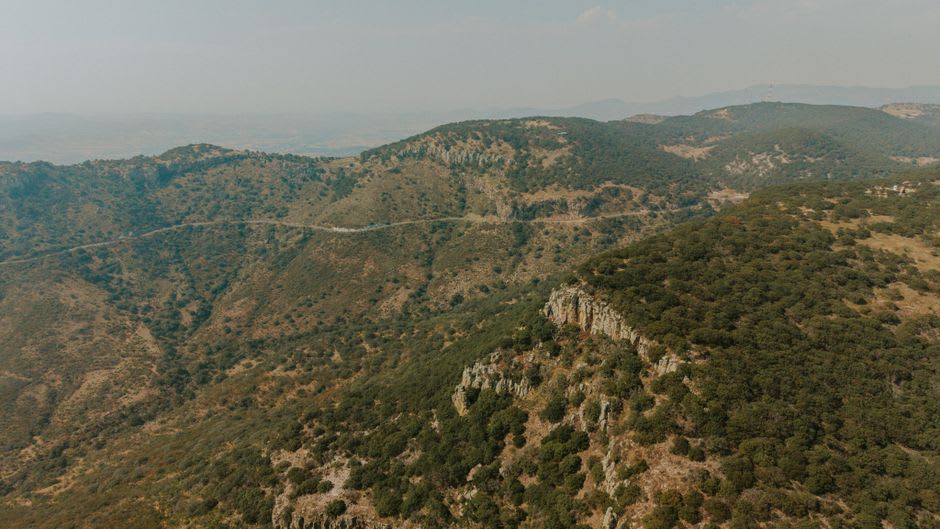
The country around Santa Catarina is the dry, spare kind — semi-desert climbing toward sierra, all cactus and thorn scrub and pale rock, the hills low and folded and the color of a lion. It’s the sort of landscape that looks empty until you slow down and it isn’t: lizards on the warm stones, a roadrunner crossing the track with that ridiculous urgent walk, hawks turning overhead, the nopales heavy with fruit in the season I happened to catch. I walked a dirt road out of town for an hour and met nobody, which out here is not loneliness so much as spaciousness.
The dryness gives everything a clarity. Distances read cleanly, the air doesn’t blur, and the silence is total enough that I could hear my own footsteps crunching and, once, the astonishing racket of a single cicada winding up in a mesquite. I sat on a rock and ate the last of the tunas and thought about nothing in particular, which is increasingly the reason I drive to places like this.
The Plaza and the Church
The heart of Santa Catarina is its small plaza and the old church that presides over it — modest, weathered, the kind of country church that has been quietly doing its job for a very long time without any interest in impressing anyone. I went inside out of the heat and it was cool and dim and smelled of candle wax and old wood, a few pews, a woman kneeling near the front who didn’t look up. There’s a particular peace to these unglamorous village churches, more than in the grand ones. Nobody’s photographing them. They’re just being used.
Outside, the plaza was the whole social life of the town compressed into a few square meters of shade: some men on a bench not saying much, kids using the low church wall as a climbing frame, a dog asleep in the exact center of the road with total confidence that no car would trouble it. I bought a soda from a tiny shop and joined the men on the bench without invitation, and after a respectful silence one of them asked where I was from, and that was that. We talked about the drought, of course. Out here it’s always the drought.
Ranching Country
Santa Catarina lives, as it always has, off the land around it — thin ranching in poor dry country, goats and cattle worked out of the surrounding parcels, the slow economy of a place that isn’t going to boom and knows it. I watched a man drive a small herd of goats down the main street toward evening, unhurried, the goats knowing the way better than he did, and it could have been any decade of the last two hundred years. There’s a continuity here that’s become rare, a town doing more or less what it has always done, at more or less the same pace.
I don’t want to romanticize it — dry-country ranching is hard, and the young people leave, and everyone I spoke to had a son or a nephew in the north. But there’s something in the durability of a place like this that I find steadying. It persists. The goats come down the street at dusk. The church holds. The tunas ripen. And once in a very long while a Frenchman drives through and is glad he stopped.
Getting There
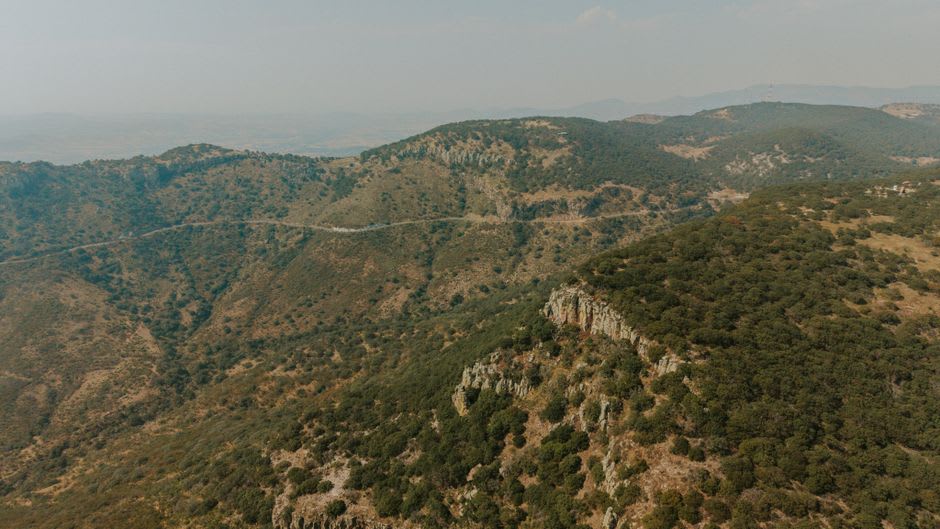
Santa Catarina is one of the harder Guanajuato towns to reach on purpose — a small settlement in the dry sierra of the state’s northeast, best approached by car along the rural roads that thread up from the Bajío or across from the neighboring highlands. There is little in the way of formal accommodation, so most travelers visit as a slow detour rather than a destination, and rural bus service is sparse. Bring water, bring time, and treat the emptiness as the attraction. Almost nobody comes here, which is the single best reason to.