León
"Sixty percent of Mexico's leather footwear is made within twenty kilometers of where I was standing. I found this out after I had already bought two pairs of boots."
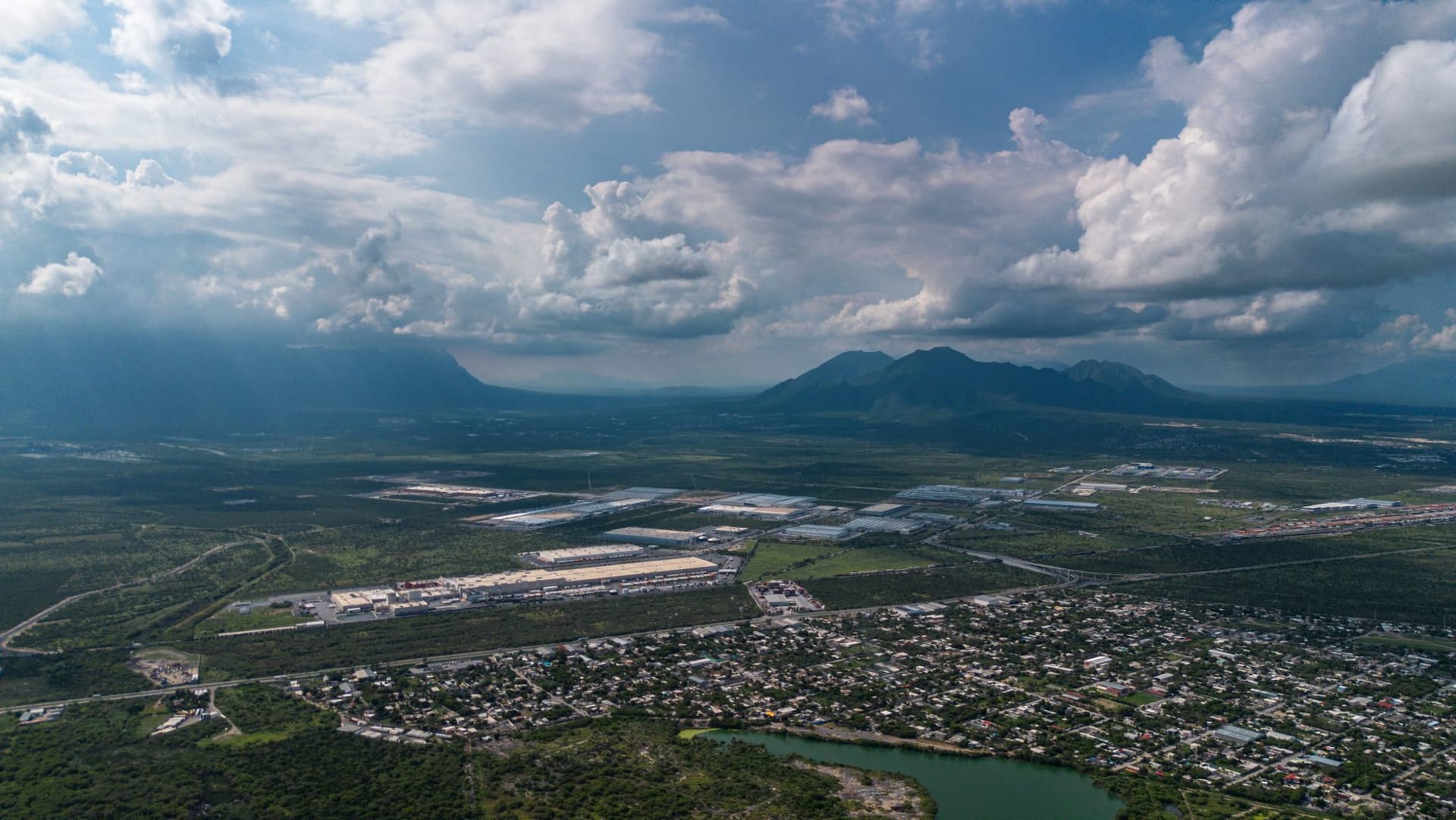
I came to León to buy boots. This is the correct reason to come to León and I want to be honest about it: the city is not marketed as a cultural destination and does not position itself as one. It is a working industrial city in the Bajío, Mexico’s industrial heartland, and the industry it does is leather.
Sixty percent of Mexico’s leather footwear production comes from the León metropolitan area. The city also produces a substantial portion of Mexico’s leather goods more broadly — belts, bags, wallets, upholstery, saddles, equestrian equipment. This is not a heritage craft economy surviving into modernity; it is a live industrial economy with factories, logistics networks, and export markets. The difference matters.
The Plaza del Zapato and How Markets Work
The Plaza del Zapato — the shoe plaza — is the retail face of this economy, a market district in central León where hundreds of stalls and small shops sell leather goods from the factories that made them, at prices that correspond to actual production costs rather than to what the market will bear in San Miguel de Allende or Mexico City.
The experience of shopping here is not curated. The stalls are dense, the inventory is enormous, the vendors range from indifferent to actively persuasive, and the organizational logic of what is sold where is not immediately apparent. I spent forty minutes in one section that appeared to specialize in work boots before I understood that the adjacent section sold identical boots at different price points, and then another twenty minutes figuring out why the price difference existed before concluding that I didn’t need to know.
A hand-tooled leather belt here costs what a machine-stitched version costs in the tourist markets of Oaxaca. A pair of decent dress boots — leather upper, leather sole, proper construction — costs perhaps a third of what the same quality commands in a boutique in Colonia Roma. This is not because the León boots are inferior. It is because there is no markup for ambiance.

The Zona Piel: Walking the Working City
The Zona Piel — the leather district, the industrial heart of the economy — is not a tourist attraction. It is a working neighborhood of warehouses, tanneries, component suppliers, and small factories. Men push hand trucks loaded with cut leather. Trucks back into loading docks. The smell is immediate: hide, chemicals, machine oil, the particular dry scent of unfinished leather.
Walking through it uninvited is possible and not actively discouraged in my experience — I was politely ignored, which is the correct response to an obviously foreign man wandering through a warehouse district with a daypack. What I understood walking through it was the industrial depth of what I had been buying. The belt I bought at the Plaza del Zapato had not arrived there from a warehouse somewhere else. It had been made within a few kilometers of where I was standing.
This is not a minor thing. It is increasingly a rare thing.
The city around the leather economy is a large Mexican industrial city with the corresponding texture: busy commercial streets, a historic center that is modest by Guanajuato-state standards — Guanajuato City and San Miguel set a difficult bar — and the Explora science museum that everyone who mentions León in passing mentions as unexpectedly excellent. I confirm this without fully understanding why it surprises people, unless it is simply that they arrived expecting nothing.
Getting There and Being Practical
León’s airport, the Guanajuato International Airport technically in Silao twenty minutes away, is one of the better-connected airports in central Mexico, with flights from multiple US cities and from Mexico City. By bus from Mexico City it is roughly four hours. From Guanajuato City it is about 45 minutes.

Allocate more time than you think you need for the Plaza del Zapato. Two hours will feel adequate when you arrive and insufficient when you leave. The stall layout rewards systematic walking rather than navigation by intuition. Bring cash; many vendors prefer it and some require it. Know your shoe size in Mexican sizing before you go, or be prepared to spend some of your time converting it on your phone while someone watches you do arithmetic.