
Dolores Hidalgo
"The bell rang at midnight. Hidalgo had about a thousand people with him — farmers, miners, the indigenous poor. By the time he reached Guanajuato he had 20,000."
On September 15, 1810, at approximately eleven o’clock at night, the parish priest of Dolores — Miguel Hidalgo y Costilla — rang the bell of his church and called the town to the plaza. What he said to the crowd that gathered is not definitively recorded; the reenactment that every Mexican president performs at the same hour on September 15th every year, from the balcony of the National Palace in Mexico City, is a constructed version assembled in the decades after the event. What is known: Hidalgo called for an end to Spanish colonial rule, the crowd responded, and the Mexican War of Independence began that night in this plaza in the Guanajuato highlands.
The town is now officially named Dolores Hidalgo Cuna de la Independencia Nacional — “Dolores Hidalgo, Cradle of National Independence.” Every Mexican schoolchild learns the name. Surprisingly few visit.
The Grito and the Parish Church
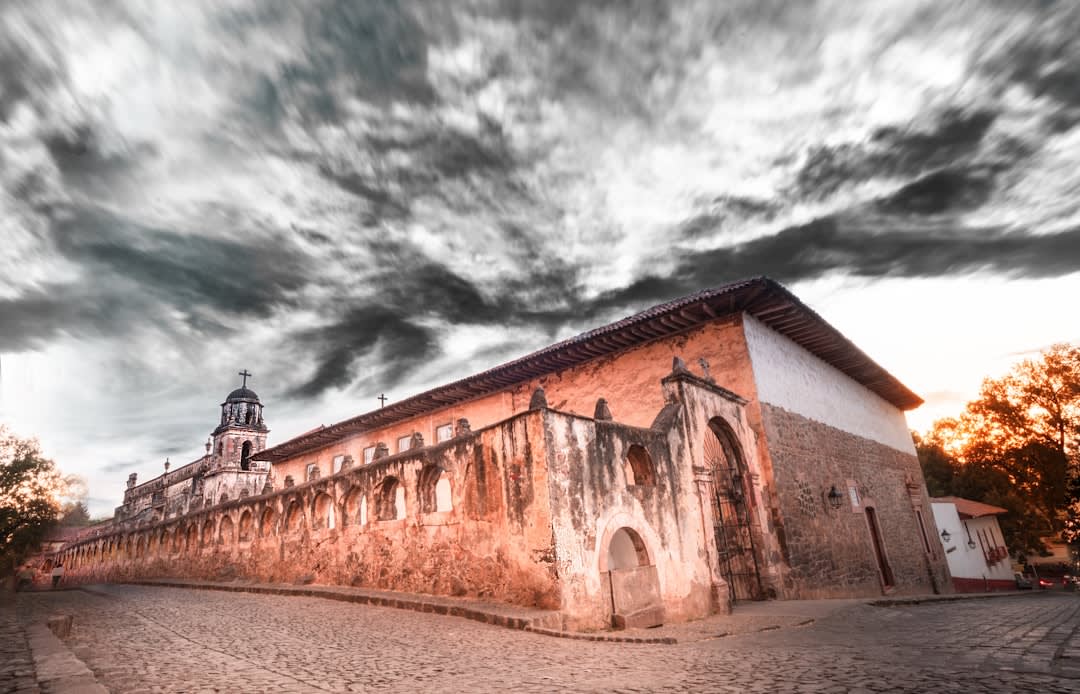
The Parroquia de Nuestra Señora de los Dolores — the church where Hidalgo was parish priest and from whose bell tower the Grito was rung — is the most politically charged religious building in Mexico. The church dates from the early 18th century; the Churrigueresque facade is one of the finest in the Bajío region, pink cantera stone carved in the full vocabulary of Mexican late baroque.
The bell that Hidalgo rang on September 15, 1810 — or a bell widely accepted to be the original — is in the National Palace in Mexico City, installed above the central balcony where presidents perform the annual reenactment. The current bell in the Dolores Hidalgo tower is a replica. The symbolic weight is the same.
The Museo Casa de Hidalgo — two blocks from the main plaza, in the house where Hidalgo lived before the independence movement — contains the furniture, documents, and personal effects of the priest who became the father of the nation. The house is modest: a working parish priest’s residence in a provincial town. The objects are interesting less as historical artifacts (most are period-appropriate reproductions or pieces of uncertain provenance) than as a portrait of the social position from which the independence movement emerged — an educated creole clergy that was simultaneously inside the colonial system and profoundly alienated from it.
The Talavera Tiles and the Market
Dolores Hidalgo is the second center of Talavera-style ceramic production in Mexico after Puebla, and the town’s market and surrounding workshops produce a version of the form that is distinguishable from the Puebla original by its color palette (more turquoise and yellow, less blue and white) and its slightly more vernacular decorative vocabulary.
The Sunday market on the main plaza is organized around the Talavera vendors and the food stalls. The ceramics sold here range from the commercial (mass-produced tiles sold by the piece for bathroom renovations) to the artisanal (hand-painted pieces from the family workshops that still use the traditional lead-free glaze techniques). The workshops in the streets around the market allow visits and sales directly from the production floor.
The Ice Cream
Dolores Hidalgo’s ice cream is a phenomenon that requires mention not because it is architecturally significant or historically interesting but because it is genuinely extraordinary and very strange. The town has been producing ice cream since the colonial period, and the current iteration involves flavors that reflect both that history and a willingness to experiment that has made the Dolores Hidalgo ice cream stalls nationally famous.
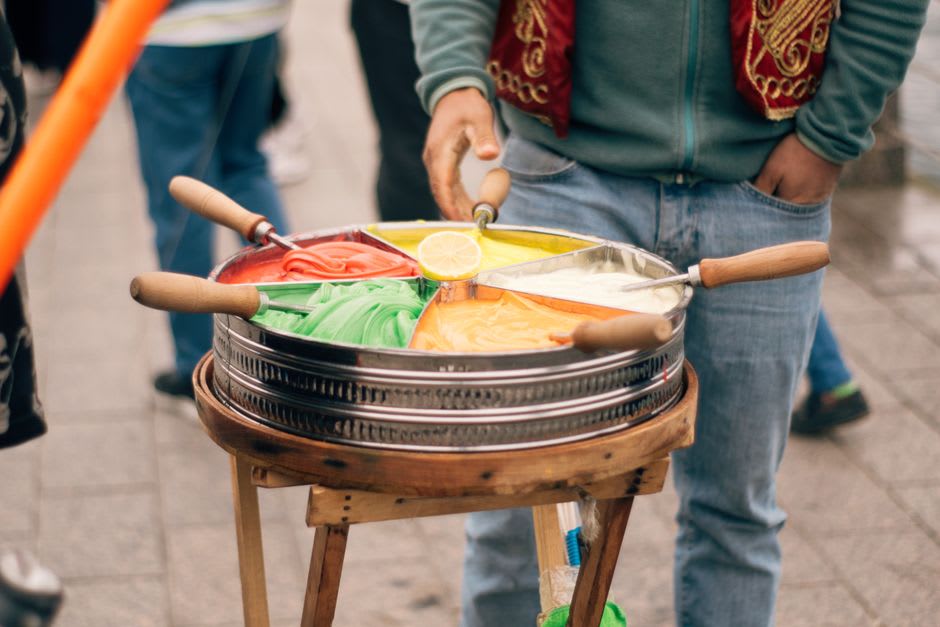
The nieve (ice cream) vendors around the main plaza sell flavors including: mole negro, shrimp cocktail, avocado, corn (elote), pulque, rose petal, chicharrón, and beer. The serious flavors — mole negro sorbet, avocado cream — are not novelties; they are well-made frozen preparations that use the ingredients seriously. The chicharrón ice cream is a challenge that I accepted and would not accept again.
The correct approach: one scoop of something sensible (the guava, the tejocote, the corn) and one scoop of something alarming (the shrimp, the mole, the pulque). The contrast clarifies what the Dolores Hidalgo ice cream tradition is doing — taking the full flavor vocabulary of Mexican food and applying it to a frozen form without irony.
Getting there: Buses from Guanajuato city (1h) or San Miguel de Allende (45 min). The town is easily combined with a Bajío circuit: Guanajuato, Dolores Hidalgo, San Miguel de Allende in a day or two. The historic center is walkable from the bus station.
When to go: September 15-16 for the Independence Day celebrations — the town becomes the focus of the national commemorations, with the governor of Guanajuato ringing the replica bell at midnight on the 15th. The rest of the year is calm, unhurried, and well-suited to a half-day stop between Guanajuato and San Miguel.