Xichú
"Two trovadores had been improvising against each other for three hours straight. The crowd wasn't restless — they were keeping close score of every rhyme."
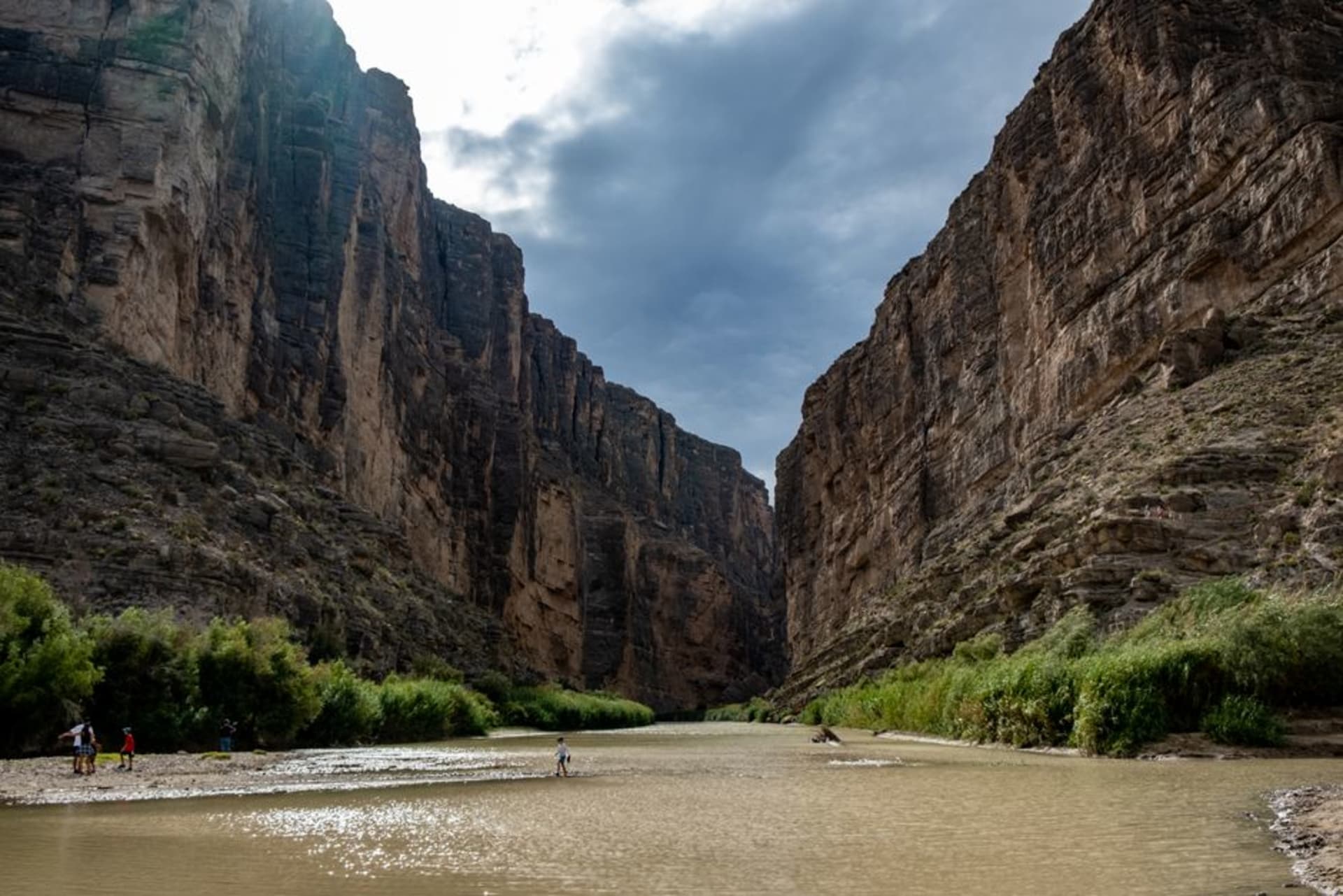
I arrived in Xichú on a January night, following the sound of a requinto through streets I hadn’t had time to learn. The town — five thousand people strung along the canyon floor — had reorganized itself around a stage in the central plaza, and the air smelled of wood smoke and gorditas frying somewhere just out of sight. Two trovadores were midway through what I eventually understood was a structured argument about honor, conducted in rhymed décimas, improvised on the spot. The crowd wasn’t watching the way you watch a concert. They were adjudicating.
An Argument in Verse, Running Until Dawn
The Festival del Huapango Arribeño happens every January, and it is one of the stranger things I’ve witnessed in Mexico — not because it’s dramatic in any obvious way, but because of how seriously everyone takes it. Pairs of trovadores face off in a form called controversia: each picks a philosophical or moral position and must defend it through improvised strophes while attacking the other’s argument, all within strict rhyme and meter. The audience knows the rules. A weak rhyme draws a visible reaction. A particularly sharp logical turn earns something approaching applause, though more restrained than that word suggests.
I stayed until nearly three in the morning and watched a man in his seventies systematically dismantle a younger trovador’s argument about loyalty through an extended metaphor involving corn cultivation on hillside milpa. Nobody explained the structure to me. I worked it out from the crowd’s faces.
What strikes you afterward is that this tradition — rooted in the specific landscape and economy of the Sierra Gorda — has survived not because anyone deliberately preserved it, but because Xichú simply didn’t become anything else. There are no tour operators selling huapango experiences. The festival exists for the people who have always attended it.
Into the Canyon
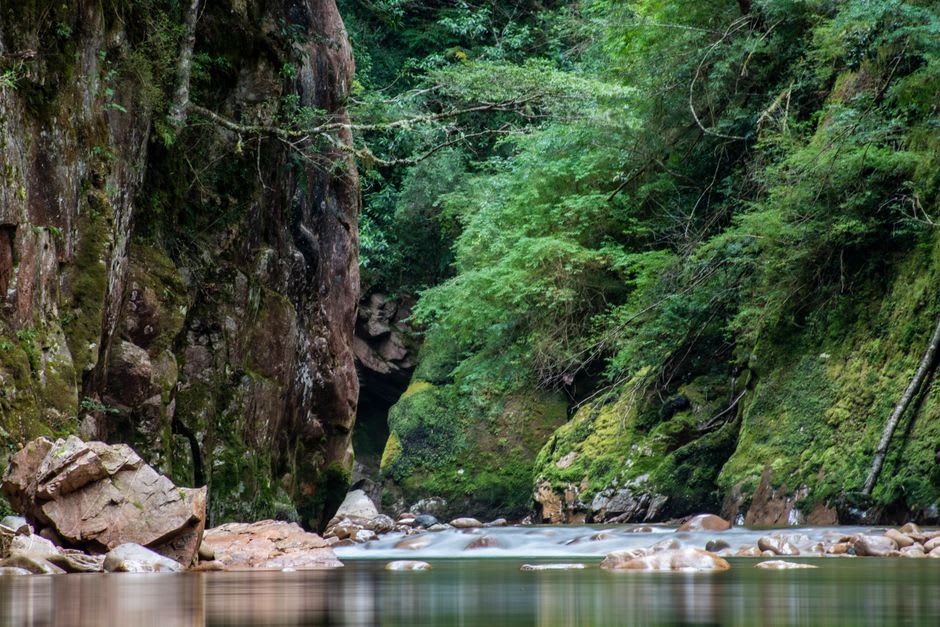
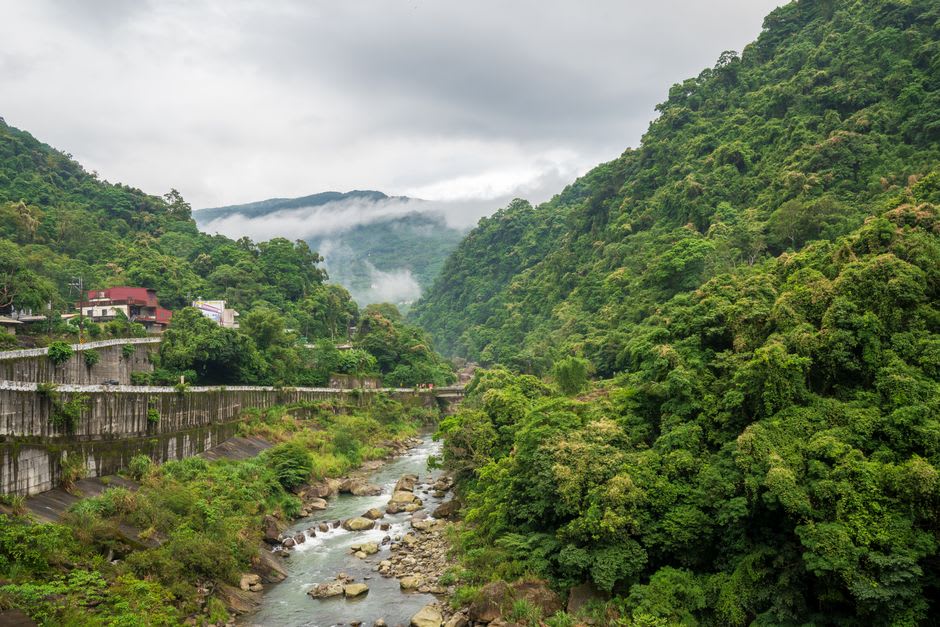
Outside January, the town empties back to itself, and the draw shifts from the plaza to the terrain surrounding it. The road that brought you in — a long descent through Sierra Gorda canyon country, single-lane in places with the river appearing through the trees below — is a preview of what the trails deliver. A few kilometers upstream from the centro, the Cascada El Salto drops into a basin that stays cold regardless of the season. The trail there is loose and unmarked, and on a Tuesday morning in early February I met no one.
The landscape sits in a transition zone between the drier upland mesa and the more humid canyon floor — a consequence of elevation and drainage that shows in the vegetation, which changes register every few hundred meters of descent. I kept stopping, not for anything specific, but because the light through the canyon walls at mid-morning hits differently than I expected from somewhere this far north in the country.
What Gets Cooked Here
The kitchen in Xichú runs on what the canyon and hillsides produce. River trout appears on most menus — fried whole or grilled over wood, served with handmade tortillas and a salsa verde that relies on tomate de milpa rather than the hothouse variety. Dried chiles (ancho, guajillo, and a local pasilla variant I hadn’t encountered before) show up in caldos that are direct rather than layered, built for altitude and appetite rather than complexity.
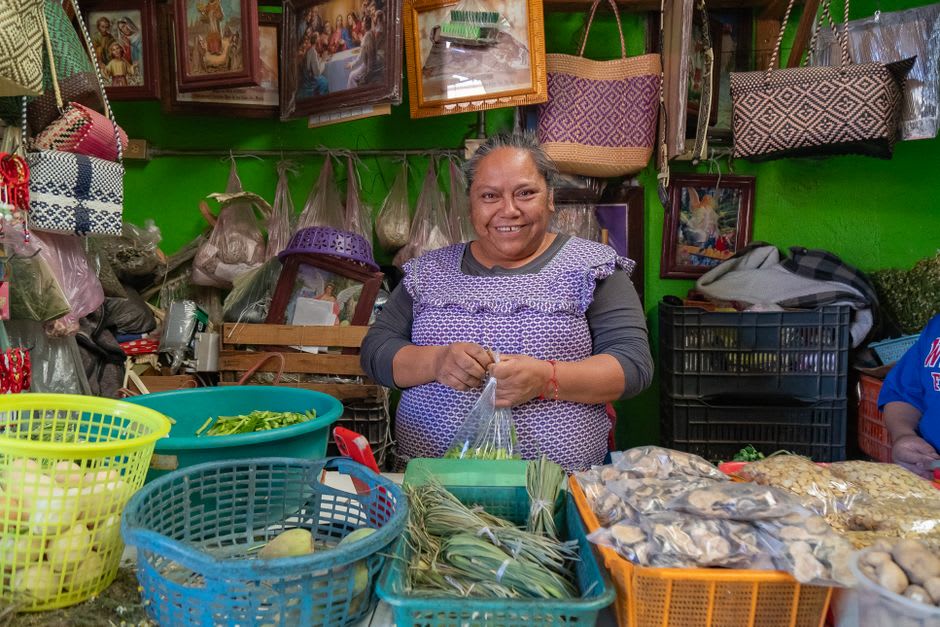
At the weekend market, women sell tortillas made from criollo corn grown on the slopes above town — denser and with a flavor that carries through. I ate two meals at a comedor with no sign on Calle Hidalgo: sopa de lima, trucha, and a flan that was better than it had any reason to be. Sixty pesos for the full plate. The kind of place that operates on the assumption that anyone who shows up already knows what they’re there for.
Getting There
The nearest hub is San Luis de la Paz, roughly 90 kilometers to the northwest — about an hour and a half by car on winding sierra roads. Bus service runs from San Luis de la Paz to Xichú, but frequency drops sharply on weekdays. January is the obvious time to visit for the festival; February and March offer cooler temperatures and better trail conditions without the crowd. Come with cash and a full tank.