Victoria
"The road to Victoria keeps insisting you turn back. Ignore it. That's the whole point."
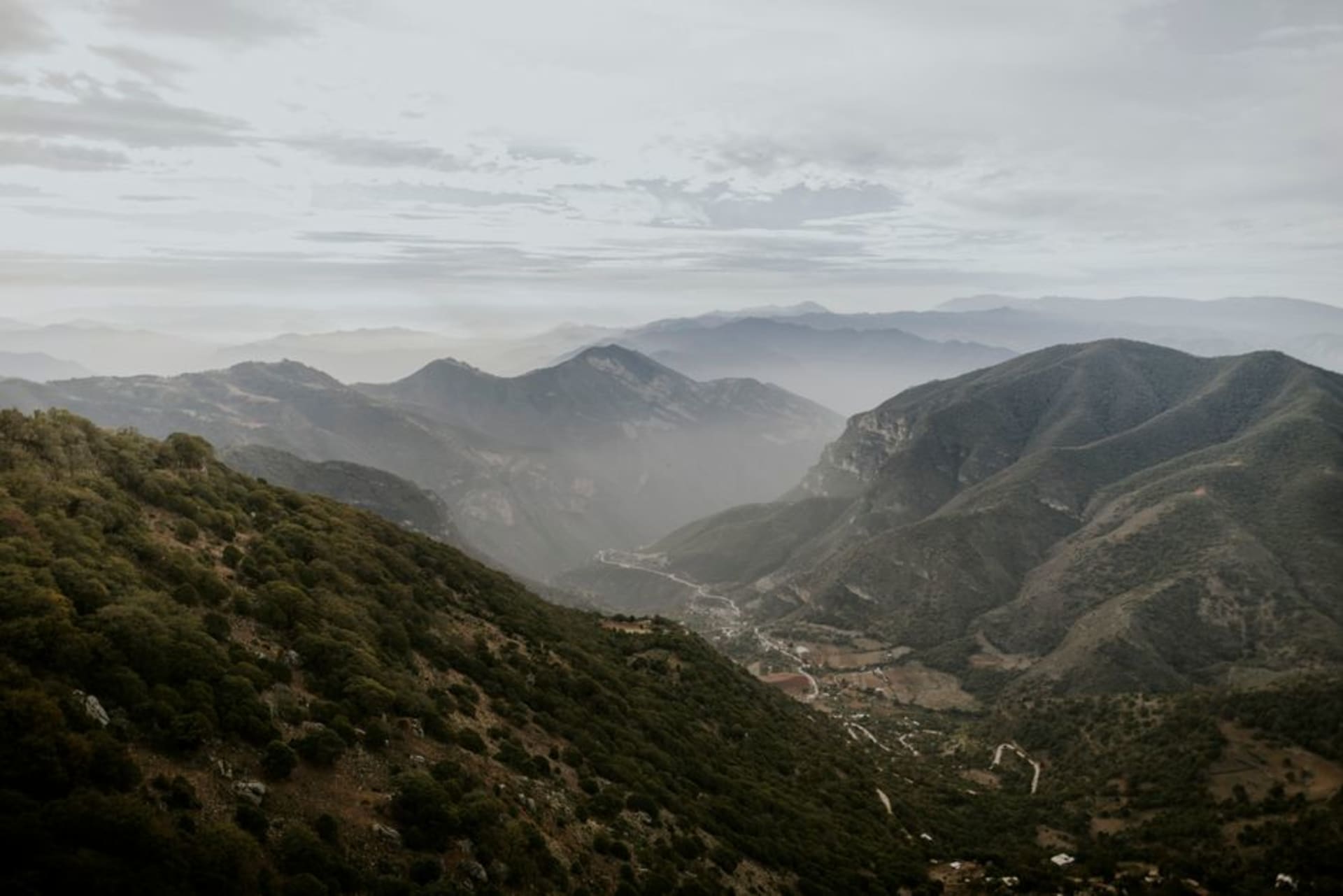
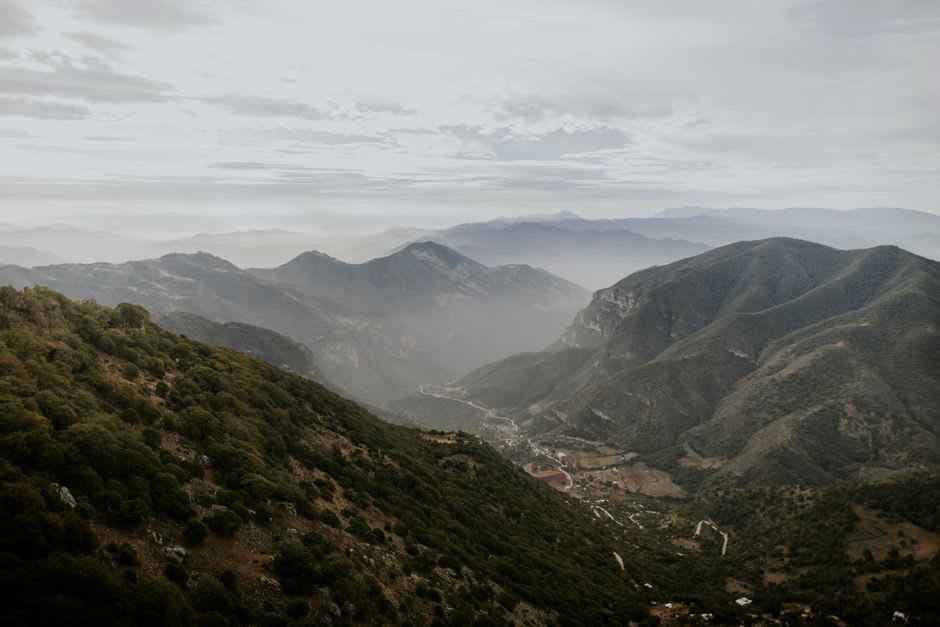
The road into Victoria is a series of arguments the mountain has with you. It climbs, it doubles back on itself, it clings to the side of a barranca with a drop that made my passenger — a friend visiting from Marseille who does not love heights — go very quiet and grip the door handle in a way he later denied. Every few kilometers there’s a wooden cross by the roadside, and you understand exactly why. By the time we finally dropped into the town, folded into its green valley in the Sierra Gorda, I felt like we’d earned the right to be there.
I’d wanted to see this corner of Guanajuato for a long time. Everyone thinks they know the state — the colonial cities, the silver, the guitars — and almost nobody thinks of this: the far northeastern mountains, the Sierra Gorda proper, where Guanajuato stops being a postcard and becomes something wilder and steeper and considerably harder to reach. Victoria is deep in it, and getting there is not incidental. Getting there is the experience.
The Barrancas
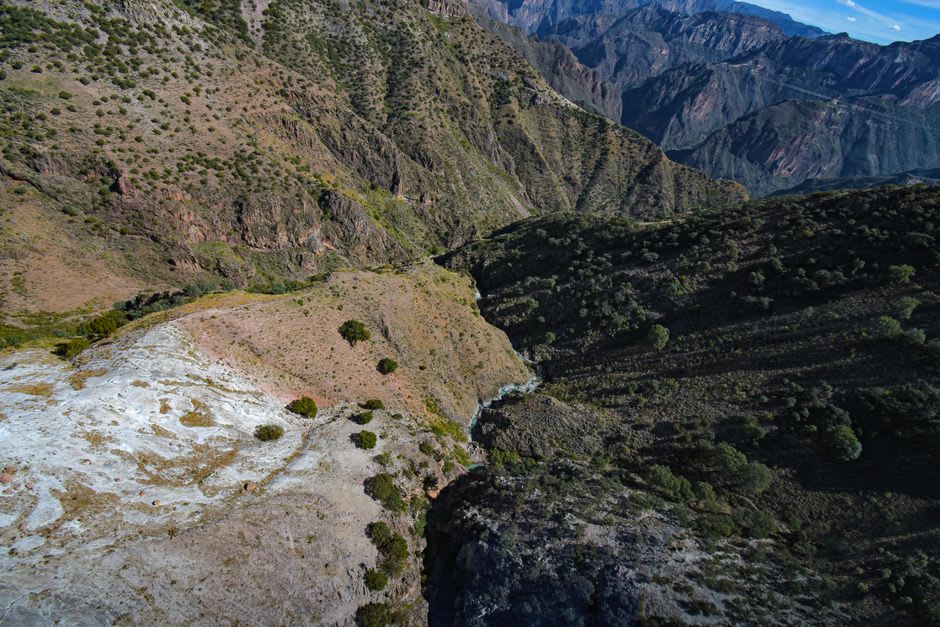
The land around Victoria is all vertical. This is the Sierra Gorda, one of the most rugged mountain systems in central Mexico, and the municipality is a knot of deep canyons — barrancas — with rivers running green at the bottom and oak and pine holding the ridges above. I stood at a lookout the first morning where the ground simply ended and fell away, layer after layer of blue-green ridgeline receding into haze, a hawk riding the thermals somewhere below me rather than above. It rearranges your sense of scale. You feel small in the good way, the way that quiets the noise in your head.
Down in the barrancas it’s a different world from the ridges — warmer, wetter, greener, the vegetation thickening toward something almost subtropical where the rivers run. The transition happens fast, over a few hundred vertical meters, and it’s why this whole sierra is so biologically strange and rich. I kept stopping the car to just look.
The River and the Reservoir
There’s water here, which surprises people who only know Guanajuato as dry Bajío country. Rivers cut the canyon floors and there’s a reservoir gathered behind a dam, a flat sheet of green-brown water held between steep hills — an unlikely thing to find after all that climbing. I drove down to it one afternoon and found a couple of men fishing off the rocks with hand lines, in no hurry, a radio playing ranchera from a truck cab. One of them, without my asking, told me the water was lower than it used to be and higher than last year, delivered as pure fact, and then went back to his line.
I walked the shore for a while. The reservoir has that stillness that man-made lakes get in remote places, half-peaceful and half-eerie, the drowned valley somewhere underneath. Swallows worked the surface. The hills came straight down to the waterline. I sat until the light went long and gold and the fishermen packed up without a word and rattled off up the dirt track.
The Town Far From Anywhere
Victoria the town is small and self-contained the way remote mountain towns have to be, sitting in its valley with a modest plaza and streets that climb the slope at angles that must be brutal in the rain. What struck me was how complete it felt despite the isolation — its own rhythm, its own faces, nobody performing anything for outsiders because outsiders essentially don’t come. I ate at a comedor off the plaza where the woman cooking asked, genuinely curious rather than suspicious, what had brought me all the way up here. When I said I just wanted to see it, she seemed to accept that as a reasonable answer, which not everyone would.
There’s a particular pride to towns this far from the main roads. People choose to stay, or their families never left, and there’s a rootedness you don’t feel in more connected places. In the evening the plaza filled with the low sociability of a town where everyone knows everyone, and I sat at the edge of it feeling pleasantly like the only stranger for fifty kilometers, which I probably was.
Getting There
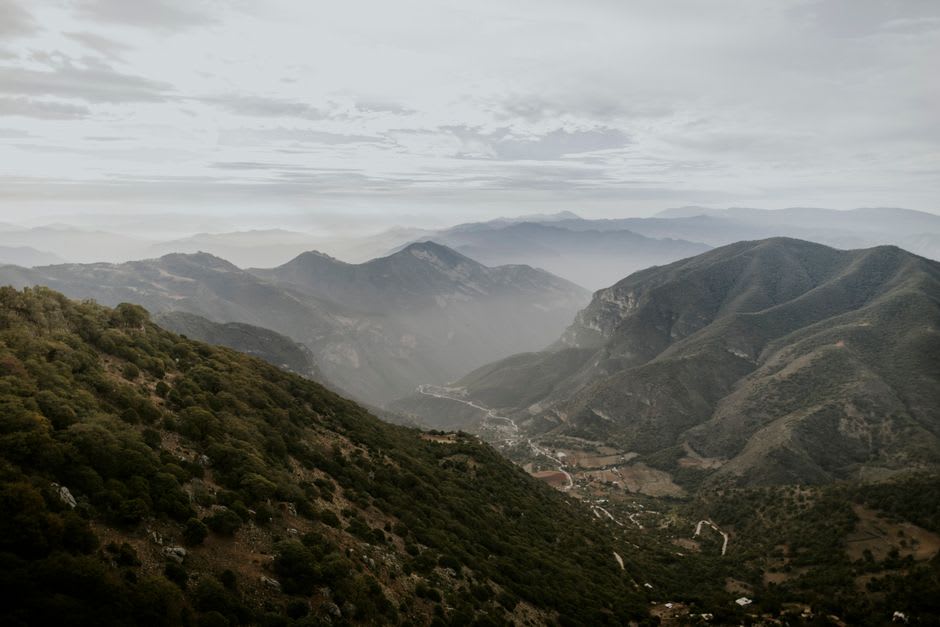
Victoria lies in the far northeastern Sierra Gorda of Guanajuato, and reaching it is a genuine mountain drive — winding, slow, and spectacular. Most people come by car from the Bajío cities via the highways that climb northeast into the sierra, or from the Querétaro side, which shares this mountain range. Allow far more time than the distance suggests; the road does not permit hurry. Rural buses connect the town to larger centers but run infrequently. Come with a full tank, a head for switchbacks, and no fixed schedule — the reward is a Guanajuato almost no traveler ever sees.