Celaya
"Everyone drives through Celaya on the way to San Miguel. I took the exit once and ended up eating cajeta straight from the jar in a 300-year-old plaza, wondering what else I had been skipping."
I took the Celaya exit somewhere between Querétaro and Guanajuato city because I needed to stretch my legs and the sign said centro histórico. That was three hours before I had planned to arrive anywhere. By the time I made it back to the car, the afternoon light had gone orange and I had a glass jar of cajeta tucked under my arm like a secret. Celaya does that — it keeps you. The trick is knowing it exists as a place you could actually stop, rather than a name on a highway sign you read at 120 kilometers an hour and immediately forget.
The Two Churches Nobody Argues About
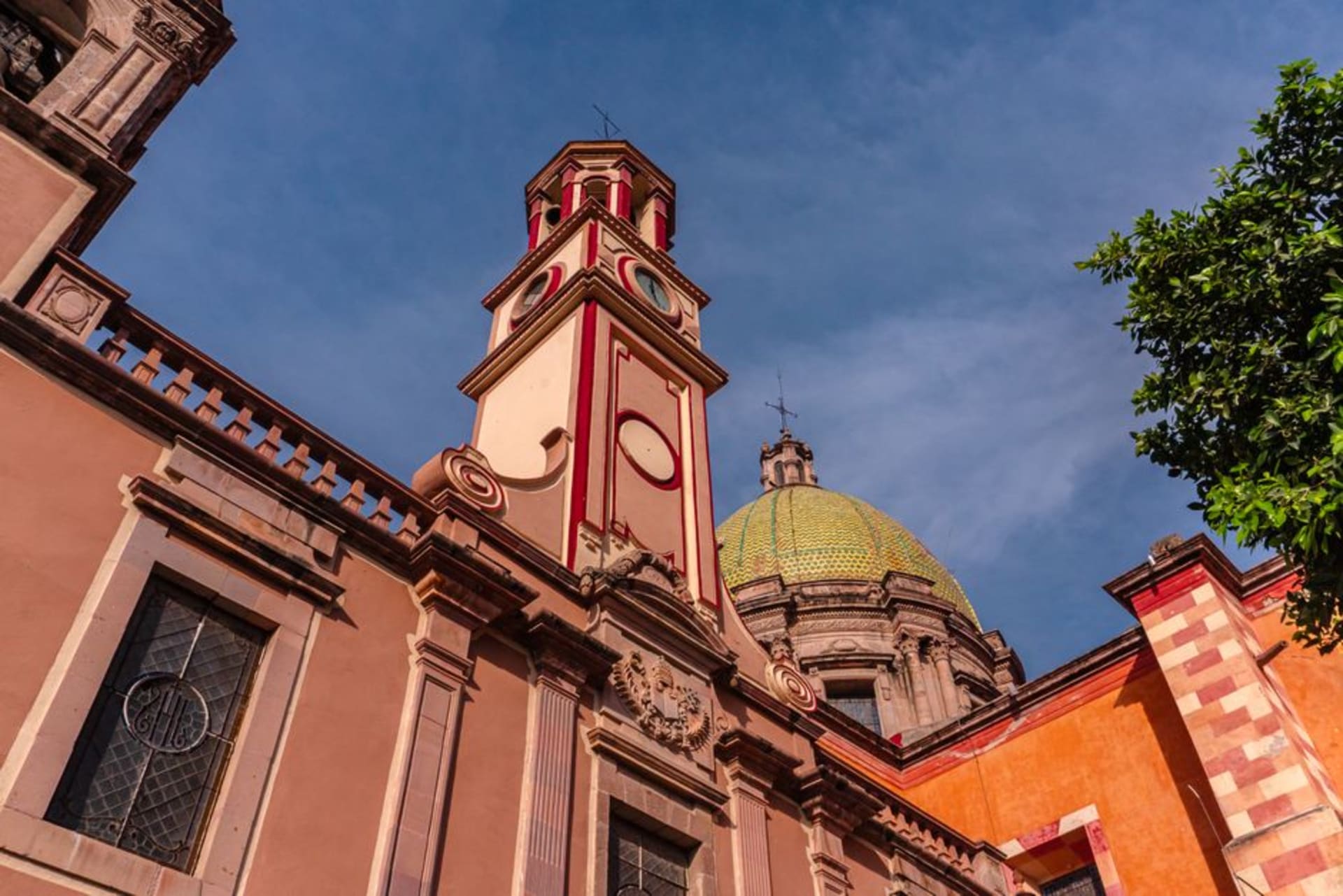
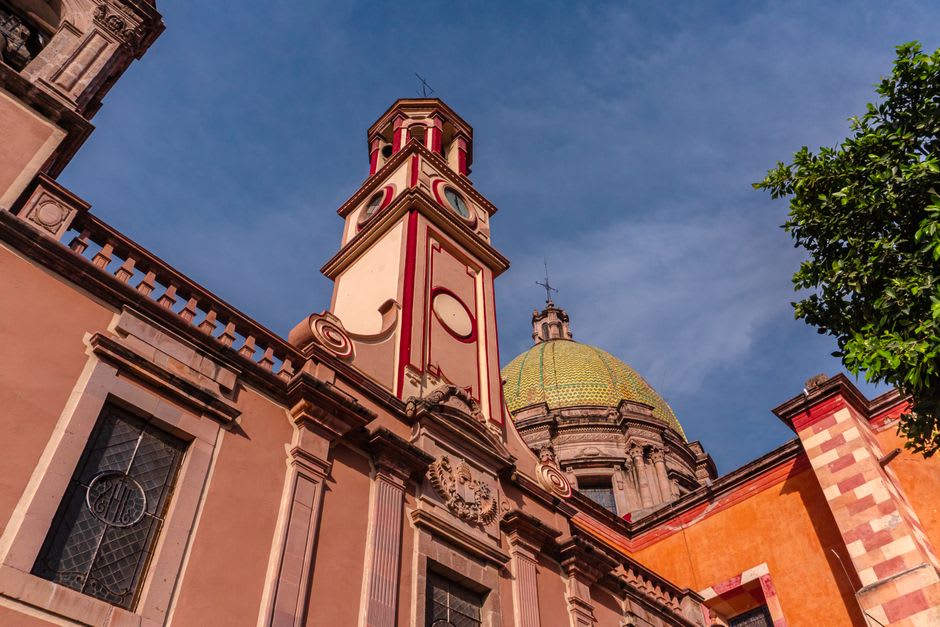
Celaya has two churches that would anchor any city’s identity, and here they exist within a few minutes’ walk of each other, largely unbothered. The Templo del Carmen, completed in the early nineteenth century by Francisco Eduardo Tresguerras — a Celaya native who designed, built, and decorated it himself — is one of the cleanest examples of Mexican neoclassicism I’ve stood inside. The dome is the thing: pale ochre on the outside, soaring and luminous once you’re in the nave, with a restraint that reads almost French. Then you walk south and find the Templo de San Francisco, which operates on an entirely different logic — baroque to its bones, the facade layered and dense in the way that Churrigueresque ornament always makes me feel slightly overwhelmed in the best sense. Both churches empty out after morning Mass. I arrived around eleven and had the Carmen almost to myself, just an older woman sweeping near the transept and the sound of street traffic muted by stone walls two feet thick.
Cajeta Is the Whole Reason
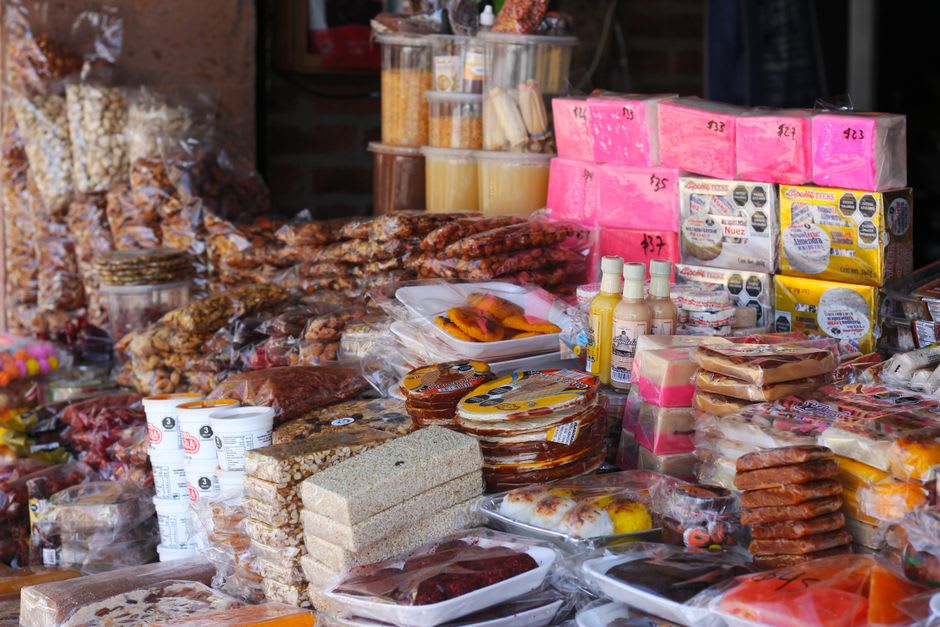
Celaya is Mexico’s cajeta capital and takes that designation seriously. The goat-milk caramel has been made here since the colonial period, slow-cooked in flat copper cazos until it reaches the specific amber thickness that distinguishes the real thing from the tourist-shelf version. The family operations clustered near the Mercado Hidalgo sell it in wooden boxes, glass jars, and, if you ask, straight from the spoon. La Guanajuatense and Dulces Celaya are the names you hear most, but I’ve had better luck wandering the market stalls where vendors will tell you which batch came in that week and which workshop made it. I ate mine with a torn piece of telera from a bakery on Calle Obregón, sitting on the steps of the jardín at around noon, the sun high enough that the plaza was nearly empty. It was excessive and exactly right.
How to Actually Use the Afternoon
The jardín principal — officially the Plaza de la Constitución — is where you orient yourself. The Palacio Municipal fills one side; the cathedral sits at the north end, more restrained than either Carmen or San Francisco and worth ten minutes of your time. Mornings belong to the market and the churches. By two in the afternoon the streets go quiet, shops pull down their gates, and there is a particular quality to the light hitting the arcade facades that I keep meaning to photograph and never do. Lunch is best at one of the fondas inside the Mercado Hidalgo — I had a bowl of caldo de res on my last visit that cost eighty pesos and occupied most of an hour.
Getting There
Celaya sits on the main Querétaro–Guanajuato corridor, about 55 kilometers from Querétaro (roughly 45 minutes by car) and 90 kilometers from Guanajuato city. Direct buses run from both cities through their respective central bus terminals. October through February is the most comfortable window — spring turns hot quickly. Street parking is easy near the jardín and most of the historic center is walkable in a half-day.