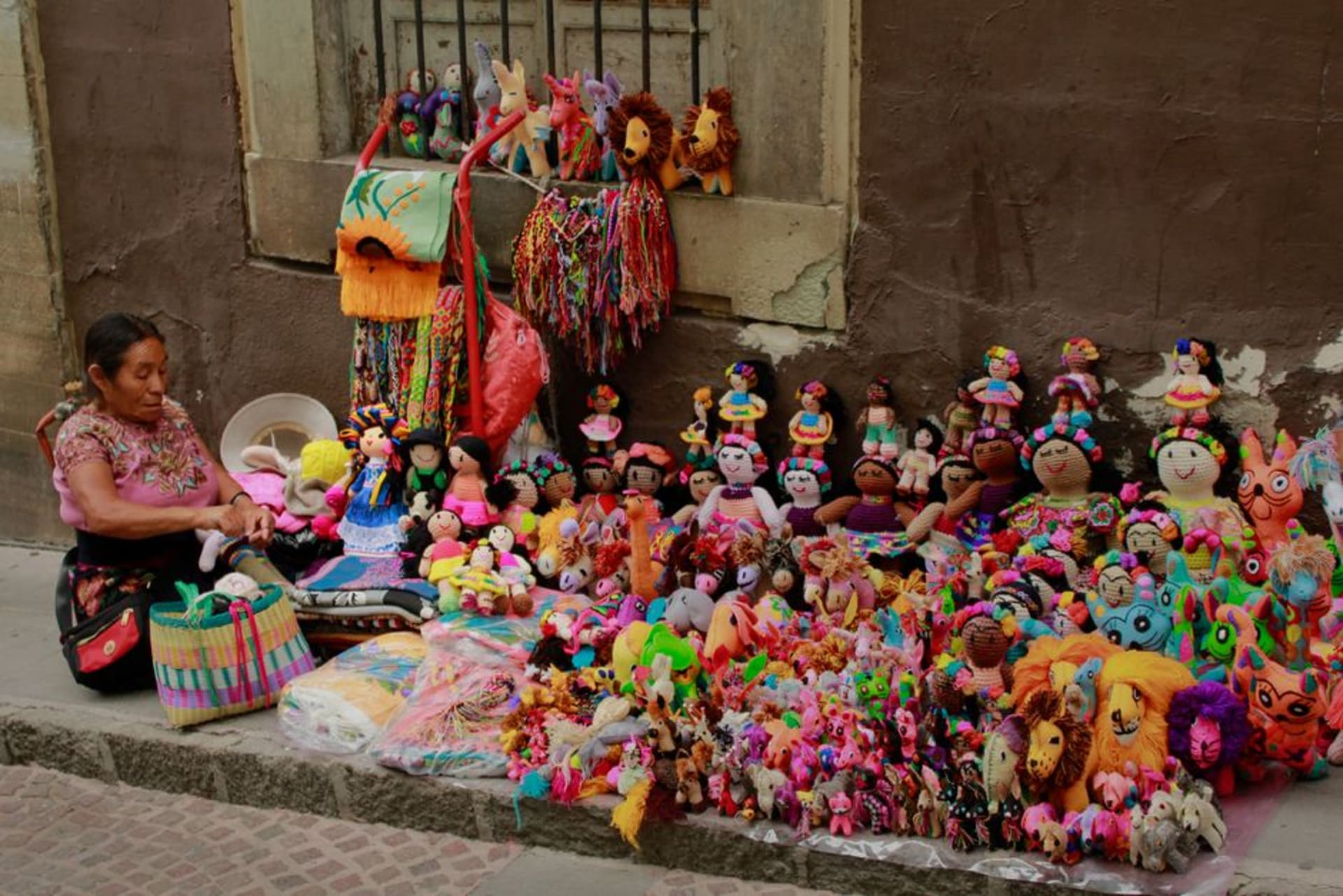
Uriangato
"Half of Mexico is wearing something that passed through Uriangato. The town would just like you to know that."
I did not intend to buy anything in Uriangato, which turned out to be as naive as walking into a bakery hungry. Within twenty minutes I was carrying two sweaters and a bag of socks I absolutely did not need, swept along a street where every single storefront sold clothing and the sellers called out prices like a chorus. A woman behind a table of knitwear watched me hesitate, sighed the sigh of a professional, and told me flatly that I would not find better wool at this price anywhere in the country. I believed her. Everyone in Uriangato says it, and the strange thing is they’re mostly right.
The Town That Clothes a Country
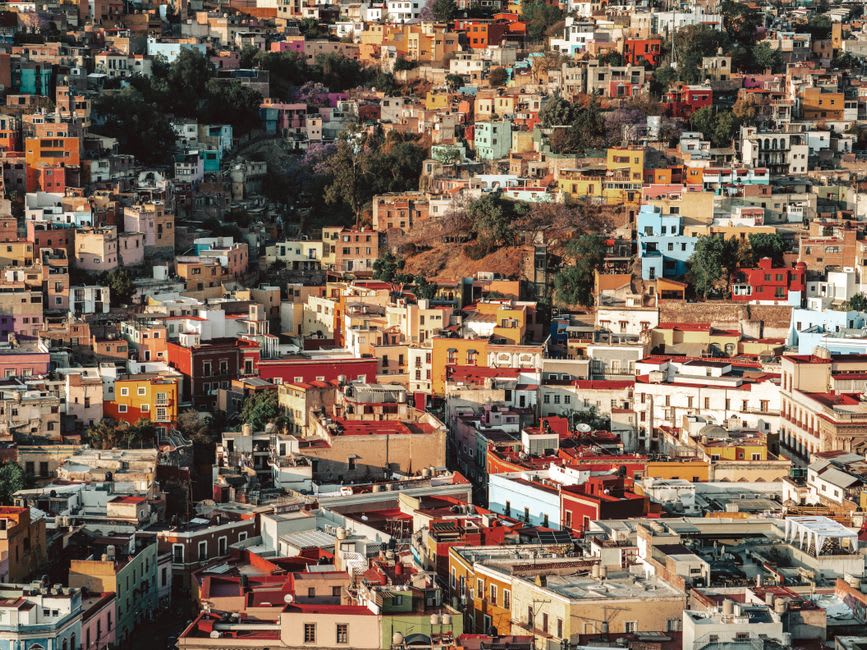
Uriangato clings to a hillside in southern Guanajuato, so close to Moroleón that the two towns have effectively fused into a single sprawling market — locals talk about them in one breath. What they’ve built here is remarkable: an enormous, self-organized textile and clothing economy that draws wholesale buyers from across Mexico, who arrive by the busload to fill suitcases and cargo vans with sweaters, socks, dresses, and knitwear to resell in their home states. Whole streets are given over to it, shop after shop, floor after floor, the merchandise spilling onto sidewalks under tarps. I walked the main commercial run on a Monday — supposedly the big buying day — and it was a controlled kind of chaos: handcarts, hand trucks, sellers shouting, buyers haggling in the shorthand of people who do this every week. It is not pretty in the postcard sense. It is alive in a way postcards never are.
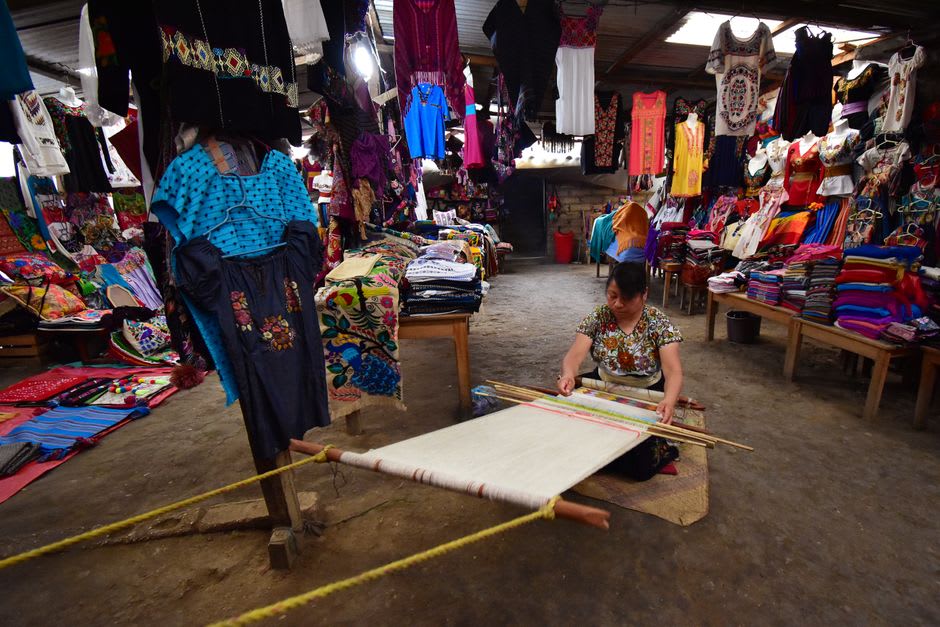
Wool, Looms, and the Machinery Underneath
Behind the storefronts is the making. Uriangato and Moroleón grew up on textiles, and much of what’s sold here is produced in the region — knitting workshops, small factories, family operations running machines late into the night. I got invited into one by a shopkeeper’s son who wanted to show off, and stood among rows of knitting machines clattering out sweater panels while a radio competed hopelessly with the noise. There’s real pride in it. The people here will tell you, correctly, that they don’t just sell clothing — they design it, knit it, cut it, and stitch it, and then they sell it too, and the entire chain lives inside a few square kilometers of hillside. Watching a plain cone of yarn become the front of a sweater in the space of a few minutes reorganized how I think about the cheap knitwear I’d bought without a second thought my whole life.
Toward the Lake Cuitzeo Country
For all its commercial noise, Uriangato sits at the edge of quieter land. Drop south and west and you come into the Lake Cuitzeo country that straddles the Guanajuato–Michoacán line — big shallow water, reeds, wading birds, and a light that goes soft and pink at the end of the day. I drove out one evening once the shops began pulling down their shutters, needing the contrast, and found the fields and the far shimmer of the lake an almost physical relief after hours of fluorescent-lit commerce. Back in town, the streets emptied fast; the market rhythm collapses at dusk into taquerías and families, and the same woman who’d sold me sweaters that morning was eating dinner at a stand, off the clock, entirely human. I bought tacos, sat two stools down, and we agreed the socks had been a good decision.
Getting There
Uriangato lies in southern Guanajuato near the Michoacán border, about an hour and a half from Celaya and a similar distance from Morelia. First-class and regional buses run to the Uriangato–Moroleón area from both cities, and the two towns are connected by a constant flow of local transport. From Mexico City, take a bus toward Morelia or Celaya and change for a regional connection; the ride runs roughly four to five hours in total. Come on a weekday if you want to see the market at full tilt, and bring more space in your bag than you think you’ll need.