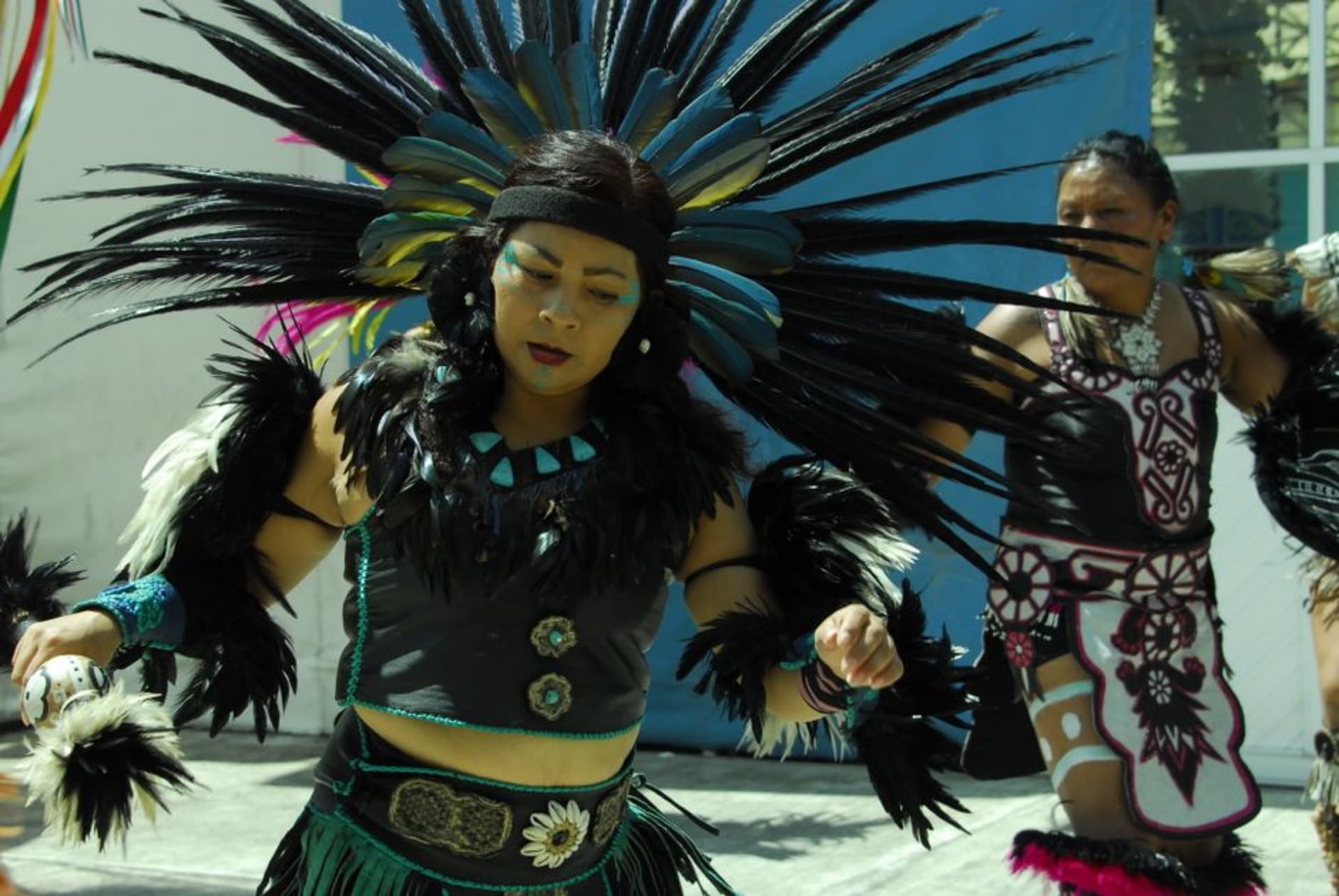
Navojoa
"The magic here is not in the city itself but in the circle of villages around it, where an older Mexico persists without apology."
Navojoa is a working agricultural hub in southern Sonora where the Mayo people have been farming the river valley for centuries. The city itself is plain and purposeful, but the surrounding pueblos hold one of the most compelling ceremonial calendars in northern Mexico, including the deer dance that unfolds each Semana Santa.

Nobody had recommended Navojoa as a destination. It came up at a roadside comedor outside Álamos — a man selling dried chiltepin told me, with the flat certainty of someone stating geography, that if I planned to be anywhere near the Mayo River in April I had no business skipping it. I took the bus north the following morning. Navojoa presents itself honestly from the highway: grain silos, irrigation canals, agricultural supply depots, the low flat architecture of a city that works for a living and has no interest in pretending otherwise. I liked it immediately.
The Deer Dance and the Mayo Ceremonial Calendar
The Mayo people — distinct from the Yaqui, though the two are often collapsed together by outsiders — have inhabited this river valley since long before the Spanish arrived to rename everything. Their ceremonial life didn’t stop when the missionaries came; it absorbed, negotiated, and persisted in forms that can look deceptively familiar until you pay attention. During Semana Santa, the pascola and matachín dancers appear in the communities ringing Navojoa — in Etchojoa, in Huatabampo, in the ejidos scattered along the Mayo River — and the deer dance, the Danza del Venado, runs for hours in the dust outside churches built on older sacred ground. I watched the maso move through a crowd of a few hundred people near a village I’d reached by collective taxi, the gourd rattle and the water drum setting a rhythm that felt genuinely ancient rather than staged. The Mayo dancers are not performing for visitors; they are completing an obligation. That distinction is everything.

Flour Tortillas and a Bowl of Caldo That Earned Its Keep
Navojoa’s Mercado Municipal, a few blocks east of the central plaza, is where the city’s agricultural identity becomes edible. The diet here is emphatically northern — flour tortillas, not corn, made thick and charred at the edges by women who move with the efficiency of long practice; carne asada sold by the kilo from butchers with opinions about the cut; chiltepin appearing in salsas that declare themselves on contact. I found a lunch counter with a hand-painted sign I couldn’t quite read and a woman who seemed mildly put out that I asked what the caldo was before ordering it. It was a caldo de res, deeply flavored, correct in every respect for a morning that had started cold on the highway shoulder waiting for the collective. The tortillas arrived in a cloth-wrapped stack. I didn’t think once about what else I might have ordered.

The Circle of Pueblos
The point of Navojoa, I came to understand, is its radius. Etchojoa to the south, Huatabampo further still, the small communities strung along Federal Highway 15 — these are where Mayo ceremonial life concentrates and where the old agricultural rhythms remain visible in the texture of the week. A collective from the central bus terminal puts you in any of them within forty minutes. I went without a plan and found a market in Huatabampo selling handwoven baskets in the geometric patterns the Mayo have been making in this valley for generations. The vendor explained the significance of a particular design with the patience of someone who has answered the question before and doesn’t mind doing so again.

Getting There
Navojoa sits on Federal Highway 15, the main north-south corridor through Sonora, and is easily reached by bus from Hermosillo (roughly four hours south) or from Los Mochis in Sinaloa (about two hours north). The central terminal handles multiple lines including TAP and Tufesa. Colectivos to the surrounding Mayo communities leave from the streets near the Mercado Municipal throughout the morning.
Keep exploring
More of Sonora
Keep exploring
More from Sonora
 mexico
 Álamos
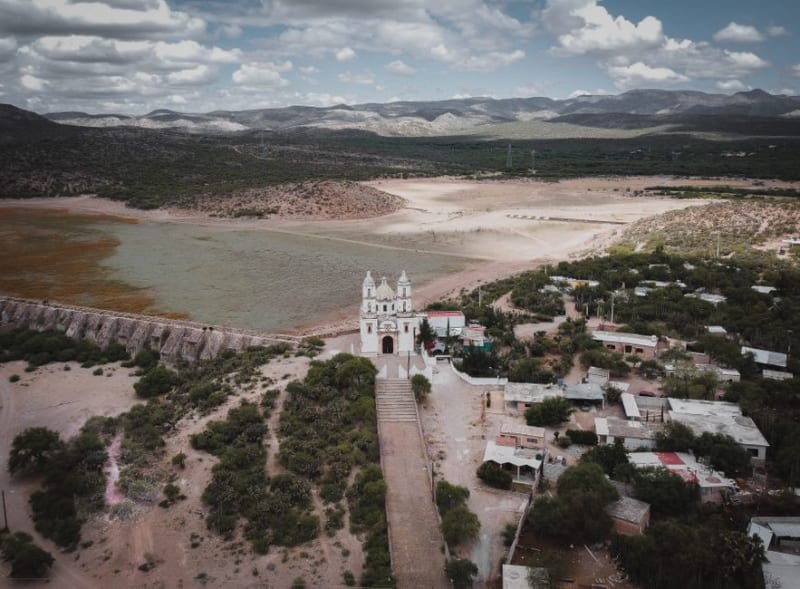
A colonial silver town hidden in the Sonoran thorn forest — the most remote UNESCO heritage town in Mexico, world-class winter birding in the tropical dry forest, and a village so beautiful that a wave of American artists moved there in the 1940s and never left.
Explore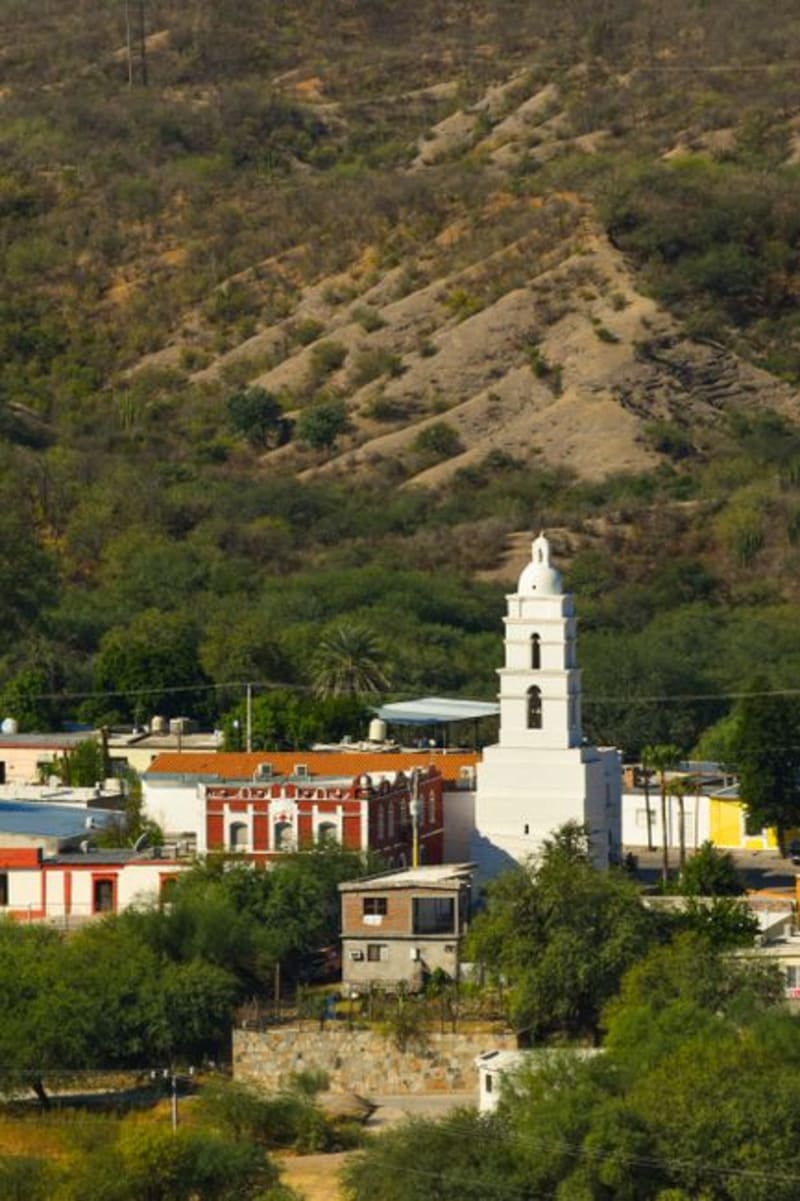 mexico
 Onavas
Onavas is the smallest Pueblo Mágico in Mexico, a settlement of fewer than 500 people tucked into the Yaqui River canyon in eastern Sonora. The drive in alone justifies the detour, and the Semana Santa rituals here — where Yaqui ceremony and Catholic tradition have been fusing for centuries — are unlike anything I have seen anywhere else in the north.
Explore mexico
 Yécora
At 1,800 meters in the Sierra Madre Occidental, Yécora is the Sonora nobody imagines: pine-oak forests, cold summer mornings, and the smell of resin where you expected desert dust. The drive up from Ciudad Obregón is long and the town is small, but the air alone justifies the climb.
Explore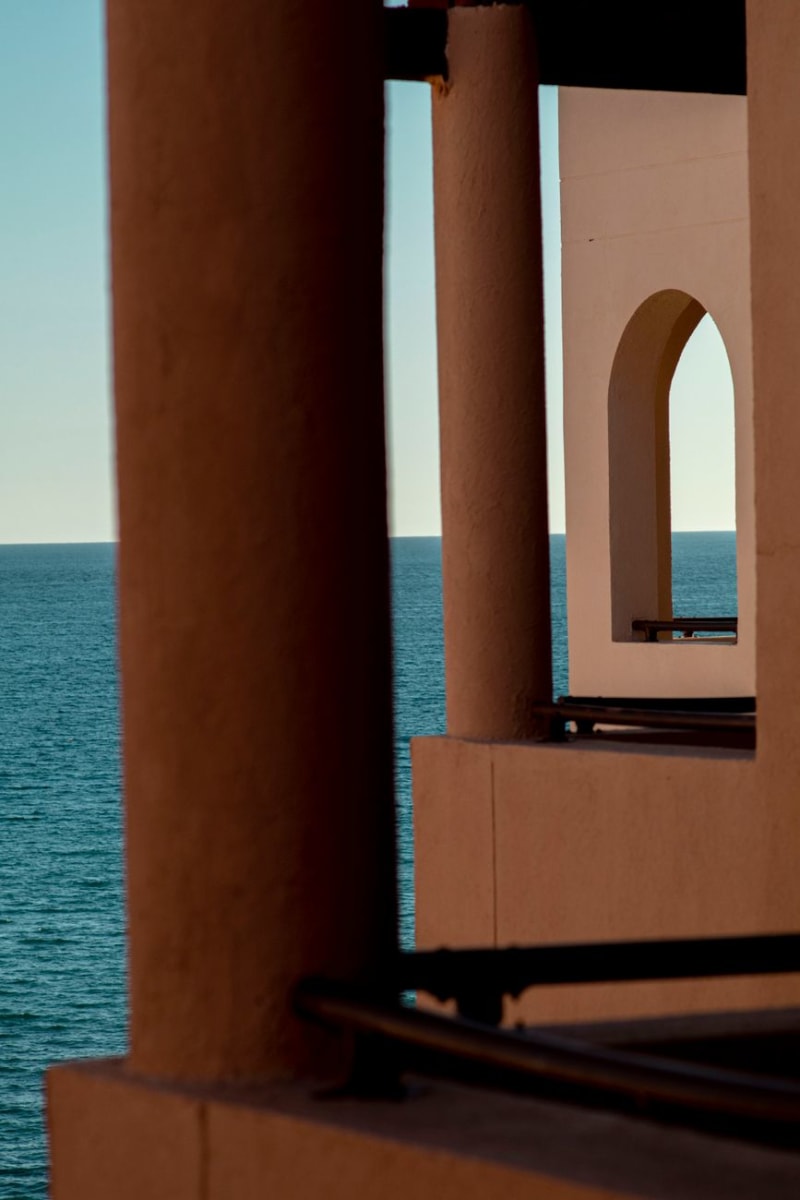 mexico
 Guaymas
Guaymas is a working port on the Sea of Cortez in central Sonora — a shrimp fleet in the harbor, a colonial center that survives the resort development twenty kilometers up the coast, and a specific large sweet shrimp from Cortez waters that I am still thinking about.
Explore mexico
 San Carlos Sonora
A dry, dramatic bay on the Sea of Cortés where black volcanic rock meets turquoise water and the Tetakawi peak rises directly above the shoreline. The snorkeling is a biology lesson in Cortés marine ecology rather than a Caribbean postcard.
Explore mexico
 Ures
The former capital of Sonora spent four decades at the center of the state's political life, and the cathedral and main plaza still carry that institutional weight — even now that the highway bypasses it and the orange groves along the Sonora River have long outlasted the bureaucrats.
Explore