Magdalena de Kino
"Kneeling beside a glass floor with a 300-year-old Jesuit beneath it — Magdalena surprises you before you even reach the plaza."
A quiet Sonoran town where a 300-year-old Jesuit missionary lies beneath a glass floor in the central plaza — and every October, a hundred thousand pilgrims arrive to remind you this place is anything but ordinary.

I came to Magdalena de Kino from Hermosillo on a Tuesday afternoon, half-expecting the kind of border-zone town that exists mainly as a fuel stop. The highway in gave me nothing to revise that assumption — flat desert, a few roadside stands selling dried chiles and Sonoran cheese, the usual. Then I parked near the Parroquia de Santa María Magdalena, walked into the plaza, and within sixty seconds I was standing over a dead Jesuit priest through a pane of glass. Magdalena doesn’t build toward its revelation. It just hands it to you.
Padre Kino Under Glass
Eusebio Francisco Kino died in 1711 somewhere in this part of Sonora. For centuries nobody was certain exactly where. In 1966, archaeologists found his remains beneath what had been the floor of a mission chapel, and rather than move him, they built a low modernist pavilion around the site and set glass panels into the floor above the skeleton. You walk in, you look down, and there he is — bones arranged in a neat outline, lit softly from below, a small placard explaining who he was: Jesuit missionary, cartographer, cattle rancher of improbable scale, defender of the Pima people against colonial enslavement. Sonoran towns from Caborca to Tubac exist in part because of his journeys.
The effect of seeing him this way — not entombed behind marble or lifted onto an altar, but simply present, legible, under your feet — is genuinely strange. Families with children, older women in black, a pair of young men from Nogales who’d pulled off the highway, all of us standing over the same glass looking down at the same bones. I stayed longer than I’d planned.

The October Pilgrimage
The Fiesta de San Francisco happens in the first days of October, and if you arrive without knowing this, the transformation of the town is disorienting even in photographs. Vendors from Nogales and Tucson, Yaqui dancers, O’odham communities crossing from Arizona, entire families walking the last kilometers of the highway on foot. The statue of San Francisco Xavier inside the church is the draw: pilgrims carry it on their shoulders, press their hands to the glass case, bring sick relatives, leave milagros. Something like a hundred thousand people pass through this town of fifteen thousand in under a week.
The woman who runs the comedor on Calle Álvaro Obregón described it the way you’d describe a flood — something you prepare for, survive, and quietly miss once it’s over. The normal geometry of the plaza disappears under temporary stalls selling gorditas de frijoles, agua de tamarindo in bags, and small ceramic figures of the saint. The border proximity, which usually means Magdalena gets overlooked, works in reverse during the fiesta: it pulls in the entire cross-border Sonoran world at once.

Eating in Town
On an ordinary Tuesday, Magdalena is calm enough that the comedor has three tables occupied and the radio is audible from the street. I ate carne con chile colorado — the Sonoran version, which is drier and more concentrated than what you find further south — with flour tortillas made that morning and a bowl of frijoles de la olla on the side. The pace of the meal suited the place: unhurried, a little austere, honest. The thing nobody tells you about eating in small Sonoran towns is that the flour tortillas alone justify the detour. They come to the table warm and faintly charred from the comal, and they’re better than anything I’ve had in a proper restaurant.

Getting There
Magdalena de Kino sits on Federal Highway 15, about 75 kilometers south of Nogales and 90 kilometers north of Hermosillo. Buses running the Nogales–Hermosillo corridor stop here regularly. By car from Hermosillo it’s roughly an hour. The Kino pavilion in the central plaza is free to enter and open daily — walk straight from wherever you park.
Keep exploring
More of Sonora
Keep exploring
More from Sonora
 mexico
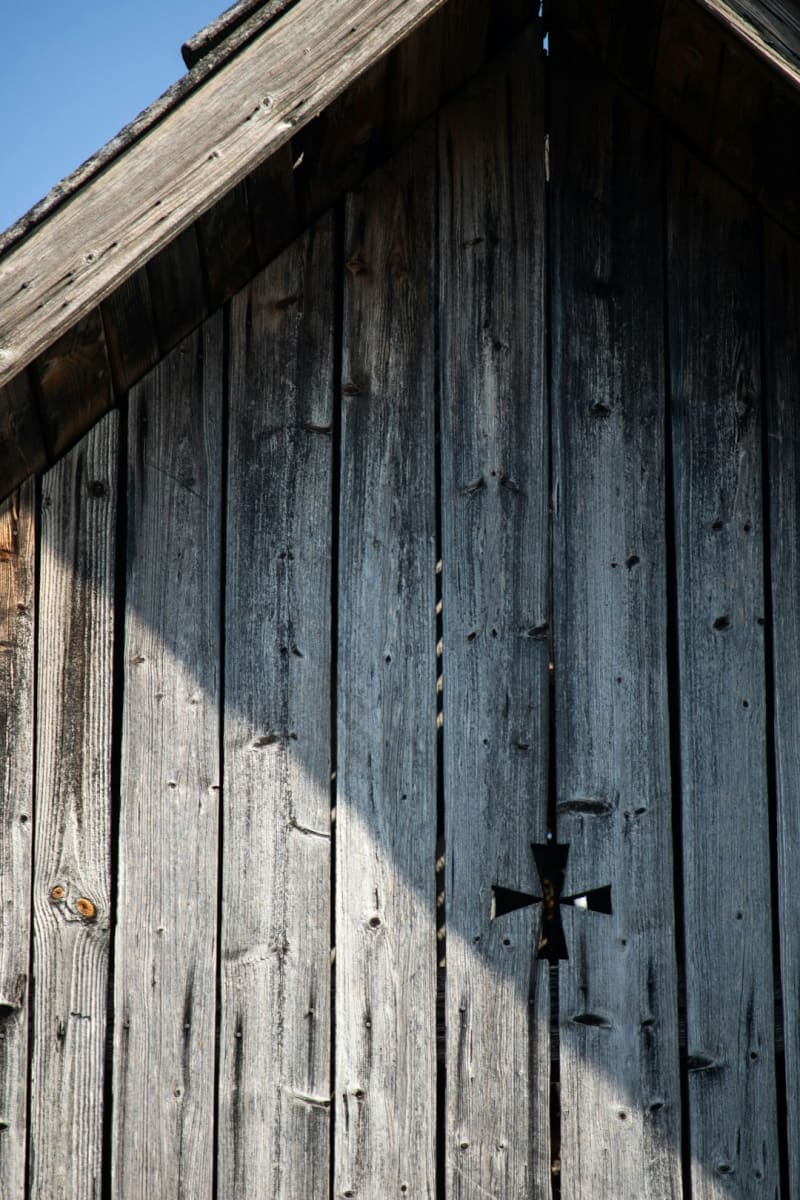
 Cucurpe
At the northern tip of the Ruta Rio Sonora, Cucurpe is the smallest and most remote of the river towns, pressed into a sierra fold where the road more or less gives up. The Jesuit mission is partly ruined, the streets are unpaved, and the silence arrives quickly.
Explore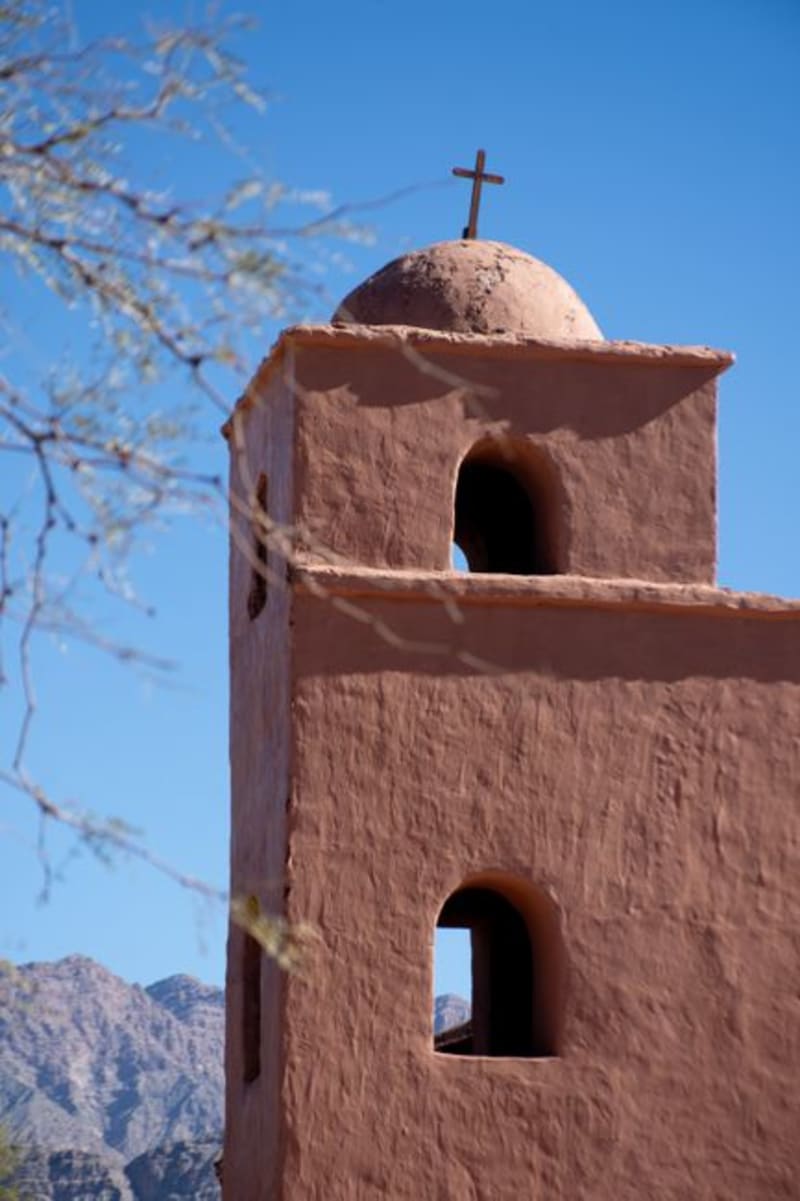 mexico
 Átil
Átil is a mission town of maybe 300 souls in the Altar Valley, most of them happy to leave you alone with their 18th-century Jesuit church. The facade has survived two and a half centuries of Sonoran desert without flinching. The dog who adopts you at the plaza edge has survived considerably less time but is equally steadfast.
Explore mexico
 Nogales
Nogales is two cities sharing a fence, and the contrast between the Sonoran and Arizonan sides makes every street corner feel like a sociology experiment. The doguitos — Sonoran hot dogs wrapped in bacon, beans, and mayo — are not optional. Neither is the Mercado Municipal, where the border economy shows itself in plain sight.
Explore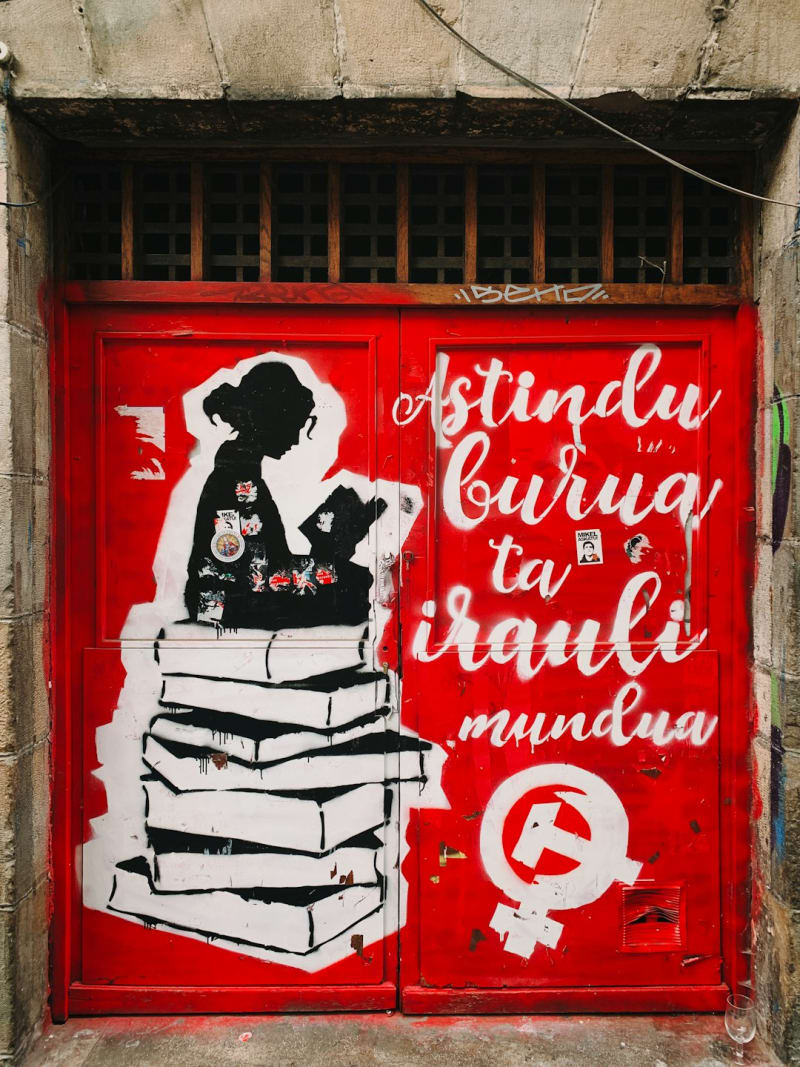 mexico
 Cananea
In 1906, copper miners in Cananea walked off the job and lit one of the fuses that became the Mexican Revolution. The murals covering the city centre still commemorate that moment with a raw intensity no history textbook can replicate. The open-pit mine next door — one of the world's largest — ensures the city has never had the luxury of forgetting where it came from.
Explore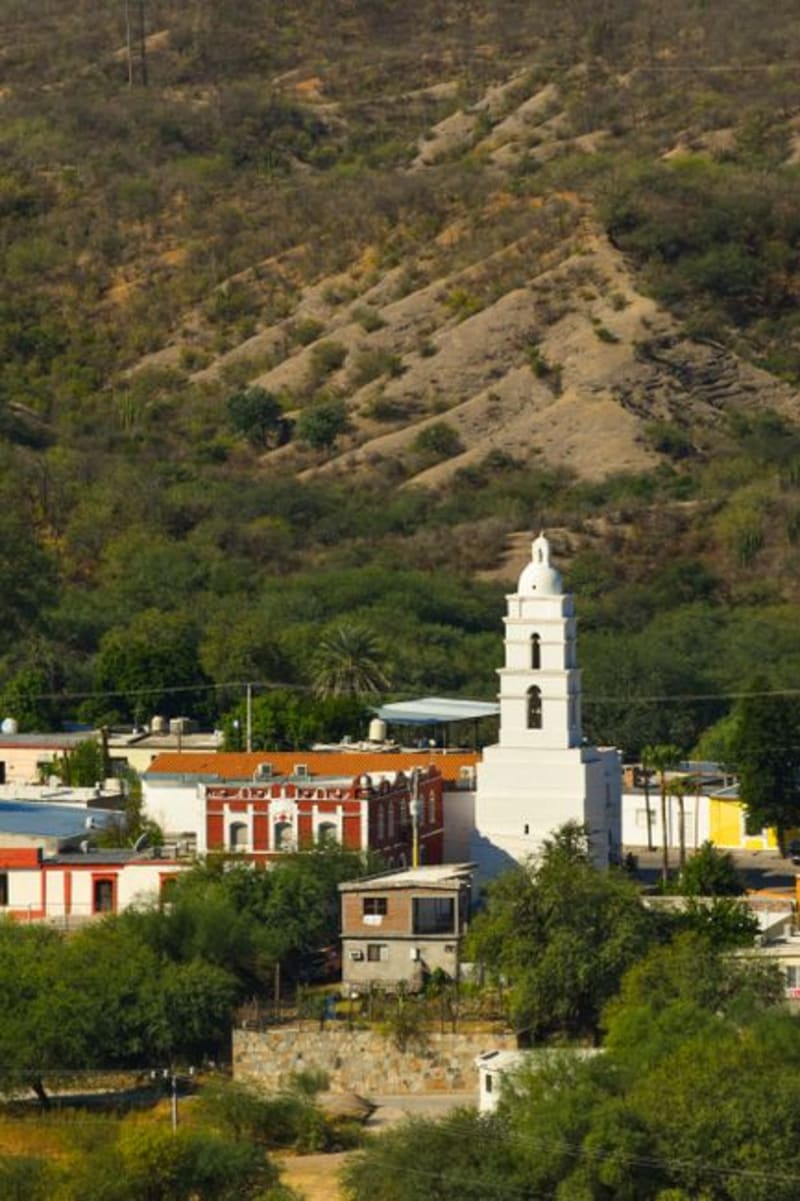 mexico
 Banámichi
A colonial village in the Río Sonora valley where orchards of quince and pomegranate line both banks of the river and the pink facade of La Purísima glows at dusk without a tourist in sight. The cheese is pressed in family courtyards, the mezcal arrives without a label, and the Ruta del Río Sonora passes through without quite disturbing any of it.
Explore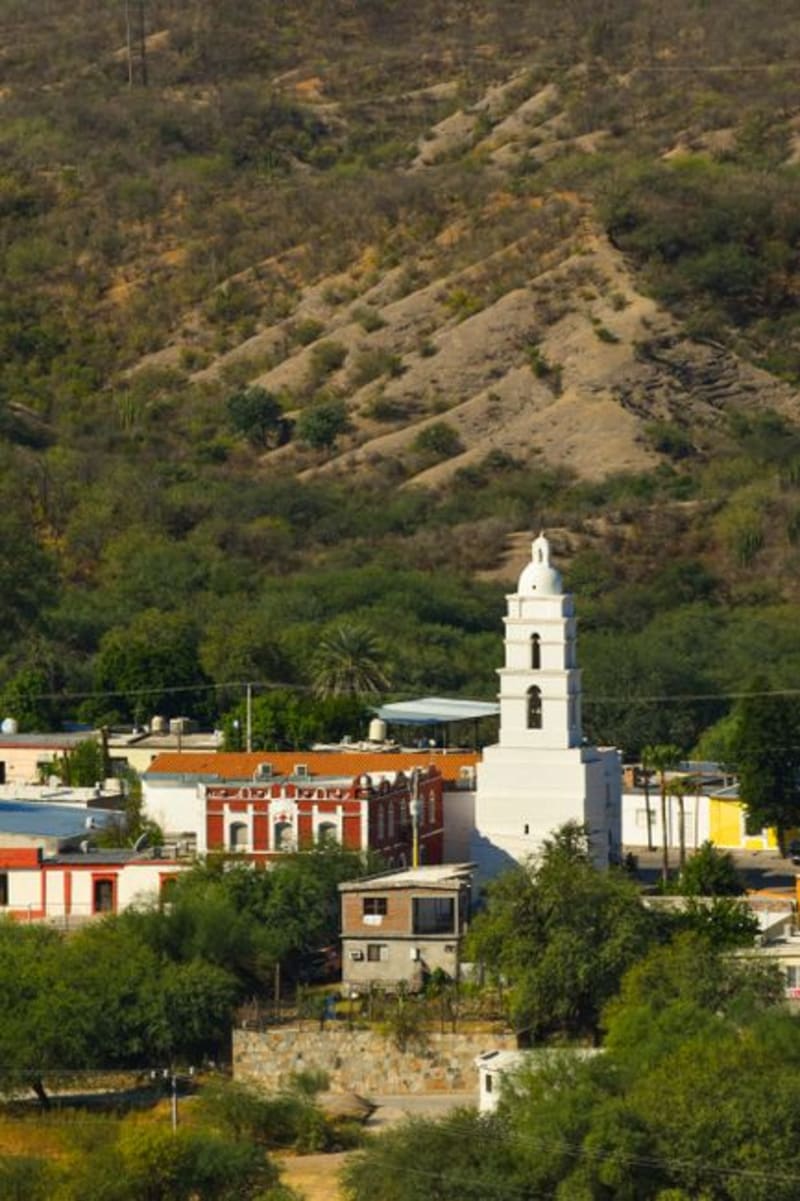 mexico
 Arizpe
Arizpe is a canyon town of three thousand people on the Río Sonora, once the seat of the Comandancia General de las Provincias Internas — an 18th-century capital governing territory that stretched from California to Texas. Its colonial church holds the remains of Juan Bautista de Anza, the man who founded San Francisco but died here, far from anything named after him. The gap between that monumental past and the goats-crossing-the-plaza present is what makes Arizpe unlike anywhere else in Sonora.
Explore