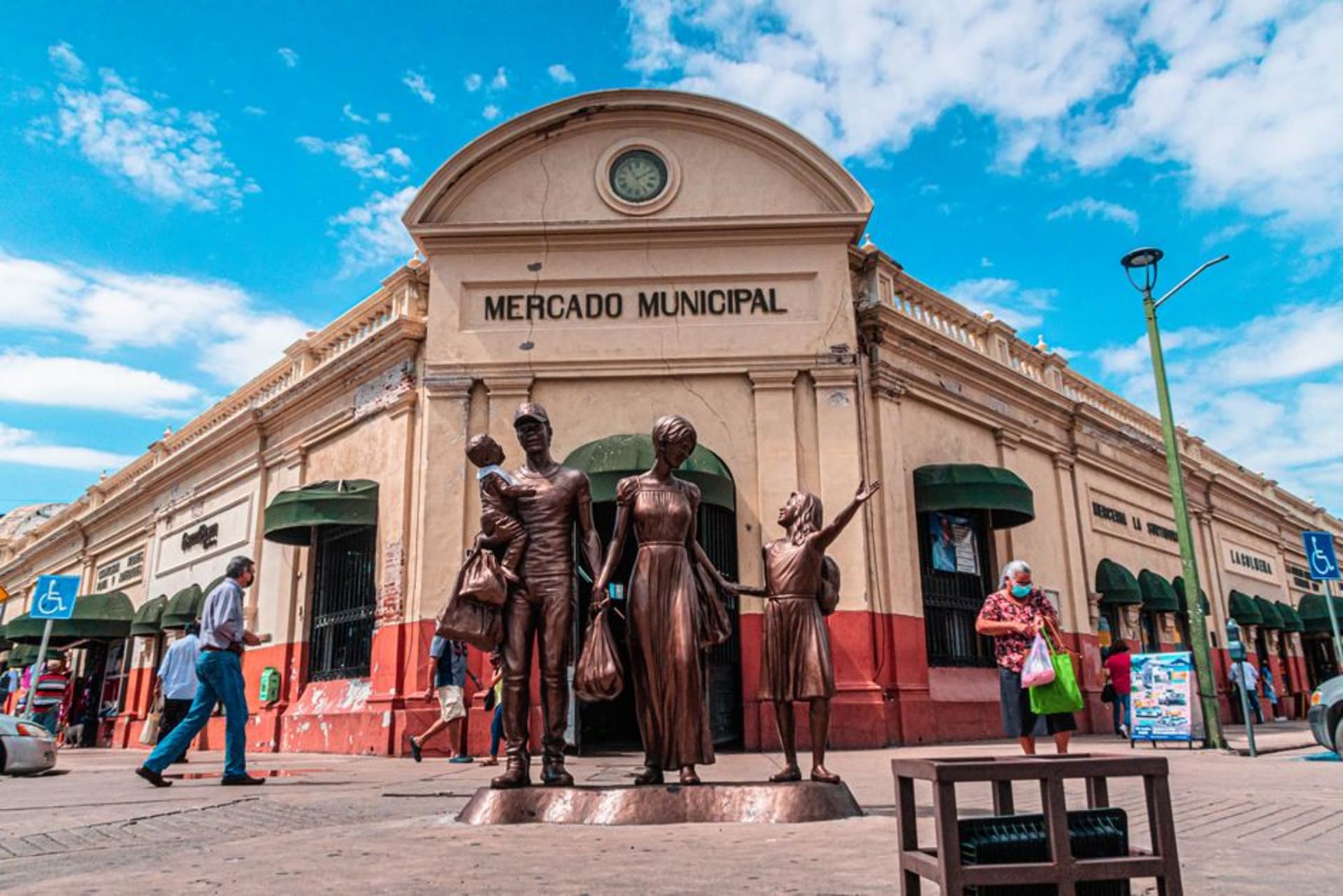
Nogales
"Half a mile from a US Walmart, the best hot dog I have ever eaten cost me less than a coffee back home."
Nogales is two cities sharing a fence, and the contrast between the Sonoran and Arizonan sides makes every street corner feel like a sociology experiment. The doguitos — Sonoran hot dogs wrapped in bacon, beans, and mayo — are not optional. Neither is the Mercado Municipal, where the border economy shows itself in plain sight.

I came to Nogales on a Thursday morning in March, following a long bus from Hermosillo, and my first impression was noise — the specific noise of a city running two economies simultaneously. The border fence was visible from where I dropped my bag, and Nogales, Arizona sat just beyond it in a quieter key, its big-box stores and parking lots somehow making the Mexican side feel more alive by contrast. I had five hours before my return bus. I used all of them.
A City That Shows Two Faces
The thing nobody tells you about Nogales is that the fence isn’t the drama. The drama is the economy it has generated on the Mexican side — the pharmacies, the dental offices, the opticas, the ceramics warehouses — all calibrated to serve Americans who cross for a few hours and return. Calle Obregón is the spine of this commerce, lined with curio shops selling Talavera tiles, rebozos, and leather goods priced in both pesos and dollars simultaneously. But walk two blocks inland and the city changes register entirely: market women selling elotes, tire repair shops, hardware stores stacked floor to ceiling. This is Nogales for the people who actually live here. It’s a city that has learned to show two faces and keeps a third one for itself.

The Doguito Is Not Optional
The Sonoran hot dog deserves its reputation, and I say this as someone who spent years in a country that takes its charcuterie seriously. Near Calle Campillo in the centro, there are carts that open around noon and close when everything is gone — usually by eight in the evening. The doguito is a specific object: a bacon-wrapped frankfurter, char-grilled until the bacon crisps, then slid into a bolillo-style bun and layered with pinto beans, diced tomatoes, raw onion, mustard, mayonnaise, and salsa verde. You eat it standing at a folding table under a plastic tarp. The first one I ordered I finished in under three minutes and immediately ordered a second. In March 2025, the price was forty pesos. I’ve paid more for an espresso in Puerto Escondido.

The Mercado Municipal
The Mercado Municipal on Calle Elias operates a few blocks from the crossing at a different pace from the tourist corridor. The vendors here are selling to locals — pollo asado, fresh produce, dried chiles from across Sonora, piloncillo stacked in dark cones. I spent an hour inside photographing nothing and simply watching. A woman was pressing chicharrón de queso on a comal the size of a car hood. A man repaired shoes while his radio ran Radio Éxitos. The mercado is the part of Nogales that has nothing to prove to anyone arriving from the other side of the fence.

Getting There
Direct buses run from Hermosillo in roughly three hours; ETN and TAP both cover the route. From Guaymas, plan for around four hours. Travelers coming from the US side will find Tucson the nearest hub — the DeConcini port of entry is walkable from downtown Nogales, Arizona, and shuttle services cross regularly. There is no commercial airport on the Sonoran side.
Keep exploring
More of Sonora
Keep exploring
More from Sonora
 mexico
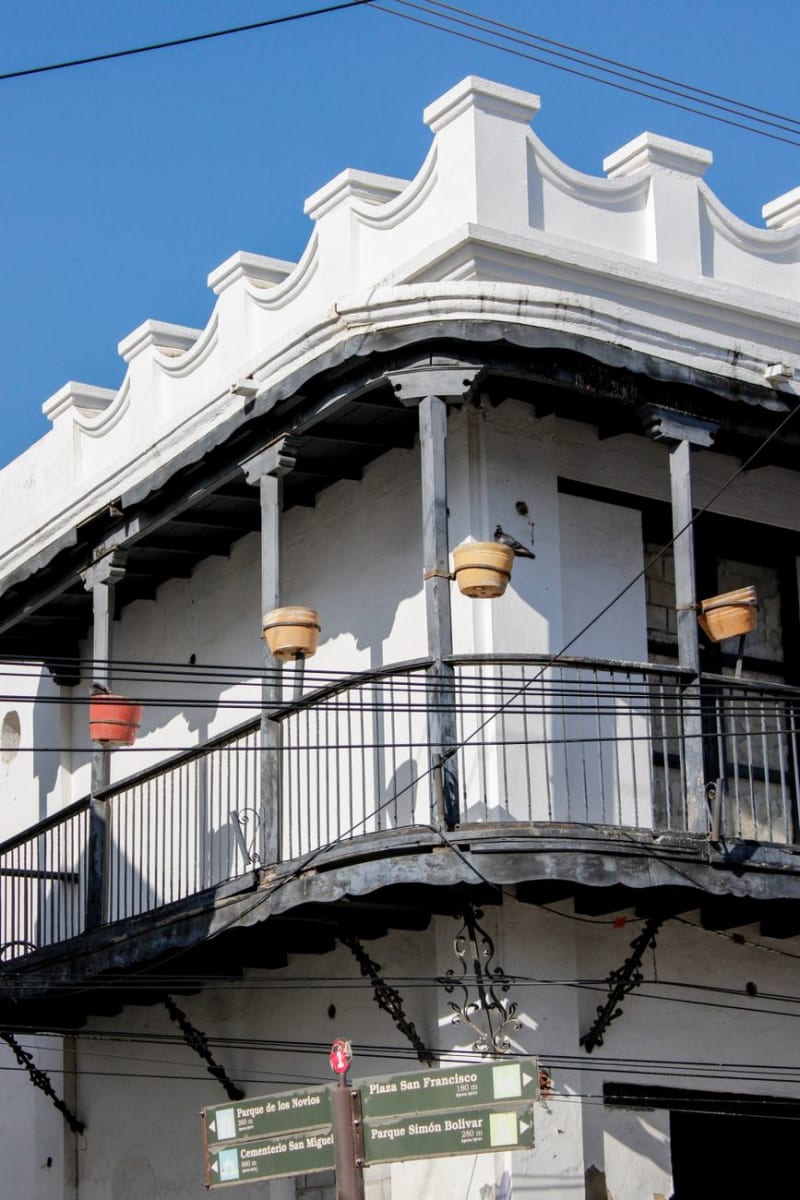
 Magdalena de Kino
A quiet Sonoran town where a 300-year-old Jesuit missionary lies beneath a glass floor in the central plaza — and every October, a hundred thousand pilgrims arrive to remind you this place is anything but ordinary.
Explore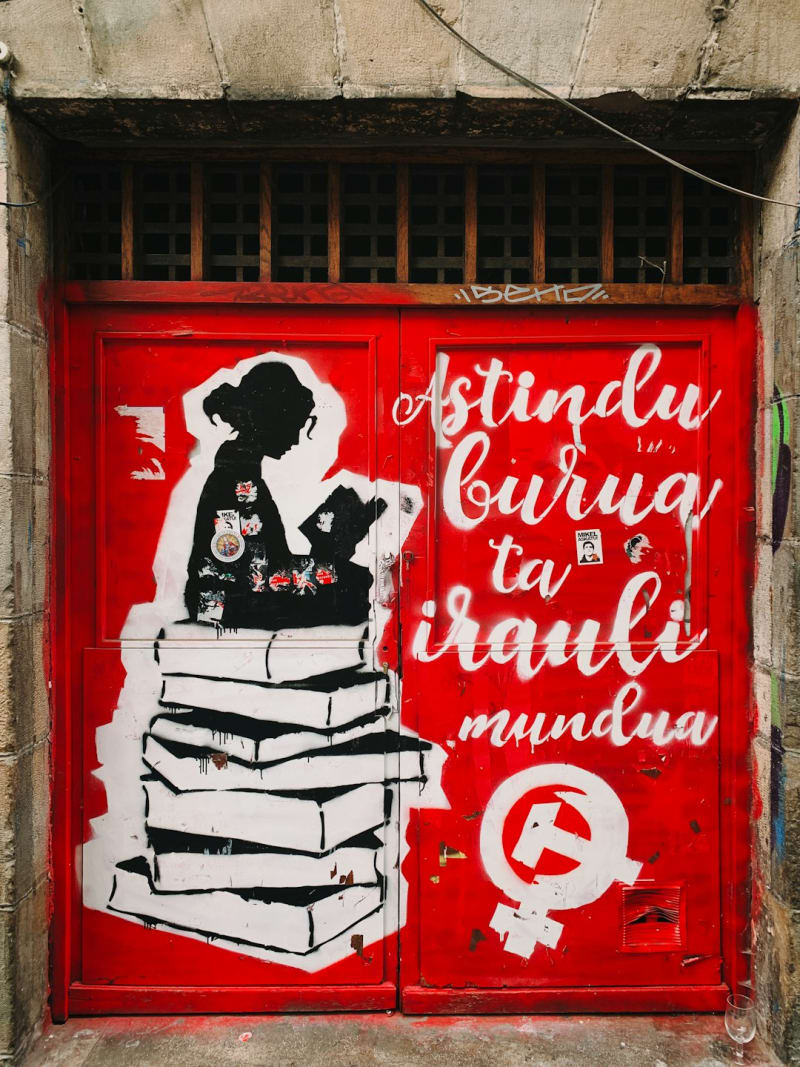 mexico
 Cananea
In 1906, copper miners in Cananea walked off the job and lit one of the fuses that became the Mexican Revolution. The murals covering the city centre still commemorate that moment with a raw intensity no history textbook can replicate. The open-pit mine next door — one of the world's largest — ensures the city has never had the luxury of forgetting where it came from.
Explore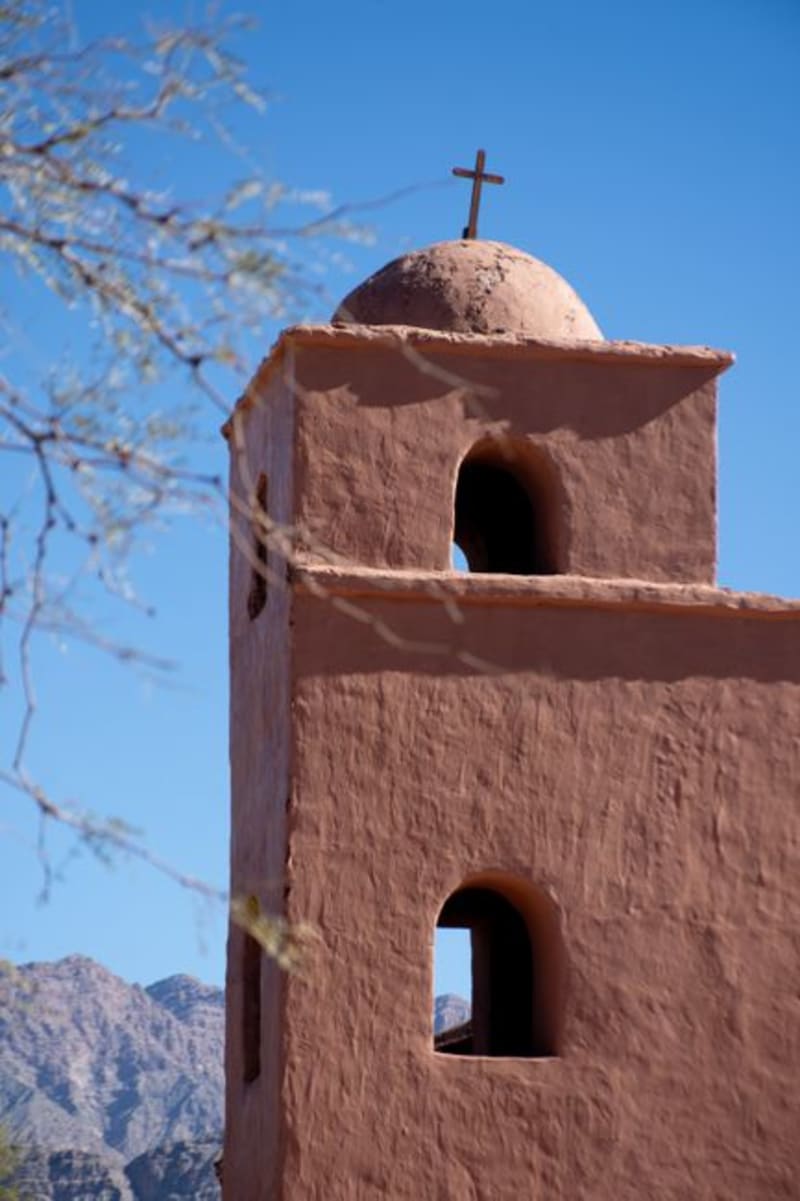 mexico
 Átil
Átil is a mission town of maybe 300 souls in the Altar Valley, most of them happy to leave you alone with their 18th-century Jesuit church. The facade has survived two and a half centuries of Sonoran desert without flinching. The dog who adopts you at the plaza edge has survived considerably less time but is equally steadfast.
Explore mexico
 Cucurpe
At the northern tip of the Ruta Rio Sonora, Cucurpe is the smallest and most remote of the river towns, pressed into a sierra fold where the road more or less gives up. The Jesuit mission is partly ruined, the streets are unpaved, and the silence arrives quickly.
Explore mexico
 Arizpe
Arizpe is a canyon town of three thousand people on the Río Sonora, once the seat of the Comandancia General de las Provincias Internas — an 18th-century capital governing territory that stretched from California to Texas. Its colonial church holds the remains of Juan Bautista de Anza, the man who founded San Francisco but died here, far from anything named after him. The gap between that monumental past and the goats-crossing-the-plaza present is what makes Arizpe unlike anywhere else in Sonora.
Explore mexico
 Banámichi
A colonial village in the Río Sonora valley where orchards of quince and pomegranate line both banks of the river and the pink facade of La Purísima glows at dusk without a tourist in sight. The cheese is pressed in family courtyards, the mezcal arrives without a label, and the Ruta del Río Sonora passes through without quite disturbing any of it.
Explore