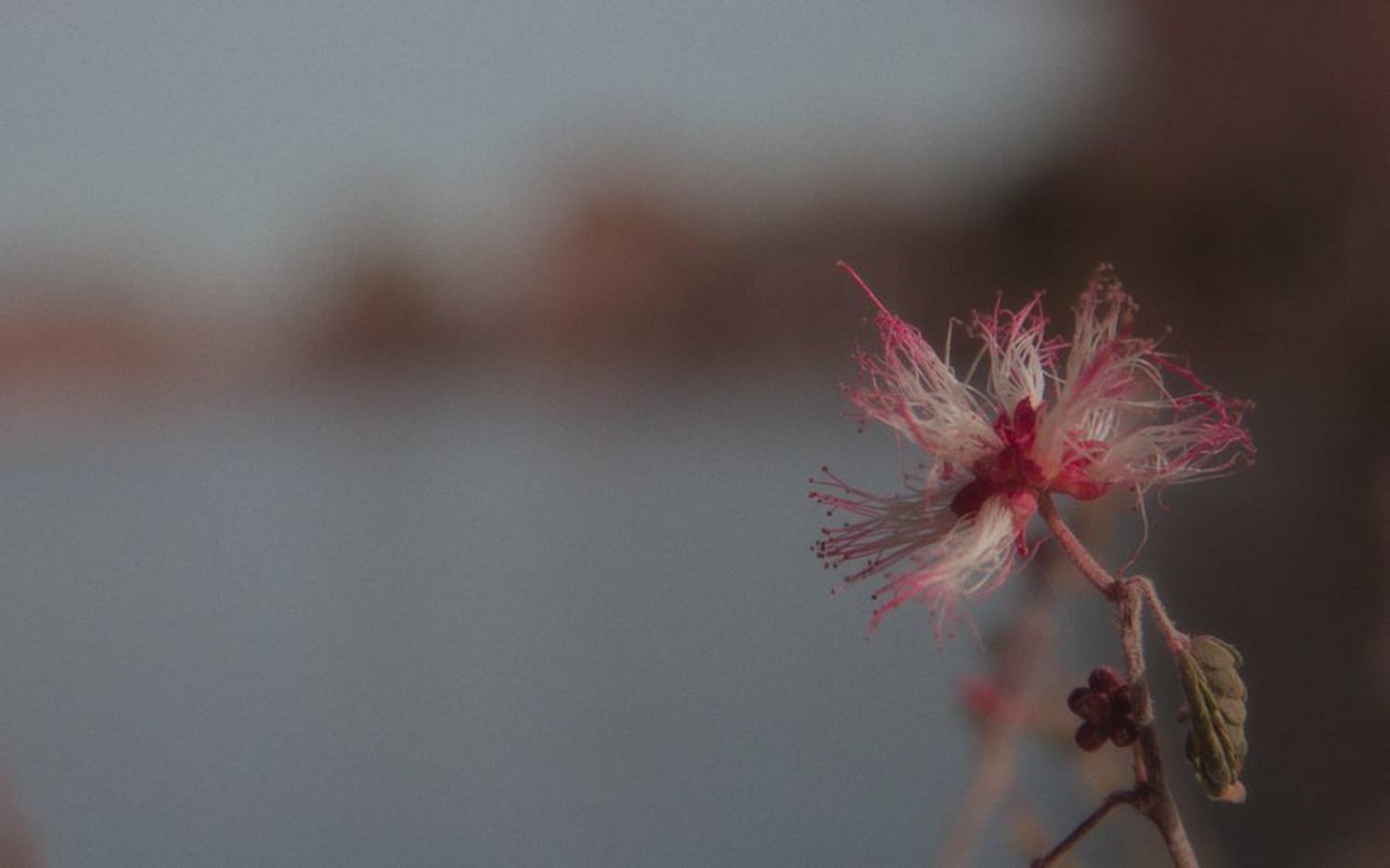
Banámichi
"I came for one night on the Ruta del Río Sonora. The woman selling courtyard cheese brought out membrillo to go with it, and that was that — three days gone."
A colonial village in the Río Sonora valley where orchards of quince and pomegranate line both banks of the river and the pink facade of La Purísima glows at dusk without a tourist in sight. The cheese is pressed in family courtyards, the mezcal arrives without a label, and the Ruta del Río Sonora passes through without quite disturbing any of it.

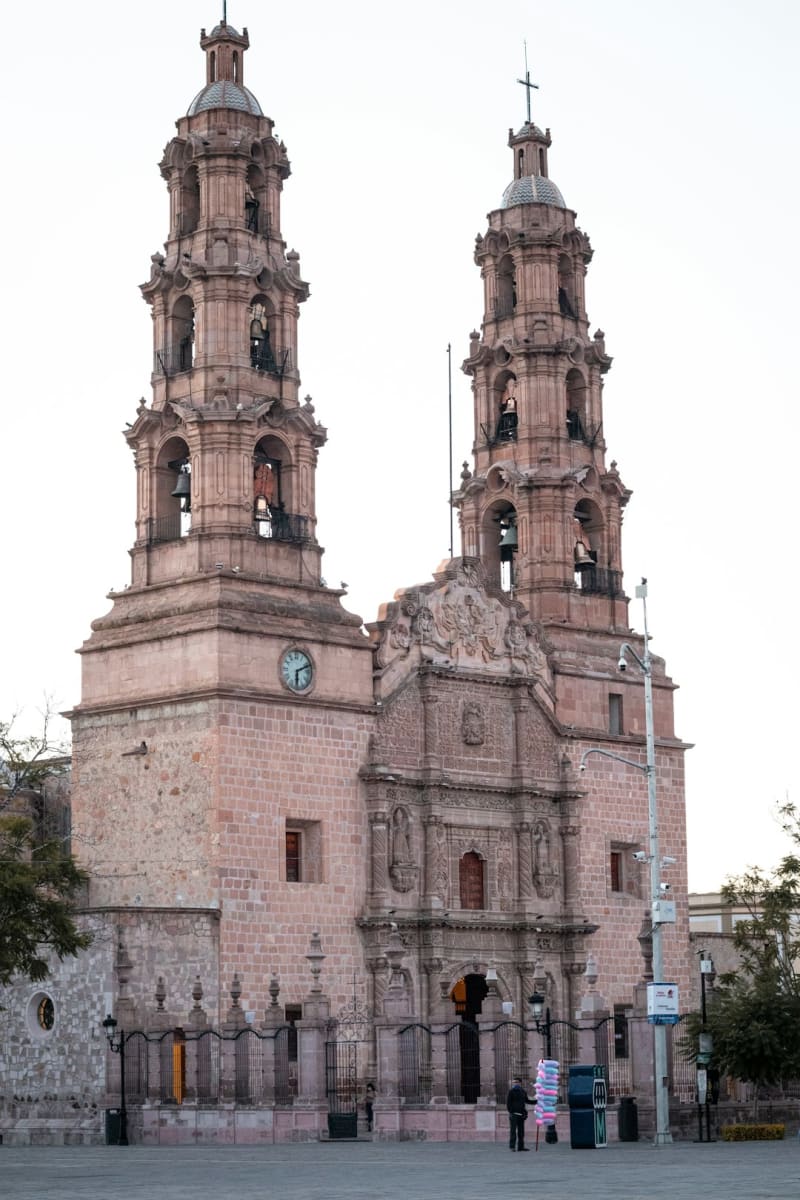
I arrived in Banámichi at four in the afternoon in late October, the hour when the light turns orange along the Río Sonora and everything smells faintly of quince. I had booked one night at a posada off the main square — which has no name on the door but a blue gate that the woman who runs it told me to look for. The village is small enough that this was sufficient instruction. I found the gate, dropped my bag, and walked to the plaza, where the pink facade of the Purísima church was already doing what nothing had quite prepared me for: glowing at dusk with no one photographing it but me.
The Valley at Harvest
The Río Sonora runs narrow and green between walls of pomegranate, quince, and fig. The orchards here aren’t decorative — they belong to families who have been pressing queso, making membrillo, and harvesting granada for three or four generations, and you can see the evidence in the courtyards that open onto the side streets off Calle Morelos. In autumn, when I came, the quince hangs heavy and yellow on branches leaning over low stone walls, and someone is always hauling crates somewhere. The fruit doesn’t go to markets in Hermosillo; it gets processed in the same villages where it grows. This is what struck me most about the valley — it operates at a speed and scale that has nothing to prove to anyone outside it. The Ruta del Río Sonora passes through here, technically, but Banámichi doesn’t feel like it’s performing for a route. It feels like a village that agreed to be on the map and then kept doing what it was doing.

Cheese, Membrillo, and an Unlabeled Bottle
The cheese situation deserves its own paragraph. On my second morning, I followed the sound of someone hammering something metallic down an unpaved lane off the plaza and found a woman pressing rounds of queso fresco in a courtyard the size of a parking space. She sold me a wheel for a price I’m still embarrassed to repeat, then disappeared inside and returned with a square of membrillo — the quince paste that is to this valley what mole is to Oaxaca — and insisted I try them together before I paid. I did. I stayed another day. The mezcal is a similar story: no label, no branding, a bottle that appeared at dinner at the posada and which my host described only as “de aquí.” It tasted like smoke and pear and something I couldn’t identify, and I did not ask too many questions about the distillery.

The Purísima at Six in the Evening
The Iglesia de la Purísima Concepción faces the main square with a quiet self-assurance I find rare in colonial churches. It is not grand in the Oaxacan sense — no gilded interior, no tour groups — but the pink facade at dusk, when the light comes in low over the sierra to the west, produces a quality of glow that made me sit on the bench across from it for longer than I planned. Go at six in the evening in October or November. Order whatever the posada is cooking for dinner; mine brought out caldo de queso two nights running and I did not complain. Buy cheese from whoever happens to be pressing it. If someone offers you mezcal from an unlabeled bottle, say yes.

Getting There
Banámichi sits roughly 150 kilometers northeast of Hermosillo, about two hours by car along Route 14 through Ures. There is no reliable bus service; renting a car in Hermosillo and following the Ruta del Río Sonora north is the only practical approach. October and November are the best months — orchards in harvest, temperatures reasonable, the river still running. July and August are very hot and best avoided.
Keep exploring
More of Sonora
Keep exploring
More from Sonora
 mexico
 Huépac
Huépac is a seventeenth-century Jesuit mission town folded into the Sonora River valley so quietly that the highway barely acknowledges it. A whitewashed church, a shaded plaza, old men playing cards under fig trees — the kind of place that asks nothing of you except that you slow down.
Explore mexico
 Baviacora
Strung along the Rio Sonora between Ures and Banamichi, Baviacora is a small colonial town that seems to have quietly opted out of the last century. The cottonwood-lined river canyon makes it one of the most photographically unfair places on the Ruta Rio Sonora — a drive that remains, bafflingly, one of the least-visited good routes in the country.
Explore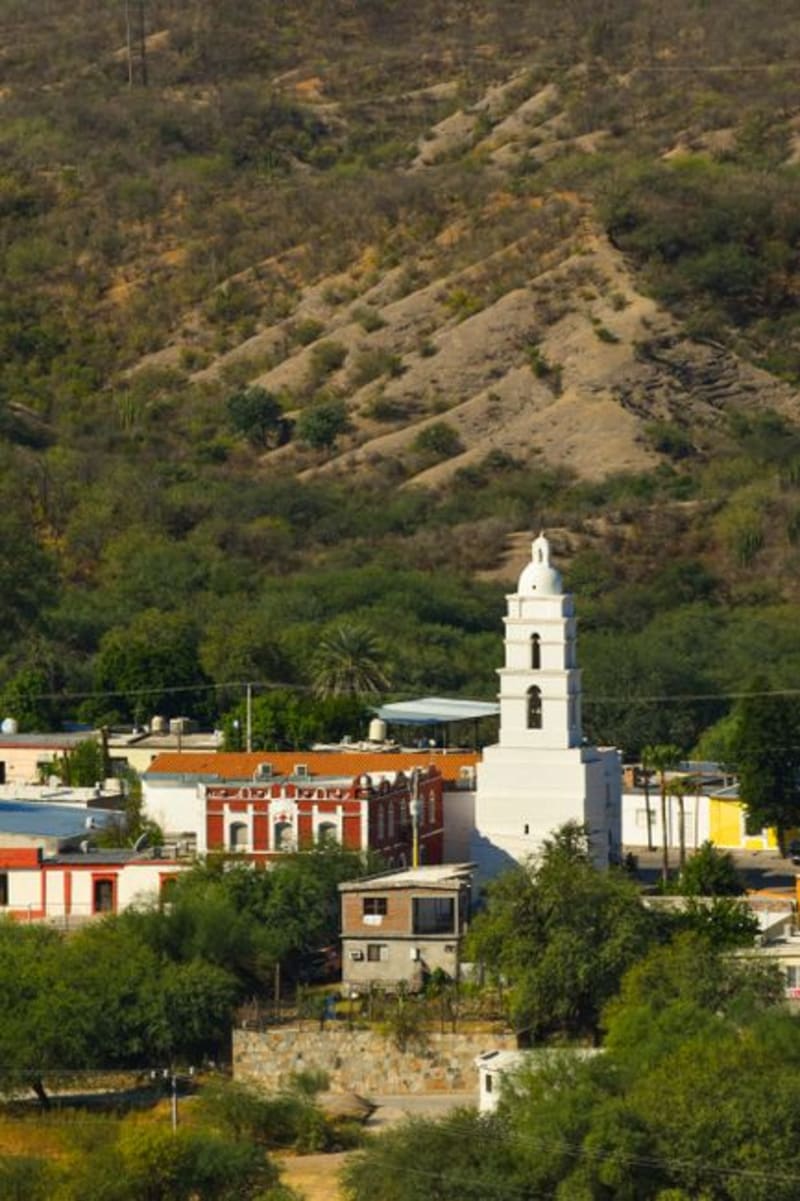 mexico
 Arizpe
Arizpe is a canyon town of three thousand people on the Río Sonora, once the seat of the Comandancia General de las Provincias Internas — an 18th-century capital governing territory that stretched from California to Texas. Its colonial church holds the remains of Juan Bautista de Anza, the man who founded San Francisco but died here, far from anything named after him. The gap between that monumental past and the goats-crossing-the-plaza present is what makes Arizpe unlike anywhere else in Sonora.
Explore mexico
 Cucurpe
At the northern tip of the Ruta Rio Sonora, Cucurpe is the smallest and most remote of the river towns, pressed into a sierra fold where the road more or less gives up. The Jesuit mission is partly ruined, the streets are unpaved, and the silence arrives quickly.
Explore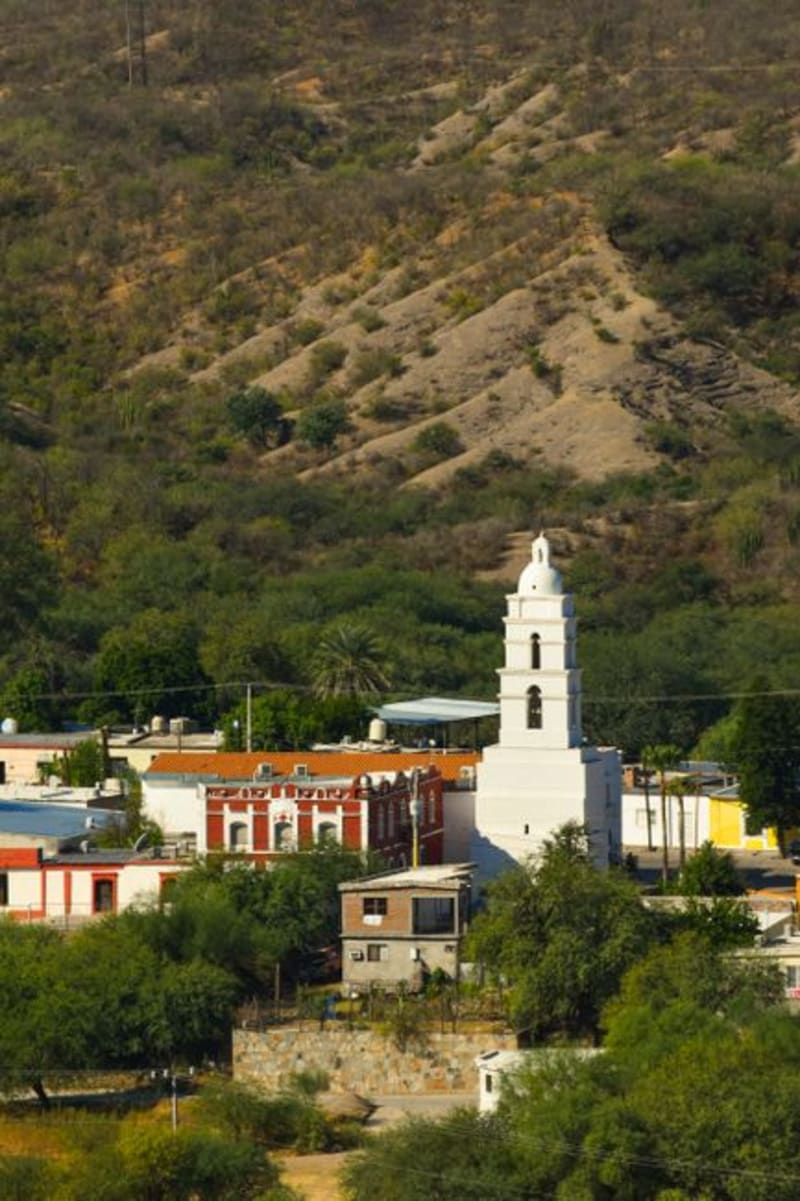 mexico
 Ures
The former capital of Sonora spent four decades at the center of the state's political life, and the cathedral and main plaza still carry that institutional weight — even now that the highway bypasses it and the orange groves along the Sonora River have long outlasted the bureaucrats.
Explore mexico
 Magdalena de Kino
A quiet Sonoran town where a 300-year-old Jesuit missionary lies beneath a glass floor in the central plaza — and every October, a hundred thousand pilgrims arrive to remind you this place is anything but ordinary.
Explore