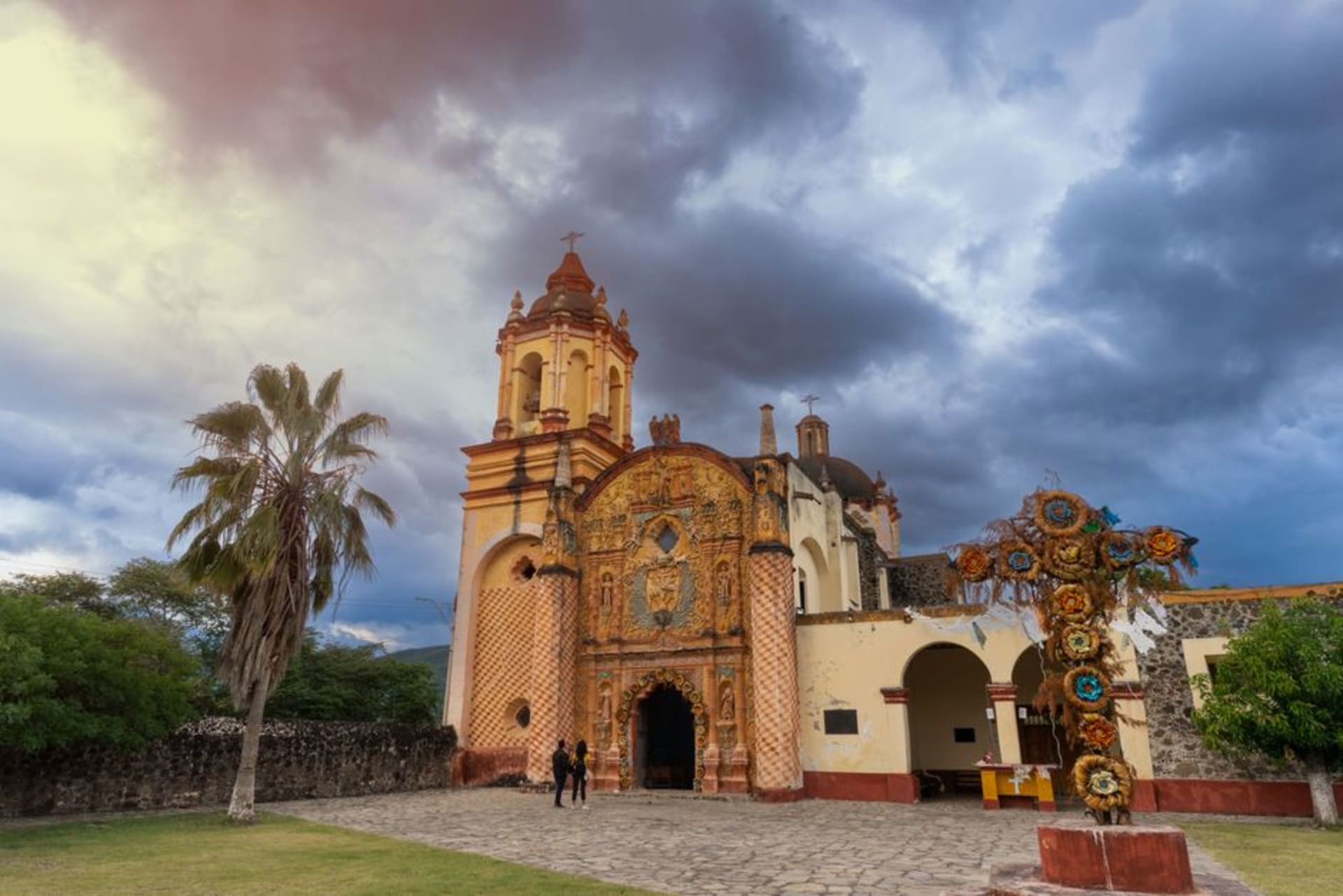
A ranching village at the literal end of the road in the eastern Sierra of Sonora, built around one of the oldest mission churches in the northern mountains. Adobe houses, oak-and-pine ridgelines, a river below town, and the kind of quiet that only arrives when the pavement finally gives up.

I like roads that end. There is something honest about a place that isn’t on the way to anywhere else, and Bacadéhuachi is exactly that — you go there on purpose or you don’t go at all. I left Moctezuma before the heat set in, climbed east into the sierra for two hours past cattle guards and dry washes, and the last stretch of pavement handed me over to gravel just as the oaks started closing in. When the road finally quit at the edge of the village, a man on a horse lifted two fingers off the reins, the local wave, and I understood I had arrived somewhere that keeps its own hours.
The Oldest Church in the Mountains
The mission of San Luis Gonzaga de Bacadéhuachi anchors the whole village, and it should — it is one of the oldest surviving mission churches in this part of the Sierra Madre, founded when the Jesuits pushed up these valleys in the seventeenth century and later held by the Franciscans. I expected a ruin. What I found was a working church, whitewashed and thick-walled, with a gilded retablo inside that felt absurdly ornate for a village this small and this far from anything. An elderly woman was sweeping the nave when I came in, and she let me sit without a word. The light came through in hard slabs. Outside, the bell rope hung down within reach, and I had to physically restrain myself from pulling it.

Adobe, Cattle, and the Smell of Woodsmoke
Bacadéhuachi is a ranching town and makes no apology for it. The houses are adobe, some rendered and painted, many left the color of the earth they were cut from, and in the late afternoon the whole place smells of mesquite smoke and animals. I walked the few streets there are and everyone I passed said good afternoon, not performatively, just because that is what you do. A family running a tiny shop out of their front room sold me a Coke in a glass bottle and let me sit on the step. The father had spent fifteen years in Phoenix and come home to run cattle; he told me the sierra was harder work and better living, and looked genuinely puzzled that I might not already know this.

The River and the Hot Water Below Town
Below the village the land drops to a river, and near it the ground gives up warm water — the sort of thermal seep the whole region is quietly full of. A boy pointed me down a track and I found a stretch of the river where warm and cool water braided together over stones, nobody around but a pair of horses cropping the far bank. I sat in it until the light went gold on the ridges above. This is the thing about the Sonoran sierra that surprises people who only know the desert below: up here it is oak and pine and running water, cool at night, enormous overhead. I lay back and watched the first stars come out over mountains that had no name I knew.

Getting There
Bacadéhuachi sits in eastern Sonora, roughly two hours by mountain road from Moctezuma, which is itself about three hours east of Hermosillo. The final approach turns to gravel — passable in a normal car in dry weather, but check conditions in the summer rains, when the washes can run. There is no bus that will drop you at the door; a rental car out of Hermosillo is the honest way. Bring cash, fill your tank in Moctezuma, and give yourself two nights. Places at the end of the road punish the day-tripper and reward anyone willing to wake up there. Go slow. The sierra does not respond to hurry.
Keep exploring
More of Sonora
Keep exploring
More from Sonora
 mexico
 Huachinera
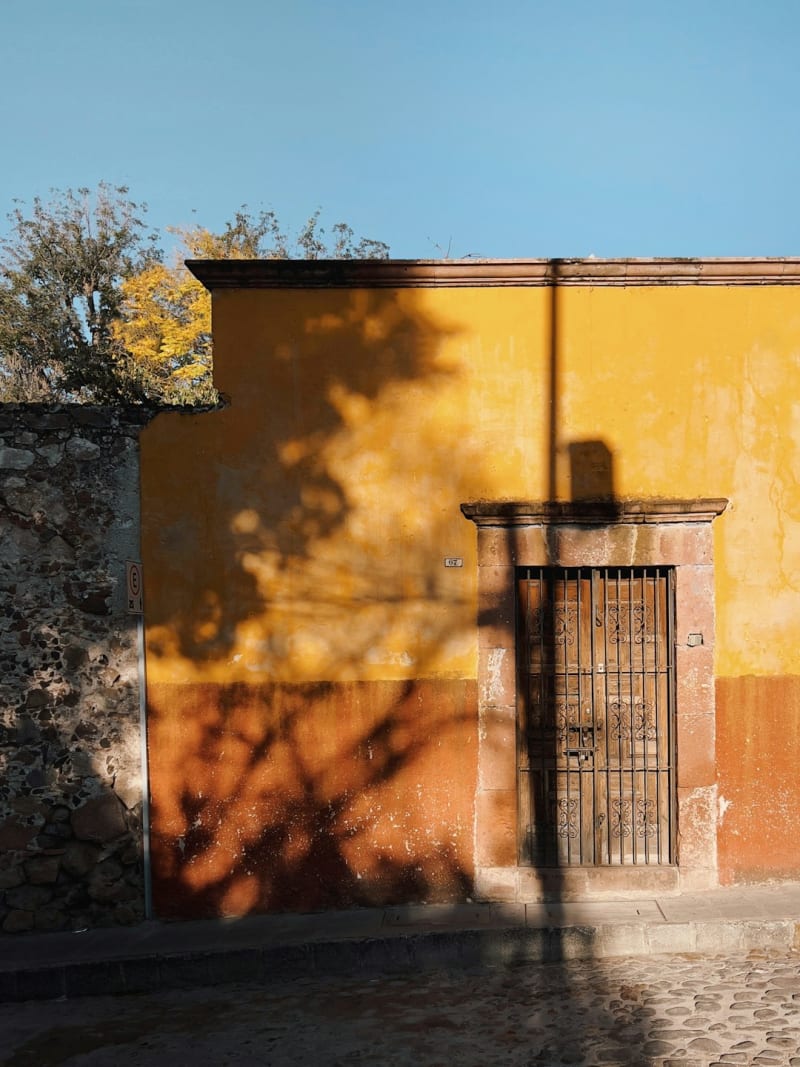
A remote ranching village in the Sierra Alta of eastern Sonora, in the Río Bavispe valley near the Chihuahua border. Adobe houses and a mission-era church, cottonwoods along the river, huge silent mountains, and the weight of Apache history — this was Gerónimo's homeland.
Explore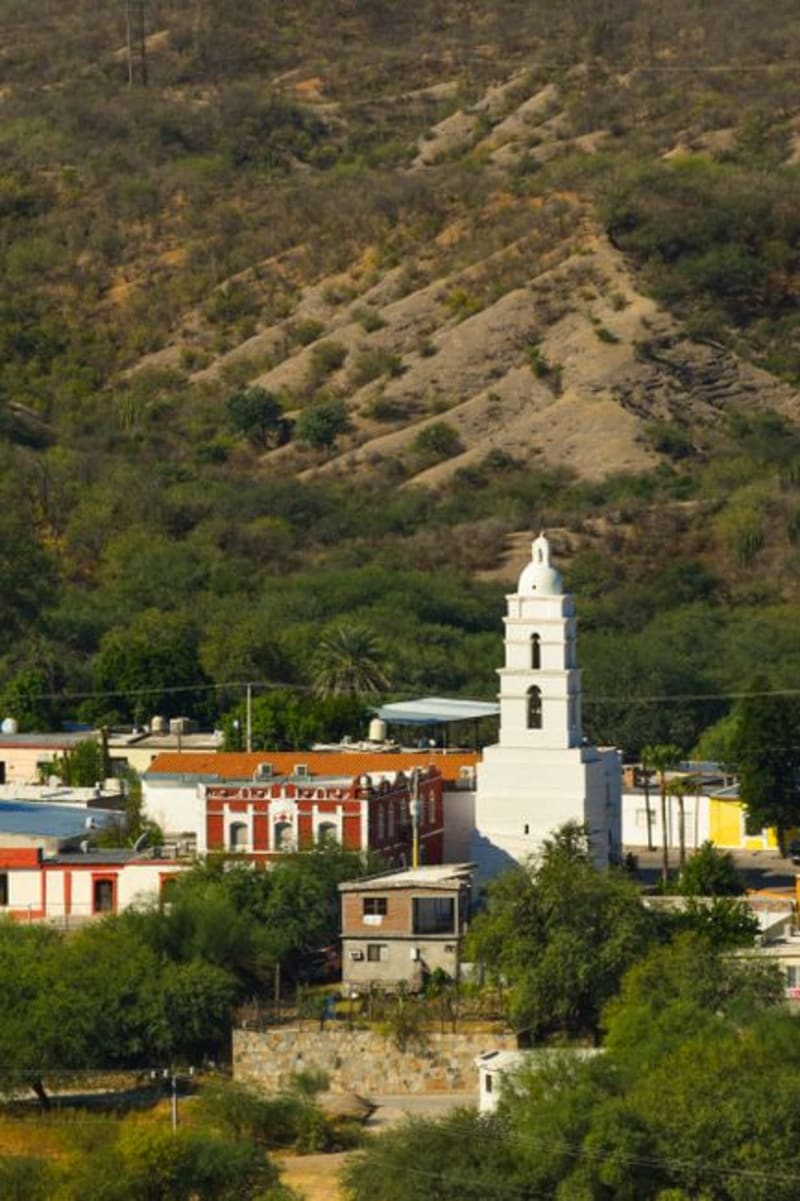 mexico
 Bacerac
A small village in the Río Bavispe valley of Sonora's Sierra Alta — an old mission church above a river lined with cottonwoods, irrigated fields hemmed in by mountains, and the particular quiet of a place that ranching has kept and tourism has never found. Neighbor to Huachinera and Bavispe, at the far eastern edge of the state.
Explore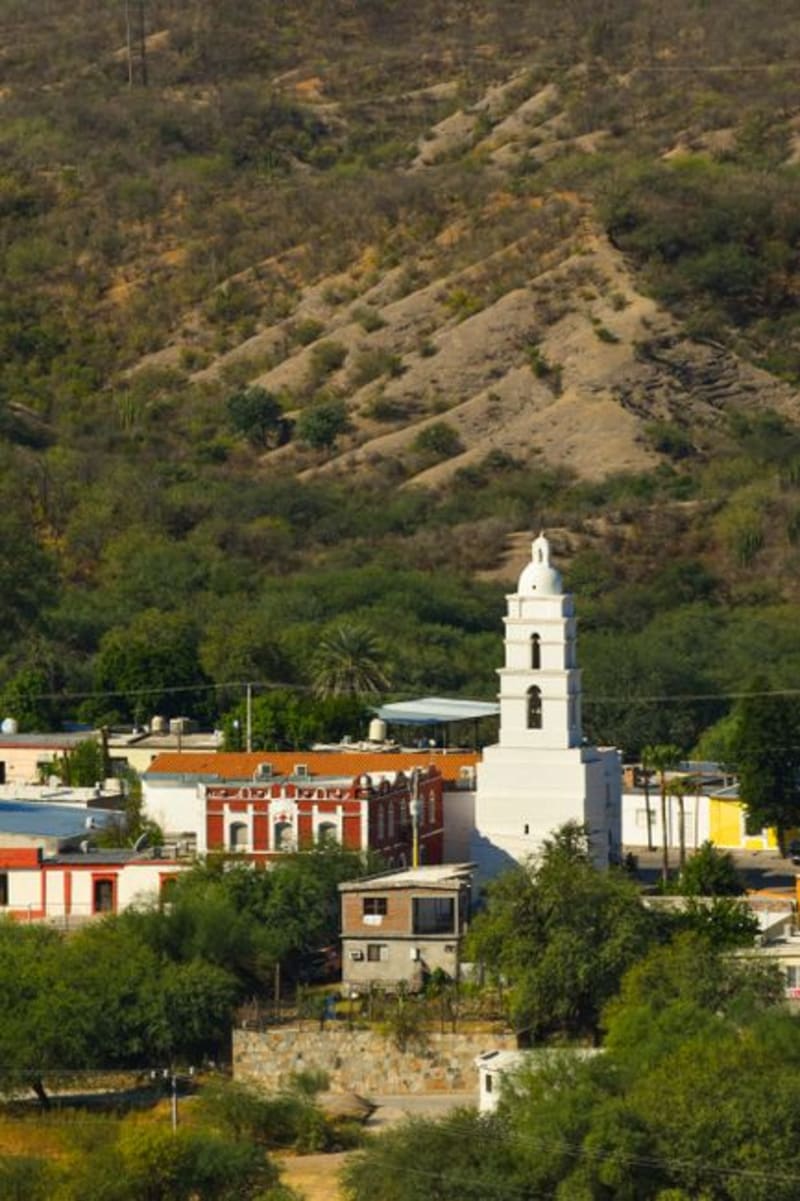 mexico
 Bavispe
A historic mountain village on the Río Bavispe in far eastern Sonora — a former colonial presidio and mission town ringed by the Sierra Madre, and the place the great 1887 earthquake nearly erased. Remote ranch country where the memory of that morning is still, in a real sense, the town's founding story.
Explore mexico
 Baviacora
Strung along the Rio Sonora between Ures and Banamichi, Baviacora is a small colonial town that seems to have quietly opted out of the last century. The cottonwood-lined river canyon makes it one of the most photographically unfair places on the Ruta Rio Sonora — a drive that remains, bafflingly, one of the least-visited good routes in the country.
Explore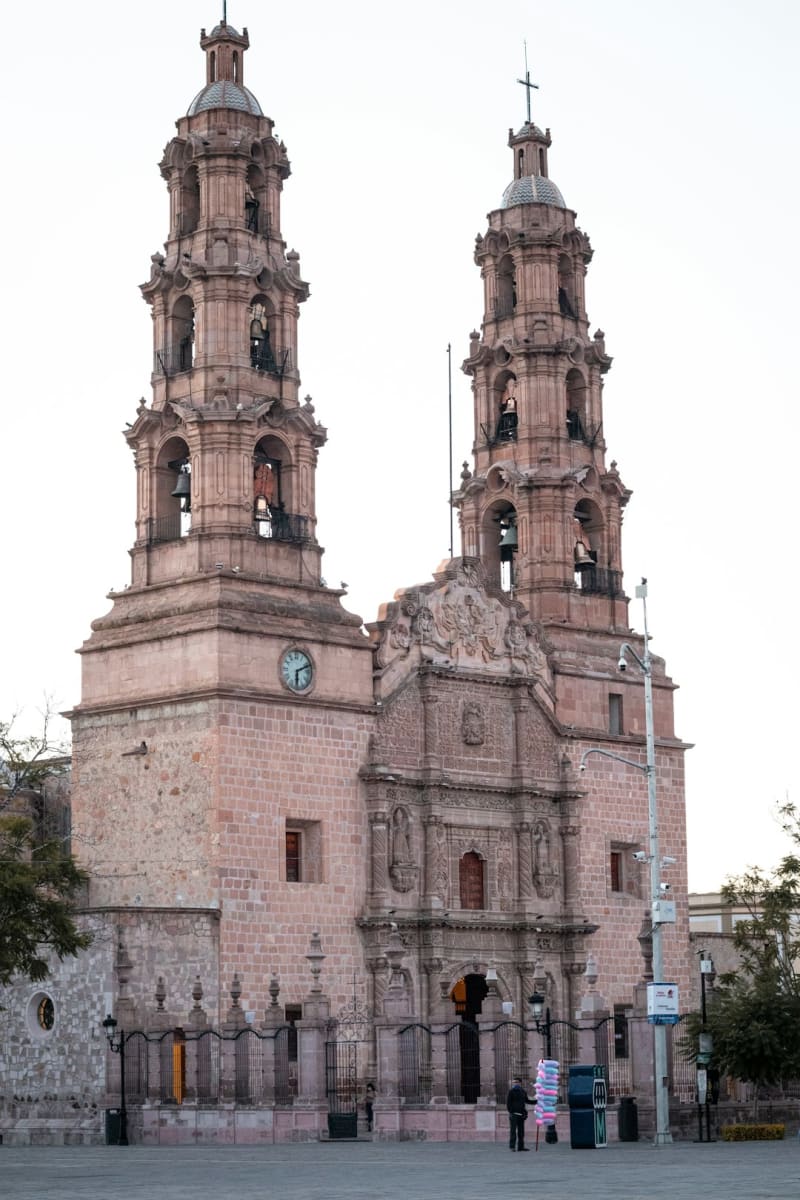 mexico
 Huépac
Huépac is a seventeenth-century Jesuit mission town folded into the Sonora River valley so quietly that the highway barely acknowledges it. A whitewashed church, a shaded plaza, old men playing cards under fig trees — the kind of place that asks nothing of you except that you slow down.
Explore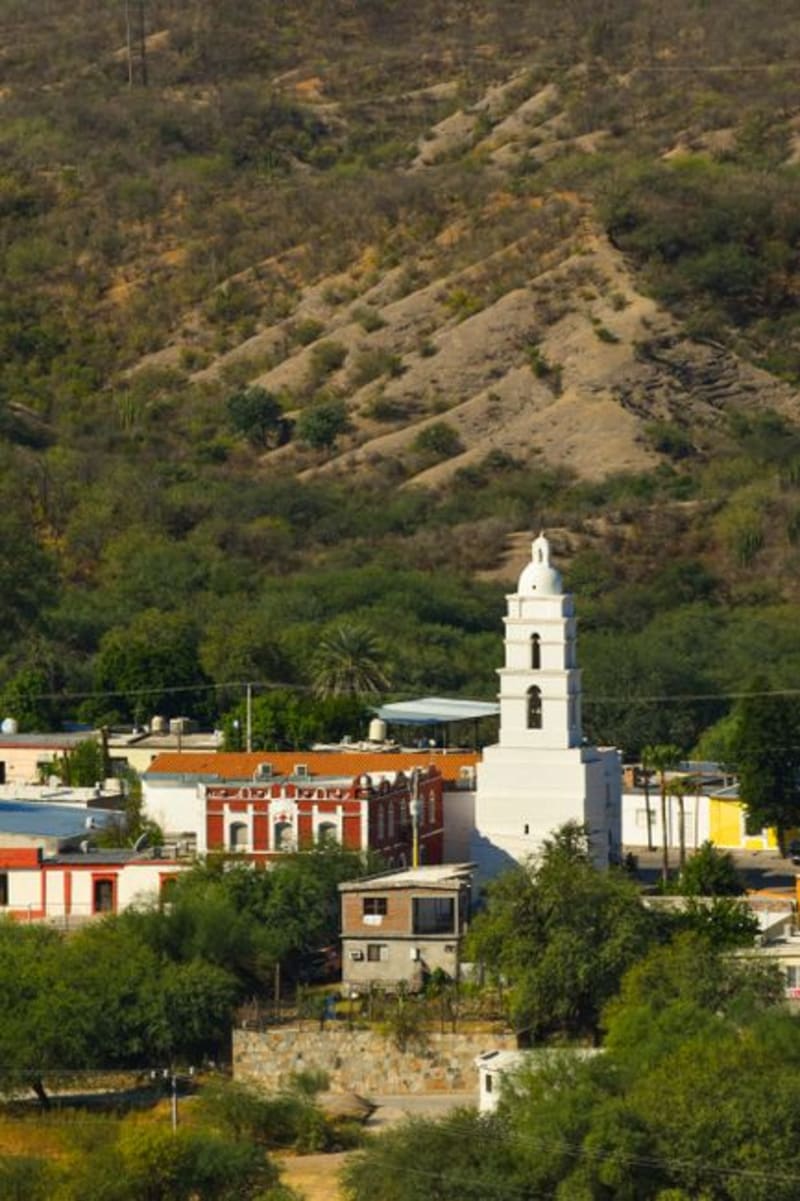 mexico
 Arizpe
Arizpe is a canyon town of three thousand people on the Río Sonora, once the seat of the Comandancia General de las Provincias Internas — an 18th-century capital governing territory that stretched from California to Texas. Its colonial church holds the remains of Juan Bautista de Anza, the man who founded San Francisco but died here, far from anything named after him. The gap between that monumental past and the goats-crossing-the-plaza present is what makes Arizpe unlike anywhere else in Sonora.
Explore