
Moctezuma
"A rancher in a good hat pointed me toward the thermal pool behind his property with the air of someone sharing nothing remarkable — and that, I have learned, is exactly the signal to follow."
On the sierra-facing edge of Sonora, where desert flats give way to oak-and-pine foothills, Moctezuma has been quietly minding its own business for four centuries. Its mission church and portaled plaza sit largely undisturbed by the pace of the rest of the state, while thermal pools and exceptional birding wait in the canyons beyond town.

I pulled into Moctezuma on a Tuesday afternoon in February, the road climbing out of the Sonoran flatlands through enough elevation change to bring oak trees and cool air before I was prepared for either. The plaza was nearly empty — a few schoolchildren, a man reading under the portales, a dog asleep in the sun. The Iglesia de Nuestra Señora de la Asunción faced it all with the mild authority of something that has seen many long afternoons. I had meant to stay one night. I stayed four.
The Thermal Waters
The canyons around Moctezuma hold thermal springs that locals treat with the same casual familiarity they give to the Sunday market — useful, pleasant, not worth dramatizing. The rancher who sent me to his family’s pool off the road toward Sahuaripa mentioned it the way someone mentions a good place to buy tortillas: matter-of-factly, with no particular ceremony. The water comes out of the hillside at around 38°C, clear and faintly sulphurous, collected in a hand-built concrete basin shaded by cottonwoods. I went at seven in the morning, before the birds quieted, and shared it with two older men discussing cattle prices with the focused seriousness the topic deserves. The surrounding sierra — oak and piñon pine, the occasional cypress leaning over the creek — is worth the trip even without the springs.

The Plaza and Its Saturday Morning Logic
The plaza isn’t designed for tourism — it’s designed for the people who live here, which is part of what makes sitting in it worthwhile. On Saturday mornings a small tianguis sets up along the Calle Morelos side: dried chiles, fresh queso menonita from nearby ranches, smoked machaca, small bags of pinole. I bought a bag from a woman who had been selling there for what I gathered was a very long time; she recommended mixing it into warm milk, which I did back at my guesthouse and found genuinely good. The Iglesia de Nuestra Señora de la Asunción dates to the late 17th century. Its facade is plain, the interior plainer still — which, after the gilded excess of other colonial churches I have visited, felt almost like relief.

Birding the Río Moctezuma
The Río Moctezuma flows through a valley below town, and the riparian corridor it creates is quietly exceptional for birding — quietly being the operative word, since almost no one talks about it. I spent two mornings on the trail that follows the east bank south from the main bridge and logged zone-tailed hawk, elegant trogon, and a pair of thick-billed kingbirds that seemed entirely unconcerned with my presence. The light is best before nine. Bring water and accept that the trail’s signage is optimistic at best.

Getting There
Moctezuma sits about 220 kilometers northeast of Hermosillo via Carretera 14 and then Carretera 89 through Ures. The drive takes roughly three hours on entirely paved road. There is no bus service worth planning around — a car is the practical choice. Fuel up in Ures; options thin out considerably after that.
Keep exploring
More of Sonora
Keep exploring
More from Sonora
 mexico
 Álvaro Obregón
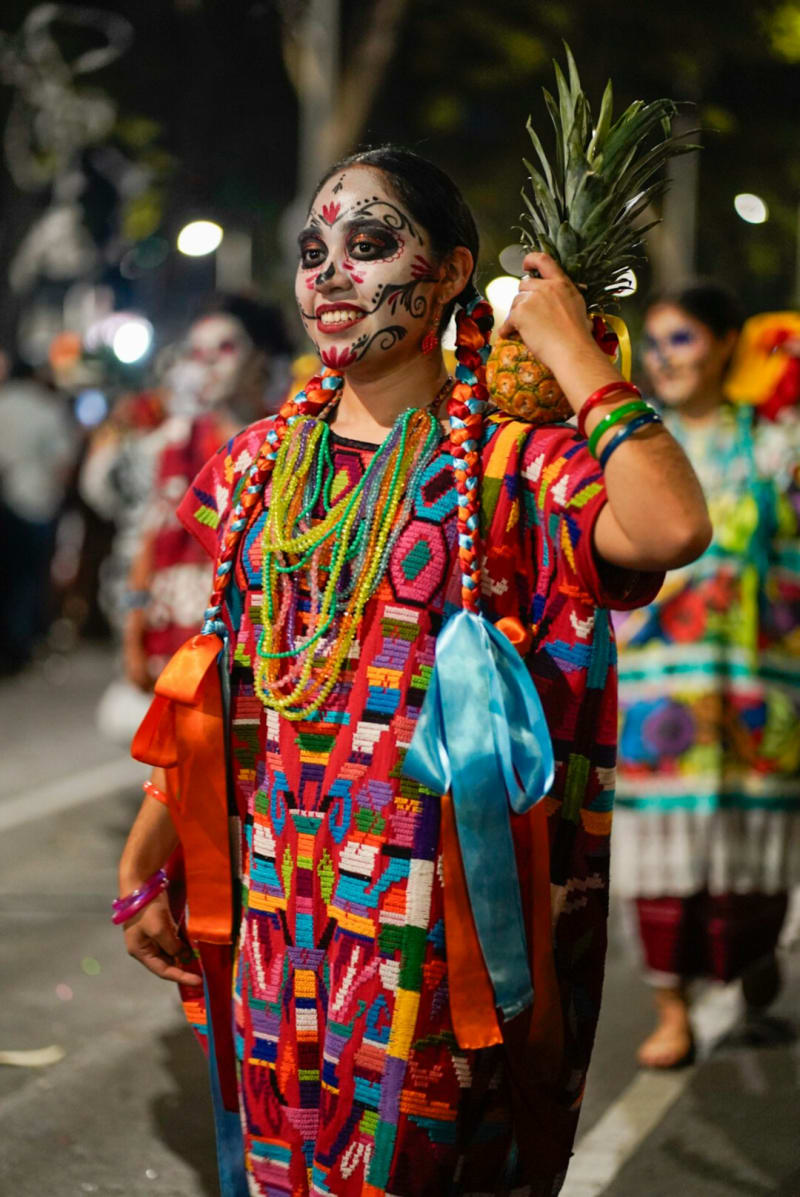
Ciudad Obregón does not try to charm you, and that is its integrity. Built on the agricultural wealth of the Valle del Yaqui and shaped by the Yaqui people who have lived along this river for centuries, it is one of those places where real life moves without any audience in mind — ceremonies that predate Mexico, food that comes from the earth five kilometers away, a monument to a one-armed general who earned his name.
Explore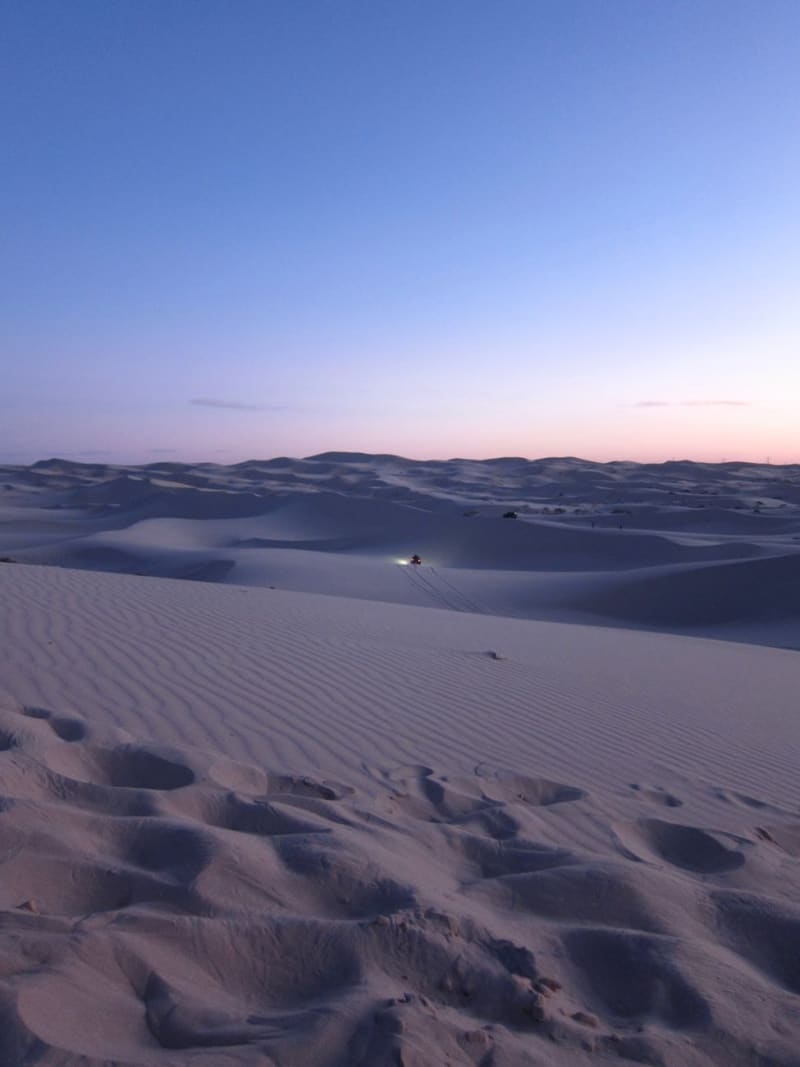 mexico
 El Pinacate
El Pinacate is a UNESCO World Heritage biosphere reserve in northwest Sonora — a volcanic shield of black basalt lava flows, cinder cones, and enormous maar craters that NASA used to train Apollo astronauts because the terrain resembles the moon. Adjacent to it, the Gran Desierto de Altar holds the largest active sand dune field in North America. I drove in at dawn and stood on the rim of the Santa Clara maar for a long time without speaking.
Explore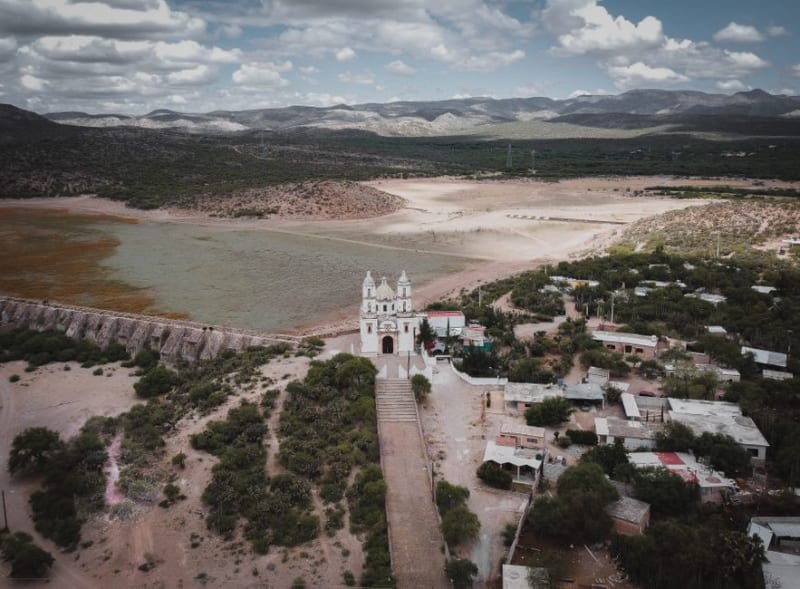 mexico
 Álamos
A colonial silver town hidden in the Sonoran thorn forest — the most remote UNESCO heritage town in Mexico, world-class winter birding in the tropical dry forest, and a village so beautiful that a wave of American artists moved there in the 1940s and never left.
Explore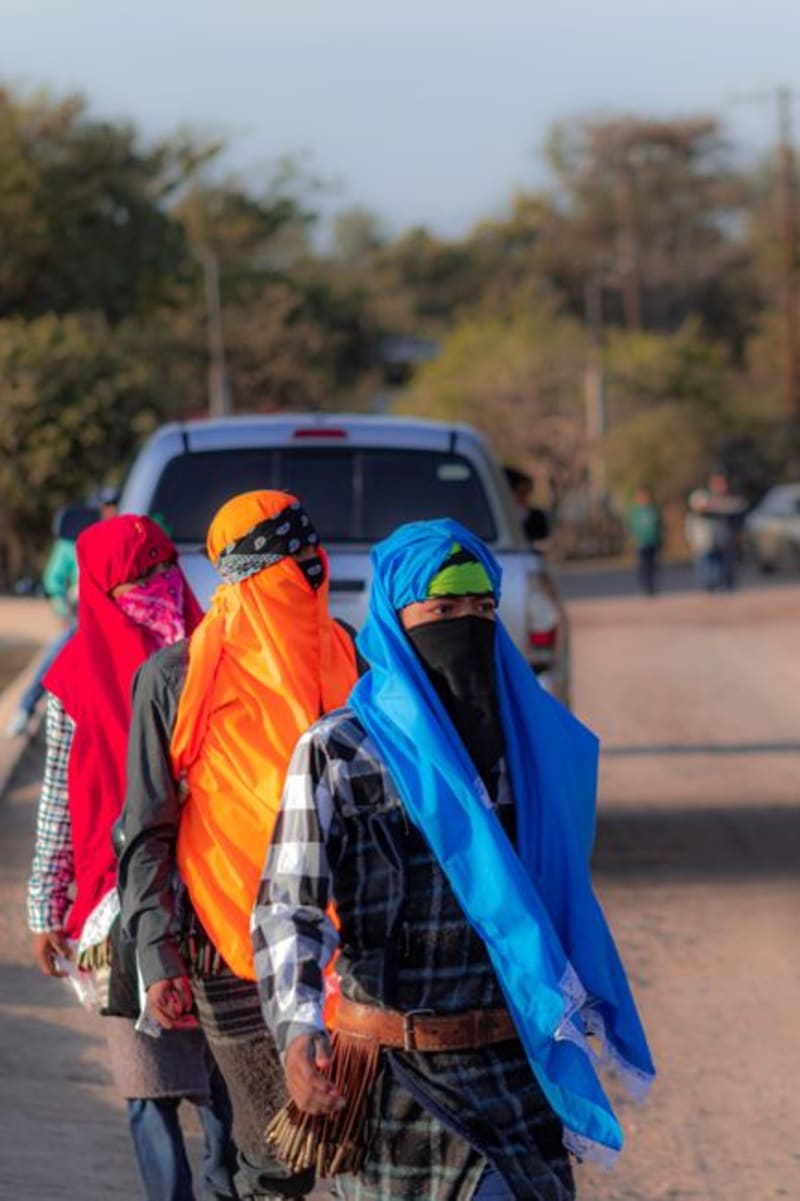 mexico
 Navojoa
Navojoa is a working agricultural hub in southern Sonora where the Mayo people have been farming the river valley for centuries. The city itself is plain and purposeful, but the surrounding pueblos hold one of the most compelling ceremonial calendars in northern Mexico, including the deer dance that unfolds each Semana Santa.
Explore mexico
 Yécora
At 1,800 meters in the Sierra Madre Occidental, Yécora is the Sonora nobody imagines: pine-oak forests, cold summer mornings, and the smell of resin where you expected desert dust. The drive up from Ciudad Obregón is long and the town is small, but the air alone justifies the climb.
Explore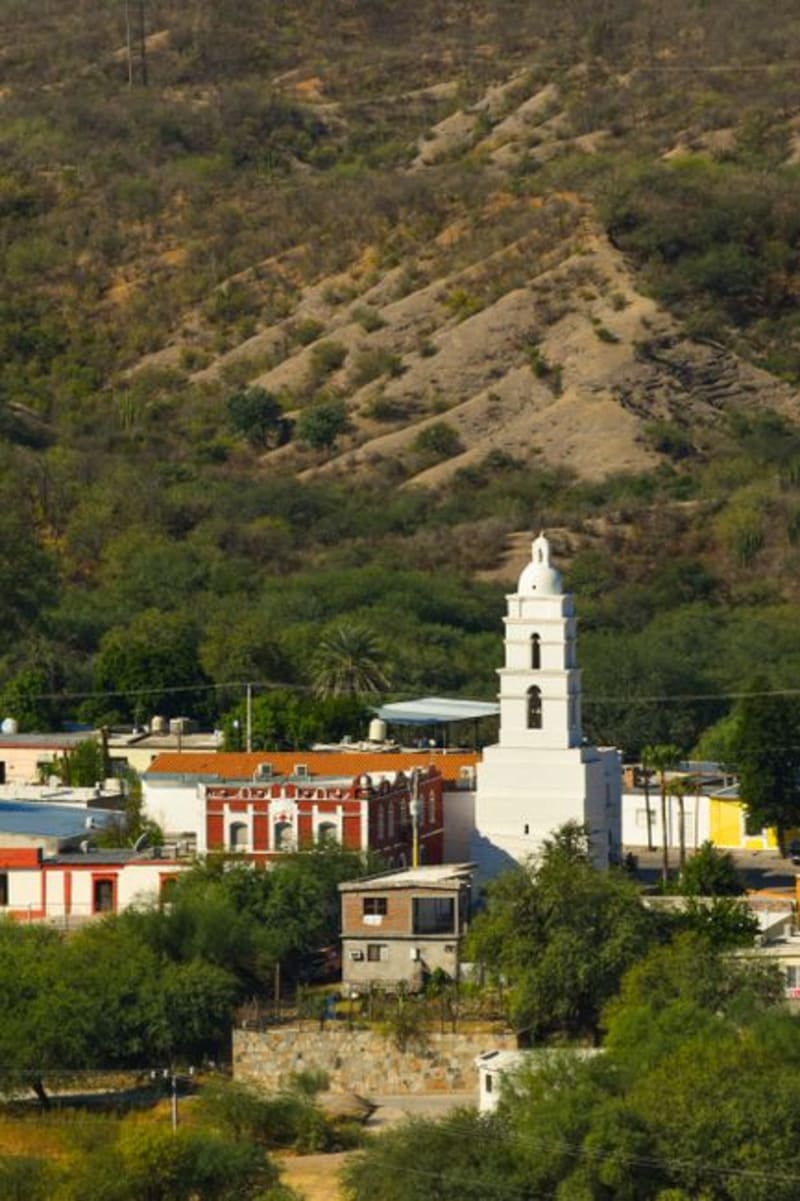 mexico
 Onavas
Onavas is the smallest Pueblo Mágico in Mexico, a settlement of fewer than 500 people tucked into the Yaqui River canyon in eastern Sonora. The drive in alone justifies the detour, and the Semana Santa rituals here — where Yaqui ceremony and Catholic tradition have been fusing for centuries — are unlike anything I have seen anywhere else in the north.
Explore