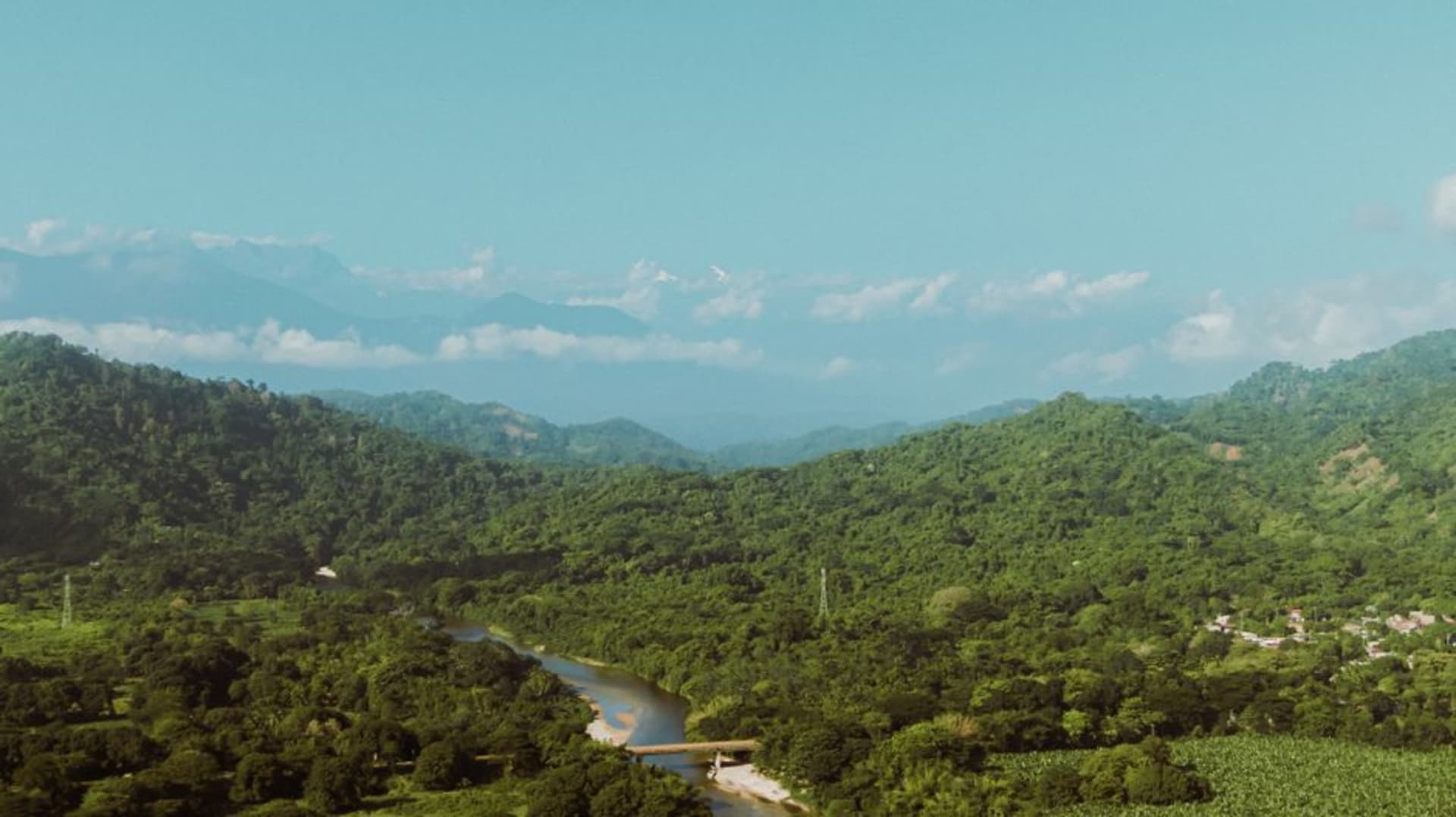
A historic mountain village on the Río Bavispe in far eastern Sonora — a former colonial presidio and mission town ringed by the Sierra Madre, and the place the great 1887 earthquake nearly erased. Remote ranch country where the memory of that morning is still, in a real sense, the town's founding story.

I reached Bavispe in the flat gold light of the late afternoon, after a drive up the river valley that felt like leaving one Mexico for an older, harder one. The village sits low along the Río Bavispe, mountains rising on every side, and there’s an immediate sense — hard to name at first — of a place that has been here a long time and has survived things. I learned why soon enough. Bavispe was founded as a presidio and mission on this frontier, one of the fortified outposts strung along the edge of the Apache country, and then, on a May morning in 1887, the greatest earthquake in Sonora’s recorded history brought much of it down and killed people in these very streets. You feel that history here the way you feel a scar under a shirt.
The Presidio and the Mission
Bavispe’s bones are colonial and military — a presidio town, built to hold a violent frontier, with the mission church at its center the way faith and force were paired in these outposts. What stands today stands partly because it was rebuilt after 1887, and you can read that in the buildings if you look: the plainness, the thickness, the sense of a town that has learned not to over-invest in the fragile. The church on the plaza is the anchor, as it is in all these Sierra villages, cool and dim inside against the valley heat. An old man sitting in its shade told me his grandmother had told him about the terremoto, how the story comes down through families still, generation to generation, as though it happened to someone they knew — which, in the way these places hold time, it more or less did.

The Morning the Mountains Shook
The 1887 earthquake is the defining local memory, and it isn’t hard to understand why a village would organize its sense of itself around a single morning. The quake ruptured along a fault right here in the eastern Sierra, one of the largest in the region’s history, and Bavispe was close enough to the epicenter that the destruction was near-total. People still point out, half-consciously, what came before and what came after. Walking the streets with that in mind changes them — you notice how the town sits in the lap of these mountains, how the same ranges that shelter it are the ones that once betrayed it. There’s no grand memorial, no museum I could find, just the fact of it living on in conversation, in the age of the rebuilt walls, in the particular fatalism of people who ranch a beautiful and dangerous country.

Ranch Country, Far From Everything
Beyond its history, Bavispe is simply a ranching village at the end of a long road, and its daily life is the daily life of remote cattle country — pickups and horses, dust and hay, men in worn hats and the unhurried competence of people who work the land. In the evening the plaza came slowly alive with the small rituals of a place where everyone knows everyone: a few teenagers by the kiosk, an old couple walking the perimeter, the smell of woodsmoke and cooking drifting between houses as the cold came down off the mountains. I ate simply, spoke a little with strangers who became briefly less strange, and understood that Bavispe’s remoteness is not a hardship to the people here but the whole shape of a life they’ve chosen or inherited and mostly don’t question. To pass through is a privilege you feel you should be quiet about.

Getting There
Bavispe lies in far eastern Sonora on the Río Bavispe, in the Sierra Madre near Bacerac and Huachinera, roughly four to five hours by road from Hermosillo via Moctezuma and up the river valley. The final stretches are quiet mountain highway; fuel is scarce, so fill up before you commit to the valley. Bus service is limited and slow — a car is the practical way in, and gives you the freedom to reach the neighboring villages up the river. Go for the history and the silence, and give the place the unhurried attention it’s earned.
Keep exploring
More of Sonora
Keep exploring
More from Sonora
 mexico
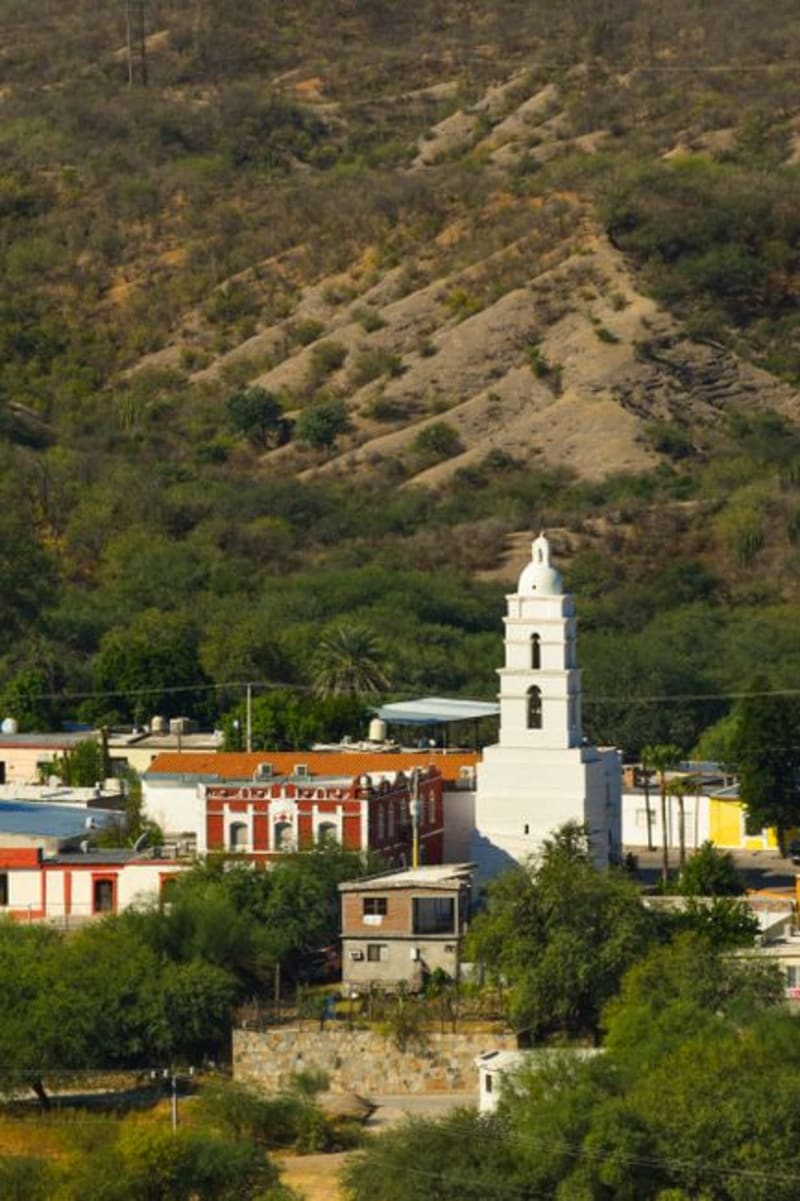
 Bacerac
A small village in the Río Bavispe valley of Sonora's Sierra Alta — an old mission church above a river lined with cottonwoods, irrigated fields hemmed in by mountains, and the particular quiet of a place that ranching has kept and tourism has never found. Neighbor to Huachinera and Bavispe, at the far eastern edge of the state.
Explore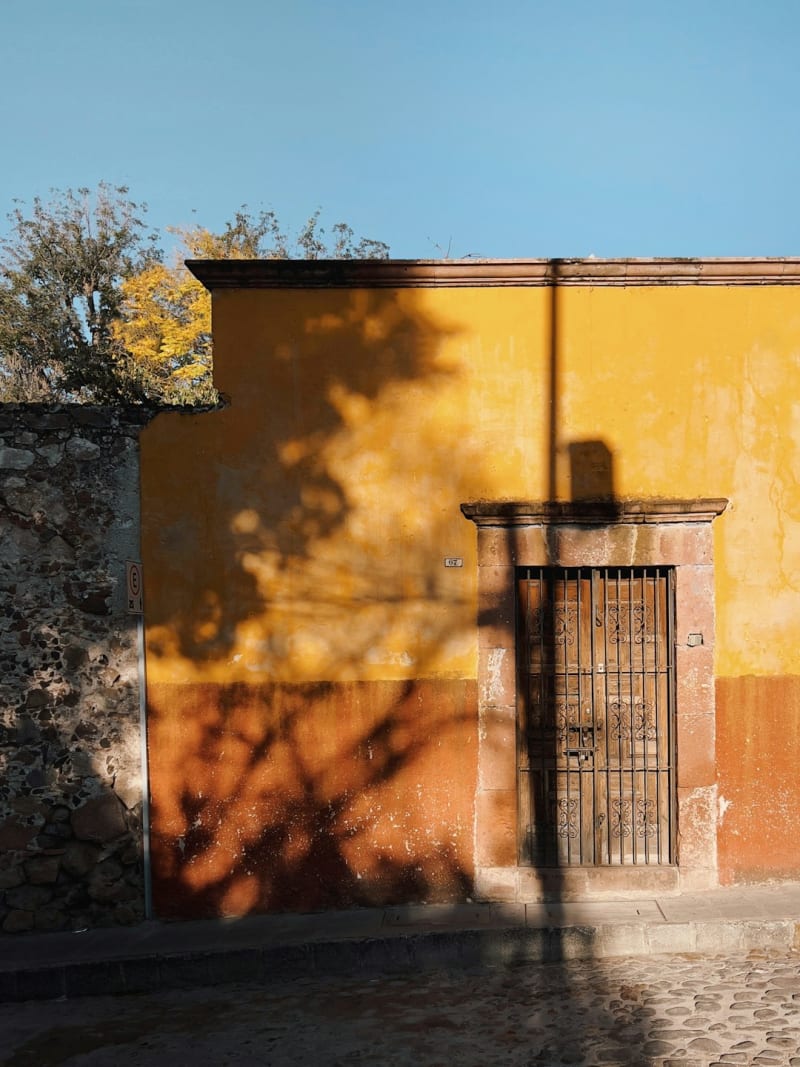 mexico
 Huachinera
A remote ranching village in the Sierra Alta of eastern Sonora, in the Río Bavispe valley near the Chihuahua border. Adobe houses and a mission-era church, cottonwoods along the river, huge silent mountains, and the weight of Apache history — this was Gerónimo's homeland.
Explore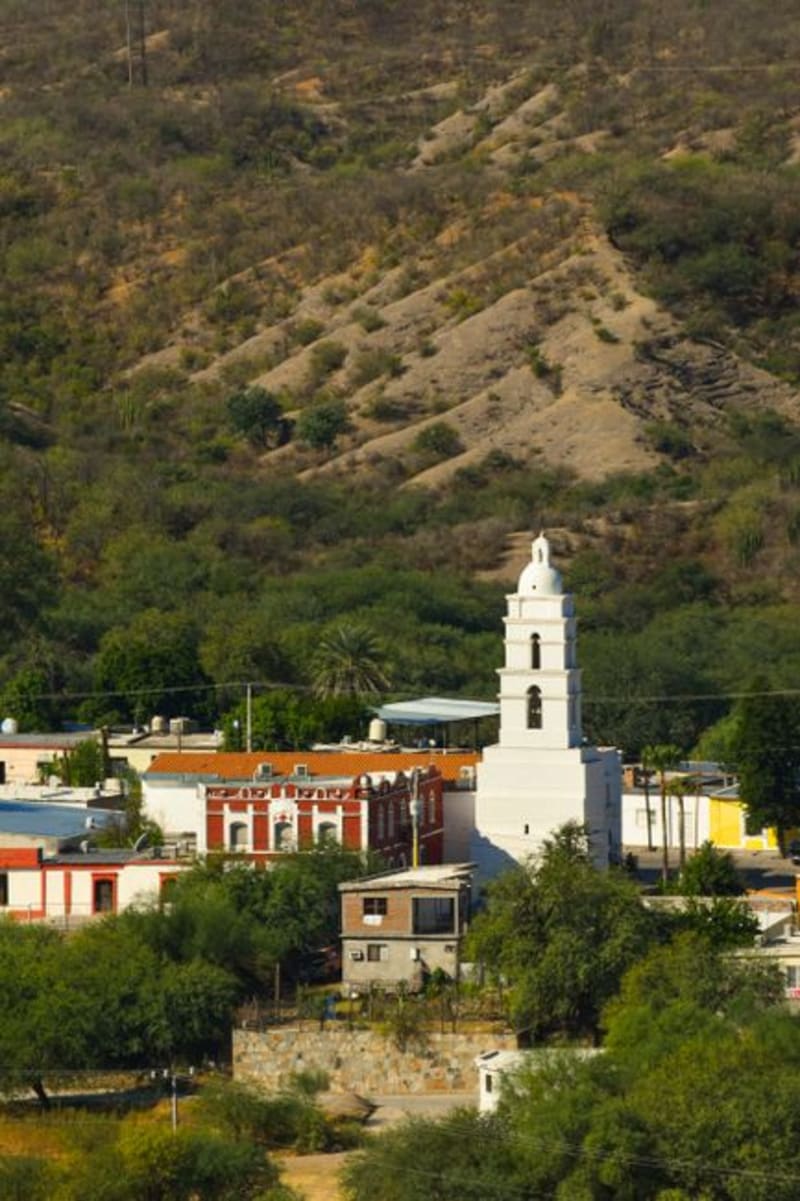 mexico
 Bacadéhuachi
A ranching village at the literal end of the road in the eastern Sierra of Sonora, built around one of the oldest mission churches in the northern mountains. Adobe houses, oak-and-pine ridgelines, a river below town, and the kind of quiet that only arrives when the pavement finally gives up.
Explore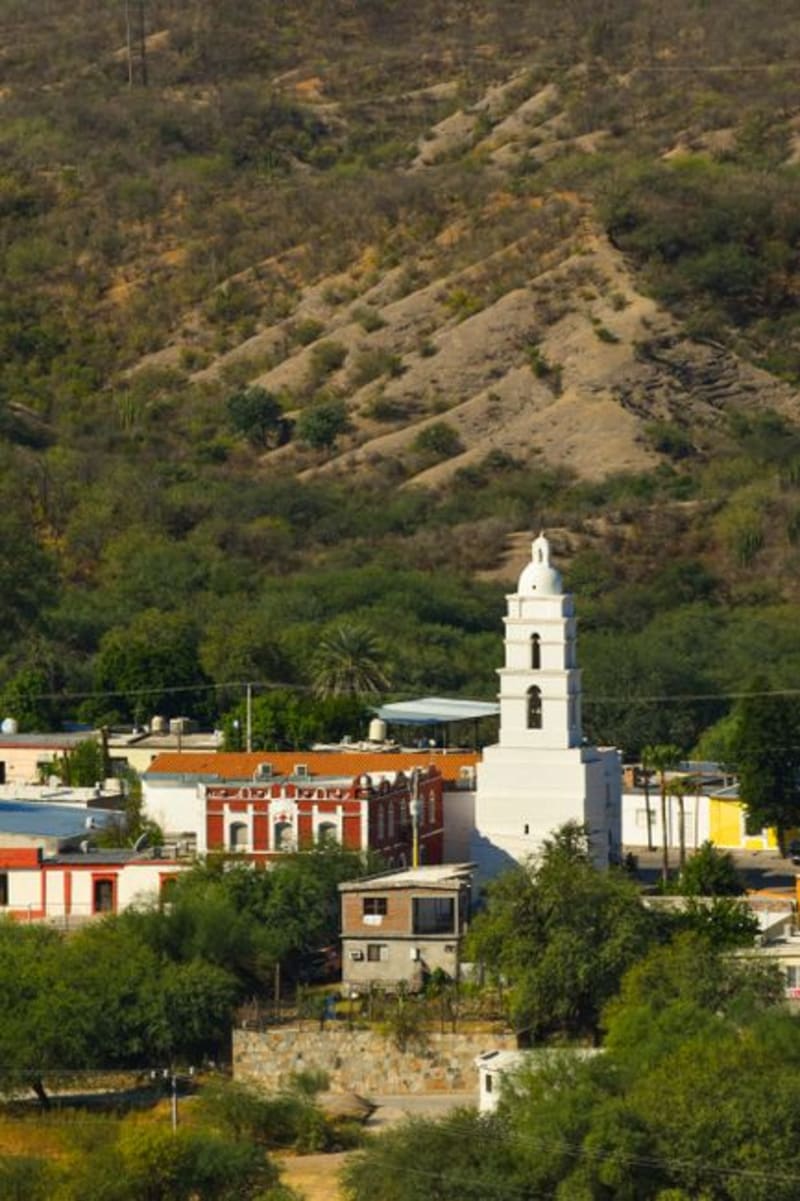 mexico
 Arizpe
Arizpe is a canyon town of three thousand people on the Río Sonora, once the seat of the Comandancia General de las Provincias Internas — an 18th-century capital governing territory that stretched from California to Texas. Its colonial church holds the remains of Juan Bautista de Anza, the man who founded San Francisco but died here, far from anything named after him. The gap between that monumental past and the goats-crossing-the-plaza present is what makes Arizpe unlike anywhere else in Sonora.
Explore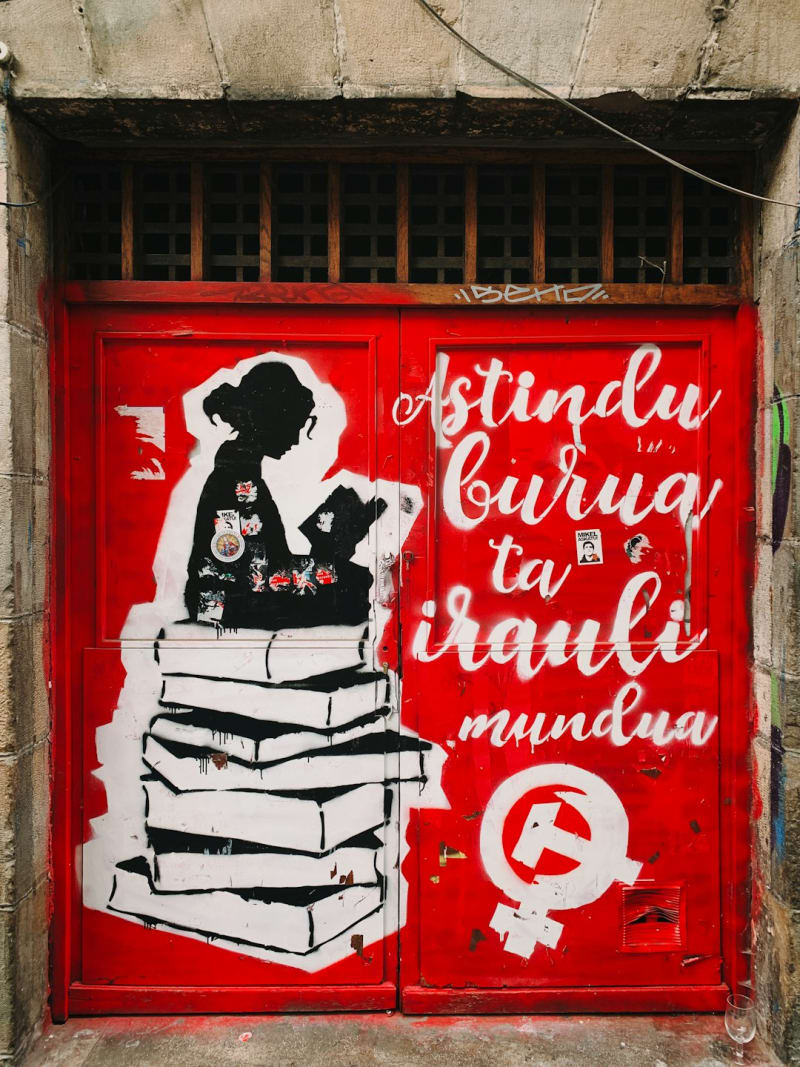 mexico
 Cananea
In 1906, copper miners in Cananea walked off the job and lit one of the fuses that became the Mexican Revolution. The murals covering the city centre still commemorate that moment with a raw intensity no history textbook can replicate. The open-pit mine next door — one of the world's largest — ensures the city has never had the luxury of forgetting where it came from.
Explore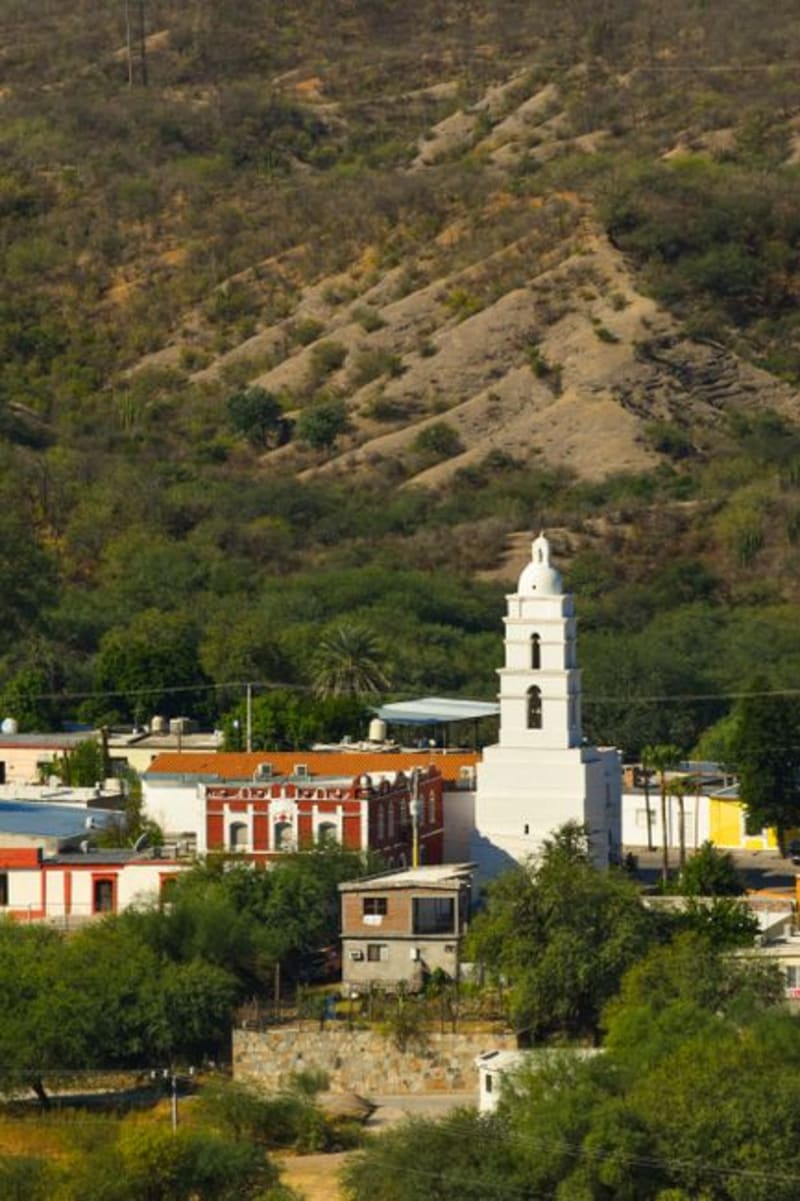 mexico
 Banámichi
A colonial village in the Río Sonora valley where orchards of quince and pomegranate line both banks of the river and the pink facade of La Purísima glows at dusk without a tourist in sight. The cheese is pressed in family courtyards, the mezcal arrives without a label, and the Ruta del Río Sonora passes through without quite disturbing any of it.
Explore