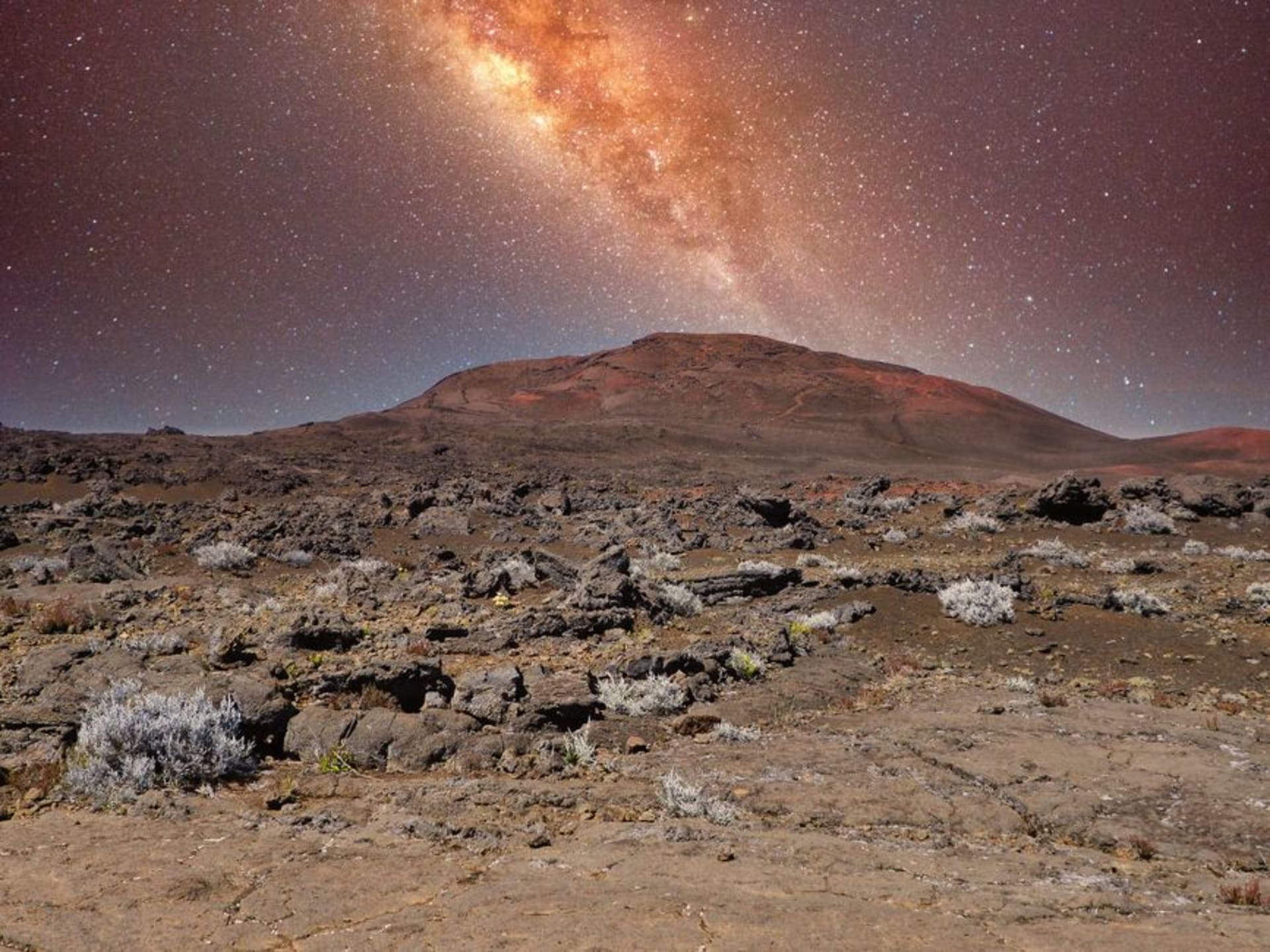
Sonoyta
"You cross from a gas station and a Oxxo into a landscape that looks like the moon decided to go red. I kept expecting to see a rover."
Sonoyta sits at the Arizona border, unremarkable on its face — until you drive twenty minutes south into the Pinacate Biosphere Reserve and find yourself standing on a lava field so alien that NASA sent Apollo astronauts here to practice. The contrast between the Oxxo by the crossing and the volcanic craters beyond it is one of the more quietly disorienting things I have experienced in Mexico.

I stopped in Sonoyta because I had to — the tank needed filling before the long push south through Sonora, and I figured I would grab a torta and move on. That was two years ago, and I still think about standing at the rim of El Elegante crater at six in the morning, the sky the color of a bruise turning yellow, not another person within ten kilometers of me. Sonoyta taught me not to judge a border town by its Pemex.
The Pinacate and What It Does to Your Sense of Scale
The Reserva de la Biosfera El Pinacate y Gran Desierto de Altar begins almost immediately south of town on Highway 8, and nothing about the drive prepares you for the moment the road lifts and the lava fields open up on either side. This is one of North America’s youngest volcanic landscapes — geologically speaking, it was active recently enough that the rock still looks freshly broken, all sharp obsidian edges and rust-colored cinders. The park contains ten large shield volcanoes and more than four hundred craters, the most dramatic of which is El Elegante: nearly a kilometer wide and three hundred meters deep, a perfect circular collapse that drops away without warning from the flat desert floor.
NASA chose this place in the late 1960s because the basalt fields and crater morphology so closely mimic the lunar surface. The astronauts practiced here with their equipment, and you can feel exactly why — it is disorienting in a way that good landscapes rarely are. The sense of scale keeps resetting. A boulder you thought was close turns out to be the size of a house and a hundred meters away.

The Town Itself, Which Is Exactly What It Is
Sonoyta proper is a working border crossing, and it does not pretend otherwise. The main drag along Avenida Internacional runs parallel to the fence, and the businesses are the ones you expect: farmacias, auto parts, a handful of mariscos places where the caldo de camarón is made properly thick and the shrimp come whole. I had breakfast at a small comedor two blocks east of the main crossing — eggs with machaca and flour tortillas the size of a dinner plate, the kind of meal that is entirely unremarkable and entirely right. The woman running it told me I was the first non-border-crosser she had served in a week. I believed her, and I did not think it was a problem.

Desert Light and When to Go
The Pinacate is brutal in summer — temperatures above 45°C are routine between June and September, and the park strongly discourages backcountry access. October through April is the window, with January and February offering the clearest skies and the most forgiving temperatures for hiking to the crater rims. Dawn is not optional; it is mandatory. The light on the cinders at first sun is the kind of thing that makes you want a better camera than you own.

Getting There
Sonoyta is on Highway 8, directly south of Lukeville, Arizona. From Puerto Peñasco it is roughly ninety kilometers northwest — an easy day trip or a natural stop on a longer Sonoran loop. The Pinacate park entrance is about twenty-five kilometers south of town on the same highway; the access road to El Elegante crater adds another fifteen minutes of unpaved track, manageable in a regular car.
Keep exploring
More of Sonora
Keep exploring
More from Sonora
 mexico
 Puerto Peñasco
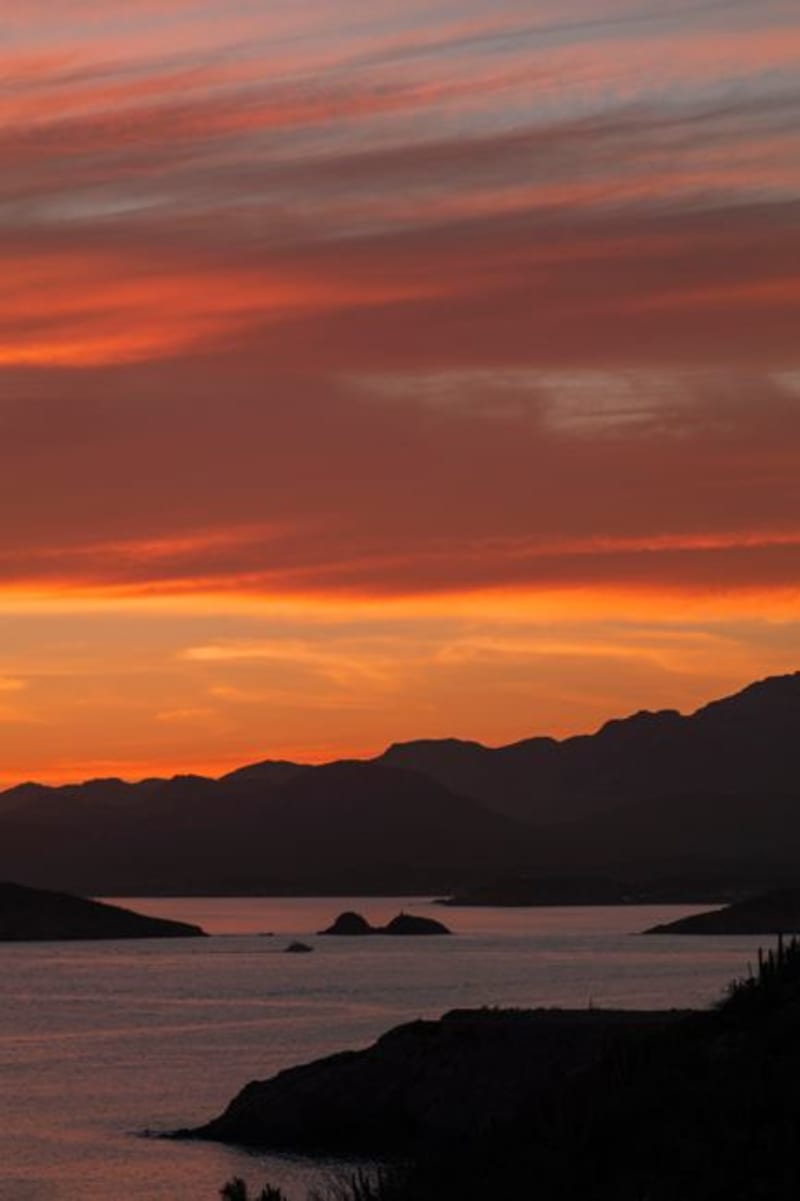
Puerto Peñasco sits at the end of a highway from Phoenix, which is why it became the beach town that Arizona technically does not have. The fish market still opens before dawn on its own schedule, indifferent to the spring break economy around it, and the tide pools at the rocky edge of the bay hold more life than anything behind glass.
Explore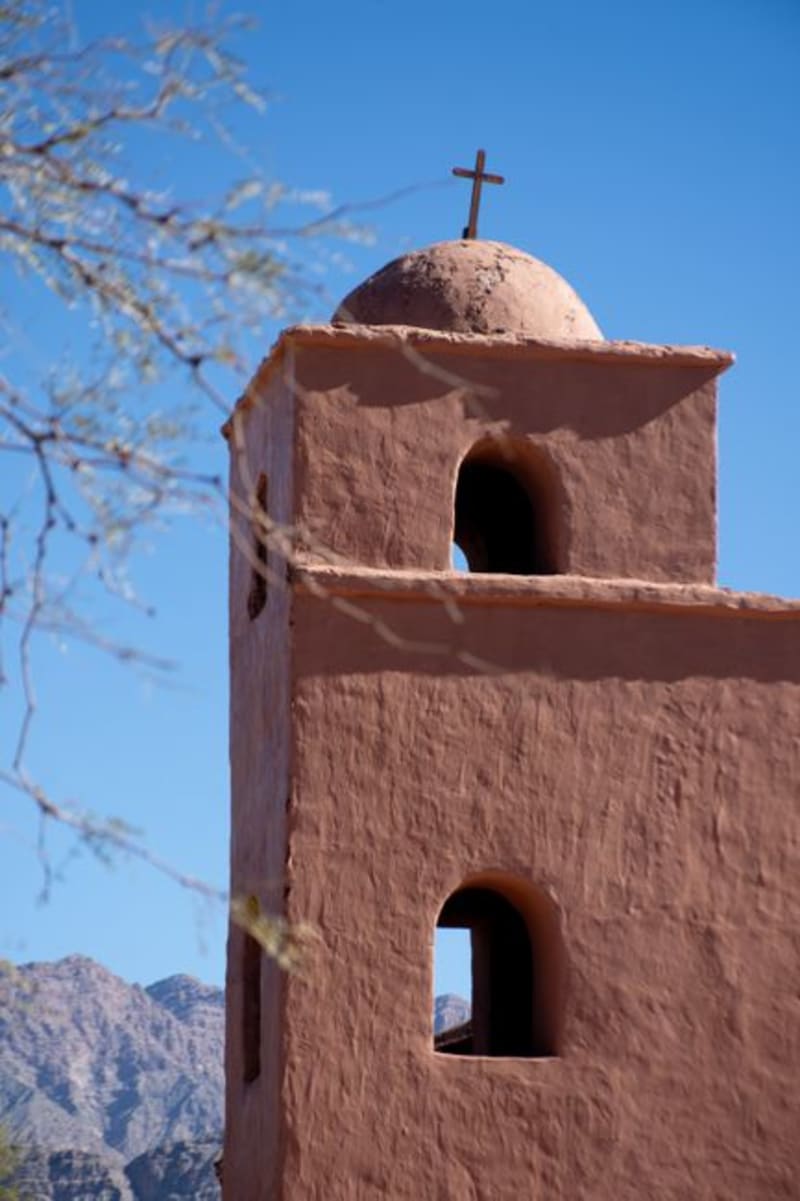 mexico
 Átil
Átil is a mission town of maybe 300 souls in the Altar Valley, most of them happy to leave you alone with their 18th-century Jesuit church. The facade has survived two and a half centuries of Sonoran desert without flinching. The dog who adopts you at the plaza edge has survived considerably less time but is equally steadfast.
Explore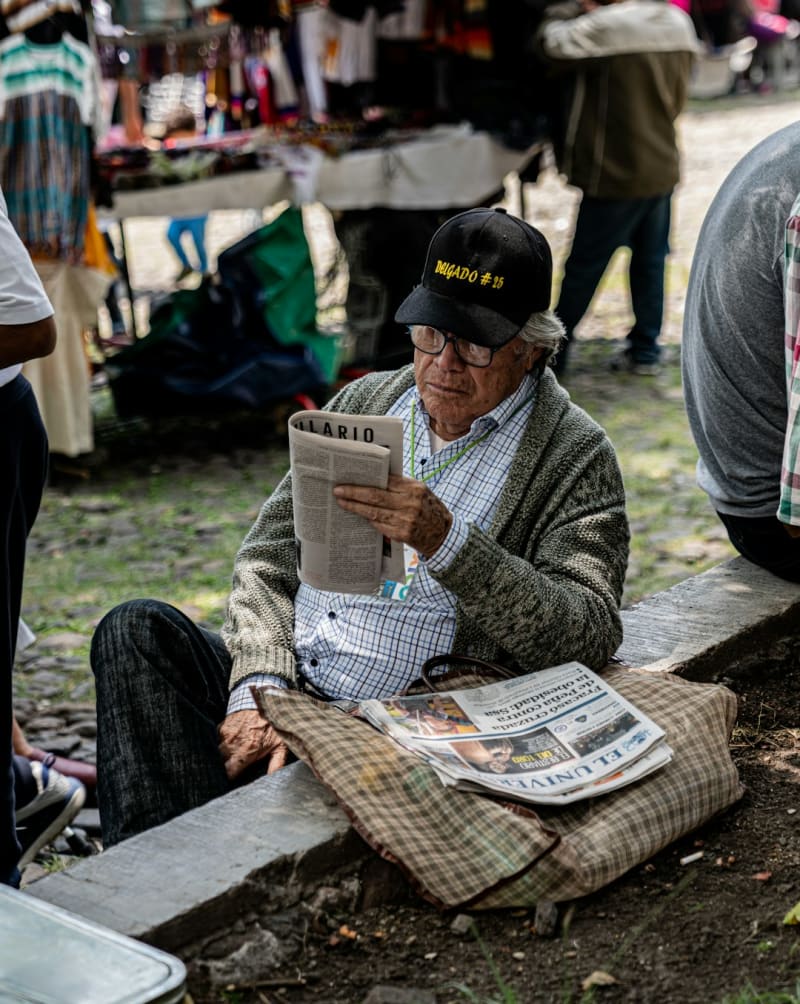 mexico
 Nogales
Nogales is two cities sharing a fence, and the contrast between the Sonoran and Arizonan sides makes every street corner feel like a sociology experiment. The doguitos — Sonoran hot dogs wrapped in bacon, beans, and mayo — are not optional. Neither is the Mercado Municipal, where the border economy shows itself in plain sight.
Explore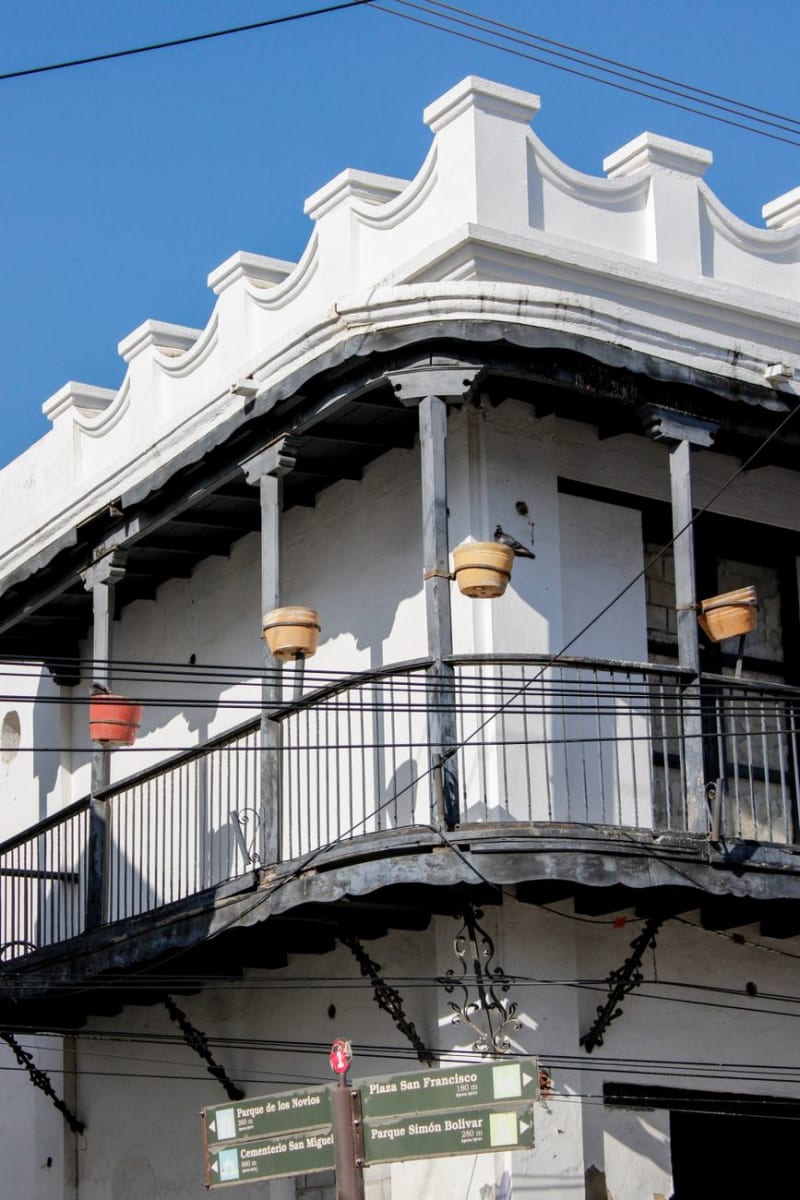 mexico
 Magdalena de Kino
A quiet Sonoran town where a 300-year-old Jesuit missionary lies beneath a glass floor in the central plaza — and every October, a hundred thousand pilgrims arrive to remind you this place is anything but ordinary.
Explore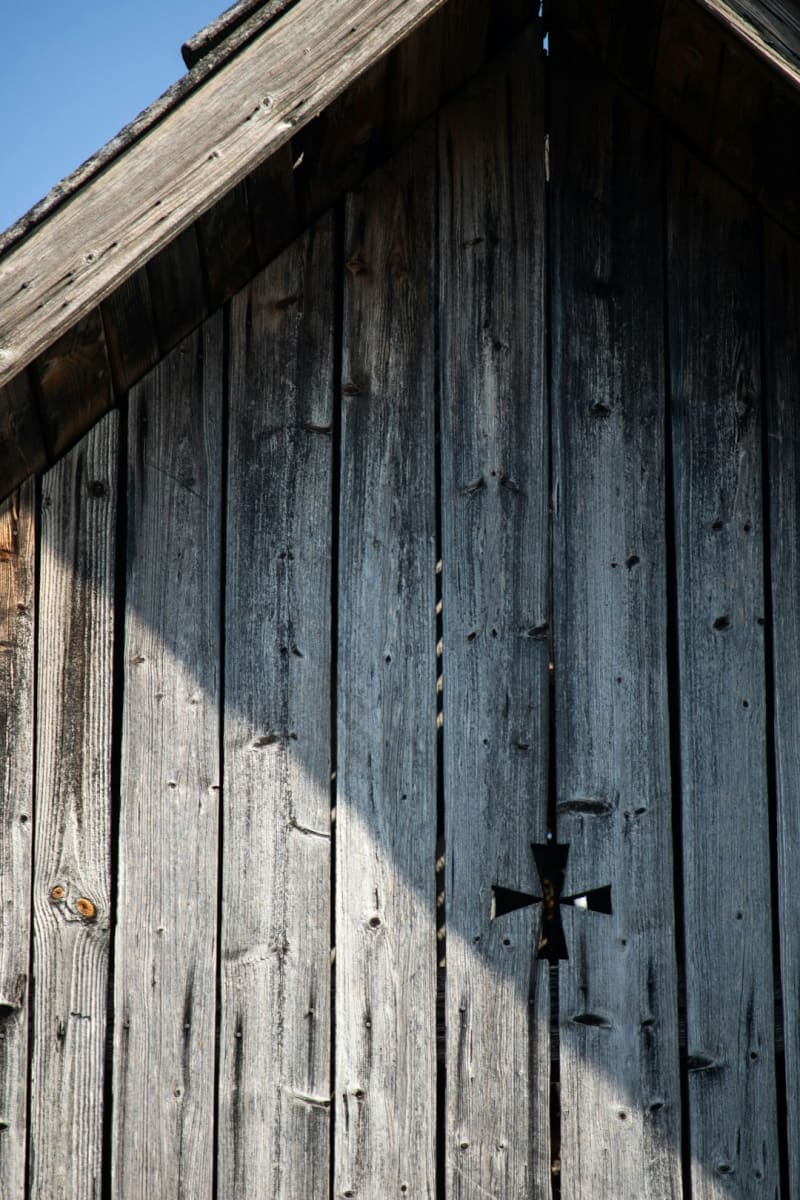 mexico
 Cucurpe
At the northern tip of the Ruta Rio Sonora, Cucurpe is the smallest and most remote of the river towns, pressed into a sierra fold where the road more or less gives up. The Jesuit mission is partly ruined, the streets are unpaved, and the silence arrives quickly.
Explore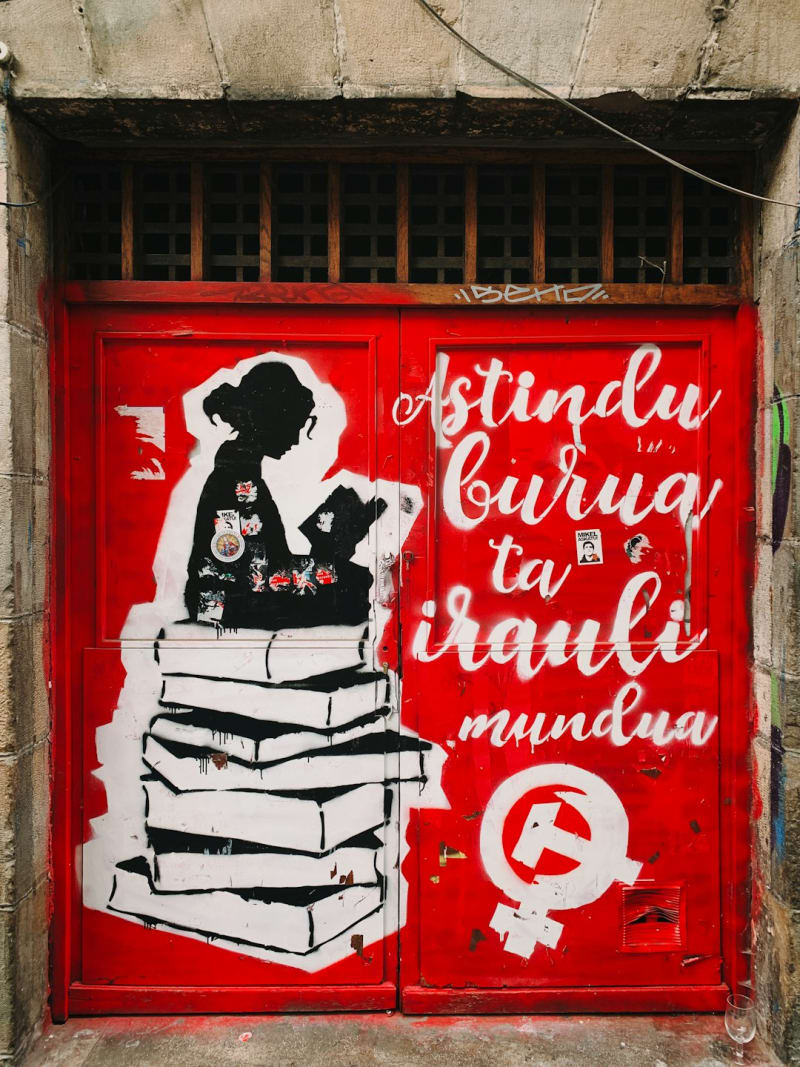 mexico
 Cananea
In 1906, copper miners in Cananea walked off the job and lit one of the fuses that became the Mexican Revolution. The murals covering the city centre still commemorate that moment with a raw intensity no history textbook can replicate. The open-pit mine next door — one of the world's largest — ensures the city has never had the luxury of forgetting where it came from.
Explore