
La Rumorosa
"I pulled over because my brain couldn't parse what it was seeing — boulders balanced on boulders, a sky too blue for a highway, and a cold I hadn't packed for."
A mountain pass in the Sierra Juárez where geology has arranged granite boulders the size of apartment buildings into formations that look staged. At 1,200 metres the wind never stops and most of the million people who drive through each year don't get out of their cars.

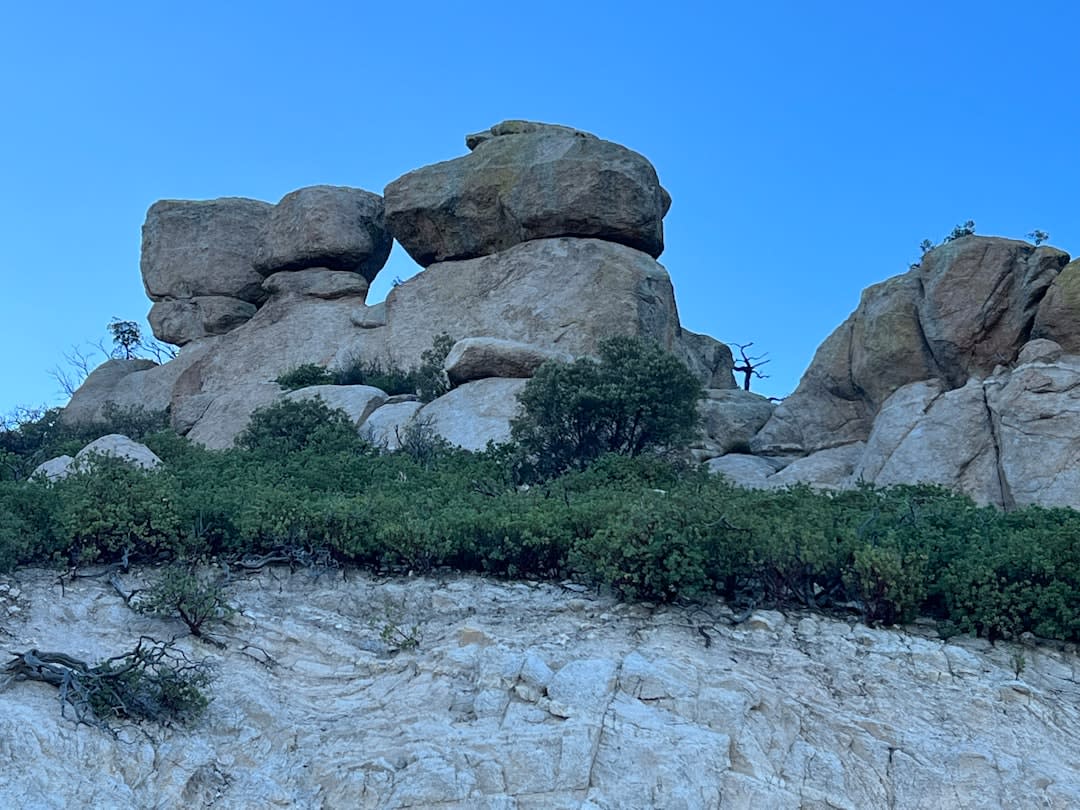
I was heading east toward Mexicali on a Tuesday in February, the kind of morning where the Tijuana traffic finally loosens its grip past La Mesa and you start to believe the drive might be pleasant. Then the road climbs and the chaparral drops away and something impossible appears on both sides of the highway: boulders the size of four-storey buildings, stacked and balanced in formations so deliberate they look staged. I pulled over at a dirt shoulder near kilometer 47. A truck hauling something industrial blew past and rocked my car. I had not packed a jacket.
What Geology Left Behind
The Sierra Juárez gets credit for the mountain, but the boulders are the story. These are Mesozoic granite formations, cracked and rounded by millions of years of thermal expansion and erosion, then repositioned by subsequent tectonic movement into configurations that look like a child’s work at a scale a child couldn’t reach. From the highway they read as backdrop. Once you step off the asphalt and walk into them, the scale recalibrates completely. You are standing in a canyon of stone where the light does specific things — amber at dawn from the Mexicali side, flat white by noon, then that late-afternoon gold that makes every surface look as though it has been varnished.
The wind at this pass earns the place its name: la rumorosa, the murmuring one. It does not stop. It comes from the northwest, funneled by the topography, and at certain hours it carries a low register you feel more than hear. I spent an hour scrambling over the lower formations with a thermos of coffee that went cold in twenty minutes, and I was not annoyed about it. The cold felt like part of the point.
The Town in the Lee of All That Drama
There is a small community called La Rumorosa that exists in the shelter of all this geology — a cluster of houses, a weekend tianguis, a handful of fondas running on what feels like a mining-camp schedule. I stopped at one with nothing visible from the road except a hand-lettered sign that said COMIDA. The woman running it was making birria de chivo, and the broth had that depth you get when someone has been cooking since before you arrived in the country. There was also a tray of tamales de rajas on the counter, wrapped in corn husks still steaming from the pot.
I ate standing up because the two tables were occupied by men in work boots who had the look of people for whom this fonda is simply lunch, not a discovery. The altitude makes everything taste sharper than it should, or maybe that is just the cold air forcing your attention.
Taking the Right Road
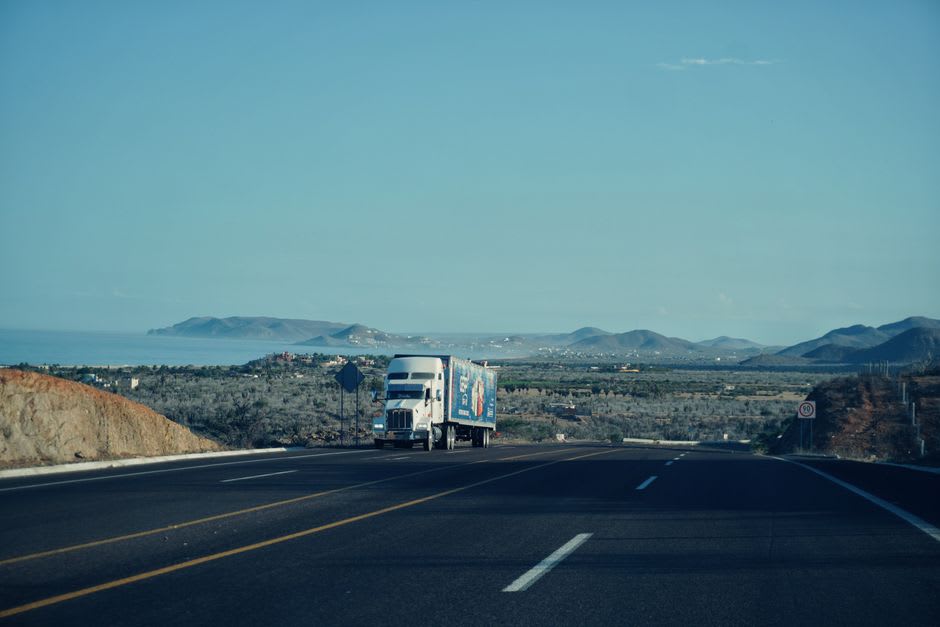
The practical reality of La Rumorosa is that most people don’t stop. They are on their way somewhere — the maquiladoras of Mexicali, the border crossings of Tijuana, the ferry at Ensenada. The highway 2D tollway bypasses the most dramatic formations entirely. You want the libre, the old free road, which switchbacks through the pass and puts you close enough to the rock faces to read the lichen on them.
Come in the morning if you can manage it. The eastern light hits the western faces of the boulders with a warmth the afternoon doesn’t replicate. Bring a real jacket even in April. The truck traffic will make the shoulder feel precarious; it isn’t. There is room to park, and what you will see once you are standing still is worth the twenty minutes it costs your schedule.
Getting There
La Rumorosa sits on Federal Highway 2, about 90 kilometres east of Tijuana and 50 kilometres west of Mexicali. From Tijuana allow 90 minutes; from Mexicali, 45. Take the libre rather than the toll road — it is slower and the reason you are here. There is no public transport that stops reliably at the pass. Best visited October through April; summer heat is manageable at elevation but the descent toward Mexicali can flood during August storms.
Keep exploring
More of Baja California
Keep exploring
More from Baja California
 mexico
 Laguna Hanson
Laguna Hanson is a high-altitude lake in the Sierra Juárez mountains of northern Baja California, reached by a rough road that climbs from coastal desert into pine-oak forest at 1,800 meters — a complete ecosystem change in under an hour of driving. The lake sits among granite boulders and Jeffrey pine, shallow and seasonal, and the night sky above it is the darkest I've encountered in Baja. I drove up from Ensenada, camped alone, and woke to cold mist on the water.
Explore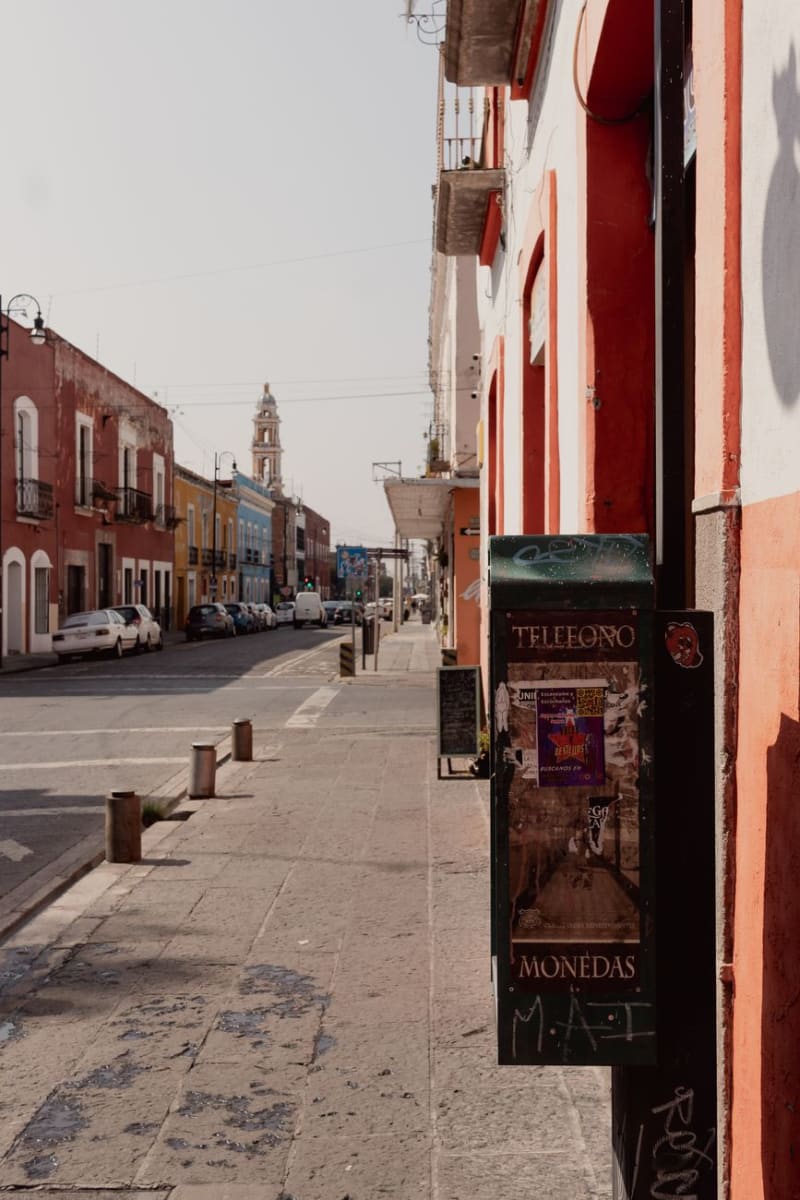 mexico
 Tecate
Tecate is the quietest border crossing on the Baja California frontier, a small city that the international boundary bisects without seeming to particularly upset — the plaza runs its own rhythms, the bakery sells Pan de Tecate in the mornings, and the Tecate Brewery, which has been producing beer here since 1944, perfumes the air above the main square with a faint note of hops that you either find comforting or unsettling depending on your position on industrial beer. I crossed from the California side expecting a border town and found something much more ordinary and much more interesting.
Explore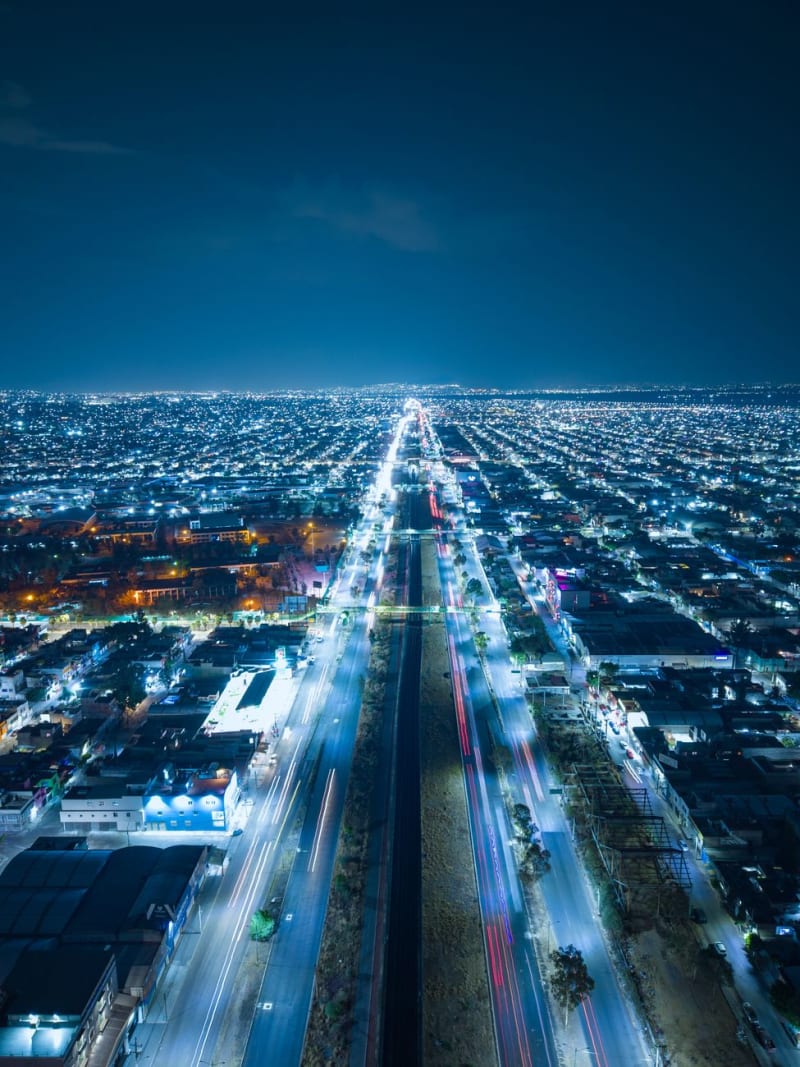 mexico
 Mexicali
Mexicali is the capital of Baja California, a desert border city pressed against Calexico, California, remarkable for one thing that makes no geographic sense: the best Chinese food in Mexico, concentrated in the Chinesca district and rooted in the 20th-century Chinese labor migration to the Colorado River delta. The heat in summer is serious enough to require planning. I went for the food and ate at a restaurant that has been open since 1960 from a laminated menu that had not been updated since roughly that date.
Explore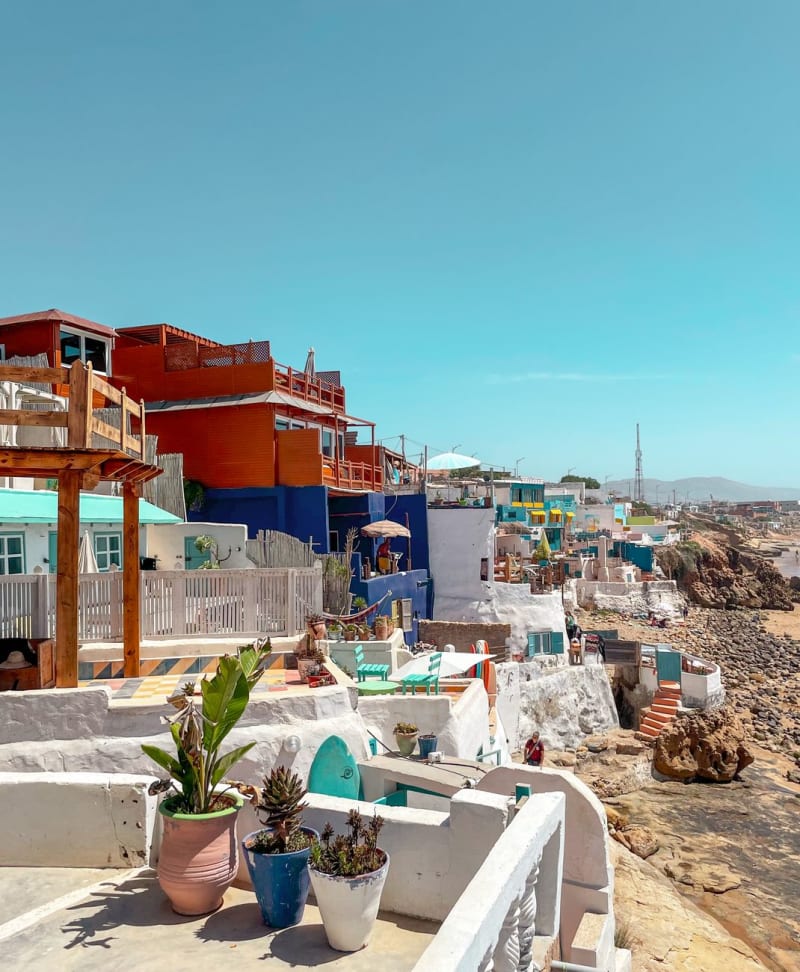 mexico
 Ensenada
Ensenada is a Pacific port city ninety minutes south of Tijuana where the morning fog sits low over the harbor until ten, the fish market opens before dawn, and the road east leads into wine country that no one outside of Mexico seems to know exists. I went for the Valle de Guadalupe and ended up staying for the tostadas de mariscos eaten standing up at eight in the morning, watching pelicans work the water.
Explore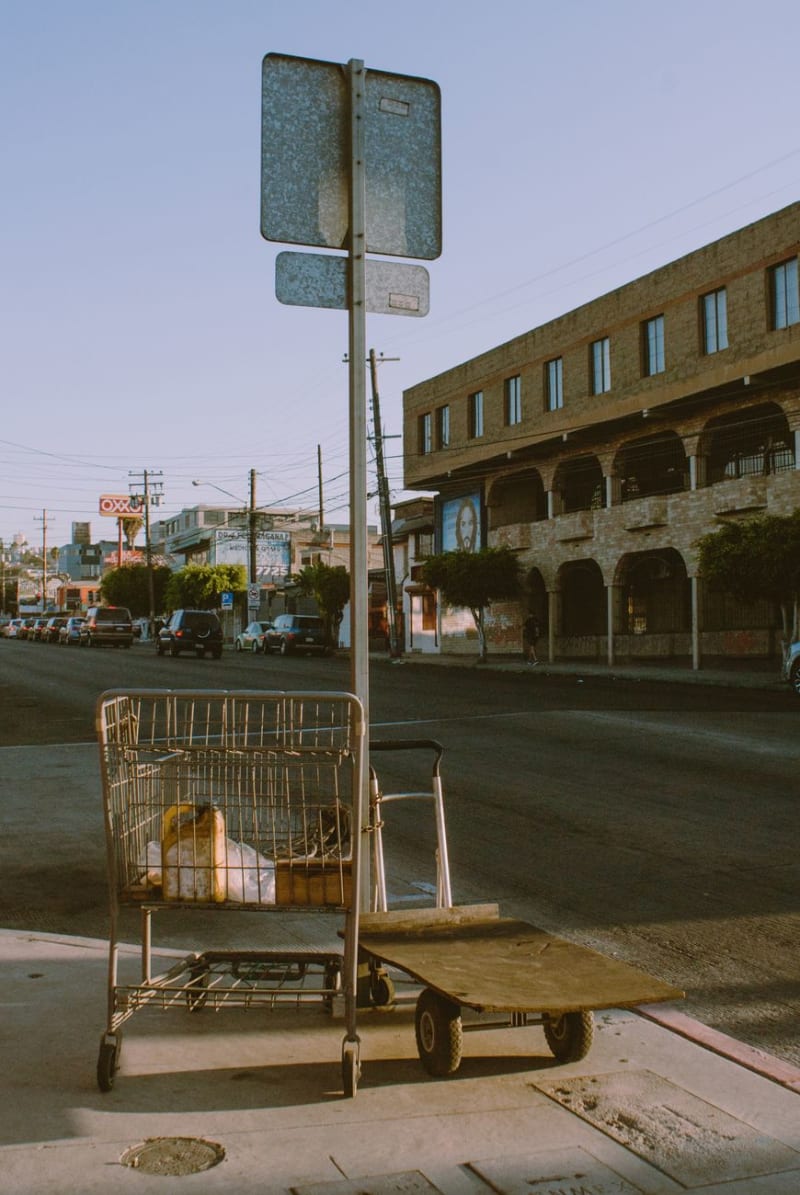 mexico
 Tijuana
Tijuana is the busiest land border crossing on the planet and one of the most genuinely misunderstood cities in North America — a place that has quietly built one of Mexico's most exciting food and craft-beer scenes while the world still pictures it through the lens of a 1980s thriller. I crossed into it on foot the first time half-expecting chaos and found instead a city that seemed to be in on a very good joke.
Explore mexico
 Rosarito
Rosarito sits on the Pacific coast of Baja California, thirty minutes south of Tijuana, where a long cold beach and a quietly serious food scene exist entirely on their own terms. The city was briefly famous for a Hollywood production in the 1990s and has since returned to being itself: a working coastal town with good fish tacos, consistent surf, and a malecón that looks best at dusk.
Explore