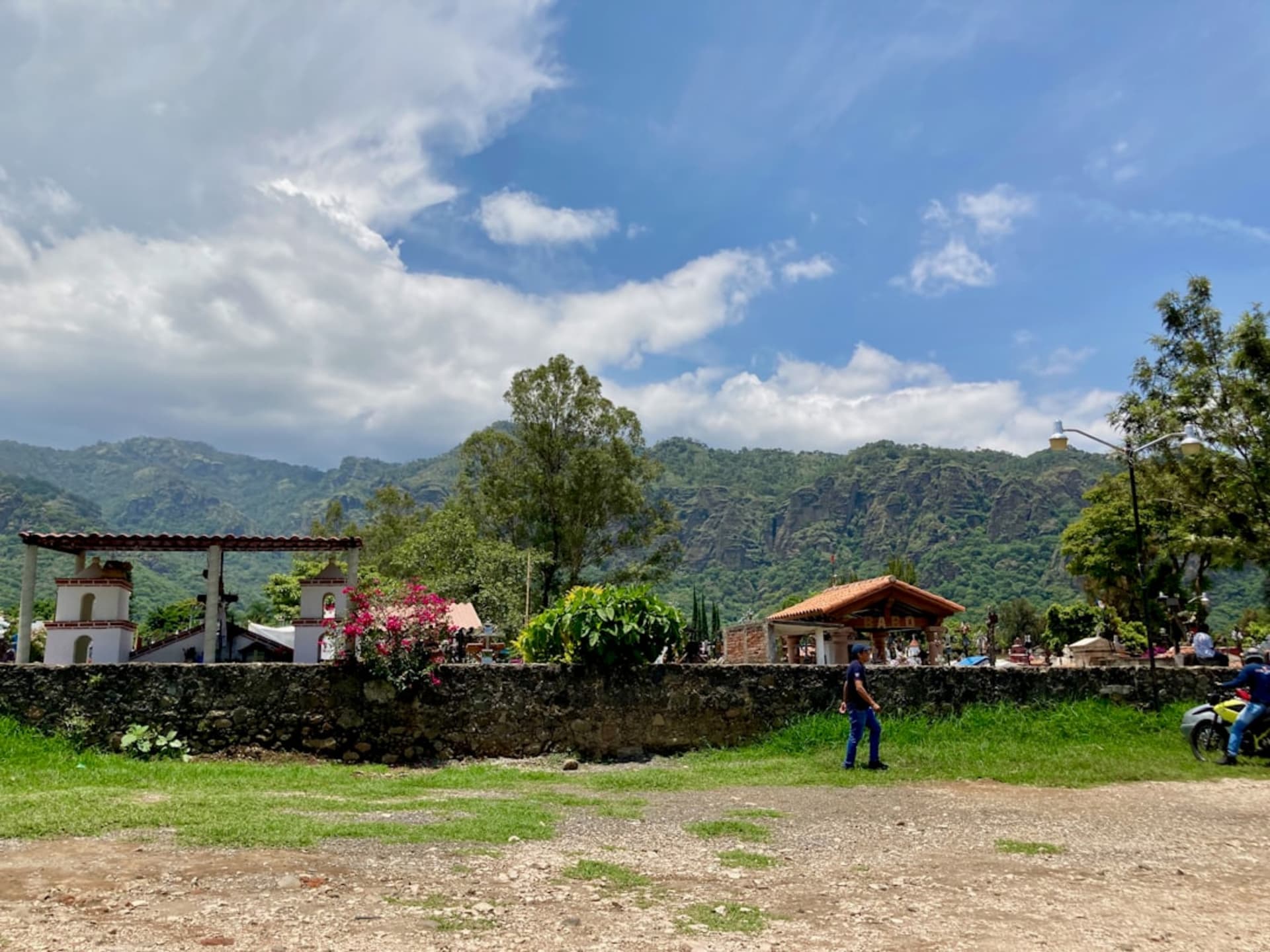
Valle de Guadalupe
"The wine list at Corazón de Tierra has no imported bottles. The kitchen uses what the valley produces. The bill was the most money I have spent on a lunch. It was worth it."
Mexico's most acclaimed wine valley in northern Baja California — a dust-road circuit of boutique wineries, open-fire restaurants, and one of the best concentrations of serious food in Latin America, forty minutes from Ensenada.

Valle de Guadalupe is 30 kilometers north of Ensenada in a valley where the Mediterranean microclimate — coastal fog in the mornings, warm afternoons, cool nights, almost no rain — produces conditions for winemaking that Californian viticulturalists have been studying with increasing seriousness. The valley’s winemaking history dates to the Russian Molokan settlers who planted vineyards in the early 20th century and to the subsequent Italian and Spanish immigrant families who expanded production through the mid-century.
What happened in the 2000s and 2010s was a transformation: a generation of young Mexican winemakers returned from training in Bordeaux, Burgundy, and Napa and began doing something genuinely original — making wines that expressed the specific character of Baja terroir (the granite soils, the coastal air, the low rainfall that stresses the vines into concentration) rather than imitating European models. Simultaneously, a handful of chefs built restaurants inside the valley that became the best in Mexico outside of Mexico City. By 2015, the combination had made Valle de Guadalupe internationally known; by 2020, it was understood to be one of the most interesting wine and food destinations in the Americas.
The Wine
The valley has around 150 registered wineries, ranging from industrial operations with full tourism infrastructure to single-family vineyards with no sign at the gate. The grapes that work best here: Nebbiolo (the granite soils produce results closer to Barolo than anything in California), Tempranillo, Syrah, and, increasingly, indigenous Mexican varieties that are being studied and replanted.
Adobe Guadalupe — six varieties of wine named after archangels, a boutique hotel on the property, Andalusian horses in the paddocks. The winemaking is serious; the hospitality is the best organized in the valley.
Bodegas Valle de Guadalupe — the family operation that has been here the longest and that set the template for the current generation. The Nebbiolo is the benchmark for what the valley can produce at altitude.
Monte Xanic — more international in style but technically accomplished, particularly the Chardonnay, which benefits from the coastal fog in ways that inland Baja valleys can’t replicate.
The most efficient approach: rent a car, build a route of four or five wineries with reservations, and taste through the afternoon. The valley’s roads are unpaved in sections; a standard car is fine in dry conditions, which is most of the year.

The Food
The restaurant culture of Valle de Guadalupe is the reason the valley appears on lists it wouldn’t otherwise make — food publications that don’t track Mexican wine regularly do track what the chefs here are doing.
Corazón de Tierra — the meal that established the conversation. Diego Hernández grows his own herbs and vegetables, forages the surrounding countryside for wild plants, and builds a tasting menu around what the valley produces. The open kitchen is visible from the dining terrace; the courses change with the harvest. Reservation required months in advance for weekend lunches.
Finca Altozano — Jair Téllez’s restaurant in the vineyard is less precious and more convivial: live fire, whole animals, Baja vegetables, the same access to excellent produce at a lower register of formality. The Sunday brunch, when the long tables fill with Mexican families from Tijuana and the wine flows continuously from ten in the morning, is the ideal social experience in the valley.
La Cocina de Doña Esthela — the counter-program to the fine dining scene: a family-run breakfast spot on the dirt road through the valley, where Esthela Torres has been feeding winemakers and ranch workers for decades. The machaca con huevo, the homemade flour tortillas, and the fresh cheese from the farm down the road cost a fraction of the tasting menus and represent a different but equally valid argument for Baja cooking.

Logistics
The valley is at its peak from August through November, when the harvest brings activity and the restaurant reservations become hardest to get. January through April is quieter and still beautiful.
Getting there: Fly into Tijuana (direct from most US cities, cheap domestic from Mexico) or drive from San Diego. Ensenada is 90 minutes from Tijuana by toll road. Rent a car in Tijuana or Ensenada — the valley is not navigable by public transport. The drive from Ensenada to the valley takes 40 minutes.
Staying in the valley: Several boutique hotels operate within the valley (Adobe Guadalupe, Encuentro Guadalupe, La Villa del Valle) at prices appropriate to the level of experience. Most visitors day-trip from Ensenada or Tijuana.
Note on drinking and driving: The valley has no public transport. Designate a driver, take a valley tour with a driver included, or arrange accommodation inside the valley.
Keep exploring
More of Baja California
Keep exploring
More from Baja California
 mexico
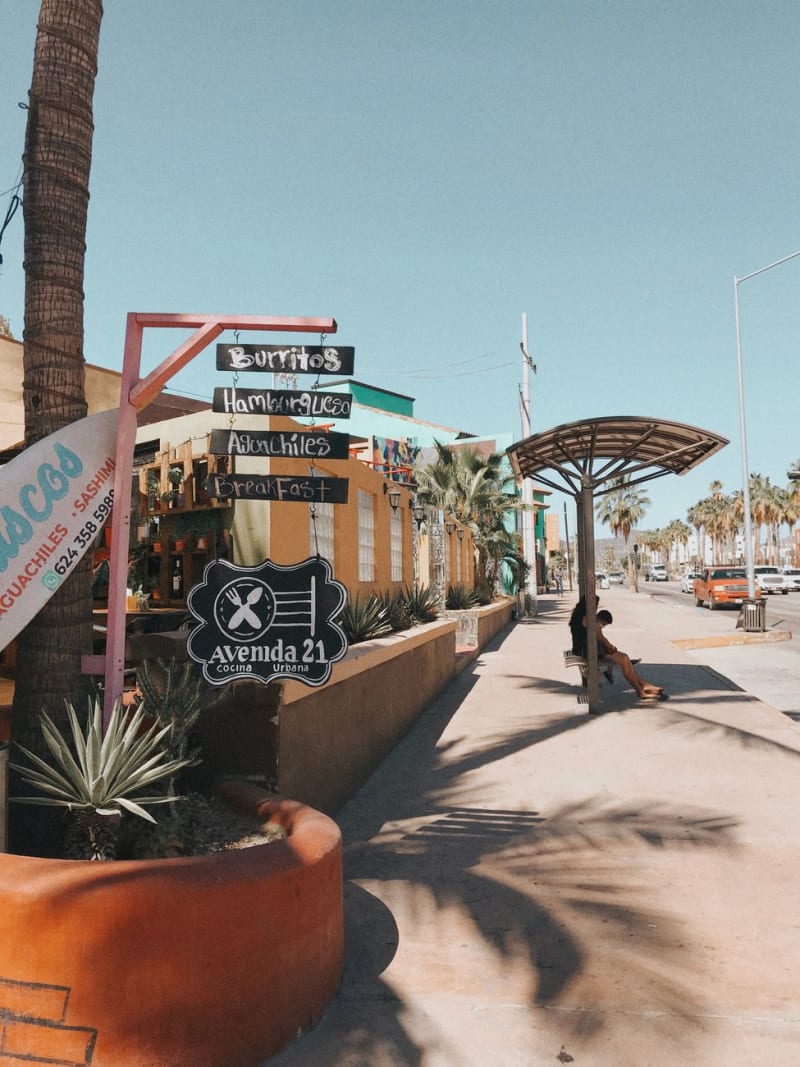
 San Felipe
San Felipe is a fishing village on the Sea of Cortez where the shrimp comes off the boats each morning and ends up on tostadas at the malecón market by noon, crisp and lime-soaked and served with a habanero salsa that arrives without negotiation. The town draws families from Mexicali for weekends, has a strange tidal range of seven to nine meters that exposes an enormous intertidal flat at low tide, and sits at the northern edge of one of the most ecologically significant marine reserves in the world. I arrived expecting a resort. I found a working fish market and a seafront of pickup trucks.
Explore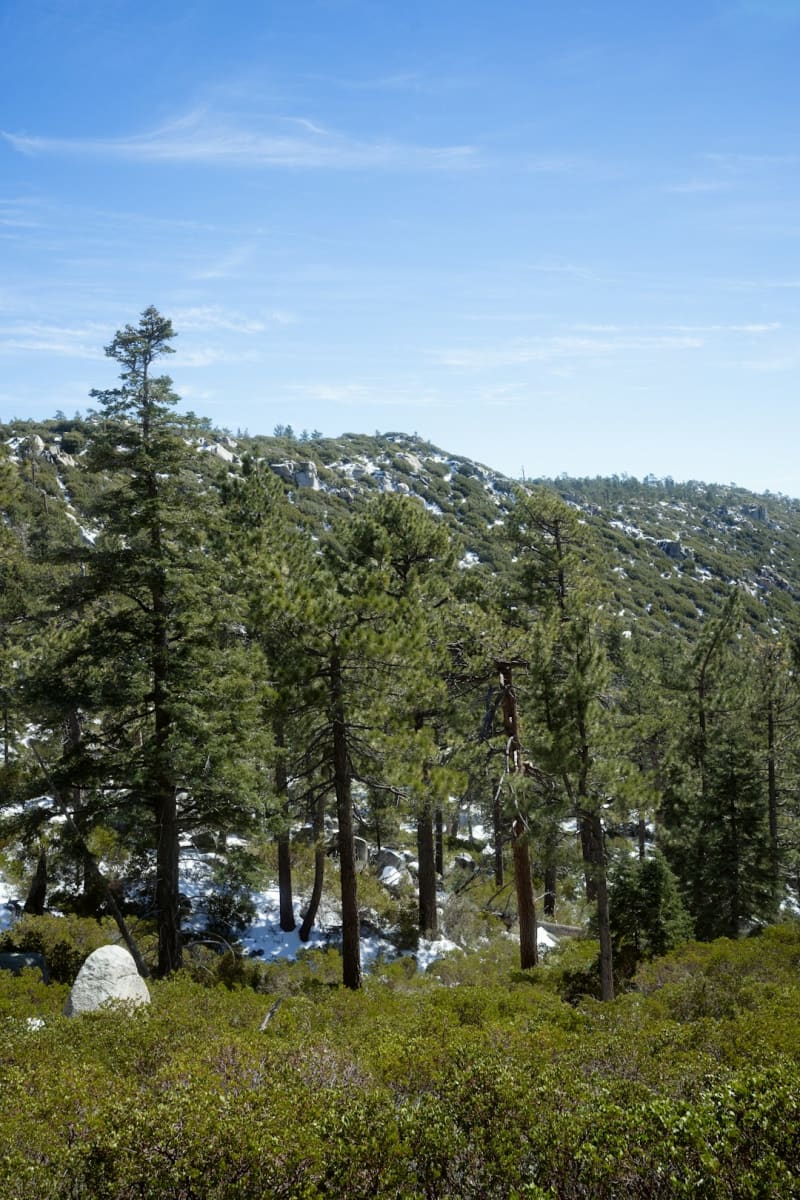 mexico
 Sierra de San Pedro Mártir
A high sierra rising to nearly 3,000 meters in the middle of the Baja peninsula, where pine forests replace desert scrub, California condors ride the thermals, and Mexico's national astronomical observatory keeps watch above the clouds. Almost nobody stops here.
Explore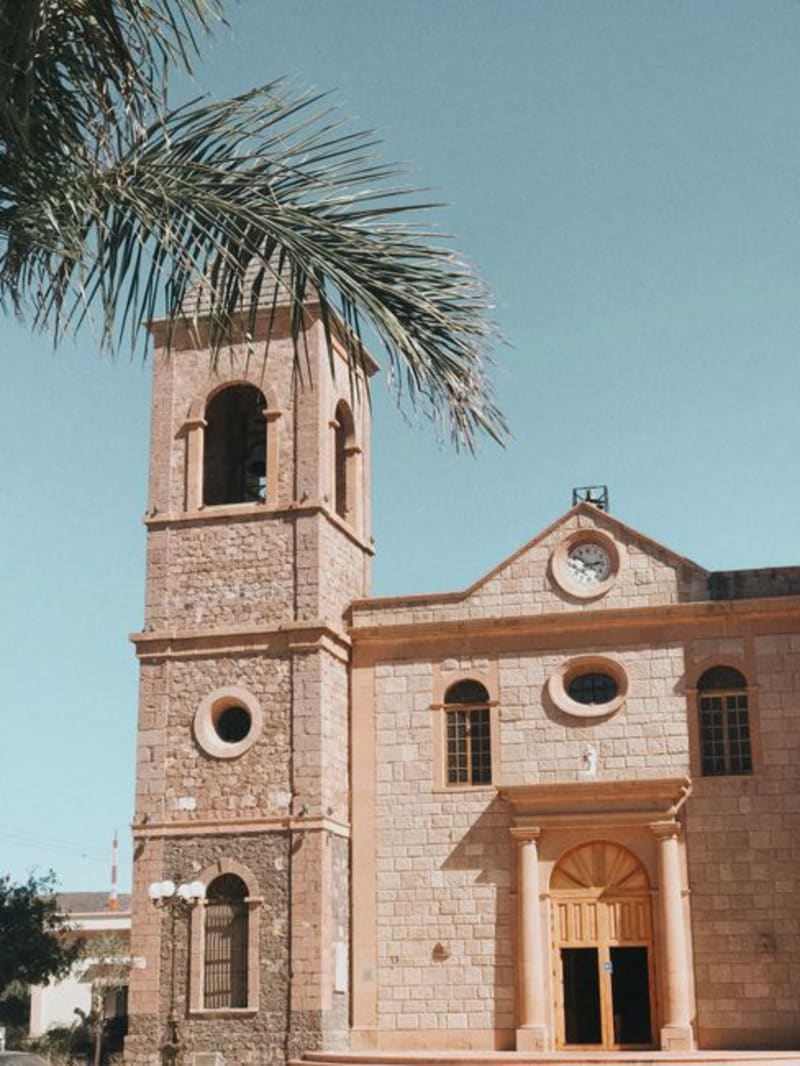 mexico
 El Rosario
El Rosario sits at the point where Baja California stops pretending to be convenient. The Transpeninsular Highway narrows, the cardon forests thicken, and the peninsula's wilder, more indifferent self takes over — and Mama Espinoza's lobster burrito has been fueling that transition for decades.
Explore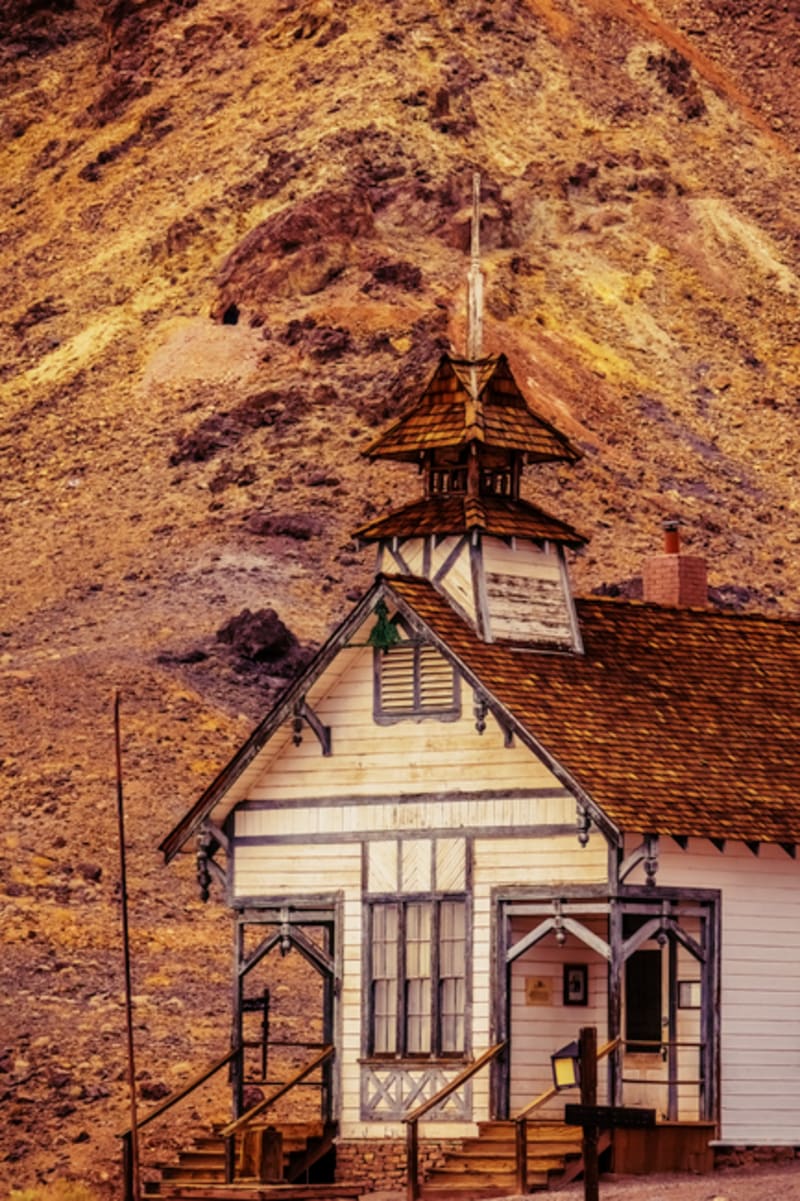 mexico
 El Arco
El Arco is a ghost town at the geographic center of the Baja peninsula, a gold-rush settlement the desert swallowed whole and never gave back. Stone walls, empty doorframes, a silence so complete it rings in your ears.
Explore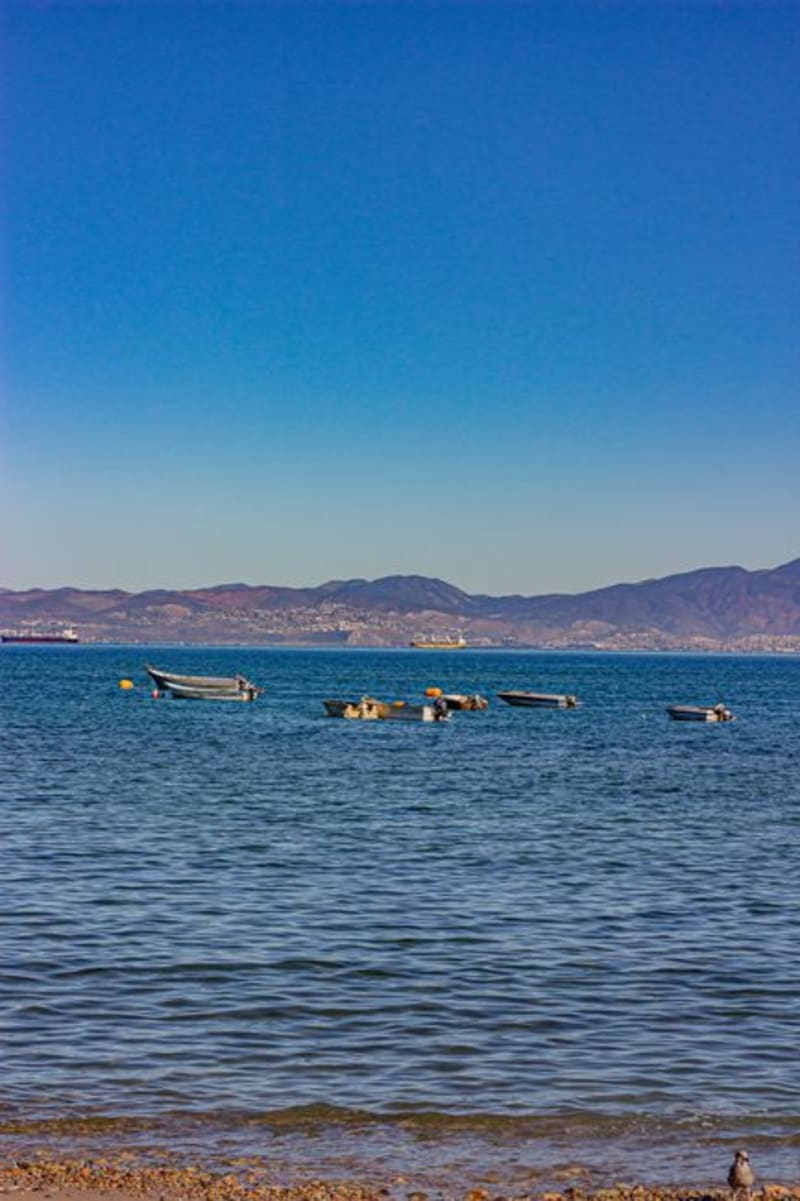 mexico
 Bahía de los Ángeles
A remote bay on the Sea of Cortez where whale sharks gather each summer and the silence is so complete you can hear the pelicans landing. The two-hour detour off the Transpeninsular Highway is not an inconvenience — it is the selection mechanism that keeps this place intact.
Explore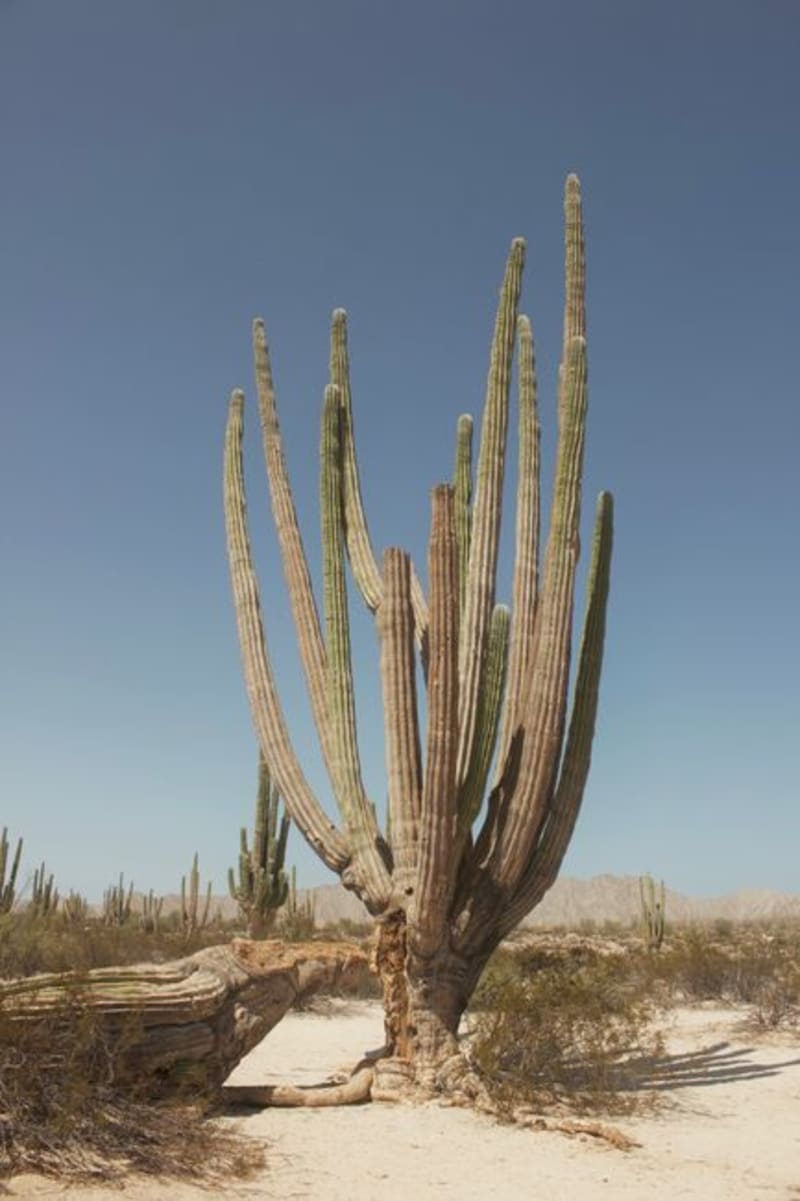 mexico
 Cataviña
A remote crossroads in the Valle de los Cirios, where boojum trees rise from ancient granite boulders like organisms from a different evolutionary timeline and prehistoric cave paintings survive on the canyon walls. It sits roughly halfway down the Baja peninsula, far enough from both coasts that most people who pass through do so by accident — which is, oddly, the best way to arrive.
Explore