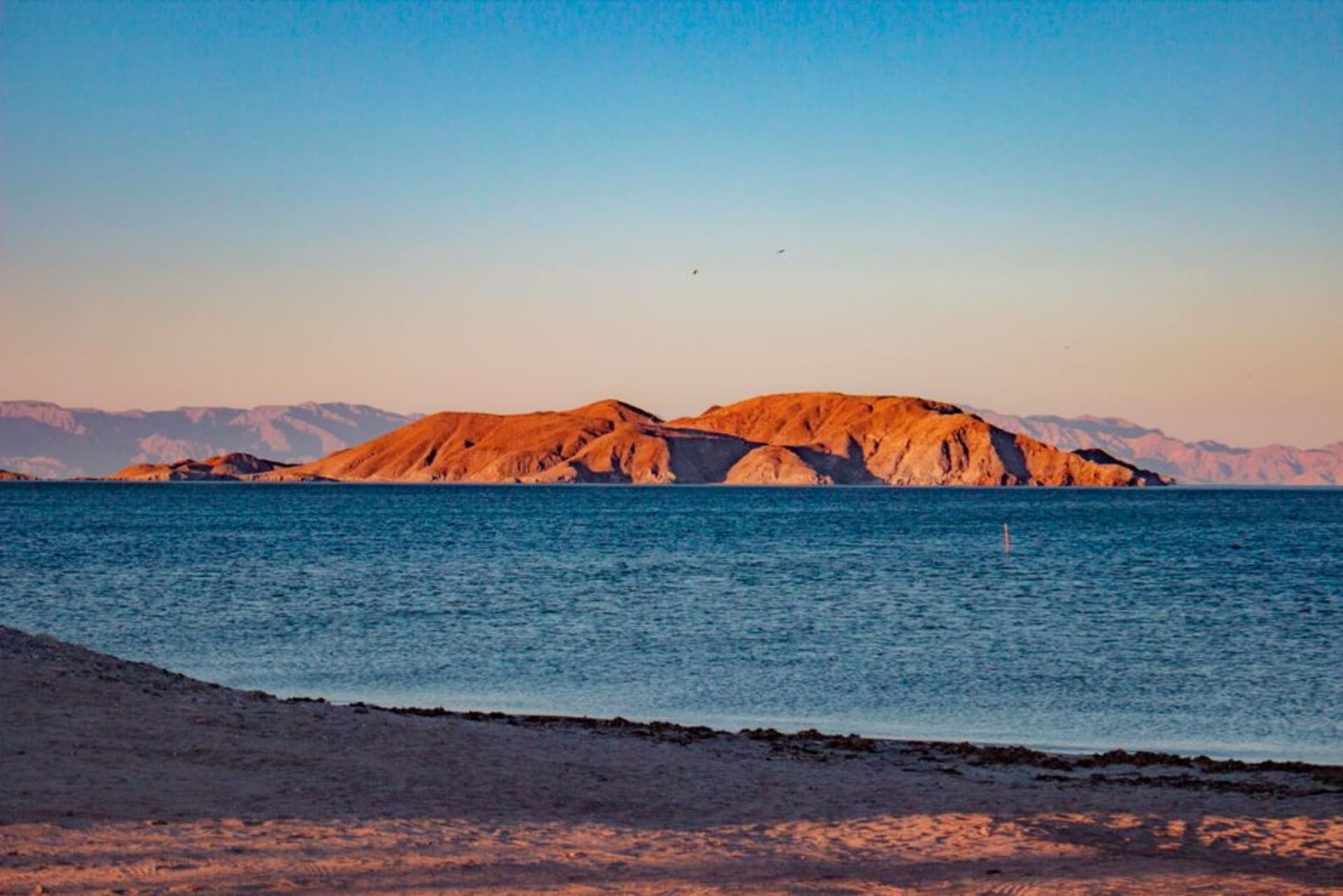
Bahía de los Ángeles
"The bay had maybe a dozen fishing boats and one palapa restaurant. I watched a whale shark surface twenty meters from shore while eating my fish tacos."
A remote bay on the Sea of Cortez where whale sharks gather each summer and the silence is so complete you can hear the pelicans landing. The two-hour detour off the Transpeninsular Highway is not an inconvenience — it is the selection mechanism that keeps this place intact.

I turned off Federal 1 at Punta Prieta on a Tuesday in late July, following a sun-bleached sign that promised Bahía de los Ángeles in 68 kilometers. The road is paved but barely — one lane wide in places, with shoulders that dissolve into creosote scrub. I passed two other vehicles in an hour. When the bay finally appeared below the ridge, that particular blue of the Sea of Cortez against red volcanic hills, I understood immediately why people who make that turn tend to not make it back to the highway for several days.
Whale Sharks and the Shallow Water That Holds Them
The thing nobody tells you about snorkeling with whale sharks here is how shallow the encounters can be. I was maybe fifteen meters from the restaurant palapa — I hadn’t even pulled on fins yet — when the first dorsal fin broke the surface. Bahía de los Ángeles sits at the edge of a plankton-rich channel between the peninsula and the Midriff Islands, and from roughly June through November the whale sharks come in close, sometimes into water so clear and shallow you can see their spotted backs from the beach without entering it at all. A man named Gustavo runs boat trips from the fish camp at the north end of town — he charges something reasonable, leaves at seven in the morning before the wind picks up, and keeps the motor off once you’re near the animals. I went three consecutive mornings. The sharks are indifferent to you in the best possible way.
The Rhythm of a Town with One Main Road
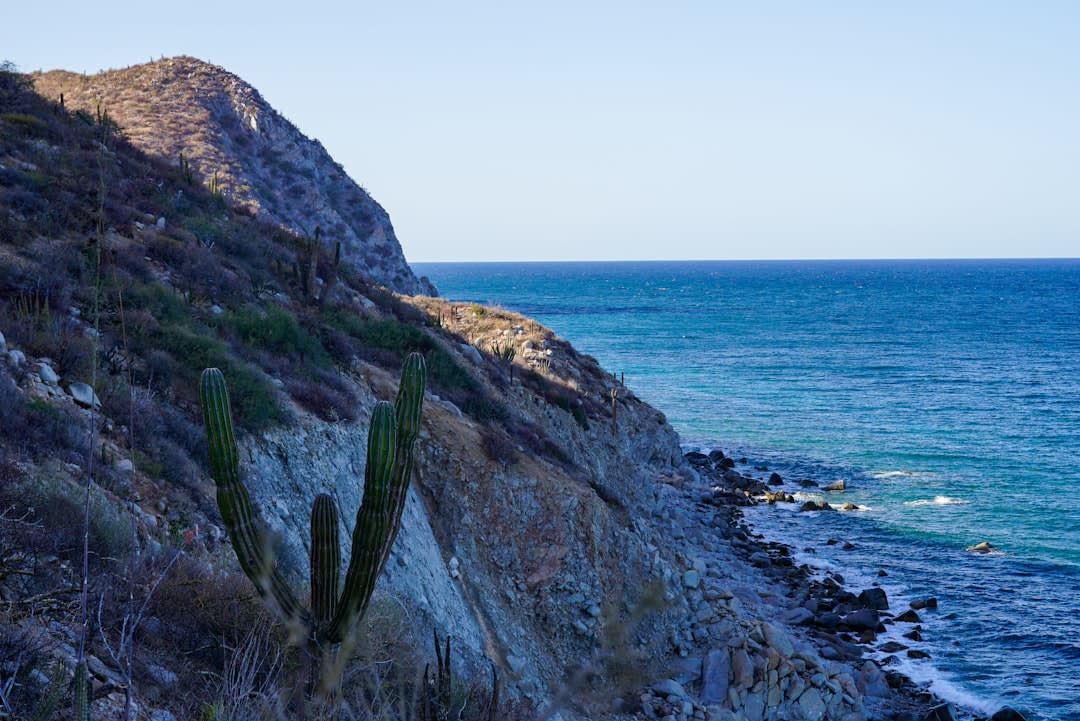
Bahía de los Ángeles has a population somewhere around 800, a small PEMEX station, a museum about the Midriff Islands ecology that is better than it has any right to be, and a handful of restaurants operating on schedules that are more suggestion than commitment. I ate most meals at a palapa near the waterfront where the owner, a woman in her sixties named Lupe, made a pescado zarandeado — whole yellowtail butterflied and grilled over mesquite — that I am still thinking about. Mornings I had coffee and pan dulce from a small tienda on the main street before it heated up past the point of comfort. By two in the afternoon, everyone sensible had retreated indoors. The town has that quality of places built around fishing and not much else: unhurried, self-sufficient, quietly suspicious of people in too much of a hurry.
Evenings on the Water
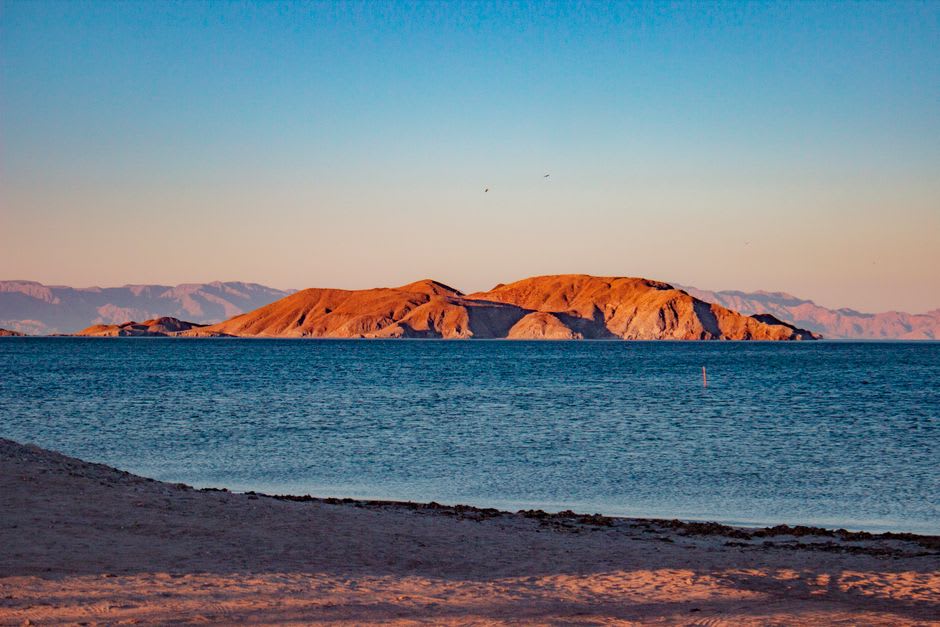
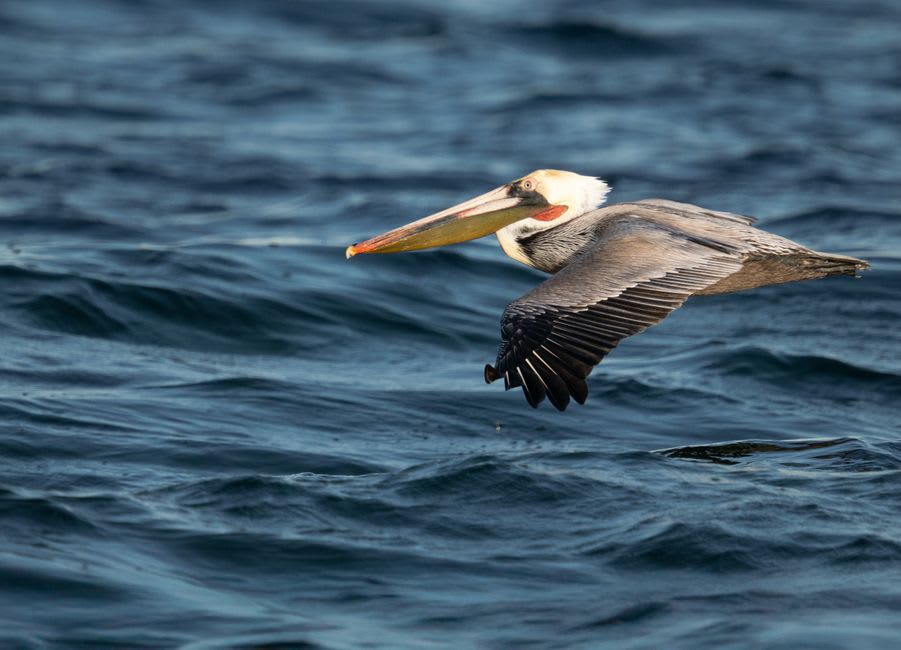
Sunset here is an event and nobody pretends otherwise. The Midriff Islands — Ángel de la Guarda filling most of the eastern horizon — catch the last light and hold it orange and then purple while the bay goes flat and reflective. I watched it from a folding chair on the beach three nights running with a cold Tecate, watching pelicans work the shallows in formation. The sky darkens fast at this latitude and the stars come out in quantity. There is no light pollution to speak of.
Getting There
From Ensenada, drive south on Federal 1 approximately 420 kilometers to Punta Prieta, then turn east on the signed road to Bahía de los Ángeles — 68 kilometers of narrow paved road, around 90 minutes. The PEMEX in town is not always stocked; fill your tank before the turnoff. No ATM exists in the bay, so bring cash.
Keep exploring
More of Baja California
Keep exploring
More from Baja California
 mexico
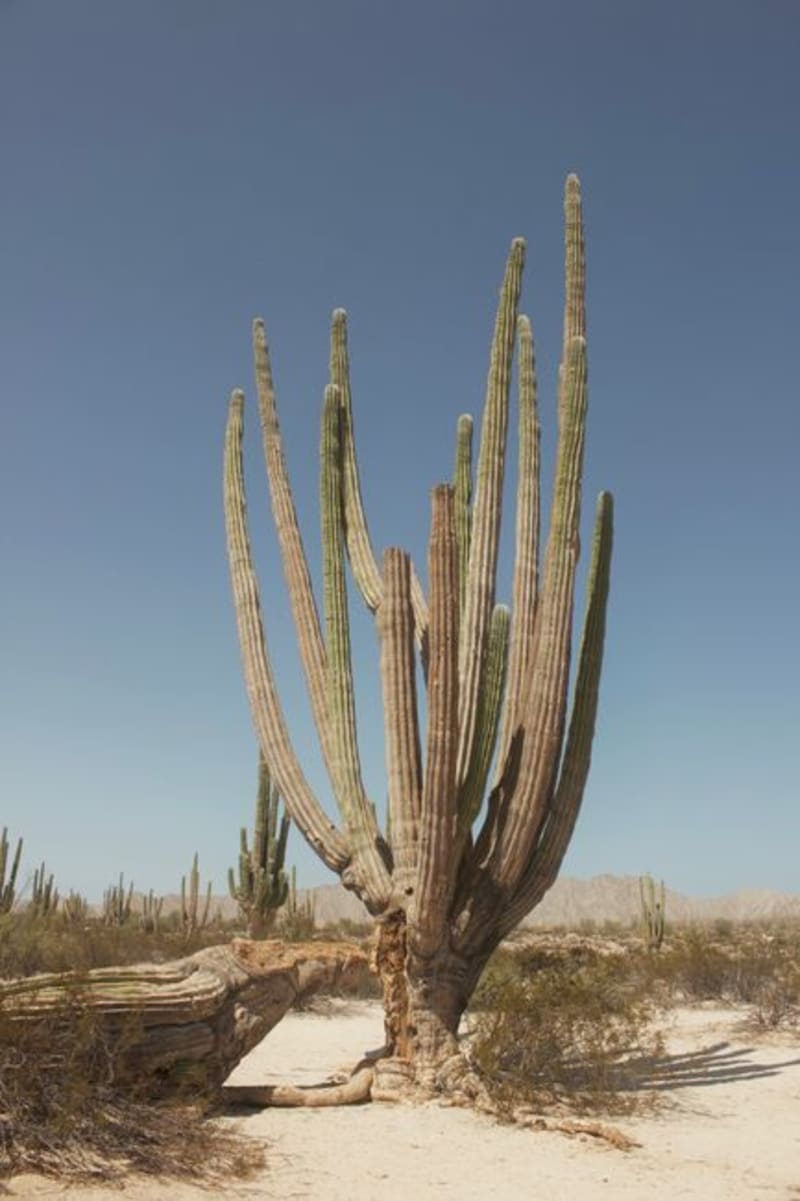
 Cataviña
A remote crossroads in the Valle de los Cirios, where boojum trees rise from ancient granite boulders like organisms from a different evolutionary timeline and prehistoric cave paintings survive on the canyon walls. It sits roughly halfway down the Baja peninsula, far enough from both coasts that most people who pass through do so by accident — which is, oddly, the best way to arrive.
Explore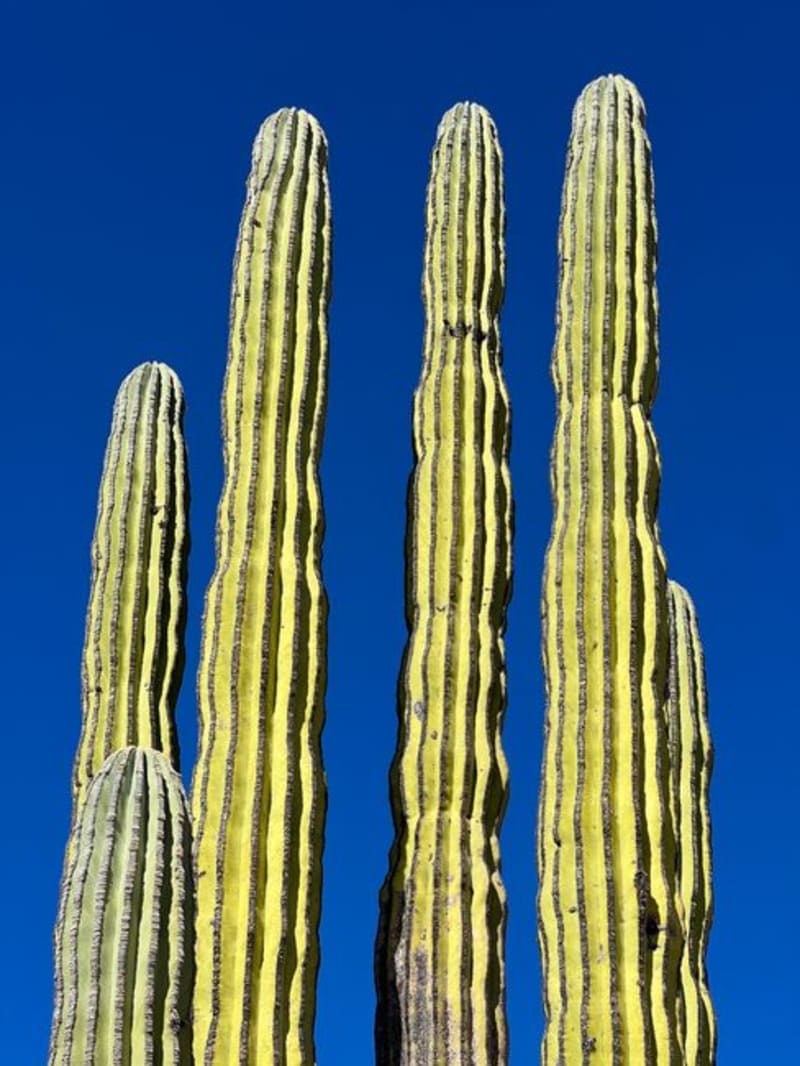 mexico
 Valle de los Cirios
Stretching across the central spine of Baja California, the Valle de los Cirios is a UNESCO-protected biosphere reserve built around the boojum tree — a spiraling succulent column that looks like something a child invented and a desert made real. Driving the Transpeninsular Highway through it at dawn is one of the genuinely unrepeatable experiences of western Mexico.
Explore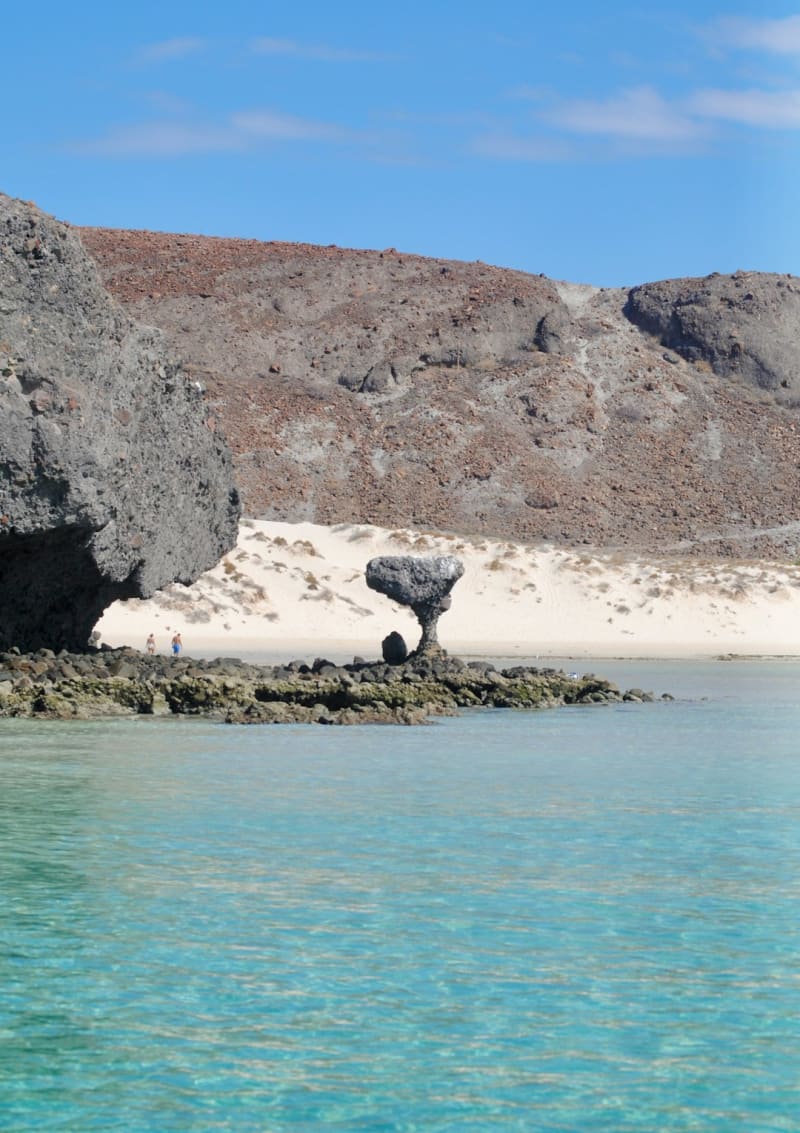 mexico
 San Quintín
Four hours south of Tijuana, San Quintín is where Baja sheds its suburban sprawl and turns genuinely wild. The bay yields some of the finest oysters in Mexico, shucked roadside by the men who pulled them from the water that morning. Black-sand volcanic beaches stretch toward Punta Baja with almost no one on them.
Explore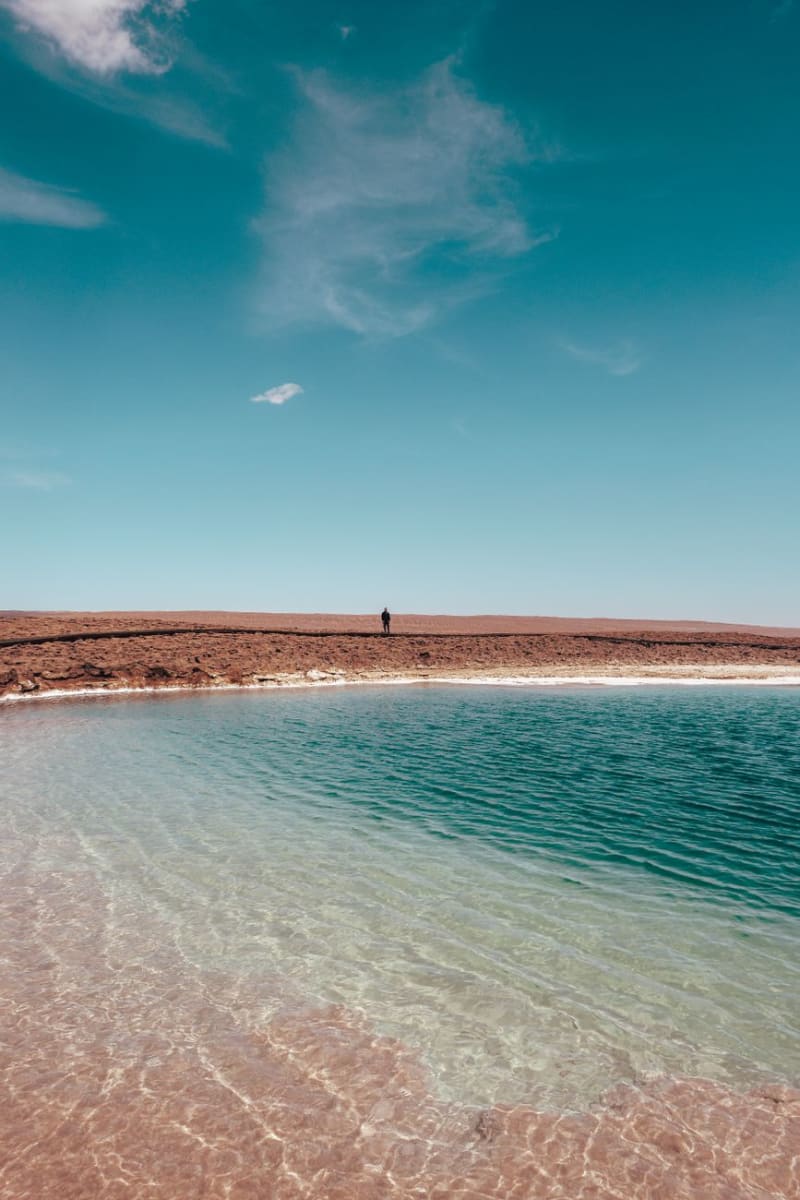 mexico
 Laguna Hanson
Laguna Hanson is a high-altitude lake in the Sierra Juárez mountains of northern Baja California, reached by a rough road that climbs from coastal desert into pine-oak forest at 1,800 meters — a complete ecosystem change in under an hour of driving. The lake sits among granite boulders and Jeffrey pine, shallow and seasonal, and the night sky above it is the darkest I've encountered in Baja. I drove up from Ensenada, camped alone, and woke to cold mist on the water.
Explore mexico
 Mexicali
Mexicali is the capital of Baja California, a desert border city pressed against Calexico, California, remarkable for one thing that makes no geographic sense: the best Chinese food in Mexico, concentrated in the Chinesca district and rooted in the 20th-century Chinese labor migration to the Colorado River delta. The heat in summer is serious enough to require planning. I went for the food and ate at a restaurant that has been open since 1960 from a laminated menu that had not been updated since roughly that date.
Explore mexico
 Ensenada
Ensenada is a Pacific port city ninety minutes south of Tijuana where the morning fog sits low over the harbor until ten, the fish market opens before dawn, and the road east leads into wine country that no one outside of Mexico seems to know exists. I went for the Valle de Guadalupe and ended up staying for the tostadas de mariscos eaten standing up at eight in the morning, watching pelicans work the water.
Explore